

Understanding Demo Accounts for South African Traders
📊 Learn how demo accounts offer South African traders a risk-free way to test skills, understand markets, and prepare for live trading—plus expert tips and pitfalls to avoid.
Edited By
Isabella Turner
A demo trading account is a simple yet powerful tool that lets you practise trading or investing without risking any real money. It uses virtual funds to simulate real market conditions, giving you a playground to try out strategies, understand how markets move, and build your confidence before going live with cash.
In South Africa, where market dynamics and volatility can differ from global norms, grasping these basics first can save you a fair amount of frustration and potential losses. Demo accounts mimic prices from local and international exchanges, including well-known instruments like the JSE’s Top 40 shares, forex pairs like USD/ZAR, and even commodities like gold or platinum.
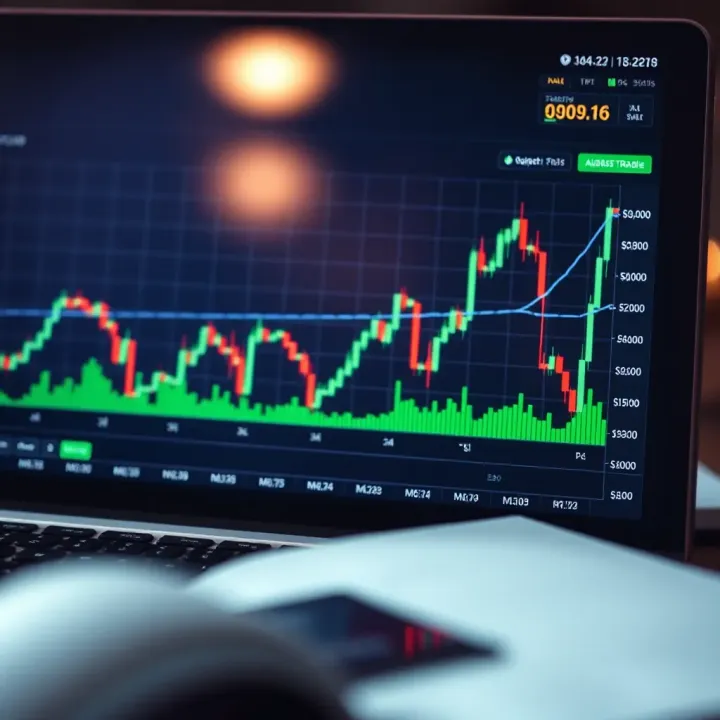
Demo trading accounts offer a safe environment for learning and experimentation—no financial pressure, just real-world experience.
Test Strategies Safely: You can trial a new trading style or system using virtual money. For example, you might try swing trading Rand-dollar pairs to see how seasonal trends affect price.
Understand Platform Tools: Brokers like EasyEquities or Standard Bank’s trading platform give demo access to test out features like charting, order types, and indicator settings without risk.
Get a Feel for Market Movements: The live price feeds on these accounts reflect real-time market volatility, helping you learn how news, such as SARB announcements or Eskom supply issues, impact prices.
Despite the advantages, demo accounts reflect ideal conditions. They don't capture emotional pressures you face when real money is on the table or slippage during volatile periods.
Opening one is usually a matter of minutes. You'll sign up with a broker serving South African clients, get allocated virtual Rand (often R1 million or similar), and access their trading interface on desktop or mobile.
Being aware that demo account prices might sometimes lag slightly in volatile markets keeps expectations realistic.
A demo trading account serves as a practice ground for traders who want to familiarise themselves with financial markets without risking actual money. It offers a simplified, risk-free environment where South African traders can explore trading platforms and test strategies before committing real cash. This hands-on approach helps keep emotions in check and builds confidence.
A demo account replicates real market conditions using simulated data, allowing you to execute trades just like in a live setting. For instance, if you open a demo account with a broker like IG or Plus500, you'll see price movements of currencies, commodities, and shares in real time, but using virtual money. This simulation is crucial for experiencing the trading process without exposure to financial losses, and it clarifies how orders work under typical market conditions.
One of the most practical benefits is the ability to practise trading without risking your Rand. Whether you're trying your hand at forex pairs like USD/ZAR or dipping into indices like the JSE Top 40, you can experiment freely. This means you can afford mistakes and learn through trial and error — something no beginner should skip. Practising risk management methods, such as setting stop-loss orders, becomes a safer and more effective exercise.
While demo accounts mirror live markets, some differences exist. For example, emotional stakes are much lower, which can affect decision-making speed and discipline. Also, demo trades often don't reflect slippage — the difference between expected and executed price — common during volatile hours like Eskom load-shedding periods. Understanding these gaps prepares you for the realities of live trading.
Demo accounts provide you with a certain amount of virtual funds — say R100,000 — to start trading. These funds reset when you open a new demo, giving you repeated chances to practise. Real-time or near real-time market data feed your trades, which means you see how prices fluctuate as they would on a live platform. This combination ensures your practice sessions reflect actual market movements.
Most demo accounts give access to a broad range of financial instruments, including forex, commodities like gold and platinum, shares listed on the JSE, and even cryptocurrencies. This variety means you can try different markets and find out if you prefer trading oil futures over local equities, or if the volatility of crypto suits your style. This feature is particularly useful for South African traders looking to diversify.
Effective charting tools are a staple in demo accounts. You'll usually find technical indicators like moving averages, Bollinger Bands, and Relative Strength Index (RSI) built into the platform. For example, platforms like MetaTrader 4 or ThinkMarkets offer these features, allowing you to analyse price trends and time your trades better. Practising with these tools can sharpen your ability to spot patterns and gauge market sentiment.
Demo trading accounts are your training field—use them to build solid trading habits while navigating real market conditions, but remember the jump to live trading requires adapting to emotional and execution differences.
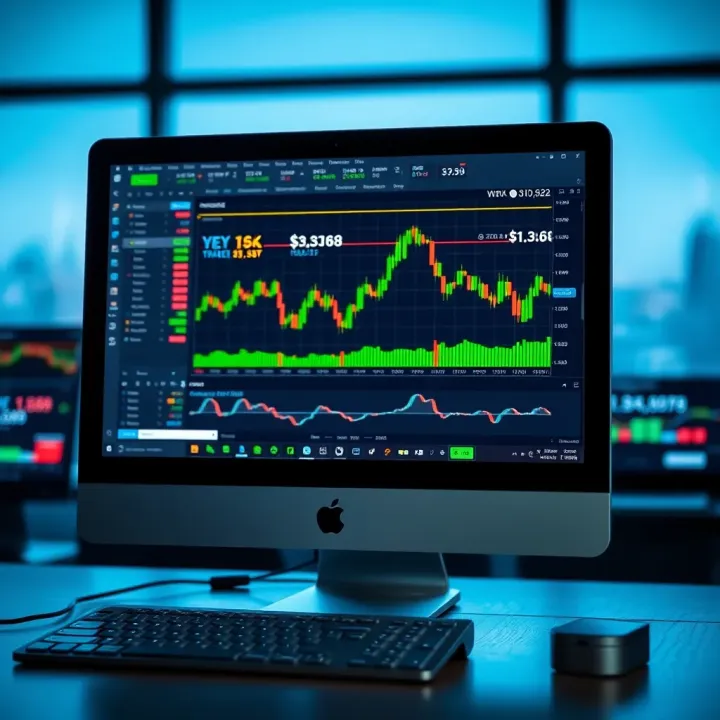
Understanding order types is fundamental when starting out with trading. In a demo account, you can practise placing different orders like market orders, which execute immediately at current prices, or limit orders, which execute only at specified prices. This hands-on experience helps you grasp how each order works and under what circumstances you would use them, without risking any actual money.
Familiarising yourself with trading platforms is equally essential. Whether you’re using MetaTrader, ThinkMarkets, or an app from a local broker like IG or EasyEquities, getting comfortable with the user interface, navigation, and basic functions means you don't trip up in real trading. You learn how to access charts, place trades, and set stops in a stress-free environment.
Developing confidence is often overlooked but vital. Trading can be intimidating, especially with real money at stake. Demo accounts allow you to build confidence in making decisions, executing trades, and responding to market moves. The more you practise, the less likely you are to freeze or panic when the real market throws a curveball.
Evaluating the effectiveness of your strategies is one of the strongest points of demo trading. You can try out different techniques, like trend following or scalping, to see how they perform. For example, you might find your moving average crossover strategy fails in choppy markets but shines during trending conditions.
Practising risk management with virtual funds lets you experiment safely. You can set stop losses or test how much capital to risk on a single trade without worrying about blowing your account. This sharpens your sense of discipline and helps you stick to limits once you go live.
Adjusting to different market conditions is also easier on a demo account. Markets can shift from volatile (think sudden rand fluctuations) to quiet, and your test trades help you figure out which strategies suit each environment. This practical exposure is difficult to get without risking capital.
User-friendliness matters a lot. What works for one trader might feel clunky to another. Demo accounts give you time to explore interfaces and see if the platform matches your style and technical skills. For instance, some South African traders prefer easy mobile apps like those from FNB or Capitec’s investment platforms, which are straightforward but might lack depth compared to more advanced desktops.
Execution speed can make or break a trade, especially for day traders or scalpers. Through a demo account, you can observe if trades execute promptly or if there’s lag that could cost you money in live conditions. This is particularly notable with brokers offering local servers to reduce delays for South African users.
Available features are another factor to test. Think about whether the platform offers sufficient charting tools, indicators, or news feeds. You might discover that certain platforms don’t support automated trading or lack direct rand quotations, which could affect your decisions.
Using a demo trading account is like test-driving a bakkie before buying. You get to know the controls, assess if it fits your needs, and avoid costly mistakes on the road ahead. It prepares you practically for live trading, whether you're a novice or an experienced trader refining your edge.
Opening a demo trading account is your first step towards real trading without risking actual money. In South Africa, this process is practical and straightforward, provided you choose the right broker and understand the basic setup and navigation. Getting familiar with these steps helps you fine-tune your trading skills and platform interactions in a low-pressure environment.
Regulation and licensing considerations: South African traders should always look for brokers authorised by local or internationally recognised regulators. Brokers registered with the Financial Sector Conduct Authority (FSCA) comply with strict rules that protect traders’ interests. For example, a broker regulated by the FSCA or an equivalent overseas regulator, such as the UK’s FCA, ensures transparency and fairness, reducing the risk of fraud. This compliance is especially critical when you transition from demo to live accounts to safeguard your funds.
Broker reviews and reputation: It pays to research a broker’s track record through user reviews and trusted financial forums. For instance, platforms like MyBroadband or Moneyweb often feature discussions and reviews from South African traders that highlight both strengths and weaknesses of brokers. A broker with a solid reputation will typically offer responsive customer support, reliable execution, and fair pricing—all important for a smooth demo experience.
Platform compatibility: Make sure the demo account runs on a platform you can use comfortably—whether it’s MetaTrader 4, MetaTrader 5, or proprietary software. Compatibility with your computer or mobile device matters, especially if you plan to trade on the go. For example, if you’re often out and about, a broker offering a mobile-friendly app with real-time data will be more useful than one limited to desktop-only software.
Registration requirements: Typically, opening a demo account with South African brokers means providing basic details such as your name, email address, and contact number. No deposit is usually necessary, which keeps it completely risk-free. Some brokers might ask for more detailed information as part of their compliance with the Financial Intelligence Centre Act (FICA), but this is uncommon for demo accounts.
Downloading or accessing the platform: Once registered, you’ll either download the trading platform or access it directly through a browser. South African brokers often provide both options. For example, you could download MetaTrader 5 and log in using demo credentials or trade instantly on a web-based platform without installation, making it quick to get started.
Funding your virtual account: Funding a demo account refers to how much virtual money you want to simulate trading with. Brokers often start you off with R100,000 in virtual funds, enough to experiment with different strategies and asset classes without restrictions. Remember, since this is virtual, there’s no real deposit or withdrawal—it’s purely to give you a feel for trading sizes and risk.
Placing market and limit orders: Knowing how to place different order types is fundamental. A market order executes immediately at the current price, perfect for fast decisions, while a limit order lets you set a specific price where you want to buy or sell, giving more control. Practising both on your demo account will prepare you for live trading scenarios.
Monitoring open positions: Your demo platform will show open trades with current profit or loss in real-time. Getting into the habit of tracking your positions helps you learn to exit at the right moment or cut losses quickly—essential skills particularly relevant during volatile periods in the local market, like during unexpected news releases or Eskom loadshedding events.
Using charts and tools: Most demo accounts give you access to charts with various technical indicators. Applying tools like Moving Averages, RSI (Relative Strength Index), or Bollinger Bands helps you identify trends and potential reversal points. For example, using these tools to analyse an asset like the JSE Top 40 Index can give you an edge in understanding market movements even before putting real money at risk.
Starting with a demo trading account tailored for South African traders allows you to build confidence and skills tailored to our unique market conditions without financial stress. Treat it seriously—it’s a stepping stone to successful real trading.
Demo trading accounts are an excellent tool for practising without risking real money. However, they come with limitations that South African traders must understand to avoid setting false expectations. Knowing where demo trading falls short helps you prepare better for live markets and reduces the chance of unpleasant surprises.
When trading with a demo account, it’s easy to feel relaxed because the money isn’t real. This emotional detachment means you might take bigger risks or trade more recklessly than you would with your actual savings. For example, placing a large virtual bet on a volatile asset like the JSE Top 40 index or a currency pair such as USD/ZAR might seem less daunting. But in real trading, that same decision often comes with stress and hesitation that affect how you execute trades.
In a demo environment, trades execute instantly at the displayed prices. There’s no slippage — the difference between expected trade price and actual executed price — which can happen if the market moves quickly. Also, your buy or sell order doesn’t impact the market price in demo accounts. In real markets, particularly when trading large volumes or less-liquid assets, your orders can shift prices, affecting your entry or exit points. This difference means you may feel confident in a demo but find real trades don’t go as smoothly or profitably.
Demo accounts often provide idealised order execution without delay or rejection. You won’t experience technical glitches, delays due to network issues, or partial fills that happen in live trading. Imagine placing a market order to buy shares in Sasol on the JSE, only to find your order partially filled or delayed amid rapid market movements — such scenarios don’t appear in demo accounts but can significantly change your trading results.
Relying only on demo trading can give a false sense of skill. Because no real money is at stake, traders might feel overconfident in their strategies or decisions. This overconfidence could lead to taking bigger risks when live trading, exposing them to unexpected losses. For instance, a trader might double down on a forex pair like EUR/ZAR after demo success but find reality far tougher due to emotions and market friction.
Demo accounts don’t foster the same discipline as live trading. Without actual financial risk, it’s easy to ignore crucial habits like setting stop-loss orders, sticking to risk management rules, or avoiding impulsive trades. This lack of discipline frees demo traders from the pesky realities of managing emotions and maintaining focus under pressure — essential skills for real trading success.
Finally, demo environments can’t prepare traders for interruptions and technical challenges present in live trading. Power outages due to loadshedding, unreliable internet connections, or sudden platform downtimes are common in South Africa. These factors affect your ability to monitor or execute trades promptly. Without facing these conditions during demo practice, you might be unprepared for the practical realities that impact trading performance.
Understanding these limitations helps South African traders use demo accounts wisely — as a learning tool, not a full preview of live trading. Treat demo trading as practice, but prepare for real markets with caution and discipline.
Demo trading gives you a sandbox environment to practise your skills, but how well you benefit depends largely on your approach. Treating demo trading seriously helps build habits essential for hitting the ground running when you move to live trading.
Setting realistic goals and limits puts structure around your practice sessions. Rather than aimlessly clicking to see what happens, define clear targets like gaining proficiency in reading charts or executing specific order types under certain conditions. Also, set limits on how much virtual capital you “spend” in a session to simulate risk management. This keeps you disciplined, mimicking real trading scenarios where you cannot afford to throw cash around recklessly.
Keeping a trading journal is essential for tracking your decisions, emotions, and outcomes. Note the reasons behind each trade, your thoughts during execution, and the result. This habit helps you spot patterns in behaviour—such as chasing losses or getting overly confident after wins—which you might otherwise overlook. Regular journalling builds self-awareness that’s invaluable when the stakes involve real money.
Reviewing and analysing trades turns experience into insight. Don’t just move on after a trade closes. Instead, take time to look at what worked or fell short. For example, maybe you noticed poor timing during volatile market hours or chose assets without proper research. Breaking down your trades lets you adjust strategies and avoid repeating the same mistakes. Over time, this reflective practice breeds better judgement.
Approaching demo trading as seriously as actual trading sets a strong foundation for long-term success.
Knowing when to switch from demo to live trading is key. Jumping in too soon can be costly, while delaying might slow your development. Generally, you should feel consistent in your demo results and comfortable with the platform. If you’re still unsure, consider starting small with simulated environments that allow gradual real money exposure.
Starting with small capital on your live account helps manage real-world pressures without risking too much. Even if you performed well on demo, live markets test your nerves differently. Beginning with modest amounts—say, R1,000 to R5,000—means you can learn under real conditions with less strain on your capital.
Continued learning and adaptation must go hand in hand with live trading. Markets constantly shift, new tools emerge, and strategies can become outdated. Read up on local events affecting stocks and currencies, follow economic news, and stay involved in communities like online forums or trading groups. This ongoing effort sharpens your edge beyond the demo phase.
Ultimately, the most successful traders treat demo accounts as a stepping stone—respecting their value but always moving forward with purpose and steady growth.
📊 Learn how demo accounts offer South African traders a risk-free way to test skills, understand markets, and prepare for live trading—plus expert tips and pitfalls to avoid.

Explore IQ Trading with practical tips for South African investors 🇿🇦. Learn its features, trade types, payment methods, and how to manage market risks effectively 📈💸.

📈 Discover how IQ Option offers South African traders access to forex, options & crypto. Learn fund methods, start tips, plus risks for safer trading. 🇿🇦
🤖 Explore how mobile trading robots help South African traders automate decisions, manage risks, and navigate local rules—plus top platforms to consider.
Based on 13 reviews