
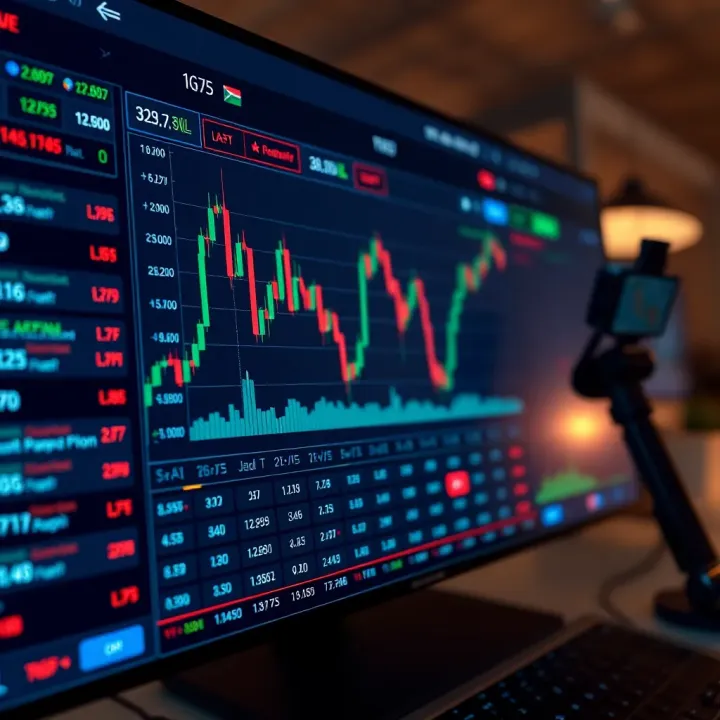
Understanding Trading Platforms for South African Traders
Explore the key features and types of trading platforms tailored for South African traders 📊. Learn how to select the right platform while understanding local regulations 📈.
Edited By
Amelia Thompson
IQ Trading is one of the online platforms that’s gained traction among South African traders looking to buy and sell financial assets quickly. Unlike traditional investing where you hold shares or forex positions for weeks or months, IQ Trading focuses on short-term trades based on market movements.
The platform offers various trade types, including binary options, CFDs (contracts for difference), and digital options. For example, you might wager on whether the price of Brent crude oil will rise in the next 30 seconds or if the Johannesburg Stock Exchange (JSE) Top 40 index will dip by a certain percentage by market close. These trades have quick expiry times, often ranging from seconds to minutes.
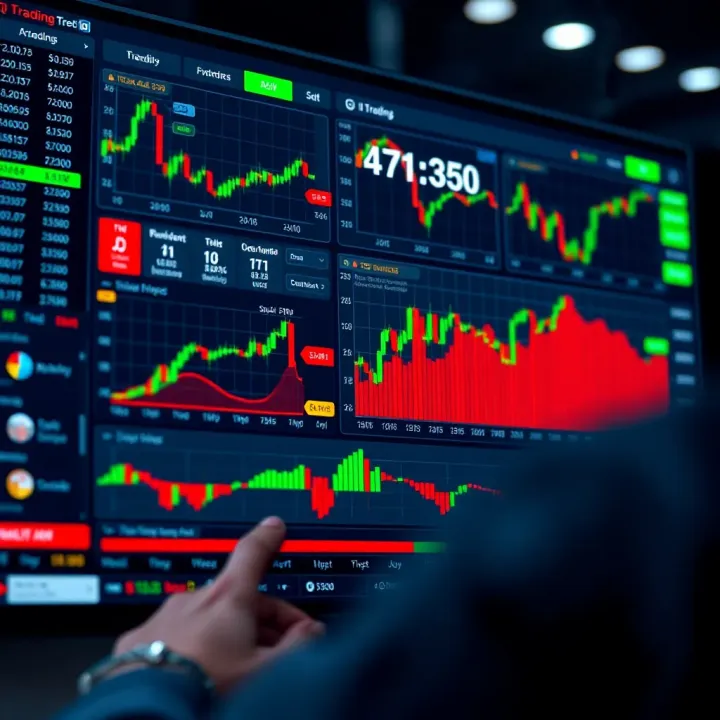
What makes IQ Trading attractive locally is its accessibility. You can start trading with relatively small amounts, sometimes as low as R50. Plus, payment options are tailored to South African users, supporting card payments and e-wallets frequently used here. Still, it’s essential to verify that your payment method aligns with local banking rules and the Financial Sector Conduct Authority (FSCA) regulations.
Keep in mind, trading on IQ Trading involves significant risk. The market’s volatility means rapid gains and losses. Effective risk management, like setting limits on trade sizes and losses, should be a top priority.
South Africans face unique challenges when trading on these platforms. Loadshedding can disrupt your internet connection, affecting trade execution. So, having a reliable backup like a data bundle or mobile hotspot is smart. Also, while IQ Trading is technically available here, the regulatory environment is less clear-cut than other markets, so it pays to stay informed about legal updates.
In the sections ahead, we’ll break down the key features of IQ Trading, examine trade types in detail, discuss how payments work for South African investors, and address ways to reduce risks. Whether you are new to online trading or an experienced investor curious about IQ Trading's fit in your portfolio, this guide will provide practical pointers tailored for your local context.
Understanding what IQ Trading offers and how it operates is essential for South African investors aiming to navigate online trading effectively. This section sets the foundation by explaining the platform's core features, its user environment, and the types of trading options it presents. Knowing these specifics helps traders make informed decisions and tailor their strategies to suit their financial goals and risk appetite.
IQ Trading is part of a larger network of online trading platforms that have gained traction worldwide, including among South African users. It is known for catering primarily to retail investors with various experience levels. The company behind IQ Trading adheres to several international regulations, which bolsters its credibility. However, South African traders should always verify the platform's current regulatory status through the Financial Sector Conduct Authority (FSCA) to ensure compliance and protection.
The IQ Trading platform focuses on simplicity and ease of use, making it accessible to beginners without sacrificing essential tools needed by seasoned traders. Its dashboard offers clear navigation across different assets and trading options. For instance, real-time charts and straightforward order placement buttons support quick decision-making. A seamless user experience is a practical advantage because it reduces errors and saves time during active trading sessions.
IQ Trading supports multiple devices, including desktop, laptop, and mobile phones, through both web browsers and dedicated apps for Android and iOS. This flexibility means you can monitor and manage trades whether you're at home or on the move. For South African traders often faced with fluctuating data costs and the need to trade around daily routines or loadshedding schedules, the ability to access the platform anytime adds significant convenience.
Binary options trading on IQ Trading involves betting on the price movement of assets within a fixed time frame—either up or down. The appeal lies in its straightforward outcome: either a fixed payout or nothing. However, high risk accompanies this simplicity, as volatility can quickly lead to losses. For example, guessing that gold prices will rise in the next 30 minutes might result in a quick profit or total loss, making it suitable only for those with clear risk management plans.
IQ Trading offers trading in popular forex pairs such as USD/ZAR and EUR/USD, alongside commodities like gold and crude oil. This presents opportunities for diversification beyond binary options. Given South Africa’s economic ties and currency fluctuations against the US dollar, trading forex pairs involving the Rand requires attentiveness to global news and local economic indicators. Commodities like gold resonate well locally too, since South Africa is a significant gold producer, influencing prices and volatility.
Trading on indices such as the JSE All Share Index or international ones like the US S&P 500 gives exposure to broader market movements without focusing on individual stocks. Meanwhile, cryptocurrencies like Bitcoin and Ethereum offer a highly dynamic and risky market segment available on IQ Trading. For South African investors, cryptocurrencies come with added considerations due to regulatory uncertainty and tax implications, but they remain popular for those seeking high returns in volatile markets.
Getting familiar with IQ Trading’s platform and trading instruments helps South African investors understand both opportunities and risks, allowing them to craft strategies that align with their objectives and local market conditions.
Opening and managing an IQ Trading account within South Africa involves a few specific steps and considerations unique to local regulations and banking systems. For South African traders, understanding these local requirements can smooth the signup process and help manage risks related to currency conversion, fees, and compliance with national laws such as RICA (Regulation of Interception of Communications and Provision of Communication-Related Information Act) and FICA (Financial Intelligence Centre Act).
To register on IQ Trading, South African users generally need to provide a valid identity document, proof of address, and proof of income or source of funds to verify their accounts. Examples include a South African ID book or Smart ID card, a recent municipal utility bill or bank statement (less than three months old), and payslips or bank statements showing consistent income. Ensuring these documents are up to date and clearly show your details can prevent delays.
IQ Trading also requires users to be over 18 years old and have a mobile number and email address for communication. These criteria ensure compliance with the platform's international and local laws.

RICA mandates telecommunications and financial service providers to verify the identity of their customers before activating services, ensuring lawful tracking for security purposes. In the trading environment, this translates into a strict verification process where users submit identification for validation.
FICA focuses on preventing money laundering and financial fraud by requiring detailed records of client identification and transaction monitoring. For South African traders, IQ Trading must comply by verifying each user's identity and regularly updating documentation to meet these legal standards. This means traders should be prepared for occasional requests for updated proof of identity or address.
South African traders benefit from several local banking options to fund their IQ Trading accounts, such as EFT (Electronic Funds Transfer), credit/debit cards from major banks (FNB, Standard Bank, Capitec), and increasingly popular instant EFT solutions like Ozow. Depositing in Rand is often possible, though IQ Trading may convert funds into US dollars or euros internally, depending on the instrument traded.
Currency conversion rates and fees can affect the amount available for trading, so it's wise to check conversion costs upfront. For instance, an EFT deposit of R5,000 might result in slightly less value once converted due to spread and fees.
EFT deposits typically clear within one business day, though instant EFT can be immediate. Withdrawals generally take two to five business days, depending on your bank and the withdrawal method. IQ Trading may charge a withdrawal fee or minimum amount, so checking these details helps you plan your trading funds effectively.
Remember, banks might impose their own charges on international transfers, so monitoring your bank's policies is equally important.
Since IQ Trading operates in global markets often priced in USD or EUR, South African traders face currency risk when depositing or withdrawing Rand. Sudden fluctuations in the ZAR/USD rate can affect your available balance in unexpected ways.
To reduce this risk, some traders prefer to deposit larger lump sums to minimise multiple conversions or use local accounts linked to multi-currency platforms that allow you to hold funds in foreign currencies without immediate conversion. Always factor in exchange rates and possible fees when planning your trades and withdrawals.
Understanding the local regulatory landscape and payment systems can save you headaches and ensure a smoother trading experience on IQ Trading in South Africa.
Navigating IQ Trading effectively is essential for South African investors aiming to make smart moves in today’s volatile markets. Knowing how to use this platform properly not only cuts the risk but also gives you a better shot at consistent returns. Whether you’re dipping your toes in or you’re a seasoned trader, understanding practical strategies and toolsets is key.
Choosing between short-term and long-term trades depends largely on your goals and risk appetite. Short-term trades, often lasting minutes or hours, let you capitalise on quick price movements using binary options or forex. For example, a day trader might buy and sell EUR/USD pairs several times in one session, aiming for small but frequent gains. Long-term trades, on the other hand, hold positions over days or weeks, benefiting from broader market trends. This approach suits those who prefer less stress from constant monitoring — imagine watching the JSE’s mining index over a month for shifts caused by commodity price changes.
Effective money management helps prevent heavy losses that can wipe out your capital fast. It’s wise to set limits on how much of your total fund you risk per trade — many experts suggest not exceeding 1–2%. For instance, with R10,000 to trade, risking R100 to R200 per position keeps you in the game longer while learning. Also, using stop-loss orders fixes the maximum loss beforehand, protecting you from sudden market swings. Remember, a cool head helps more than chasing losses in markets as fickle as currencies or crypto.
Charts are your window into market rhythm, and learning to read them can boost decision-making. Popular tools include candlestick charts, which display opening, closing, highs, and lows for chosen time frames. For example, spotting a ‘hammer’ pattern in gold prices may hint at a reversal — a chance to enter or exit trades. Indicators like Moving Averages or the Relative Strength Index (RSI) provide extra context, like trend strength or if an asset is overbought, so you avoid buying at peaks or selling at lows.
IQ Trading offers demo accounts letting you practise without risking real money. This is especially useful for South Africans new to online trading, as it builds confidence while helping you test strategies and get familiar with the platform’s features. Think of it as a flight simulator — you learn the controls and nuances before taking off with actual cash.
The platform includes a range of analysis tools tailored to both beginners and advanced traders. You can overlay indicators such as Bollinger Bands, MACD, and Fibonacci retracements to spot entry and exit points. For example, a trader might use Fibonacci tools to predict support and resistance levels in the rand-dollar exchange rate during economic announcements. These instruments help traders make evidence-based decisions rather than relying on gut feeling.
IQ Trading also provides alerts and signals to notify you of significant market moves or potential trade setups. This helps traders stay updated without constantly watching the screen. Additionally, automatic trading options allow you to set predefined conditions for trades to open or close — useful if you can’t trade during work hours. But caution is needed here: automated strategies should be tested thoroughly on demo accounts first to avoid unwanted losses.
Mastering how to use IQ Trading with smart strategies and practical tools can make a big difference. It turns trading from guesswork into a more structured activity, increasing your chances of success in South Africa’s fast-changing markets.
Trading on IQ platforms carries its fair share of risks, particularly for South African investors who need to grasp these before diving in. Being aware of the common pitfalls and local regulatory landscape can save you from costly mistakes and legal headaches.
The financial markets, especially forex and binary options, are notoriously volatile. Prices can swing wildly within minutes, influenced by global events like unexpected political shifts or economic reports. For instance, a surprise change in South Africa’s repo rate can cause the rand to fluctuate significantly against other currencies, impacting trades on the IQ platform. This unpredictability means traders face a real risk of losing capital swiftly if they’re unprepared or overly confident.
The rise in online trading sparked a wave of scams and fake platforms promising quick profits. Although IQ Trading itself is legitimate, impostors often mimic its interface or name to lure unsuspecting users. South African traders must remain vigilant, verifying broker licences and reading user reviews before committing funds. Moreover, phishing scams sometimes masquerade as official IQ communication, aiming to steal personal or banking details. This risk underlines the need for digital security awareness when trading online.
One trap many traders fall into is chasing losses or overtrading, often driven by emotion rather than strategy. After a loss, panicked attempts to recover can lead to riskier bets without proper analysis, quickly eroding investment capital. Emotional biases like fear, greed, or overconfidence cloud judgement. For example, a trader might double stakes to recover a few hundred rand lost earlier, unaware this could lead to even bigger losses. Sticking to a clear plan and managing emotions is vital for sustained success.
The Financial Sector Conduct Authority (FSCA) oversees financial services in South Africa, including trading platforms. Currently, the FSCA doesn’t regulate certain online platforms, including some offering binary options. This means South African traders deal with a grey area: while you can trade, there’s limited local oversight or protection if things go wrong. The FSCA warns about high risks, urging traders to exercise extreme caution and to ensure brokers are properly licensed and compliant with global standards.
Because regulation is patchy, resolving disputes with foreign or unlicensed brokers can be tricky. South African traders have limited recourse if faced with unfair practices, especially through offshore platforms. Unlike in banking or insurance, there’s no strong local body to handle complaints efficiently. That said, some brokers voluntarily submit to international arbitration or ombudsman schemes, so always check if this option exists before depositing funds.
Any profits from trading, whether forex or binary options, are subject to tax in South Africa. SARS (South African Revenue Service) treats these earnings as income and expects you to declare them accordingly. Failing to do so can result in penalties or back taxes. Many new traders overlook this, especially if trading via platforms outside South African jurisdiction. Keeping detailed records of all trades and consulting a tax advisor ensures compliance and helps avoid unexpected tax bills.
Staying informed about these risks and legal realities helps you navigate IQ Trading more safely. Being cautious, doing your homework, and preparing for possible losses are key to sustainable trading in Mzansi’s market environment.
Trading on IQ Trading can be rewarding, but it’s not without its pitfalls—especially in South Africa’s fast-changing economic environment. This section focuses on practical advice tailored for South African investors, aiming to boost success and cut down on avoidable losses. Whether you’re new or seasoned, keeping these pointers in mind will help you navigate local challenges like currency fluctuations, regulatory nuances, and market volatility.
Developing a clear trading plan is the backbone of smart investing. With markets moving unpredictably, having a defined strategy keeps emotions in check and reduces impulsive trades. For example, deciding upfront on your risk tolerance and setting achievable profit targets can stop you from chasing losses, which South African traders often face during Eskom-induced market jitters or sudden rand swings. Crafting your plan involves choosing the right instruments, trade amounts, and timeframes that suit your comfort and experience.
Using stop-loss and take-profit orders can protect your capital in volatile markets. These are automatic exit points you set to limit downside or secure gains without constant monitoring—a must in South Africa, where you might not always be online due to data costs or power cuts. For instance, setting a stop-loss prevents deep losses if the rand weakens sharply against the dollar, while take-profit ensures you pocket gains when targets are met during local or global market changes.
Keeping up with local and global market news is more than just staying informed; it’s about timing your trades wisely. South African investors should track key factors like SARB interest rate decisions, commodity price shifts, or geopolitical events impacting forex markets, especially USD/ZAR pairs. Accessing reliable sources during office breaks or on mobile apps can give you the edge by anticipating market moves before they happen.
Checking broker licences and reviews is vital to avoid scams or unreliable services. South African traders should verify whether brokers are authorised by international bodies or recognised by the Financial Sector Conduct Authority (FSCA). Reading reviews from other local users on platforms like MyBroadband can reveal red flags like withdrawal delays or poor trade execution. Trustworthy brokers usually present their compliance credentials openly.
Understanding client fund security means knowing how your money is protected. Good brokers keep client funds in separate accounts or have insurance schemes. This matters when you withdraw your trading profits or deposits in rand; for example, ensuring your broker offers transparent currency conversion rates without hidden fees prevents unexpected losses.
Evaluating customer support and educational resources helps you grow as a trader and resolve issues quickly. Look for brokers offering local-language support (English, Afrikaans, isiZulu) and resources like webinars or tutorials tailored to South African traders. Efficient support teams will guide you through technical challenges and keep you updated on promos or regulatory changes.
A well-chosen broker with solid client protection and accessible education tools can be the difference between consistent profits and frustrating losses.
By focusing on these practical tips, South African investors can make smarter decisions on the IQ Trading platform, navigating risks while leveraging the local market’s unique dynamics.
Explore the key features and types of trading platforms tailored for South African traders 📊. Learn how to select the right platform while understanding local regulations 📈.

Explore Tesla shares 📈 tailored for South African investors 🇿🇦. Understand how market trends, risks, and growth potential can fit your portfolio wisely.

Explore synthetic trading 🛠️ to create positions mimicking others. Learn strategies, risks, and examples across assets for savvy trading decisions 📊.
Discover Steve Mauro's unique trading methods and tools 🔍, his impact on South African markets 🇿🇦, and the practical debates around his strategies 📈.
Based on 10 reviews