
Understanding the RoboForex Members Area
🔍 Explore the RoboForex Members Area! Manage accounts, access trading tools, boost security, and get expert support for smarter trading decisions.
Edited By
Ethan Mitchell
A demo account lets you practise trading financial markets like shares, forex, or commodities without risking your own cash. For South African traders especially, who often navigate loadshedding disruptions or data cost concerns, demo accounts provide a practical, zero-risk way to learn and build confidence.
Think of it as training wheels on a bike; you get to try out strategies, test how brokers’ platforms work, and understand market behaviour before putting real money on the line. Most demo accounts come with virtual funds, allowing you to place trades, watch how the market moves, and track performance as if in a real market.
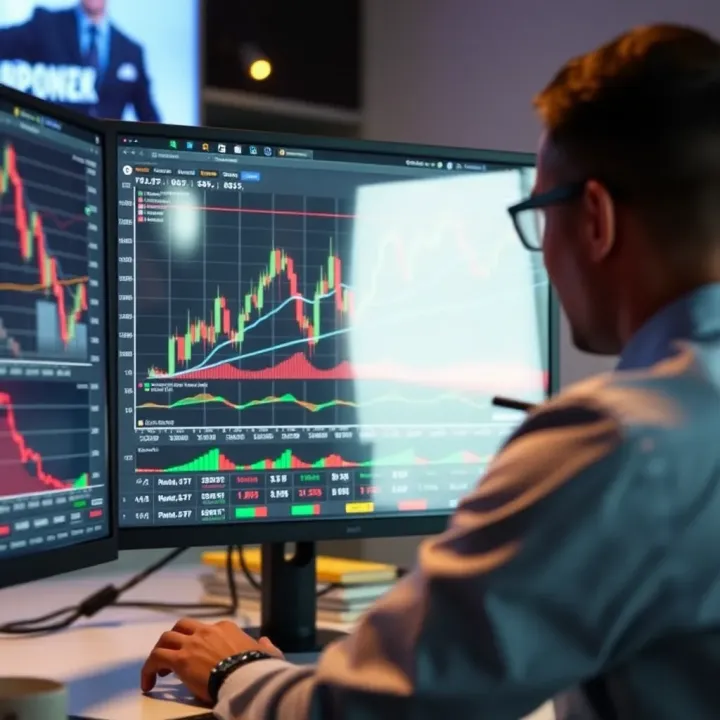
Using a demo account is like learning to drive in an empty parking lot before hitting busy city roads. It gives you space to make mistakes and improve without immediate consequences.
Demo accounts reflect live market prices, but they won’t always capture the exact conditions of live trading. For instance, execution speed and slippage can differ when real money is involved, so it pays to treat demo trading as a close simulation rather than a perfect copy.
Here are some key points about demo accounts:
Risk-free environment: No actual money is involved, so losses don’t hurt your wallet.
Platform familiarisation: Explore trading tools, charts, and order types without pressure.
Strategy testing: Try out different trading ideas to see what might work.
Confidence building: Gain familiarity with market rhythms and your broker’s interface.
While demo accounts are invaluable, they don’t teach emotional discipline under real pressure. The jump to live trading often brings stronger feelings around risk and loss.
For South African traders, choosing a reputable broker with transparent demo offerings helps. Brokers such as Standard Bank Online Trading or IG provide localised access and good educational materials alongside their demo accounts.
Next, we’ll look closely at how demo accounts function and practical tips to make the most of them before going live.
A demo account is a practice trading platform where traders can engage in simulated transactions without risking real money. This makes it an invaluable tool for anyone new to the markets or those wanting to test strategies before committing real funds. Given the volatility and complexity of financial markets, especially forex and shares trading, a demo account helps build confidence and understanding under realistic conditions.
By using a demo account, traders can familiarise themselves with the trading environment, try out platform features, and test market reactions without the pressure of financial loss. For South African traders, who face unique challenges like currency fluctuations and regulations from bodies like the FSCA, demo accounts offer a safer space to experiment and learn.
A demo account replicates live market conditions within a virtual setting. This means traders see the same charts, prices, and instruments without actual money changing hands. Imagine practising your dribbling on a football pitch before playing a match—you get to make mistakes and strategies without affecting your ranking. Similarly, this environment lets you observe market movements and execute trades, letting you understand order entry, exits, and order types firsthand.
Most demo accounts come loaded with a virtual balance—say R100,000 in fake funds—to trade with. This amount lets you familiarise yourself with managing risk and position sizing without fear. Though it’s imaginary cash, treating it seriously sharpens money management skills needed for trading with live capital. You can test what happens if you allocate too much of your virtual funds to one trade or how small incremental gains can grow over time.
Unlike pure simulations that rely on historic price data only, most demo accounts connect you to live market feeds. This means market prices and spreads reflect actual conditions. For example, if the JSE index drops due to breaking economic news, your demo price chart updates accordingly. This feature ensures you’re not just practising with textbook examples but real-time market dynamics, including price fluctuations, volatility, and liquidity variations.
Not all brokers offer demo accounts, or they differ in quality and functionality. When selecting a broker in South Africa—think big names like EasyEquities, IG, or Plus500—ensure their demo account mirrors their live platform closely. Some brokers also impose limits on demo trading periods or available features, so pick one that aligns with your trading goals and supports local regulations.
Opening a demo account typically involves a swift online sign-up providing basic info such as name, email, and contact number. The process is usually far simpler than live accounts since there’s no need for identity verification under RICA or FICA legislation. This means you can often get started within minutes, helping you practise without bureaucracy slowing you down.
Most brokers provide access to demo accounts through downloadable platforms—like MetaTrader 4 or proprietary apps—or a web interface. Installation is straightforward, and once complete, you log in with your supplied credentials. It's wise to get comfortable with these platforms early, exploring tools such as charting software, indicators, and order entry methods before moving to live markets.
Demo accounts are the closest way to experience real trading without risking your hard-earned Rands. Use them to get your hands dirty and avoid rookie mistakes on live accounts.
By understanding the features and setup of demo accounts, you lay a solid foundation to trade confidently and make informed decisions once you move into live trading.

Demo accounts offer traders a valuable way to build confidence and improve skills without risking real money. They act as a safe playground where you can learn how markets react and test out trading techniques before committing any capital.
One of the clearest benefits of using a demo account is the ability to practise trading without financial risk. Imagine a new trader starting out with R10,000 of virtual funds—any mistakes cost nothing but experience. This setup removes the pressure of losing actual cash, allowing traders to make errors, learn from them, and refine their approach before moving to a live account. For example, someone trying to trade the JSE Top 40 index on a demo account can explore market fluctuations and order execution without worrying about losing their shirt.
Getting comfortable with the trading platform itself is crucial, and demo accounts provide just that opportunity:
Charting and indicators: These are the bread and butter of technical analysis. Demo accounts give you access to real-time charts featuring candlesticks, moving averages, and momentum indicators such as RSI or MACD. Practising with these tools helps you understand market trends and entry or exit points. For instance, by watching how the 50-day moving average crosses the 200-day on the demo platform, you get a feel for identifying trend reversals.
Order types and execution: Traders don’t only buy or sell at market price; they often use limit orders, stop-loss orders, and take-profit orders to manage entries and exits. Demo accounts let you practise placing these different order types and see how they work in real-time conditions. This is particularly important when trading volatile instruments like forex or commodities—missing an exit due to unfamiliarity with order types in live trading can be costly.
Managing positions and risk: Knowing how to manage your open trades is a skill you develop best by doing. Demo accounts let you experiment with position sizing, stop-loss levels, and trailing stops without burning any cash. You can try setting a stop-loss at 2% below your entry price and observe how it protects your virtual funds when the market moves against your position. This familiarity helps develop discipline and risk-awareness that are essential in real-money trading.
Before risking real rand, demo accounts let you test various trading strategies. Whether it’s momentum trading, swing trading, or scalping, practising strategies in a simulated environment shows what works under current market conditions. For example, a trader might try a breakout strategy on the forex market during peak trading hours using a demo account. The immediate feedback helps fine-tune the approach or ditch methods that don’t yield results.
Using a demo account doesn’t just build skill; it saves you money by preventing rookie errors and hasty decisions.
By fully utilising a demo account, traders in South Africa can prepare themselves for the realities of live trading, making the eventual leap less daunting and more informed.
While demo accounts offer a valuable chance to practise trading without risking real cash, they also have clear downsides that traders need to understand before diving into live markets. Recognising these limitations helps manage expectations and prepare better for real trading scenarios.
Trading with virtual money removes the fear and pressure that come with real financial risk. It’s not uncommon for traders on demo accounts to take bigger risks or ignore stop-loss orders, knowing that losses don’t hurt their wallets. However, when real money is on the line, emotions like fear, greed, and stress kick in and can cloud judgment. For example, a trader might hesitate to exit a losing position or might overtrade trying to recoup losses, behaviours rarely seen during demo trading.
The true test of trading isn’t just strategy but maintaining discipline under pressure. Without experiencing these emotions on a demo, many traders find the transition to live markets challenging, often leading to mistakes born of anxiety or overconfidence.
Demo accounts tend to operate with idealised liquidity conditions, meaning the market seems always ready to absorb your trades at the prices shown. In reality, liquidity can be patchy, especially in less popular stock or forex pairs common to emerging markets or off-peak trading hours. Slippage — when orders execute at a slightly different price than expected — occurs frequently due to volatility or thin order books.
For instance, a South African trader placing a large order on the Johannesburg Stock Exchange (JSE) may find their order fills at prices slightly worse than advertised, especially during volatile sessions or outside normal trading hours. Demo platforms generally don’t simulate these conditions, so traders don't get used to how liquidity and slippage affect real outcomes.
Order execution speed in demo environments often outpaces that of live trading platforms. Demo accounts typically avoid queues or technical delays, giving the impression trades happen instantaneously. Yet, in live markets, factors like server load, internet latency, and broker routing can slow order execution.
Moreover, significant trades can impact market prices, especially for less liquid assets. Real trading may see prices shift against the trader during order placement, a phenomenon absent in most demos. For example, a large sell order in a small-cap stock can push the price down before the order fully executes, which demo accounts fail to replicate.
Demo trading creates an environment free from many real-world obstacles, leading traders to develop unrealistic expectations about profits and trading ease. When they switch to live accounts, sudden losses or trading costs like spreads and commissions can come as a harsh surprise.
Some traders may believe consistent demo profits guarantee success in live trading, but this assumption often overlooks emotional and technical differences. It’s essential to approach demo results as practice rather than a promise of future returns.
Remember, a demo account is a training ground, not a crystal ball. Trading with real money involves complexities no simulation can fully capture.
Being aware of these limitations allows you to use demo accounts more effectively, preparing for live markets with a balanced mindset and realistic goals.
Using a demo account effectively can shape your readiness for live trading. It’s not just about clicking buttons and watching virtual results; the real benefit lies in treating the demo environment seriously and using it as a training ground. By setting clear goals, simulating the real trading conditions, and keeping track of your mistakes and successes, you turn a demo account into a powerful learning tool.
Approaching a demo account with realistic trading goals is essential. Instead of expecting to double your virtual funds overnight, aim to familiarise yourself with market behaviour and how your chosen platform works. For example, you might set a goal to understand how market news affects currency pairs or to practise entering and exiting positions within specific time frames. Setting achievable targets helps build confidence and discipline, avoiding frustration from trying to hit unrealistic profit marks before you’re ready.
A major aspect often overlooked in demo trading is how costs like spreads (the difference between buying and selling prices), commissions, and slippage influence real profits. Many demo accounts offer zero spreads or commission-free trades, which isn’t how the live market operates. To prepare adequately, select demo accounts that incorporate realistic fees and slippage to reflect how prices can change between placing an order and execution. This way, you’ll get a better sense of the actual costs traders face at brokers such as FNB Stockbroking or Standard Bank Online Share Trading.
Treat your demo sessions like a live trading day. Choose specific hours to trade, avoid distractions, and stick to your strategy without jumping around because no real money is on the line. For instance, if you identify that the Johannesburg Stock Exchange (JSE) opening impacts your trading instrument, align your demo trade times around those periods. This practice builds habits needed for live environments where emotions and time pressure can affect decisions. Staying disciplined during demo trading helps bridge the gulf between theory and practice.
Documenting every trade during your demo period sharpens your analysis skills. A trading journal should include details like entry and exit points, the strategy used, reasons for the trade, and emotional state at the time. For example, if you noticed a pattern that led to repeated losses, recording this helps you avoid the same mistake when real money is involved. Also, celebrating small wins in your journal keeps motivation high and helps you understand which strategies work best in the South African market or global markets if you trade forex or commodities.
A well-maintained trading journal transforms lessons from demo accounts into practical, lasting knowledge that benefits your live trading journey.
Overall, maximising your demo account’s value demands discipline and a solid plan. By setting realistic goals, replicating market conditions including costs, and meticulously tracking your trades, you prepare yourself for the realities and challenges of live trading.
Moving from a demo account to live trading is a significant step for any trader. While demo accounts provide a safe space to practise strategies and familiarise oneself with market mechanics, live trading introduces factors that aren't replicable on demos—especially emotions and real financial risk. Understanding when and how to make this transition can greatly impact your success and longevity in the markets.
Deciding the right time to switch to live trading depends on your readiness and consistent performance in the demo environment. It's generally wise to move when you have shown a stable track record over several weeks or months, maintaining profitability while managing losses prudently. For example, if you’ve been practising on a demo account with MTN’s Forex platform and consistently apply your strategy without emotional interference, it might be time to test real money—starting small.
Don’t rush into live trading just because you’ve had a few wins; markets can be unpredictable, and a strategy that works in demo may falter under live pressures. Consider external factors too, such as your financial stability, time availability to monitor trades, and your ability to absorb losses without impacting your lifestyle.
The most challenging adjustment when moving to live trading is controlling emotions like fear, greed, and anxiety. That sense of detachment you had on a demo vanishes when real money is on the line. This shift affects decision-making, sometimes leading to impulsive trades or hesitations. Understanding and accepting your risk tolerance—not just the theoretical one from your demo results—is essential.
For instance, a trader might take on larger position sizes in live trading due to excitement but panic-sell during a sudden market dip. To prevent this, start by setting clear stop-loss limits and sticking to them no matter what. Emotions will still play a part, but having a risk management plan helps keep them in check.
Reducing your initial trade size when transitioning to live markets is a practical way to ease into real trading. Smaller positions limit potential losses, helping you build comfort and confidence without risking excessive capital. For example, if your demo trades involved 1 standard lot per trade, consider starting with 0.1 lots or less.
This scaled approach also aids in adjusting to live market conditions like slippage and spread variations, which aren't always evident in demo scenarios. It gives you room to learn from live trading peculiarities, while protecting your account from significant hit early on.
Selecting the correct broker and account type for live trading is crucial. Look for brokers regulated by the Financial Sector Conduct Authority (FSCA) to ensure your funds' safety and fair trading conditions. Compare account options—such as standard, mini, or micro accounts—based on minimum deposit requirements and costs.
Many brokers offer different spreads and commission structures, so pick one that aligns with your trading style and budget. If you started your demo with a particular broker, check if they provide smooth account upgrades from demo to live. The transition should be as seamless as possible to avoid unnecessary technical or administrative hassles.
Transitioning to live trading isn't just about changing the numbers on the screen; it's about handling real emotions, mastering risk, and choosing the right partner to support your journey.
Taking these steps seriously will improve your chances of a sustainable and successful trading career in the South African context and beyond.
🔍 Explore the RoboForex Members Area! Manage accounts, access trading tools, boost security, and get expert support for smarter trading decisions.

📊 Dive into Ripple prediction! Learn key factors, analysis methods & market impacts to guide your investment choices in SA's crypto scene.

Explore synthetic trading 🛠️ to create positions mimicking others. Learn strategies, risks, and examples across assets for savvy trading decisions 📊.
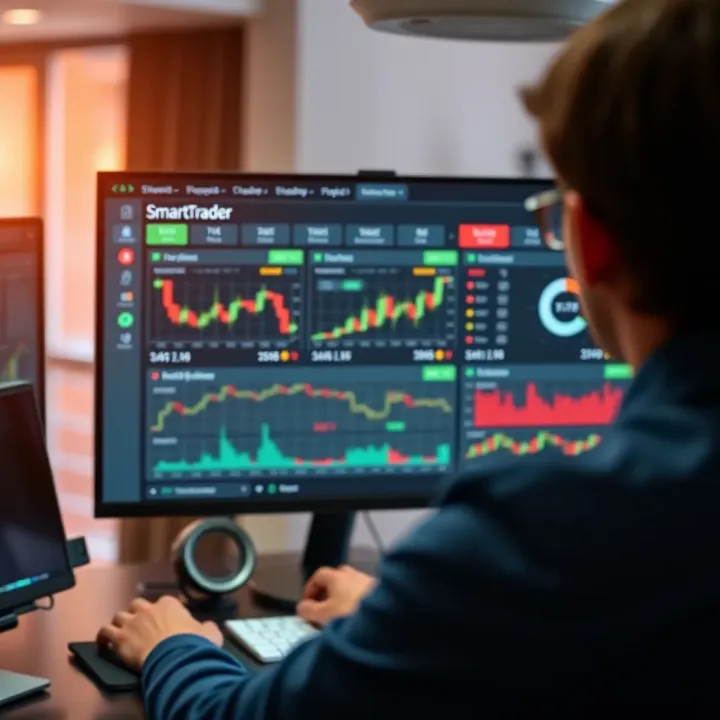
Discover SmartTrader's features, usability, and security ⚡ A clear guide for South African traders to navigate and compare this platform effectively 📊
Based on 13 reviews