

Understanding Option Trading for South African Investors
📈 Learn option trading essentials, strategies, and risk tips designed for South African investors seeking smarter portfolio moves with local market insight.
Edited By
William Turner
Binary option trading platforms offer a straightforward way to speculate on the price movement of assets like shares, currencies, or commodities. South African traders can engage with these platforms via the internet, usually through a desktop or mobile device, making access fairly simple compared to traditional market trading.
At their core, binary options present a simple 'yes' or 'no' proposition: will the asset price rise or fall within a fixed timeframe? If your prediction is correct, you receive a predetermined payout; if not, you lose your stake. This all-or-nothing approach appeals because it keeps the potential outcomes and returns clear from the outset.
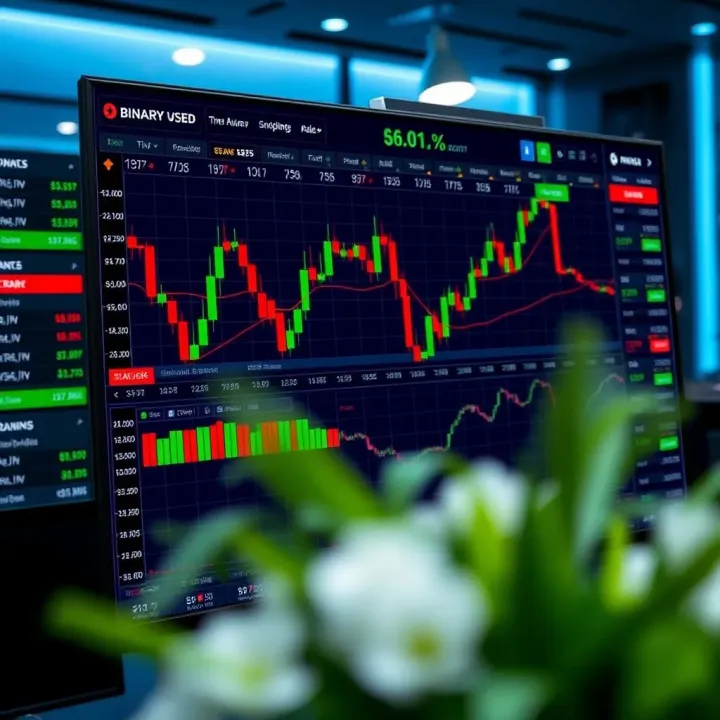
Understanding how these platforms operate is vital. They typically provide real-time charts, expiry times ranging from minutes to months, and a set payout percentage. However, the tempting simplicity masks significant risks, especially if the platform is unregulated or lacks transparency.
South African traders should always verify whether the platform complies with financial regulations and offers transparent terms to avoid falling prey to scams or unfair practices.
When picking a platform, consider:
Regulation: Look for licences from credible authorities like the FSCA (Financial Sector Conduct Authority).
User Interface: Opt for platforms that are easy to navigate, with clear instructions and reliable tools.
Asset Variety: Check if the platform offers a wide range of underlying assets relevant to your trading strategy.
Payouts and Fees: Compare payout ratios and understand any hidden fees before committing.
Additionally, it pays to practise using demo accounts many offer. These let you test strategies and get familiar with the platform without risking real money.
Binary options can serve as a useful addition to a trader’s toolkit but demand cautious engagement due to their speculative nature. This guide will help you weigh the benefits, understand risks, and make informed decisions suited to South Africa’s unique trading environment.
Binary option trading platforms are online software tools that allow traders to speculate on the price movement of various financial assets over a fixed time. Unlike traditional trading, binary options offer a straightforward 'yes or no' outcome: either you predict the price correctly and earn a set payout, or you lose your stake. These platforms have become popular in South Africa and beyond due to their simplicity and quick turnarounds, but understanding how they work is key before diving in.
At the core, these platforms act as the gateway between you and the financial markets. They provide the interface to place trades, access market data, and manage your account. Choosing the right platform can affect everything from your trading costs and ease of use to how well your personal data is protected. Plus, with issues around unregulated platforms, especially in South Africa, knowing what a binary option trading platform entails can help you avoid scams.
A binary option trading platform is an online service where users trade binary options—financial contracts with fixed payouts based on whether a condition about an underlying asset is met at expiry. Unlike share trading, where profit depends on how much the price changes, binary options settle with a fixed win or loss.
Think of it this way: if you bet on whether the price of a share like Sasol will be above a certain price in the next hour, you're making a binary prediction. The platform hosts this bet, accepts your stake, and settles your trade once the expiry comes.
Binary options come in various forms, each with nuances that affect how you trade. The most common type is the up/down (or call/put) option, where you bet on whether an asset’s price will rise or fall by expiry. There are also one-touch options, which pay out if the price reaches a set level before expiry, and range options, where the price must stay within a defined range.
For example, say you predict that the price of the JSE Top 40 index will remain between two levels during the trading day—that's a range option. Each type caters to different trading strategies and risk appetites, so it’s practical to understand them before jumping in.
Payouts in binary options are typically fixed amounts set before you start the trade. If your prediction is correct, the platform pays a predetermined sum, often between 60% and 90% of your stake. If wrong, you usually lose your initial investment, although some platforms offer partial refunds of 5% to 15%.
For instance, if you stake R1,000 on a binary option with an 80% payout and your call option is correct, you get R1,800 back (your R1,000 stake plus R800 profit). Understanding these payout terms helps you calculate potential profits or losses upfront, a practical advantage that simple share trading lacks.
South African traders commonly access binary options on a variety of assets including local shares such as Naspers and Sasol, indices like the FTSE/JSE Top 40, currency pairs (e.g., USD/ZAR), and commodities such as gold and oil. This variety offers flexibility but also requires you to understand different markets' behaviour.
For example, commodity prices might be more volatile during political events affecting supply, while currency pairs can swing with central bank announcements. Knowing the asset's characteristics can guide your trading choices and risk management on the platform.
Understanding how binary option platforms work means you can make informed decisions, identifying which trade types and assets suit your goals and appetite for risk. Always approach trading with clear knowledge and caution.
Binary option trading platforms come with various features that can make or break your trading experience. Knowing what to look for helps you use these platforms effectively and avoid common pitfalls. The right features allow you to make informed decisions, manage your trades efficiently, and stay secure in a market prone to volatility.

A clean and responsive user interface is essential for any trading platform, especially binary options where swift decisions matter. A cluttered or slow platform can lead to missed opportunities or errors. For example, platforms like IQ Option and ExpertOption offer streamlined dashboards where you can easily navigate between assets, expiry times, and payout details without confusion.
Accessibility is equally important. Ideally, the platform should work smoothly on both desktop and mobile devices, considering many South African traders rely on mobile data and smartphones due to connectivity constraints. A well-designed mobile app that functions even on slower connections ensures you can trade on the go, regardless of whether you are in Johannesburg’s busy streets or a more rural setting in the Eastern Cape.
Effective charting and analysis tools give traders a practical advantage by allowing them to spot trends and make better predictions. Rather than simple price tickers, features like candlestick charts, moving averages, and Bollinger Bands help you read market behaviour. Platforms that integrate real-time charts with customisable indicators make it easier for you to respond quickly.
For instance, some platforms offer integration with well-known market information services or provide proprietary technical analysis tools tailored for binary options. This can reduce your reliance on external sites and keep you focused.
Since binary options carry significant risk, good educational content is vital, especially for beginners. Platforms that provide tutorials, webinars, and detailed guides on binary option strategies help users understand market mechanics and risk management.
Take a platform that offers step-by-step videos and downloadable PDFs explaining concepts like expiry times, strike prices, and payout structures. This approach builds trader confidence and reduces impulsive decisions, something especially useful given the rapid nature of binary options.
Trustworthy platforms take security seriously. Look for those with SSL encryption—this ensures your personal details and transactions stay safe from hackers. Regular security audits and compliance with data protection laws like POPIA in South Africa show a platform’s commitment to safeguarding your information.
Two-factor authentication (2FA) is another important feature. It adds an extra layer of protection beyond just a password, making unauthorised access less likely. Knowing your platform prioritises security lets you trade with more peace of mind.
Choosing a platform with the right features is not just about convenience—it’s about protecting your money, understanding your trades better, and making sure you can act fast when it matters.
All these aspects—user-friendly interfaces, useful trading tools, educational support, and strong security—combine to make trading binary options more manageable and safer for South African traders.
Binary option trading offers quick opportunities but comes with significant risks that every trader should understand. Recognising these risks upfront can help you trade smarter and avoid unnecessary losses. This section focuses on the key challenges traders face and practical steps to manage them.
Binary options are high-risk because you bet on an asset's price movement within a short period. The fixed payout might look attractive, but if the market moves against your prediction, you can lose your entire stake. For example, trying to predict the direction of the JSE Top 40 index over a brief time frame can lead to sharp swings due to market volatility, causing sudden and total losses.
Price fluctuations in forex or commodities like gold can be especially fast and unpredictable, making it risky if you don’t keep a close eye on trends and news. Losses can pile up quickly, particularly if you’re trading with large sums or without a solid strategy.
Unfortunately, the rise of binary options trading has attracted unscrupulous operators. Many unlicensed platforms entice South African traders with promises of guaranteed returns or insider tips, only to disappear with deposits or manipulate trades to traders’ disadvantage. Fake platforms often mimic reputable brands or use aggressive online ads targeting vulnerable individuals.
For instance, some scammers use persuasive cold calls or social media ads claiming to be investment advisors, encouraging deposits to risky or fake accounts. This creates huge losses for traders who might not spot red flags in time.
Reliable binary trading platforms today usually offer risk management tools to protect traders. Features like "stop-loss" orders or partial trade refunds can reduce exposure when predictions go wrong. Although binary options are all-or-nothing by nature, some platforms allow you to close a trade early at a smaller loss.
These tools help you lock in profits or limit damage rather than waiting for the expiry and losing everything. For example, if petrol prices suddenly spike, you might cut your trade short rather than facing a full loss at expiry.
Another practical approach to managing risk is using limits and alerts. Most platforms let you set daily loss limits or maximum trade amounts, which helps prevent reckless trading when things don’t go your way. Alerts notify you when your account balance hits certain thresholds or if markets are behaving unusually.
These features support discipline by keeping emotions in check. A trader might decide to stop trading for the day after a set loss limit, avoiding what’s called "chasing losses" — a common pitfall that leads to bigger trouble.
Staying aware of the risks and using platform tools to manage them is the best way to avoid heavy losses in binary options. Always trade responsibly and keep your emotions out of it.
Taking a clear-eyed view of risks while applying sensible limits goes a long way towards safer, more successful binary trading in the South African market.
South Africa’s regulatory framework shapes how binary option trading platforms operate locally. This environment aims to protect traders from fraud while promoting transparency and fair play within the financial markets. Understanding the regulatory landscape helps traders distinguish legitimate platforms from potentially risky operators, especially since binary options often attract unscrupulous vendors.
The Financial Sector Conduct Authority (FSCA) is the primary watchdog overseeing financial services in South Africa. It regulates entities offering financial products, including binary option platforms, to ensure adherence to stringent standards. The FSCA focuses on protecting consumers by enforcing rules against misleading marketing, unfair trading practices, and inadequate disclosures.
For example, the FSCA issues warnings when unlicensed platforms target South African traders and takes enforcement action when necessary. It also guides trading platforms to comply with the Financial Advisory and Intermediary Services (FAIS) Act, which requires brokers to act honestly and provide clear client information.
Before committing funds to a binary option platform, verifying its credentials is essential. Traders should look for a valid FSCA licence displayed on the site or within official documents. The FSCA’s public register lists authorised firms, making it practical to cross-check a platform’s legitimacy. Licensed platforms are generally more trustworthy since they must meet capital requirements, client fund protection protocols, and conduct standards.
Beware of websites that claim to be FSCA regulated but lack clear evidence or provide suspicious licence numbers. South African traders encountering such cases should report them to the FSCA promptly to avoid falling victim to scams.
Binary options have often been associated with high risk and fraudulent schemes worldwide, prompting the FSCA to caution traders explicitly. The FSCA sometimes issues alerts about specific offshore platforms operating illegally within South Africa. These warnings help traders avoid unregulated entities and highlight the legal risks of trading on such sites.
Additionally, the FSCA restricts unlicensed financial services advertising targeting South African residents. This approach limits exposure to misleading promotions promising unrealistic returns. Traders should take heed of these warnings and deal only with platforms that clearly comply with South African financial laws.
Understanding South Africa’s regulatory environment thus provides a solid foundation for safer binary option trading. Relying on the FSCA’s oversight and verifying platform licences can protect your investments and bring peace of mind.
Picking the right platform can make all the difference when trading binary options. The desktop or mobile interface, reliability, costs, and payment options all impact your experience and potential profits. Choosing carefully not only reduces the risk of falling into traps but also makes trading smoother and more transparent.
Before committing to any platform, check its reputation among users and traders. Reviews offer insights beyond fancy marketing—they may point out delays in withdrawals, poor customer service, or technical glitches. For example, a platform with numerous complaints about slow payout processing is a red flag. In South Africa, traders often rely on forums or local fintech blogs to gauge a platform’s track record, which helps avoid unreliable operators.
Fees vary widely between platforms and can severely impact profitability. Look closely at deposit fees, trading charges, and withdrawal costs. Some platforms hide high fees in withdrawal conditions, such as minimum amounts or limited free withdrawals per month. For instance, a platform might have zero deposit fees but charge R50 per withdrawal, eating into your earnings. Understanding these terms upfront saves surprises and helps you choose the most cost-effective platform for your trading style.
South African traders face a choice between homegrown platforms and international ones. Local platforms may offer more relevant payment options, customer support tailored to South African laws, and transactions in Rand (R). On the other hand, international platforms might provide access to a broader range of assets but can have currency conversion fees and less responsive support. A local trader might prefer a platform like Evest, which supports Rand deposits and withdrawals, versus an international site charging fees for converting USD to Rand.
Convenience in funding your account matters. Popular local methods include EFT (electronic funds transfer) through South African banks, instant payments via mobile apps like FNB eWallet, or even SnapScan. Platforms accepting multiple payment options tend to attract more users. Moreover, trading in Rand eliminates the extra step and cost of currency conversion, which can be a major bonus for South African traders concerned about exchange rates fluctuations.
Choosing a platform with clear fees, good reputation, and suitable payment methods protects your capital and gives you peace of mind while trading.
By giving these factors due attention, you can avoid common pitfalls and select a binary options platform that suits your needs and preferences better.
📈 Learn option trading essentials, strategies, and risk tips designed for South African investors seeking smarter portfolio moves with local market insight.

Explore top option trading platforms in South Africa 🇿🇦, understand regulations, compare features, and get beginner tips to trade options confidently 📈🔍.

📈 Learn how to trade crypto safely in South Africa with practical tips on local platforms, risk control, tax rules, and security to trade smarter and confident.

📊 Explore binary trading platforms in South Africa: how they work, what to check, risks involved & practical tips to trade safely and confidently today.
Based on 15 reviews