
Robots in Forex Trading: A Guide for South African Traders
🤖 Discover how forex trading robots work, their pros and cons, key features, and tips for South African traders to pick and use automated systems wisely.
Edited By
Charlotte Reed
Mobile trading robots have become a practical tool for traders looking to automate their market moves using smartphones or tablets. These software programmes execute trades automatically based on pre-set criteria, freeing up traders from constant screen-watching.
At their core, mobile trading robots analyse market data like price signals, volume, and technical indicators. They apply programmed rules to decide when to buy or sell, often within milliseconds. This rapid response can help capture profits or limit losses more effectively than doing so manually.
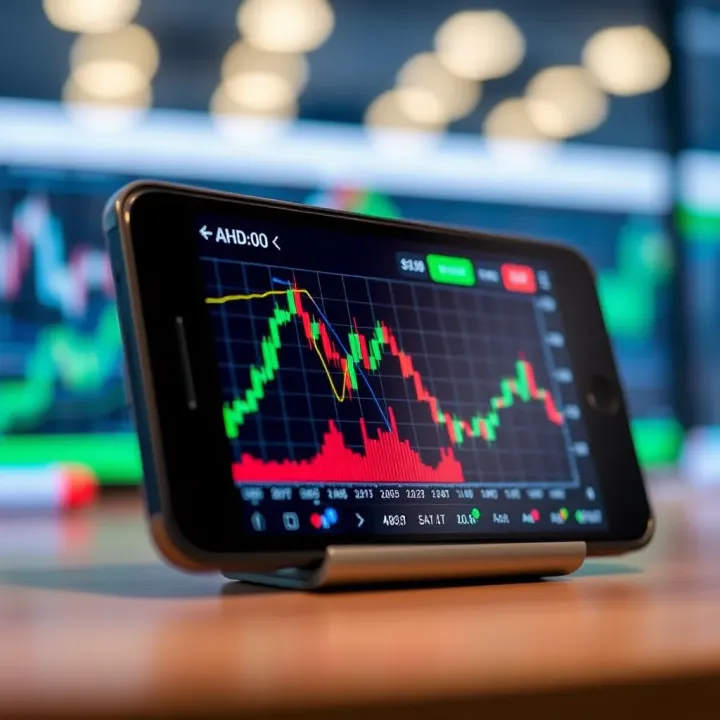
In South Africa, these robots are accessible through several popular platforms including MetaTrader 4 and 5, which many brokers support. Local traders can use these apps on their mobile devices to manage portfolios anytime, anywhere—even when contending with load shedding or patchy internet connectivity. The ability to trade on the go adds flexibility, especially for those juggling full-time jobs or running other businesses.
Key advantages include reduced emotional bias and the capacity to back-test strategies on historical data. Traders also gain the benefit of round-the-clock monitoring since robots don’t need breaks or sleep. However, automated trading is not without risks. Market volatility, unexpected events, or poorly designed algorithms can lead to steep losses. That means understanding how the robot’s strategy aligns with your investment goals is essential.
Remember: no robot or software can guarantee consistent profits. Treat mobile trading robots as tools rather than magic wands.
Before adopting a mobile trading robot, consider factors such as:
The complexity of its settings versus your level of experience
Compatibility with your preferred brokers and platforms
Costs involved, including subscription fees or commissions
Safety of your personal and financial data
Understanding the regulatory landscape is also vital. The Financial Sector Conduct Authority (FSCA) oversees trading activities in South Africa, ensuring brokers and trading tools adhere to local rules. Using FSCA-licensed services can provide a layer of protection.
In summary, mobile trading robots offer South African traders a blend of convenience and automation. When chosen wisely and used with proper risk management, they can form a valuable part of a modern trading approach.
Understanding how mobile trading robots work is vital for anyone looking to automate their trading strategies effectively. These robots use technology to analyse market data and execute trades without the need for constant manual oversight. This capability allows traders to respond swiftly to market changes that often happen in seconds, especially in volatile markets like forex or cryptocurrency.
Algorithm-driven decision making lies at the core of mobile trading robots. These algorithms are sets of rules and calculations designed to interpret market signals and decide when to buy or sell. For example, a robot might follow a moving average crossover strategy, where it buys once a short-term average crosses above a longer-term average and sells when the opposite occurs. This systematic decision-making removes guesswork and emotional biases that often affect human traders.
Integration with trading platforms is another critical aspect. Mobile trading robots connect directly to trading platforms via APIs (application programming interfaces). This connection allows them to access live market data and execute orders instantly. For instance, many brokers in South Africa like IG or Plus500 offer their own APIs that robots use to interact seamlessly, ensuring trades aren't delayed or lost.
Mobile accessibility and connectivity requirements mean these robots run on smartphones or tablets, relying heavily on reliable data connections. Given variable mobile network coverage across South Africa, it's crucial that traders use connections like 4G or stable Wi-Fi for uninterrupted robot operation. Without steady connectivity, the robot might miss critical market moves or fail to execute trades, which can lead to losses.
Fully automated trading robots handle the entire trading process—from analysing markets to placing trades and managing risk—without human intervention. This hands-off approach suits traders who prefer to set strategies and let the robot run 24/7. A practical example is a forex robot programmed to scalp small profits throughout the day using high-frequency trades.
Semi-automated or assisted trading bots still require human input for final decisions or adjustments. These bots handle routine tasks like scanning for trade signals but wait for the trader's approval before executing orders. This approach offers a balance, letting traders retain control while benefiting from automation's speed and data crunching.
Signal providers and copy trading apps work differently. Rather than executing trades themselves, signal providers send trade suggestions based on expert analysis or algorithmic outputs. Copy trading apps enable users to replicate the trades of successful investors automatically. In South Africa, apps like eToro enable this social trading aspect, letting novices piggyback on more experienced traders' moves with their mobiles.
Mobile trading robots blend technology with accessibility, offering traders tools to act swiftly and efficiently. However, understanding their function and types helps tailor automation to individual preferences and market conditions.
This section offers practical clarity on how these technologies operate and interact with South African trading environments, helping traders decide which options fit their style and needs best.
Mobile trading robots have become a valuable tool for traders in South Africa, offering distinct advantages over manual trading methods. Their ability to operate through mobile devices means traders can stay connected to markets wherever they are. This section explores how these tools bring convenience, speed, efficiency, and emotional discipline into trading.
One of the big draws of mobile trading robots is being able to execute trades without being tied to a desktop. For example, a trader catching the Gautrain or taking a break at a café in Johannesburg can keep an eye on the market through their smartphone app. This flexibility means opportunities don't get missed simply because of being away from the office. The robot runs the analysis and acts instantly, allowing the trader to adjust strategies in real time with just a few taps.
Moreover, mobile-compatible robots often come with notifications or alerts, keeping the user updated about significant price swings or trade executions. In South Africa, where data costs remain a consideration, many of these apps are optimised to use minimal data, ensuring accessibility across different networks.
Markets operate nearly around the clock, especially with forex and crypto trading popular in South Africa. Mobile trading robots can be set to monitor market conditions continuously without the trader needing to be present. This constant vigilance means that trades can be triggered at unusual hours, such as early mornings or during weekends when manual monitoring would be impractical.

This capability is particularly useful for part-time traders who hold other jobs or commitments, ensuring they don't miss out due to lack of time. The software can scan multiple markets and pairs simultaneously, a task nearly impossible to maintain manually, enabling more comprehensive coverage.
Unlike humans, robots react immediately when preset conditions are met. For instance, if a stock listed on the JSE hits a particular price or a currency pair crosses a threshold, the trading robot can instantly execute the corresponding buy or sell order. This swift action is crucial in volatile markets where delays can lead to missed profits or bigger losses.
Speed also means the robots reduce slippage, which happens when the price changes between order placement and execution. This precision improves the chances of sticking closely to the trader’s intended strategy and risk management plans.
Trading often involves emotional decisions, especially under pressure or after a few wins or losses. Mobile trading robots stick to logic-based rules without falling prey to fear, greed, or impatience. This detachment ensures trades follow a consistent approach, reducing impulsive decisions.
In South Africa, where sudden market movements can be driven by local news such as changes in interest rates by the SARB or political developments, keeping emotions in check is vital. By automating entries and exits based on objective data, traders can avoid rash choices that might otherwise result from short-term market noise.
Traders using mobile trading robots benefit from combining flexibility with disciplined executions, helping them navigate complex market dynamics with more confidence and less stress.
Overall, these advantages make mobile trading robots a useful addition for many traders, provided they are used thoughtfully alongside good risk management and due diligence.
Using mobile trading robots promises ease and automation for traders, but it’s not without its pitfalls. Understanding the common risks and challenges can help you manage expectations and avoid costly mistakes. These robots depend heavily on technology and market knowledge, so technical glitches or poor choices can easily wipe out gains.
Connectivity and server downtime pose a serious concern for mobile trading robots. Since these systems rely on constant data feeds and swift execution, any interruption—be it due to a shaky mobile network, local internet outages, or server maintenance at the provider’s end—can delay orders or halt trades altogether. Imagine your robot signals a buy order just as the market shifts, but your mobile data drops to zero or the broker’s server is offline; your chance to act evaporates instantly, possibly leading to missed profits or bigger losses.
Additionally, certain South African traders might suffer more when networks like MTN or Vodacom experience outages, especially outside metropolitan areas. This makes having a stable internet connection and backup plans crucial for smooth trading.
Software bugs and malfunctioning robots also compromise reliability. No software is perfect, and quirks in algorithms or programming errors can cause robots to make bad calls or freeze during critical moments. For instance, a known bug might ignore stop-loss settings, holding onto a losing position longer than intended. Since mobile trading robots run on apps or cloud platforms, updates or changes may introduce new faults unexpectedly. Hence, selecting robots with solid track records, regular maintenance, and user support is a must.
The potential for significant losses looms large when relying on mobile trading robots. Even the best software can’t eliminate risk; the markets fluctuate unpredictably, and algorithmic models sometimes fail in extreme conditions. A bot might open multiple positions based on flawed signals, draining your account quicker than you expect. Especially if the robot trades with high leverage, small market moves can escalate into big losses. South African traders should therefore set strict risk limits and start with minimal funds.
Scams and unregulated providers present another serious hazard. The rise in popularity of mobile trading robots has attracted dubious operators promising unrealistic returns. These scams can range from fake robots that simply don’t execute trades to phishing attempts aiming to steal personal and banking details. Since the Financial Sector Conduct Authority (FSCA) regulates financial products in South Africa, dealing only with FSCA-licensed brokers and verified robot providers reduces exposure to fraud. Always check registration and reviews before handing over money or sensitive info.
Avoid rushing into deals that sound too good to be true or platforms without a clear regulatory footprint; trading robots work best when combined with due diligence and caution.
By understanding and preparing for these risks, traders can make better choices when integrating mobile trading robots into their strategy, making automation less of a gamble and more of a tool.
Mobile trading robots have steadily gained traction among South African traders, largely because they combine automation with the flexibility of mobile access. This makes them particularly suited for local traders who want to react quickly to market moves without being tied down to a desktop setup. Understanding which mobile trading platforms and robots are dependable and regulated is key to avoiding pitfalls and maximising gains in South Africa’s volatile markets.
Several reputable brokers in South Africa now offer mobile trading robots integrated within their platforms. These brokers generally operate under the supervision of the Financial Sector Conduct Authority (FSCA), which ensures a baseline of consumer protection and transparency. Examples include IG Markets, Plus500, and EasyEquities—all of which provide mobile apps that support automated trading strategies, either through built-in robots or third-party robot software.
Having access to robots through these regulated brokers reduces the risk of scams, a common worry in the local trading community. Traders can verify broker licences on the FSCA website to confirm their standing. Using a regulated platform also means access to dispute resolution mechanisms, which are invaluable should any issues arise.
Payment integration is another crucial factor. Regulated platforms typically offer payment options compatible with South African methods such as EFT (electronic funds transfer), EFT instant payments, credit cards, and local e-wallets. This ensures seamless funding of trading accounts and swift withdrawals, avoiding the headaches of international transfers or currency conversion delays.
When it comes to robot features, South African traders have shown favourable responses to apps like MetaTrader 4/5 and Zulutrade, both widely used globally and locally. These platforms support automated trading through Expert Advisors (EAs) and copy trading. Users appreciate their ability to backtest strategies, set stop-loss levels, and customise trade parameters.
User reviews often highlight ease of use, robust security, and quick execution speeds as key strengths. Some caution comes with understanding that robots are tools, not guaranteed profit machines, so managing settings actively remains important.
Local mobile network compatibility also plays a part in user experience. South Africa’s main providers—Vodacom, MTN, Telkom, and Rain—generally support trading app functionality without lags or disruptions, especially in urban centres. Traders in more rural areas might notice slower data connections affecting real-time data feeds. Having a reliable mobile data plan with sufficient data bundles helps maintain uninterrupted trading robot performance.
Using a mobile trading robot on a regulated platform, supported by trusted local payment methods and stable mobile networks, greatly improves the chances of a satisfactory and secure trading experience.
In short, South African traders should prioritise regulated brokers offering mobile robots, check user reviews for real-world reliability, and ensure compatibility with their mobile network and payment preferences before committing capital.
Choosing the right mobile trading robot doesn't just improve your profits—it helps you avoid common pitfalls that could cost you dearly. Knowing what to look for and how to use these tools safely is key, especially in South Africa’s fast-moving markets where volatility and unexpected events like loadshedding can affect trading.
A mobile trading robot’s track record should be clear and verifiable. You want to see detailed reports on past performance, including both winning and losing trades. For instance, a robot boasting consistent profits in demo accounts but lacking real trading evidence might raise red flags. Some providers share live results through third-party sites to support their claims. Transparency about strategy and risk levels is equally important — if a robot communicates openly about its approach and potential downsides, it builds your trust.
In South Africa, the Financial Sector Conduct Authority (FSCA) regulates brokers and financial service providers, including those offering automated trading solutions. A trustworthy mobile trading robot should be offered by an FSCA-licensed broker or provider. This licensing confirms the company meets minimum standards designed to protect traders from scams, fraud, and unfair practices. Always check the FSCA register to verify compliance. Below-the-radar providers without licences can put your capital at risk and often lack accountability.
Before risking real money, trial a mobile trading robot on demo platforms. Demo accounts let you test how the robot reacts to market movements in real time without financial exposure. This approach is essential to familiarise yourself with its behaviour during volatile periods common in SA markets. Many top brokers and apps cater for this, offering demo access for weeks or months. For example, you might discover that a robot performs well on historical data but struggles during sudden news events — something you'd rarely spot otherwise.
Even the smartest robots don’t set-and-forget. Monitor your automated trades regularly to ensure the bot aligns with your financial goals and market conditions. Adjust risk levels, trade sizes, or specific parameters as needed. The SA markets’ unique volatility, influenced by local economic updates or Eskom load shedding stages, means a robot performing well last month might need tweaking today. Regular oversight helps spot unexpected behaviour or technical glitches early.
Automated trading doesn't guarantee quick wins or huge profits overnight. Mobile trading robots are tools to aid decision-making but rely on market conditions and strive to manage risks. Expect steady, manageable growth rather than sudden spikes. For example, a robot claiming returns of 20% monthly should be met with caution, as such figures often come with high risk. Setting realistic goals prevents disappointment and helps you stay disciplined, which ultimately benefits your long-term trading journey.
Remember: The right mobile trading robot combined with cautious steps can be a practical ally—not a magic wand—in your trading adventure. Approach with eyes open and hands steady on the helm.
Regulation plays a key role in shaping how mobile trading robots operate within South Africa’s financial markets. Since these robots often handle real money and execute trades automatically, traders need assurance that the systems and brokers they use follow strict rules designed to protect investors and maintain market integrity. Understanding local regulatory requirements helps traders avoid scams and keeps the focus on legitimate, compliant platforms.
The Financial Sector Conduct Authority (FSCA) is South Africa's watchdog for financial services, including those linked to trading and investment platforms. Brokers and providers of trading robots must secure FSCA approval before offering their services legally in the country. This licensing process ensures they meet standards such as capital adequacy, operational transparency, and proper risk management.
For example, if you consider using a trading robot through a broker, it’s wise to check whether the broker and the robot provider are FSCA-licensed. This is not merely bureaucratic red tape—such regulation safeguards your funds and holds providers accountable to consumer protection laws.
Beyond licensing, the FSCA enforces measures to protect consumers from unfair practices, such as misleading advertising or unauthorised trading activity. These include enforcing disclosure requirements and maintaining transparent communication channels. The FSCA also maintains complaint mechanisms where traders can report suspicious or fraudulent behaviour connected to mobile trading endeavours.
Before trusting a mobile trading robot, traders should verify the provider’s compliance by consulting the FSCA’s official registers. These publicly accessible lists confirm whether brokers and financial services providers hold valid licences. Checking these registers regularly is a simple yet effective first step towards avoiding unregulated entities.
Always cross-check the robot provider’s details against the FSCA register. This step can save you from falling prey to scams or rogue operators who might disappear overnight with your investment.
Traders should also be alert to common red flags such as promises of guaranteed returns, pressure to commit funds quickly, or lack of clear contact information. If a mobile trading robot or broker is not transparent about their licence or history, proceed with caution. Reviews and user feedback from trusted South African financial forums or platforms can offer insight but should not replace formal verification.
Keeping informed about FSCA warnings and news updates can also alert traders to broader industry risks and suspicious providers. This vigilance strengthens your ability to use mobile trading robots safely in South Africa’s dynamic but challenging trading environment.
🤖 Discover how forex trading robots work, their pros and cons, key features, and tips for South African traders to pick and use automated systems wisely.
Explore how Robotrader APK works, install it safely, and get tips tailored for South African traders. Learn risks and benefits for smart trading 📈🇿🇦
🔐 Step-by-step guide for South African traders on Quotex login, covering setup, security tips, troubleshooting, and managing your account smoothly.
Explore RCG Markets bonuses 📈, from types to eligibility, how to claim, and what South African traders should know before using them. Get informed today!
Based on 10 reviews