

A Practical Guide to Crypto Trading in South Africa
📈 Learn how to trade crypto safely in South Africa with practical tips on local platforms, risk control, tax rules, and security to trade smarter and confident.
Edited By
Henry Lawson
Indice trading offers a way to invest in the overall movement of a group of stocks or assets instead of picking individual shares. In South Africa, this method can be particularly useful for spreading risk and keeping things simple amid local market fluctuations and economic events.
An index tracks a set of companies, usually within a sector or representing the broader market. The JSE Top 40 is an example of a popular South African index that measures the performance of the 40 largest companies listed on the Johannesburg Stock Exchange. Instead of buying shares in each company, you trade the index, which reflects their collective price movements.

Trading indices can be done through derivatives like futures and options, or exchange-traded funds (ETFs) that follow the index’s performance. For instance, the Satrix 40 ETF mimics the JSE Top 40, letting investors gain exposure without the hassle of managing multiple shares.
Indices simplify diversification and reduce the need for constant monitoring of individual stocks, making them attractive for both beginner and seasoned traders.
South African traders should keep in mind the influence of factors such as currency strength, global commodity prices, and local economic policies on indices. For example, Eskom's loadshedding schedule often impacts market sentiment and consequently index movements, particularly in sectors like industrials and utilities.
Practical examples:
If you're bullish on South Africa’s top blue-chip firms but want to avoid company-specific risks, trading the JSE Top 40 index can be a way to capture broader market gains.
Use leveraged products cautiously, as the volatility of indices can multiply losses quickly, especially in a market affected by fluctuating commodity exports like platinum and gold.
This guide will breakdown how indices work, practical strategies suited for South African conditions, and the risks to watch for. Understanding these basics can position you better to navigate the local investment environment with confidence and clarity.
Grasping what market indices are and how they work forms the bedrock of successful indice trading. Indices represent baskets of stocks or assets, acting as barometers of broader market or sector health. By tracking these, traders get a snapshot of market movements without sifting through individual shares.
Indices give a quick, consolidated view of how segments of the market perform over time. For example, if the JSE Top 40 index rises, it implies that the largest 40 companies listed are generally doing well. This helps investors judge if the market is bullish or bearish without analysing each stock separately. Practical relevance comes when deciding whether to enter or exit positions — if the index you follow trends upward steadily, that might indicate a good time to invest.
There are different flavours of indices, each reflecting a slice of the market. Equity indices track shares, such as the FTSE/JSE All Share index, which covers a wide range of South African companies. Commodity indices follow raw materials like gold or platinum, important in SA’s economy given our mining sector. Bond indices monitor fixed income securities, which can offer steadier returns in volatile markets. Knowing these types equips traders to pick indices aligned with their risk appetite and investment goals.
Indices aren’t all calculated equally. A price-weighted index, like the Dow Jones in the US, places more importance on higher-priced stocks irrespective of company size. Meanwhile, market-cap weighted indices, common in SA like the JSE Top 40, weigh stocks by their market value (shares outstanding multiplied by price). This means larger companies have more say in the index’s movement. For a trader, this affects strategy: big companies moving sharply will sway the index more than smaller players.
Indices routinely update which stocks they include to keep representation fresh. When a company grows to outshine another, it may enter the index while a weaker stock drops out. Such changes can cause temporary volatility. For instance, adding a fast-growing technology firm replacing a lagging industrial can shake the index's direction. Traders should watch rebalancing dates closely, as these can create trading opportunities or risks.
This index tracks the 40 largest companies by market cap listed on the Johannesburg Stock Exchange. It’s the go-to benchmark for many SA investors who want exposure to blue-chip shares like Naspers, Anglo American, or Sasol. Its liquidity and representation make it popular for both long-term investing and short-term trading. Because it leans heavily on mining and financial sectors, understanding these industries helps anticipate index moves.

Broader than the Top 40, this index covers nearly all listed shares on the JSE. By reflecting the overall market rather than just top stocks, it’s useful for diversification-focused traders. Movements here tend to be less volatile since smaller companies balance out swings from the giants.
South African traders also access global indices like the S&P 500 or FTSE 100 through brokers offering offshore trading. These provide exposure to different economies and industries, balancing local risks. For example, when local mining stocks slow down due to commodity prices, US tech stocks might rally and smooth portfolio performance.
Understanding indices isn’t just about numbers; it’s knowing what those numbers represent in the real economy, especially within South Africa’s unique market landscape. This insight can make all the difference in your trading decisions.
Trading indices lets investors gain exposure to the overall market or specific sectors without buying each share individually. It simplifies diversification and provides various ways to speculate or hedge, whether you’re a short-term trader or a longer-term investor.
Index futures and options are derivative contracts giving the right or obligation to buy or sell an index at a future date. Futures are commonly used by traders who want to speculate on market direction or hedge stock portfolios. For example, a trader expecting the JSE Top 40 to rise might buy a futures contract to profit from that move without owning the underlying shares. Options add flexibility by allowing the purchase of rights without obligation, making them useful for hedging risks.
Exchange-traded funds (ETFs) that track indices offer a straightforward way to invest in index performance. ETFs like the Satrix 40 bundle shares from the JSE Top 40 and trade like stocks on the exchange. This approach is great for investors who want market index exposure but prefer the simplicity of buying units on the JSE rather than dealing with complex derivatives.
Contracts for difference (CFDs) let traders speculate on index price movements without owning assets. They are popular for short-term trading due to their leverage and ability to go long or short. South African traders often use CFDs to trade indices such as the FTSE/JSE All Share. However, CFD trading involves higher risk, and brokers usually require margin, making it essential to manage risk carefully.
Broker platforms offering indice trading range from local firms like EasyEquities to international players such as IG or Plus500. These platforms provide access to various index instruments including futures, ETFs, and CFDs. Ease of use, fees, and availability of trading tools differ, so it's worth comparing before committing to one. For example, EasyEquities offers low-cost ETFs for beginners, while international brokers might provide advanced tools for derivatives.
Regulatory considerations including FSCA compliance are important for South African traders. The Financial Sector Conduct Authority (FSCA) oversees financial markets ensuring brokers operate fairly and transparently. Trading with FSCA-regulated brokers protects you against fraud and malpractice. Additionally, compliance with South African tax laws on profits from indice trading is necessary, so it helps to keep records of trades and consult a tax advisor.
Trading indices in South Africa offers several routes—from simple ETF investing to more complex futures and CFD strategies. Understanding the instruments and choosing regulated brokers helps manage risks and take advantage of market opportunities.
Trading indices is not just about jumping on market moves; it requires solid strategies to navigate the often unpredictable swings. For South African traders, understanding key approaches can make a significant difference in managing risks while enhancing gains. Strategies like trend following, momentum tactics, hedging, and combining analysis techniques all play a part in crafting a balanced trading plan.
Using moving averages helps traders spot trends by smoothing out price data over specific time frames, such as the 50-day or 200-day moving averages. When the price crosses above a moving average, it might signal the start of an upward trend, while a cross below could indicate the opposite. For instance, a trader monitoring the JSE Top 40 index might enter a position when the 50-day moving average crosses above the 200-day average—often called a "golden cross"—signalling positive momentum.
Identifying breakout opportunities involves watching for prices moving beyond established support or resistance levels. When an index closes above a resistance level on high volume, it can suggest strong buying interest and a potential surge ahead. Say, the FTSE/JSE All Share index breaks through a historical high; traders might see this as a cue to jump in before the move gains steam. However, it's wise to confirm breakouts with additional indicators to avoid false signals.
Balancing risk with index exposure means using indices to protect your portfolio against volatility in individual shares. For example, if you hold several shares in the retail sector, taking a short position on a relevant index or using index options can help offset potential losses during a downturn. This approach is especially handy during periods of economic uncertainty in South Africa when specific sectors might be hit harder.
Combining indices with individual stocks and assets allows traders to diversify while still targeting growth. You might allocate part of your investment into the FTSE/JSE All Share index for broad market exposure and the rest in selected blue-chip stocks or even commodities like gold or platinum, benefiting from South Africa’s mining strength. This mix can smooth returns and provide buffers against sector-specific shocks.
Chart patterns and indicators offer visual clues to future price moves. Patterns such as head and shoulders or double tops on index charts can warn of potential reversals, while indicators like the Relative Strength Index (RSI) or MACD help gauge momentum and overbought or oversold conditions. A savvy trader looking at the JSE Top 40 might notice a bullish divergence on the RSI, signalling a possible upswing.
Impact of economic data and corporate earnings should not be overlooked. Indices respond to macroeconomic factors like inflation rates, interest rate decisions by the South African Reserve Bank (SARB), and employment figures. Corporate earnings from major index constituents – say, a strong results season from mining giants like Anglo American – can push the entire index upwards. Keeping an eye on these releases helps anticipate index moves beyond just price action.
Successful index trading in South Africa blends these strategies with disciplined risk management to navigate both local and global market influences confidently.
Trading indices isn't without its pitfalls. Understanding the risks and potential limitations can save you from losing more than you bargained for. Unlike individual stocks, indices represent a basket of assets, so their price moves reflect broad market sentiment. But that doesn’t mean they’re immune to sudden shocks or hidden costs. Knowing what to watch out for ensures you’re better placed to manage your investments wisely.
Indices tend to mirror the overall mood in the economy. During times of economic uncertainty, like when inflation spikes or political tensions rise, indices can swing wildly. For example, the JSE Top 40 might drop sharply if foreign investors pull out, reflecting broader concerns rather than the fate of any single company. This makes timing and risk management critical, as sharp moves can quickly wipe out gains and spark emotional reactions in traders.
Volatility indices, often called "fear gauges," track expectations of future fluctuations. The South African Volatility Index (SAVI), for instance, provides insight into market jitters surrounding the JSE. Traders use these indices to decide when to pull back or press forward. A rising SAVI usually hints at growing unease among investors, which might prompt you to tighten stops or consider hedging strategies.
Spreads—the difference between buying and selling prices—can vary notably across indices and brokers. If you trade something like the FTSE/JSE All Share through a platform with wide spreads or high commissions, your potential profits shrink. It’s especially relevant during off-peak hours when liquidity thins and spreads tend to widen, meaning you pay more to enter and exit trades.
Local conditions also play a role. Because South African markets operate mainly during SAST hours, trading indices tied to international markets outside these times may present higher costs or limited access. For instance, trading US indices from Johannesburg in the middle of the night can incur additional overnight fees or face liquidity challenges. Being mindful of these factors helps avoid unnecessary expenses and ensures smoother trades.
Trading on margin means borrowing money to increase your exposure. While this can magnify profits, it also multiplies losses. A small adverse move against your position can force a margin call, demanding extra funds or triggering automatic liquidations. Many traders underestimate this risk, ending up with debts they didn’t expect.
South African financial regulators, such as the Financial Sector Conduct Authority (FSCA), set limits on leverage to protect traders from excessive risk. These rules typically cap leverage ratios on retail trades, balancing opportunity and exposure. Always check your broker’s compliance and internal policies before engaging, since trading with regulated leverage levels can prevent nasty surprises.
Remember: Indices offer diversification and broad market exposure, but risks like volatility, liquidity cost, and leverage require careful management to trade successfully in South Africa’s markets.
Trading indices offers a practical way to gain exposure to the overall market without picking individual stocks. For South African traders, understanding how to approach this asset class can yield better outcomes and lower risks. Applied tips help bridge theoretical knowledge with real-world trading, especially given factors like local broker options, market conditions, and risk management.
When picking between local and international brokers, consider the trade-off between accessibility and variety. Local brokers, like Standard Bank Online Trading or PSG, often understand the nuances of the JSE and South African regulations. Their platforms may offer easier deposit and withdrawal in Rand and often comply with the Financial Sector Conduct Authority (FSCA) requirements, ensuring safer trading within the local legal frame.
International brokers—such as IG or Plus500—tend to provide access to a wider variety of global indices and advanced trading tools. However, withdrawing funds can sometimes involve higher fees or currency conversion costs. South African traders should check if the broker supports Rand accounts to avoid exchange rate surprises.
Important features to look for in a trading platform include real-time pricing, reliable order execution, and transparent fee structures. Platforms offering mobile apps with intuitive interfaces, stop-loss capabilities, and detailed charting tools add convenience and help make informed decisions. For example, a trader using EasyEquities benefits from lower fees and easy access to ETFs tracking indices like the FTSE/JSE All Share.
Using stop-loss and take-profit orders can protect your capital against sudden market swings. A stop-loss order automatically closes your position if the index falls below a certain level, limiting losses. Conversely, take-profit orders lock in gains when a target price is reached. For instance, if you trade the JSE Top 40 index and expect a 3% gain, setting a take-profit order ensures you don’t miss locking in that profit when the market turns.
Position sizing is another key method to manage risk. Assigning only a small portion of your trading capital to each trade prevents any single move from wiping you out. A common rule of thumb is risking no more than 1-2% of your total capital per trade. So, if you have R50,000, you would limit your loss to R500–R1,000 per position. This practical check keeps things manageable during volatile spells, like Eskom-related jitters affecting the JSE.
Staying informed requires tracking both local and global news sources. South Africans can rely on platforms such as BusinessDay, MyBroadband, and Moneyweb for market updates and insights into JSE movements. International news from Bloomberg or Reuters helps you gauge how global economic events, like changes in the US Federal Reserve policies or oil price shifts, influence local indices.
Monitoring macroeconomic indicators gives clues about where indices might head next. For example, unemployment figures, inflation rates, and retail sales data in South Africa all affect investor sentiment and index performance. Keeping an eye on SARB (South African Reserve Bank) announcements and currency trends is wise too, as these often cause ripple effects across financial markets.
In the end, combining smart broker choices, disciplined risk strategies, and staying informed forms the backbone of successful indice trading, especially in South Africa’s unique market environment.
📈 Learn how to trade crypto safely in South Africa with practical tips on local platforms, risk control, tax rules, and security to trade smarter and confident.
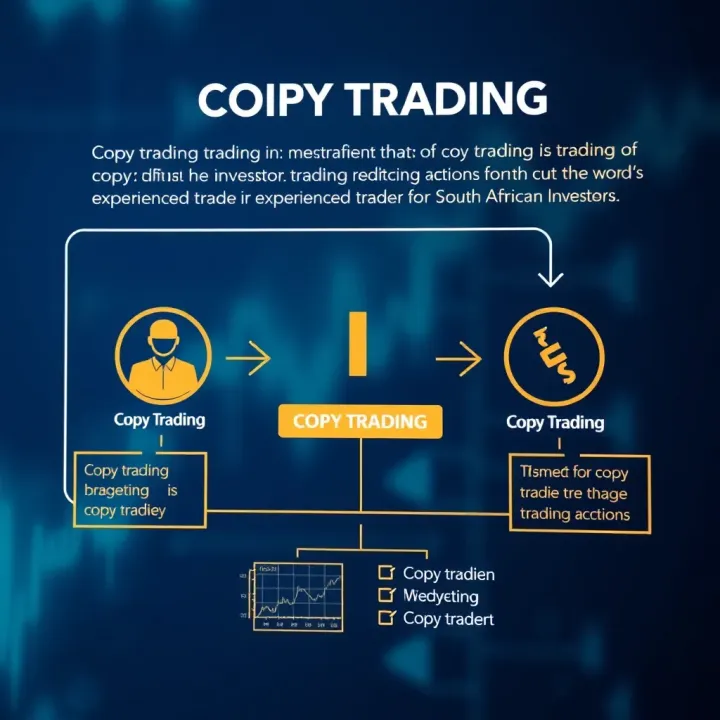
📊 Discover how South African investors can use copy trading to follow skilled traders, assess risks, choose platforms, and manage investments confidently. 💼

📈 Learn how signal trading helps South African investors make smarter moves using alerts, market indicators, pros, cons, and strategy tips. 🇿🇦

📊 Discover synthetic assets and trading tips tailored for South African markets. Learn risks, benefits, regulations & key platforms to trade smartly! 🇿🇦
Based on 14 reviews