
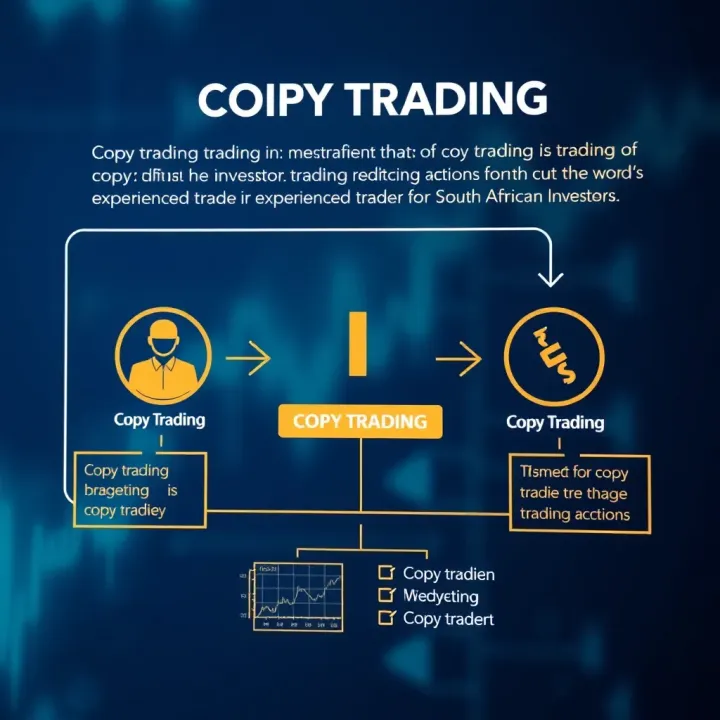
Understanding Copy Trading for South African Investors
📊 Discover how South African investors can use copy trading to follow skilled traders, assess risks, choose platforms, and manage investments confidently. 💼
Edited By
Charlotte Evans
Cryptocurrency trading in South Africa has grown steadily despite challenges like loadshedding and fluctuating petrol prices. More local traders and investors are dipping their toes into crypto pools, attracted by the prospect of decent returns and the global reach of digital assets. However, trading here isn’t just about buying and selling on platforms — it involves understanding local regulations, tax obligations, and security risks.
Unlike traditional investment markets, crypto operates 24/7, so you need to stay sharp and ready for market swings. South Africans typically use platforms such as Luno, VALR, and AltCoinTrader, which offer rand-denominated accounts easing the trading process. These platforms also comply with South Africa’s Financial Intelligence Centre Act (FICA), so expect identity verification before trading.
South Africa’s crypto market is maturing, but navigating it requires combining global crypto trends with local rules and infrastructure realities.
Risk management is essential. Crypto prices can jump or dive sharply within minutes, so setting clear stop-loss orders and diversifying assets will help buffer against sudden shocks. Also, keeping an eye on the South African Reserve Bank’s stance and SARB circulars can clue you in on potential impacts from regulatory moves.
Tax-wise, SARS treats profits from crypto trading as taxable income or capital gains depending on your trading frequency and intention. Keeping meticulous records of transactions is not a nice-to-have but a must. This includes dates, rand value at time of trade, and wallet addresses — especially if you trade across multiple platforms.
Security cannot be overlooked. South Africans face phishing scams and SIM-swap frauds targeting crypto wallets and exchange accounts. Enabling two-factor authentication, keeping software updated, and avoiding public Wi-Fi when trading help keep your funds safe.
This guide will walk you through these practical aspects, ensuring you trade smarter and safer in the South African crypto space.
Grasping the basics of crypto trading is the first step for anyone looking to get their feet wet in South Africa’s growing digital currency space. Without this foundation, you're navigating rough waters blind. Knowing the key concepts helps you make smarter decisions, avoid unnecessary risks, and understand market movements better.
Defining cryptocurrency trading means understanding the buying and selling of digital coins like Bitcoin or Ethereum on various platforms. At its core, crypto trading is about speculating on price changes to turn a profit. This can happen over minutes, hours, or even years depending on your strategy. For example, a trader might buy Bitcoin when the price dips and sell it once it rises, aiming to pocket the difference.
Buying, selling, and exchanging cryptos involves more than just clicking a button. Traders use different types of orders, like market or limit orders, depending on how urgently they want to enter or exit a trade. Exchanging cryptocurrencies means swapping one coin for another, useful if you think a different coin has a better short-term potential. In South Africa, platforms like Luno or VALR make these processes straightforward, with clear interfaces tailored to local users.
Spot trading versus derivatives trading reflects different levels of involvement. Spot trading means buying or selling the actual cryptocurrency, which you own and can transfer or withdraw. Derivatives trading, like futures or options, involves contracts based on crypto prices without owning the coins themselves. While spot trading is simpler and less risky, derivatives can offer higher leverage but require more experience. Most local beginners start with spot trading before moving to derivatives on global platforms like Binance.
Popular coins like Bitcoin and Ethereum dominate South Africa’s crypto scene. Bitcoin is widely seen as digital gold and a store of value, while Ethereum powers many decentralised apps through its smart contracts. Both coins have high liquidity and are accepted on almost all trading platforms. For South Africans, Bitcoin especially holds appeal as a hedge against rand volatility.
Emerging altcoins relevant locally include coins like Polkadot, Cardano, and Avalanche that have active developer communities and growing adoption in Africa. These altcoins often offer faster transaction speeds or lower fees compared to Bitcoin or Ethereum. Traders might spot opportunities in these coins due to their potential for rapid growth but should remember they carry higher risks and are more volatile.
Stablecoins and their role play a calming role amid crypto’s storms. Coins like USDT (Tether) or USDC are pegged to the US dollar, helping traders lock in gains without converting back to rand immediately. In South Africa, stablecoins provide easy access to dollar value on crypto platforms where international transfers may face delays or fees. They're handy for safeguarding profits during loadshedding-induced market flurries or local currency fluctuations.
Understanding these fundamentals equips you with the know-how to trade confidently and spot opportunities while managing risks realistically. Keep these basics close as you venture further into crypto trading.
Selecting the right crypto trading platform is key to navigating the market effectively. Platforms act as your gateway to making trades, managing your portfolio, and securing your assets. Whether you’re a casual trader or handling sizeable volumes, choosing tools that suit your needs helps you trade smarter, reduce costs, and avoid unnecessary risks.
South African exchanges like Luno, VALR, and Ice3X offer a familiar environment tailored to local users. These platforms typically support Rand deposits and withdrawals, making things straightforward when moving money in and out. For instance, Luno provides a relatively simple interface, which is great for beginners, while VALR caters to more experienced traders with a wider range of cryptocurrencies.
On the flip side, global exchanges such as Binance, Coinbase, and Kraken are also accessible to South Africans. They usually provide deeper liquidity and a broader selection of altcoins, including newly launched tokens not always found on local platforms. However, users should be mindful of the challenges involved: foreign currency deposits, regulatory questions, and sometimes higher withdrawal fees.
When deciding between local and international platforms, comparing fees, features, and ease of use becomes critical. Local exchanges often charge lower withdrawal fees for Rand transactions and may offer customer support tailored to South African traders. However, global platforms tend to have more advanced charting tools and better options for derivatives trading. It’s useful to list out your priorities — be it cost, coin variety, or technical features — and pick platforms that tick the right boxes.
Charting and technical analysis tools are indispensable for traders aiming to time the market better. Tools like TradingView or Coinigy can be linked with exchange accounts to provide detailed charts, indicator overlays, and pattern recognition. This helps identify entry and exit points beyond just guesswork.
Keeping track of market news and trends is equally important. Websites such as MyBroadband or Crypto News South Africa offer local insights, while global news platforms keep you updated on bigger shifts affecting crypto prices. Setting alerts for major events — whether that’s regulatory announcements in the US or Eskom-related outages affecting market confidence — can save you from nasty surprises.
Using wallets and security apps ensures your coins are safe once you take them off an exchange. Hardware wallets like Ledger or Trezor provide offline storage, reducing exposure to hackers, which is a real risk with online accounts. For more frequent trades, mobile wallets such as Trust Wallet, combined with apps offering two-factor authentication, strike a balance between convenience and security.
Choosing the right mix of platforms and tools tailored to your trading style and security needs pays dividends in the long run, especially given South Africa’s unique market environment and regulatory developments.
In short, weigh up local ease and cost-effectiveness against the global range and sophistication on offer. Use reliable charting and news resources to stay sharp, and never overlook how you protect your crypto holdings with proper wallets and security measures.
Crypto trading comes with its fair share of risks, especially in volatile markets like South Africa’s. Managing these risks isn’t just about protecting your money; it’s about trading smarter and keeping your nerves intact. Understanding market behaviour and using practical risk controls can save you from panic decisions and big losses.
Cryptocurrency markets can move rapidly, much more than traditional shares or forex. Prices can swing wildly within minutes, driven by rumours, tweets from big players, or sudden market shifts. For instance, Bitcoin might fall by 5% in an hour due to a global policy announcement or a big institution offloading their holdings. These swings mean you must be ready for ups and downs that feel more intense than on local JSE stocks.
Local events, like changes in South African reserve bank sentiment or sudden currency fluctuations, can add fuel to this volatility. Traders should expect sudden spikes or drops without warning, unlike the slower shifts seen in some other assets.
Global headlines also affect the game. Crypto markets in Johannesburg react to Elon Musk’s tweets or regulatory news from the US or China. If an international ban threatens, you might see price drops ripple through local exchanges shortly after. The interconnectedness means your trades aren't isolated from global vibes.
To handle these shifts:
Keep a cool head and avoid knee-jerk reactions.
Use alerts to monitor key price points instead of staring at charts all day.
Remember, violent swings might be opportunities if you have a plan.
Setting stop-loss and take-profit levels helps lock in gains or limit losses without second-guessing. For example, say you buy Ethereum at R10,000. You could set a stop-loss at R9,000 to prevent a big loss if the price falls sharply. On the flip side, placing a take-profit at R12,000 lets you automatically sell once your target is hit, locking in profit without stress.
Diversifying your crypto portfolio is another way to soften shocks. Instead of placing all your rand into Bitcoin alone, spreading investments into Ethereum, Ripple, or even some stablecoins can help balance the risk. Stablecoins like USDT keep value more steady, acting almost like a buffer when crypto markets get jumpy.
New traders often make mistakes like chasing quick profits, ignoring proper research, or trading without stop-losses. For instance, buying just because a coin is "hot" on social media without checking fundamentals often leads to losses. Becoming familiar with how markets behave and planning your trades around clear rules helps avoid these rookie traps.
Protecting your capital through active risk management isn’t about being overly cautious—it’s how you stay in the game long enough to benefit from crypto’s growth.
In short, managing risks in South African crypto trading means anticipating volatile moves, responding wisely to local and international events, and using tools that safeguard your investments. With these practices, you avoid nasty surprises and build confidence for better trades.
Understanding the tax and legal landscape around crypto trading is essential for South African traders to avoid surprises and comply with regulations. Tax rules directly impact your net profits, while legal frameworks shape the way you can trade, hold, and transfer cryptocurrencies. This section breaks down what you need to know to trade confidently and lawfully.
The South African Revenue Service (SARS) treats gains from cryptocurrency like any other taxable capital gain or income, depending on how you transact. If you trade crypto regularly, SARS may consider it income subject to normal tax, while casual or long-term holdings might fall under capital gains tax (CGT). For example, if you bought Bitcoin and sold it at a profit within the same year, you could owe income tax on those earnings. Conversely, if you held it for years before selling, only the CGT portion of the profit needs reporting.
Keeping detailed records of every crypto buy, sell, trade, and conversion is crucial. SARS expects you to maintain proof of purchase price, sale price, dates, and details of counterparties if possible. This becomes especially relevant when filing your annual tax return to calculate accurate taxable amounts. Practical tools like spreadsheet trackers or crypto portfolio apps can help avoid missing transactions, which can lead to incorrect tax filings.
Failing to register or report crypto transactions correctly can lead SARS to penalise you with fines, interest on unpaid taxes, or even legal action. SARS has stepped up audits on cryptocurrency users, reflecting its growing attention to this asset class. For instance, ignoring crypto income or capital gains from FY 2023/24 onwards could result in an under-declaration penalty or even criminal investigation if large sums are involved.
South Africa currently has no comprehensive legislation specifically for cryptocurrency trading, but existing laws like the Financial Intelligence Centre Act (FICA) cover aspects like identity verification and anti-money laundering (AML). Crypto exchanges must comply with these rules by registering as accountable institutions. This means traders often have to submit ID documents before trading, aligning with broader financial regulations.
The government and financial regulators are actively discussing updates to crypto regulation, including clearer classification of digital assets and tighter controls on trading platforms. These changes may affect tax reporting, investor protection, and how exchanges operate locally. It's wise to stay informed, as new policies could introduce registration obligations for traders themselves or change the tax treatment of certain crypto activities.
For verified updates, regularly consult SARS publications on digital asset taxation and the Financial Sector Conduct Authority (FSCA) announcements concerning crypto regulations. Attending crypto-industry indabas or webinars held by recognised bodies can also provide clarity. Additionally, consulting a tax professional familiar with South African crypto tax law can save you time and legal headaches.
Staying on top of tax and legal matters in crypto trading isn't just about avoiding penalties—it protects your investments and empowers you to trade smarter.
When you factor in the nuances of SARS rules and evolving laws, your crypto trading in South Africa becomes a lot less risky and far more transparent.
Staying secure while trading cryptocurrencies is non-negotiable, especially given how easily hackers and scammers can wipe out investments overnight. In South Africa, where crypto is gaining traction but regulation is still catching up, understanding and applying robust security practices helps protect your funds and peace of mind. This section breaks down practical steps to keep your assets safe — from storage methods to spotting scams and bolstering your account security.
Safe storage options for cryptocurrencies matter because once a transaction is confirmed on the blockchain, it can't be reversed. Many traders use "cold storage" solutions like hardware wallets (Ledger or Trezor) that keep private keys offline and away from internet threats. This is much safer compared to "hot wallets" on apps or exchanges, which are more vulnerable to hacks. For example, if you keep your Bitcoin on a South African exchange like Luno, it's crucial to move larger holdings to a hardware wallet rather than leaving everything in your exchange account.
Recognising and avoiding scams is vital given how often scammers target crypto enthusiasts. Pyramid schemes, fake airdrops, and phishing emails are common traps. Always double-check URLs, never share your private keys, and be wary of unsolicited offers promising guaranteed high returns. For example, a popular scam involves SMS or WhatsApp messages claiming to be from a wallet provider asking for your 2FA code. Ignoring or deleting these promptly saves you serious headaches.
Using two-factor authentication (2FA) and strong passwords significantly raises your account’s security. 2FA adds a second step to logging in, such as a code from Google Authenticator or a WhatsApp message, making unauthorized access more difficult. Avoid passwords like "password123" or using the same one across multiple platforms. Instead, a passphrase with mixed characters and numbers works better. Enabling 2FA on your trading platforms, wallets, and email accounts should be your first move once setting up.
Knowing your limits as a trader helps because crypto markets can be wild, and emotional decision-making could cost you dearly. If you’re new or juggling complex strategies, recognising when you need a seasoned eye can prevent costly mistakes. For instance, attempting margin trading without full understanding has ruined wallets here in Mzansi. Knowing when to pause and consult makes sense.
Identifying trustworthy advisers in the crypto space is tricky given the lack of industry-wide standards. Look for registered financial advisers with experience in digital assets, ideally backed by reputable South African bodies. Avoid anyone who guarantees profits or pressures you into quick decisions. Genuine experts will guide you carefully, discussing risks and strategies tailored to your profile.
Balancing self-education with expert input offers the best chance to succeed. Keeping up with market trends, learning technical analysis from trusted sources like MyBroadband or SA Crypto News, and practising on demo accounts builds confidence. Yet, pairing that knowledge with periodic professional advice guards you against blind spots and complex tax or legal pitfalls.
Your crypto security is only as strong as your weakest link — invest time in protecting it.
By following these steps, South African crypto traders can build a safer foundation, reducing the risk of loss due to scams, theft, or reckless decisions. Remember, the more you protect your keys and accounts, the better positioned you are to capitalise on the market’s opportunities with confidence.
📊 Discover how South African investors can use copy trading to follow skilled traders, assess risks, choose platforms, and manage investments confidently. 💼
📈 Learn how signal trading helps South African investors make smarter moves using alerts, market indicators, pros, cons, and strategy tips. 🇿🇦
📊 Discover synthetic assets and trading tips tailored for South African markets. Learn risks, benefits, regulations & key platforms to trade smartly! 🇿🇦
📈 Learn option trading essentials, strategies, and risk tips designed for South African investors seeking smarter portfolio moves with local market insight.
Based on 7 reviews