

Understanding Signal Trading for South African Investors
📈 Learn how signal trading helps South African investors make smarter moves using alerts, market indicators, pros, cons, and strategy tips. 🇿🇦
Edited By
Sophie Bennett
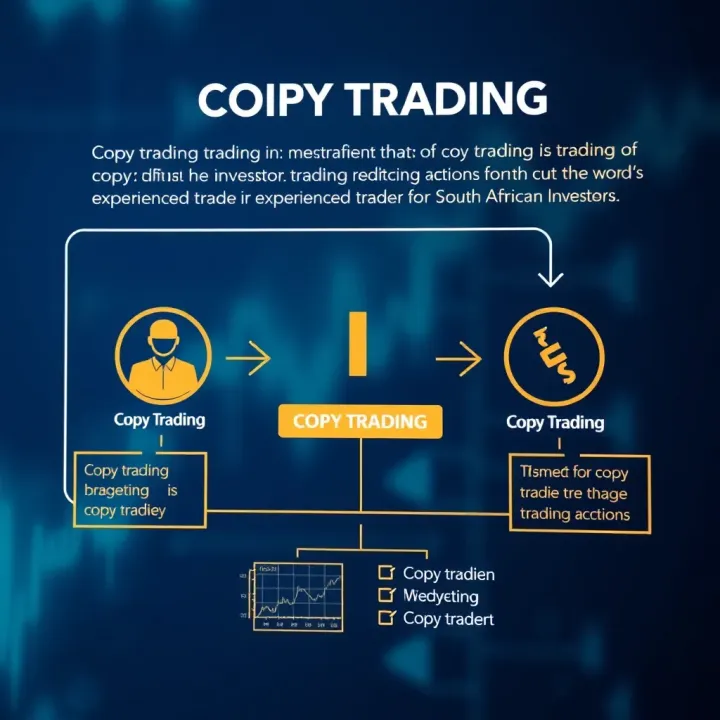
Copy trading has become a buzzword among South African investors keen to tap into market opportunities without the hassle of constant monitoring or deep technical knowledge. Simply put, copy trading allows you to replicate the trades of experienced professionals directly in your own investment account. The idea is straightforward — when a trader you follow buys or sells assets, your portfolio mirrors those moves automatically.
This method offers a practical way of engaging with markets like forex, commodities, or equities even if you're pressed for time or just starting out. For example, a Soweto-based investor might follow a savvy trader who specialises in local JSE shares, gaining exposure without making each decision personally. That said, it isn't a set-and-forget arrangement; understanding the dynamics and risks involved is critical.
Many platforms cater to South African clients, providing tools to evaluate traders’ past performance, risk levels, and portfolio composition. It's wise to assess several factors before choosing who to copy:
Consistency of returns over months or years
Risk appetite and maximum drawdown experienced
Types of assets traded
Fee structures and platform reliability
Copy trading is not a guaranteed path to profits. Market swings affect everyone, so diversify whom you follow and keep track of how your investments evolve.
As with any investment strategy, understanding the fees involved, tax implications according to SARS, and compliance with financial regulations ensures your copy trading sits well with your broader financial goals. On top of that, loadshedding and internet reliability might affect your ability to manage trades in real time — something to keep in mind when choosing your platform.
This guide will help unclog the basics, outline benefits and pitfalls, and offer specific pointers for South African investors hoping to make sense of copy trading as a tool for portfolio growth.
Copy trading has grown into a popular way for many investors in South Africa to tap into the expertise of seasoned traders without needing to be market experts themselves. Essentially, it allows you to mirror the trades and strategies of experienced investors in real time, directly in your own account. This makes it a practical option for those who are short on time or want to learn by observing others.
At its core, copy trading means automatically replicating the buy and sell decisions of a chosen trader. When that trader makes a trade, your account executes the same transaction proportionally based on your allocated investment. For example, if a trader buys 1,000 shares of a company, and you're copying with R10,000 against their R100,000 exposure, your account will buy 100 shares. This automatic mirroring removes the need to manually track and act on every move.
Beyond simple replication, some platforms also let you set your risk levels or decide how much capital to allocate to each trader you follow. This allows you to shape your exposure relative to your own financial goals and appetite. Importantly, these platforms provide transparency by showing trader performance, trading history, and risk metrics, so you can make informed choices about who to copy.
Copy trading shifts much of the day-to-day decision-making to others, unlike traditional investing where you pick stocks or funds yourself. While traditional investing requires research, timing, and active management, copy trading offers a more hands-off approach, ideal for those who can't or don't want to spend hours analysing the markets.
That said, copy trading is not a set-and-forget scheme. You still need to keep an eye on the traders you're copying and adjust your allocations as necessary. Unlike static investments, copy trading is dynamic — your portfolio composition changes automatically as the lead trader buys or sells assets. This can be both a benefit and a risk, so understanding the mechanisms behind copy trading is crucial before committing your money.
Copy trading acts as a bridge between active trading and passive investing, letting you engage with the markets through proven strategies without directly making every trade yourself.
In South Africa, this method suits investors juggling busy lives or those still building their market knowledge. It also aligns well with local investors looking to diversify across multiple asset classes or international markets, all within a user-friendly platform environment. Understanding exactly what copy trading entails helps ensure you approach it with realistic expectations and a clear plan.
Copy trading appeals to a broad spectrum of investors, but understanding who typically uses it and their motivations helps unpack its practical value in the South African market. This knowledge guides potential copy traders in deciding whether this method aligns with their investment goals and lifestyle.
Most users of copy trading fall into a few key categories. First, there are beginners who lack the time or confidence to study markets in depth. A young professional in Johannesburg might find copy trading a straightforward way to dip their toes into stock or forex investing without needing to analyse every chart or company report.
Then you have busy investors juggling careers or family commitments who want to stay invested but don’t have hours to monitor trades each day. For example, a Durban-based small business owner may prefer copy trading to maintain exposure in financial markets while focusing on growing their business.
Experienced investors sometimes use copy trading to diversify into markets or strategies they’re less familiar with. This can include copying successful algorithms or traders specialising in commodities like gold, which is particularly relevant for South Africans given local mining sectors.

Lastly, there are thrill-seekers who enjoy tracking top traders and testing new approaches indirectly. Though less common, this group values copy trading as a way to experiment with different styles without committing full funds.
The main driving force behind copy trading is convenience. Investors appreciate that they can mirror the moves of proven traders, making investment decisions feel less daunting. It is especially useful during Eskom’s loadshedding when attention might waver, and keeping up with market shifts becomes tricky.
Another motivation is learning through observation. Beginners can see how experts adjust their portfolios in reaction to news or market dips—like how an investor in Cape Town might watch a seasoned trader shift away from volatile shares during uncertain political periods.
Copy trading also offers access to markets that might otherwise seem out of reach. For South African investors, this could mean joining in on international equity or forex market moves without navigating complex platforms or currency conversions themselves.
Lastly, the promise of passive income attracts many. By putting money behind skilled traders, investors hope to earn returns without active management—though this isn’t guaranteed and requires ongoing vigilance.
Copy trading is not a one-size-fits-all; it reflects personal investment habits and goals. Knowing who typically benefits most helps you measure if it could fit your financial plan.
Overall, understanding who uses copy trading and why sets the stage for making informed choices and avoiding pitfalls. This approach suits those seeking a blend of exposure, ease, learning, and potential growth in their portfolios without daily micromanagement.
Understanding both the benefits and risks of copy trading is vital for South African investors keen on this approach. While the prospect of mirroring skilled traders can be attractive, it’s not without pitfalls. A clear grasp of what works well, and where things could go sideways, helps investors make informed decisions and avoid costly mistakes.
Copy trading offers a straightforward entry point for beginners who may lack the time or expertise to analyse markets. Imagine a young professional in Johannesburg with a full-time job and limited trading knowledge—copying seasoned traders allows them to engage with financial markets without hiring a financial adviser or committing hours to study charts.
This approach also suits busy investors who want to diversify their portfolios but don’t have the bandwidth to manage multiple assets actively. By following experienced traders with proven strategies, they can spread risk across various instruments effortlessly. For instance, a Cape Town-based entrepreneur could replicate trades from different markets, from forex to commodities, thereby adding a layer of diversity without constant oversight.
Moreover, many copy trading platforms provide tools that show the trader’s historical performance and risk tendencies. This transparency lets users pick traders whose styles and risk appetites align with their own, adding a degree of personalisation to what might otherwise be a hands-off investment.
Copy trading, like any investment, carries risks. One major hazard is over-reliance on a single trader or poor-performing traders. Markets can be unpredictable, and even experienced traders can have losing streaks. For example, following a trader heavily invested in volatile cryptocurrencies could expose you to sharp losses if the market turns.
Another risk is platform reliability and regulatory oversight. Some platforms may not adhere to stringent rules, increasing the chance of fraud or mismanagement. South African investors should favour platforms that comply with local or recognised international financial regulations.
To manage risk, diversify across multiple traders with different strategies and asset classes rather than putting all your eggs in one basket. Set clear limits on how much capital you allocate to copy trading and use stop-loss features where available. Regularly review both the trader’s performance and market conditions instead of setting and forgetting your investments.
Smart copy trading means balancing trust with vigilance: trust your chosen traders but keep track, adjust, and step in when necessary.
In essence, assessing the benefits and risks sharpens your approach, making copy trading a tool for potential growth rather than a gamble. With proper due diligence and active monitoring, South African investors can use copy trading effectively within their broader investment plans.
Selecting the right copy trading platform is vital for South African investors looking to enter or expand in this space. A good platform acts as a reliable gateway, offering easy access to trading markets while providing the tools and safeguards needed to manage risk effectively. Picking poorly can lead to unclear fees, limited assets to copy, or frustrating user experiences that hinder your ability to follow successful traders.
First and foremost, the platform should offer transparent fee structures. Hidden costs can chip away at your returns, especially when copying multiple traders. Look for platforms that clearly outline commission fees, spreads, and withdrawal charges to avoid unpleasant surprises.
Another key feature is the range of traders and assets available. Platforms with a diverse community of experienced traders across forex, commodities, shares, and indices give you more flexibility to find a style that suits your risk appetite. For example, some traders prefer copying forex experts, while others lean towards those trading JSE-listed shares.
Ease of use matters too. Intuitive interfaces tailored for both novice and experienced investors help you monitor and adjust your copy portfolios quickly, even on mobile devices during commutes or braais. Features like real-time performance tracking, stop-loss settings, and automated rebalancing can make a real difference in control and responsiveness.
Security and regulatory compliance cannot be overlooked. Ensure your chosen platform complies with recognised financial authorities and helmet top-notch data protection. This is crucial given South Africa’s cybercrime concerns and the need for secure handling of personal and financial information.
Several well-established platforms welcome South African users. eToro remains popular due to its user-friendly design and broad global trader community. Its social trading model allows for easy interaction and learning alongside copying.
ZuluTrade is another option, originating from forex trading but steadily expanding its asset range. It offers advanced trader ranking systems and risk management tools, which can appeal to more hands-on investors.
For investors already familiar with traditional brokers, platforms like Plus500 and AvaTrade provide copy trading features integrated into broader trading environments. These combine diverse asset offerings with the benefits of regulated brokerages.
Beware that in South Africa, certain platforms might require RICA (the Regulation of Interception of Communications and Provision of Communication-related Information Act) verification, similar to other financial services, so be prepared to provide necessary documentation.
Choosing the right platform is not just about picking the biggest name; it’s about finding one that fits your trading habits, risk comfort, and regulatory peace of mind.
By considering these factors, South African investors can confidently select a copy trading platform that suits their needs and local context, making their trading experience smoother and more successful.
Copy trading offers a way to follow experienced investors, but success isn’t automatic. Handling copy trading carefully demands clear strategies for picking who to follow, managing risks, and keeping an eye on your investment’s performance. Additionally, South African investors have to consider local tax and regulatory issues, which differ from other markets.
Choosing the right traders to copy is critical. Look beyond lofty returns; consistency and strategy transparency matter more. For example, a trader who pulls steady 5–10% returns monthly with manageable drawdowns is often preferable to one with big swings and flashy gains. Platforms typically show stats like win rate, average risk per trade, and historical performance. Dig into those numbers and read community feedback too.
Considering the trader’s style is equally important. If you dislike high-risk approaches or can’t monitor trades regularly, copy traders who align with your risk appetite and availability. For instance, a cautious, long-term trader would suit someone juggling a busy work schedule, while a day trader might be best for dedicated investors.
Copy trading isn’t a set-and-forget deal. Control your risk by setting limits on how much of your capital goes to any single trader. Many South African platforms allow you to cap exposure or pause copying quickly if results sour.
Regular reviews are crucial — check your portfolio at least weekly to spot underperforming traders or changes in their strategy. Sudden shifts, like entering volatile markets or increasing leverage, may signal an increased risk you didn’t sign up for.
Besides, diversify. Avoid putting all your eggs in one copy basket; spread your funds across multiple traders with differing tactics.
South Africans must remember that all profits from copy trading are taxable as income or capital gains, depending on the activity and frequency. Keeping detailed records of profits, losses, and fees is necessary for accurate filing with SARS.
Regulation-wise, stay informed if your copy trading platform complies with Financial Sector Conduct Authority (FSCA) rules. Platforms not locally authorised may still be legal but offer less protection. For example, several global platforms allow South Africans to join but don’t have FSCA oversight.
Always ensure your copy trading activity is transparent and compliant to avoid surprises come tax season or under financial regulations.
By selecting traders wisely, managing your risk actively, and minding South Africa’s tax and regulatory landscapes, copy trading can be a valuable addition to your investment toolkit.
📈 Learn how signal trading helps South African investors make smarter moves using alerts, market indicators, pros, cons, and strategy tips. 🇿🇦

📊 Discover synthetic assets and trading tips tailored for South African markets. Learn risks, benefits, regulations & key platforms to trade smartly! 🇿🇦

📈 Learn option trading essentials, strategies, and risk tips designed for South African investors seeking smarter portfolio moves with local market insight.

Discover how to trade smartly on Quotex 🇿🇦: explore platform features, asset choices, setup tips, and strategies to manage risks for South African traders.
Based on 8 reviews