
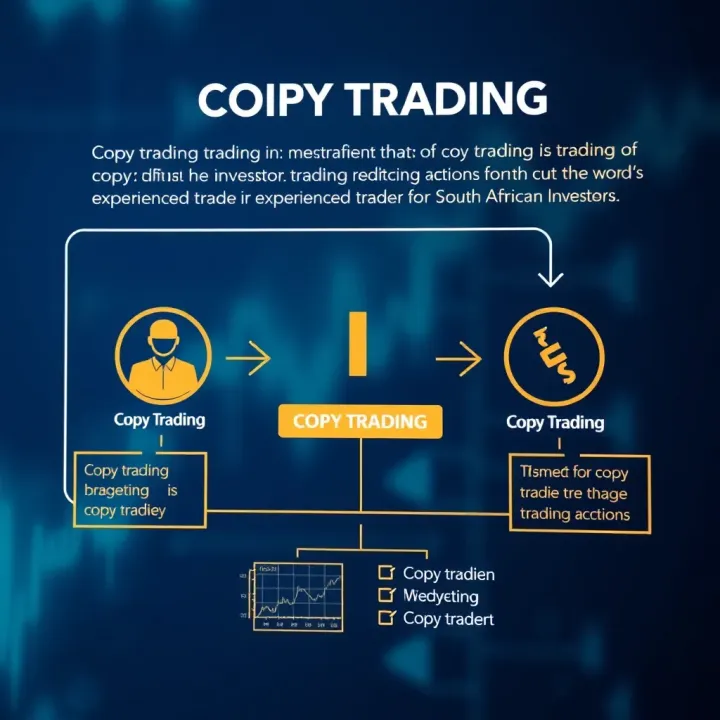
Understanding Copy Trading for South African Investors
📊 Discover how South African investors can use copy trading to follow skilled traders, assess risks, choose platforms, and manage investments confidently. 💼
Edited By
Sophia Reynolds
Auto trading software is reshaping how traders approach the markets, making it easier and faster to execute trades based on predefined strategies. For South African traders, understanding how this technology works can open new doors to potentially more efficient and consistent investing.
At its core, auto trading software automates buy and sell orders without constant manual input. Instead of staring at charts all day or reacting emotionally to price shifts, the software follows rules set by the user or itself, executing trades instantly once conditions are met. Take an example where a trader wants to buy shares in a local JSE-listed company when its price dips below a certain level and sell when it gains a specific percentage; the software handles these actions instantly, eliminating lag that a human might suffer.
More than just speed, the software often uses technical indicators, price patterns, and even news feeds to inform decisions. This means trading can happen around the clock, across different markets, without the trader sacrificing time or focus. However, like any tool, it’s not foolproof — technical glitches, over-optimised strategies, or unexpected market moves can cause losses.
Auto trading tools help South African traders trade smarter, but they require solid understanding and careful setup to avoid costly mistakes.
South African traders should consider several factors before diving in:
Regulatory compliance: Ensure your broker and software comply with the Financial Sector Conduct Authority (FSCA) rules.
Broker compatibility: Not every platform supports every software; check integration options before committing.
Costs: Beware of system fees, commissions, and data charges that can add up.
Risk controls: Look for features like stop-loss settings and adjustable trade sizes to manage exposure.
Getting started typically means selecting software tailored to local market conditions and available through reputable brokers like Standard Bank Online Trading or PSG Online. By automating routine decisions, traders can focus on refining their strategy while the software keeps an eye on executions 24/7.
In the following sections, we’ll explore the nuts and bolts of these systems, their strengths and pitfalls, plus practical tips to make the most of auto trading in the South African context.
Auto trading software has become a key tool for traders looking to navigate financial markets more efficiently. In South Africa, where market hours and volatility can be challenging to keep pace with, understanding how auto trading works is essential for making timely and informed decisions.
At its core, auto trading software automates the process of buying and selling assets like shares, forex, or commodities. Traders set specific rules or strategies, and the software executes trades on their behalf without manual input once conditions are met. This means you can trade around the clock and react to market movements faster than human reflexes allow. For example, a trader could program the software to buy shares in a JSE-listed company when its price dips below a certain level, avoiding the need to watch markets all day.
Rule-based systems rely on simple if-then statements programmed by the user. For instance, you might instruct the software to sell your position if losses reach 2% or buy when the moving average crosses a threshold. These systems appeal to traders who prefer straightforward strategies and want a hands-off way to implement them.
Algorithmic trading involves more complex mathematical models and statistics. These algorithms can analyse vast amounts of data, identify patterns, and execute trades accordingly. Local hedge funds sometimes use algorithmic methods to gain an edge on the JSE by responding to market signals faster than manual trading could achieve.
Copy trading and social trading platforms offer a different angle. Here, less experienced traders can replicate the trades of seasoned market participants in real-time. Platforms like eToro or ZuluTrade connect users worldwide, including South Africans, allowing them to benefit from expert insights without developing their own strategies.
Once a strategy is set, the auto trading software connects to a broker’s trading platform through an application programming interface (API). When the programmed conditions trigger, the software sends the trade order directly to the broker. The order is then routed to the relevant market for execution. This entire sequence happens within seconds, providing speed and precision that manual trading can’t match.
Quick and automated execution reduces the risk of missing out due to slow decision-making or emotional hesitation, which can be particularly helpful in volatile markets like those seen around Eskom announcements or unexpected economic data.
To sum up, getting acquainted with what auto trading software is and how it works helps South African traders appreciate the advantages it brings, as well as the technical setup involved. This knowledge sets the foundation for choosing the right tools and approaches suited to individual trading goals and local market conditions.
Auto trading software can be a powerful tool for traders in South Africa looking to improve their efficiency and consistency. Yet, it comes with its own set of challenges that every user should understand before getting involved. Let’s explore both the benefits and the pitfalls of using these automated systems in the local context.
Speed and efficiency: One of the biggest advantages of auto trading software is how fast it can execute trades. Instead of reacting to market movements manually, the software can place orders in milliseconds, often beating human speed. For example, if you rely on algorithms to spot a sudden dip in stocks on the JSE, the software can instantly buy at the right moment without any delay caused by hesitation or slow internet. This speed often translates into better trade prices and more opportunities.
Removing emotions from trading: Trading can be an emotional rollercoaster, especially during volatile periods. Auto trading removes these feelings by sticking strictly to programmed rules. Say you’ve set a stop-loss limit at a certain price; the software will close the trade immediately without second-guessing. This means decisions aren’t influenced by fear or greed, which often leads to erratic trading or holding onto losing positions too long.

Ability to trade 24/7: Markets like forex and crypto never sleep, and neither can you. Auto trading software allows you to participate around the clock without needing to sit glued to your screen at odd hours. This is especially useful for South African traders who want exposure to international markets operating in different time zones. For instance, you could have your system trading the New York or Tokyo sessions while you’re asleep.
Backtesting strategies: Before risking real money, many auto trading platforms let you test your trading approach on historical data. This backtesting helps you spot weaknesses in your strategy and fine-tune it accordingly. For example, using backtesting on various JSE index data can reveal how a strategy would have performed during different economic cycles, such as the 2008 crisis versus more stable periods.
Technical failures and outages: Software and internet outages can cause missed trades or unwanted executions. A sudden power cut due to loadshedding, a common issue in South Africa, might disrupt your system’s functioning at crucial moments. Even the most reliable software can crash or freeze, so having backup plans like a UPS (uninterruptible power supply) or manual override options is essential.
Over-optimisation risks: Sometimes traders tweak their automated systems too much to fit past data perfectly—known as over-optimisation or curve fitting. While it might seem impressive that the software makes perfect trades on historical charts, it usually struggles with real-time market conditions that are more unpredictable. It's like preparing only for last year’s matric exam papers without accounting for changes in the syllabus.
Market volatility challenges: Auto trading software follows set rules and may not adapt well during sudden, extreme market swings such as sharp rand fluctuations or unexpected political news. For instance, if a new economic policy shocks the market, rigid algorithms might execute trades that lead to losses instead of pausing or adjusting strategy.
Dependence on quality data: Automated trading depends heavily on accurate and timely market data. Data feeds that lag or are incomplete can lead the software to make poor decisions. In South Africa, where internet connectivity quality varies, some traders might find their systems acting on outdated information, leading to missed opportunities or costly mistakes.
While auto trading offers exciting benefits like speed and emotion-free decisions, it requires careful monitoring and good technology setup to handle the risks and limitations specific to our market.
By balancing these advantages and pitfalls, South African traders can better decide if and how to integrate auto trading software into their portfolios.
Choosing the right auto trading software hinges on its features, which directly affect your trading success and ease of use. For South African traders, it’s not just about a fancy tool — the software must fit the trading environment here and provide reliable, practical features that enhance strategy implementation and risk control.
Customisability is crucial. You want software that lets you tailor trading strategies to your style and needs, not the other way around. For instance, if you prefer momentum strategies that capitalise on rapid market moves on the JSE (Johannesburg Stock Exchange), your software should allow you to adjust parameters like thresholds for entry and exit. Some platforms offer drag-and-drop interfaces to build strategies visually, while others let you script detailed algorithms in languages like Python or MQL. This flexibility lets traders test and refine strategies based on real-time data or historical market behaviour without being stuck with rigid templates.
Stop-loss and take-profit settings
Stop-loss orders automatically close a trade at a set loss level, limiting potential damage when markets dip suddenly. Conversely, take-profit orders secure gains once a price target is reached. These are vital in volatile markets such as forex or commodities. For example, during an Eskom load shedding announcement, commodity prices may fluctuate sharply; having these orders in place prevents you from watching profits evaporate or losses balloon. Good auto trading software lets you preset these limits per trade or per strategy, creating disciplined exits that reduce emotional interference.
Position sizing controls help decide how much capital to allocate per trade, considering your risk tolerance. This means you won’t accidentally risk your whole trading account on one volatile share like Sasol or Naspers. Instead, the software can automatically adjust your trade size based on predefined rules — say, risking only 1% of your account per trade. This feature prevents reckless exposure and supports consistent money management, which is key for preserving capital over time.
The user interface (UI) influences how quickly you pick up the software and manage trades. A cluttered or complicated UI can lead to mistakes, especially when reacting to fast market shifts. South African traders benefit from platforms that merge simplicity with functionality — clear dashboards showing open positions, alerts, and performance stats without overwhelming detail. Features like mobile compatibility also mean you can monitor or tweak trades while on the go, such as during a taxi ride or at a braai.
Compatibility ensures your software works seamlessly with brokers that operate locally or accept South African clients. Some international auto trading platforms may not integrate well with South African brokerage firms or the JSE directly. Before committing, check if the software supports brokers familiar to you, like Standard Bank Online Trading, EasyEquities, or international players like Interactive Brokers. It should also comply with local market conditions, such as South Africa’s trading hours, available financial instruments, and regulatory frameworks.
Effective auto trading software fits your strategy, manages risk smartly, is easy to use, and works well within your trading ecosystem. Don’t just chase popular tools—focus on features that suit your actual trading goals and local market realities.
Auto trading software is steadily gaining traction among South African traders, offering a way to automate trades, reduce emotional errors, and operate beyond typical market hours. However, accessing and effectively using these tools locally requires understanding the platforms available, setup procedures, and associated costs, all while navigating the specifics of South Africa’s financial environment and regulatory landscape.
Local brokers supporting auto trading
Some South African brokers already support auto trading features or integration with popular trading platforms. Firms like IG South Africa and Standard Bank’s stockbroking services offer APIs or connections to external auto trading software, allowing clients to implement algorithmic strategies within a regulated environment. This local support simplifies compliance with Financial Sector Conduct Authority (FSCA) requirements and ensures faster transaction processing within the South African markets, like the JSE.
International platforms available to South Africans
Many South African traders also access global platforms such as MetaTrader 4/5, NinjaTrader, or Interactive Brokers, which support auto trading across a wide range of international assets. While access to these platforms opens opportunities to trade forex, indices, and commodities directly, traders should be mindful of forex control regulations and currency conversion fees when moving capital overseas. These platforms generally provide extensive tools for creating and testing automated strategies, which can add value for traders seeking diverse investments.
Account registration and verification
Getting started with auto trading requires setting up a brokerage account compliant with South African law. Typically, this involves a thorough verification process, including submitting personal identification documents, proof of residence, and sometimes financial declarations mandated by the Financial Intelligence Centre Act (FICA). Completing this step is essential to prevent fraud and to comply with anti-money laundering rules.
Software installation and configuration
Once registered, you’ll need to install and configure your chosen auto trading software. Many platforms provide desktop clients, mobile apps, or web interfaces. Configuration usually involves connecting your brokerage account to the software via API keys or login credentials and then setting your preferred trading strategies, risk parameters, and market preferences. Testing configurations with demo accounts where available lets you fine-tune settings without risking real money.
Free vs. paid software
Auto trading software comes in both free and paid versions. Free options, like some MetaTrader expert advisors (EAs), may suit beginners wanting to explore auto trading with limited risk. Conversely, paid software often offers more sophisticated algorithm libraries, customisability, and dedicated support. South Africans should weigh the software capabilities against costs, especially given the Rand’s volatility, ensuring subscription fees remain reasonable within their budget.
Brokerage fees and commissions
Apart from software costs, brokerage fees play a significant role in overall trading expenses. Local brokers often charge fixed or percentage-based commissions and may include levies like the Securities Transfer Tax (STT). International brokers might offer lower commissions but factor in currency conversion fees and occasional withdrawal charges. Understanding these costs helps optimise your auto trading profits by minimising overheads.
Starting with a well-chosen platform and understanding the setup and ongoing costs are key steps for South African traders looking to take advantage of auto trading software effectively. Staying informed about local and international options ensures you pick the best tools for your trading style and financial goals.
Navigating the legal and regulatory landscape is vital for South African traders using auto trading software. Knowing the rules helps you avoid pitfalls and ensures your trading activities stay above board. Since the financial environment here is tightly monitored, understanding the key regulations helps protect your investments and provides peace of mind.
The Financial Sector Conduct Authority (FSCA) is the main regulator overseeing financial services in South Africa. It keeps a close eye on activities to safeguard consumers and maintain market integrity. For auto trading, this means the FSCA monitors brokers and platforms offering such software to ensure they meet licensing requirements and ethical standards.
The FSCA's role is practical: it gives traders assurance that the platforms comply with financial laws, reducing chances of dealing with rogue operators. For example, brokers authorised by the FSCA must follow strict rules on transparency, client fund protection, and risk disclosure. This helps South African traders avoid scams or unreliable service providers.
Besides FSCA oversight, auto trading services must comply with South African trading laws, including those relating to market manipulation, insider trading, and financial reporting. Auto trading algorithms need to operate within these rules to prevent illegal activity.
For instance, automated strategies triggering frequent trades must not be designed to create false market signals or distort prices. South African exchanges and brokers typically enforce these rules behind the scenes. Traders should verify their chosen platforms integrate compliance checks to avoid unintended breaches.
Validating the credibility of auto trading software is crucial. Always start by checking if the platform or software provider is licensed or registered with the FSCA or other recognised authorities. Look for clear contact details, customer reviews, and transparent information on how the software works.
Try to test any software using demo accounts before committing real funds. Reliable providers usually offer trial periods or virtual trading options. This allows you to see the software's performance without risking capital. Word of mouth from trusted traders and forums can also help identify dependable products.
Be cautious if software promises guaranteed profits or extremely high returns with minimal risk. These claims often signal scams. Lack of clarity about fees, vague company information, or pressure tactics to sign up fast are other warning signs.
Also, avoid software requiring deposits outside regulated platforms or those refusing to share algorithm details. If support is slow or non-existent, that's a further red flag. Always prioritise transparency and accountability when choosing auto trading tools.
Protecting yourself starts with knowing the watchdogs, checking credentials, and keeping skepticism handy. Never rush in just because an offer looks good on paper.
📊 Discover how South African investors can use copy trading to follow skilled traders, assess risks, choose platforms, and manage investments confidently. 💼

📈 Learn how signal trading helps South African investors make smarter moves using alerts, market indicators, pros, cons, and strategy tips. 🇿🇦

📊 Discover synthetic assets and trading tips tailored for South African markets. Learn risks, benefits, regulations & key platforms to trade smartly! 🇿🇦
📈 Learn option trading essentials, strategies, and risk tips designed for South African investors seeking smarter portfolio moves with local market insight.
Based on 10 reviews