
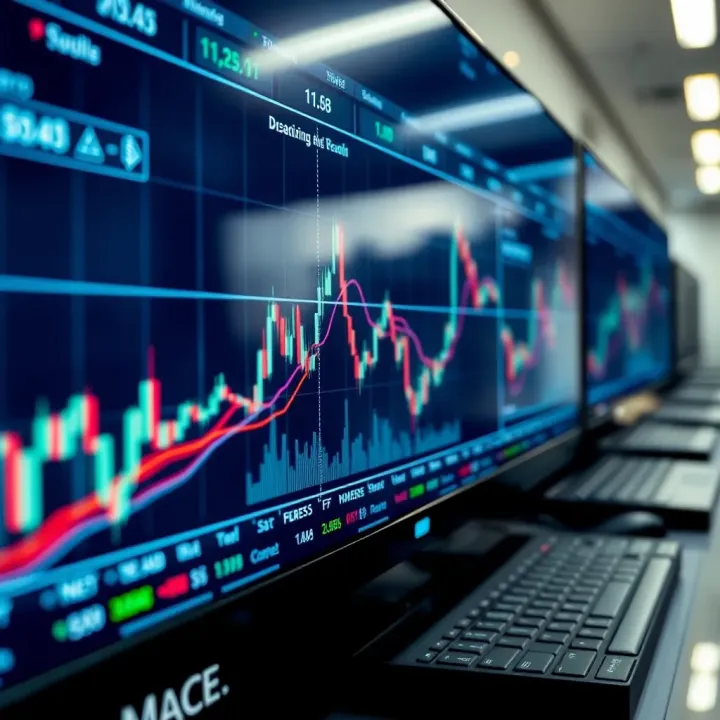
Robots in Forex Trading: A Guide for South African Traders
🤖 Discover how forex trading robots work, their pros and cons, key features, and tips for South African traders to pick and use automated systems wisely.
Edited By
Benjamin Walsh
Mobile forex robots are simply automated trading programmes that run on your mobile device, like a smartphone or tablet. They scan currency markets, spot trading opportunities, and execute trades for you — all without needing constant attention. For South African traders, who often juggle work, family, and the unpredictability of markets affected by Eskom loadshedding and other local factors, these robots can offer real convenience.
Unlike manual trading, where you make decisions and click 'buy' or 'sell', mobile forex robots run algorithms based on technical analysis, price patterns, and sometimes news feeds. They open and close positions automatically, aiming to profit from currency swings on pairs like USD/ZAR, EUR/USD, or GBP/ZAR.
A common example is a robot programmed to scalp during London and New York sessions, making quick trades based on immediate price moves. Another might focus on longer trends, holding positions for several hours or days.
Accessibility: Mobile forex robots let you monitor and trade anywhere, whether you’re at a coffee shop in Cape Town or stuck in traffic in Johannesburg.
Speed: Robots react instantly to market changes, something difficult to do manually, especially when you’re offline due to data limitations.
Consistency: By sticking to programmed strategies, they avoid emotional decisions traders often make when markets turn volatile.
Cost-Effectiveness: Many mobile platforms support affordable or free forex robots, reducing barriers to entry for new traders.
No robot is foolproof. Markets can behave unpredictably, especially with local volatility related to Rand fluctuations or global economic events. Also, during heavy loadshedding, your internet or power outages can interrupt automated trades.
They depend on internet connection stability and device battery life.
Programming errors or outdated algorithms may cause losses.
They can’t account for sudden news events or government announcements unique to the South African context.
Understanding these basics helps you decide if mobile forex robots suit your trading style. In the following sections, we’ll look at features you should expect, how to choose a trustworthy robot, and tips on managing risks in South Africa’s forex landscape.
Understanding how mobile forex robots run on your device is crucial if you’re a South African trader aiming to mix convenience with effective trading strategies. These robots are automated trading programs designed to execute trades on your behalf, directly from your mobile device. This functionality allows you not only to keep an eye on the forex market anytime and anywhere but also to respond instantly to price movements and algorithmic signals.
Forex robots use algorithmic strategies, which means trading decisions are driven by a set of programmed rules. These algorithms analyse market data such as price trends, volume, and volatility to decide when to buy or sell currency pairs. For example, a robot might be programmed to spot a moving average crossover and then execute a trade automatically. This enables traders to react faster than manual trading would allow.
The real value lies in removing human emotion from trading — fear or greed won’t get the better of your robot. However, success depends heavily on the quality of the algorithm. Well-designed strategies backtested against historical data tend to perform better, though no robot can guarantee profits.
Integration with mobile trading platforms makes using these robots practical and accessible. Many brokers in South Africa support platforms like MetaTrader 4 or 5 (MT4/MT5), which offer mobile apps fully compatible with automated trading. This means your selected forex robot can connect to the broker’s server through the app, execute orders, and update your portfolio in real time without needing a desktop.
This seamless integration is key because it lets traders handle trades while commuting or during breaks, without losing out on critical market movements. As an example, a trader could set the robot to manage basic trades while they get on with other business, confident that the app will handle execution correctly.
One of the main advantages of mobile forex robots is flexibility. You’re not shackled to a desk with your desktop trading station; you can monitor and control your trading positions on the go. This matters especially in South Africa, where traders might be travelling between towns or dealing with limited fixed-line internet access. Mobile trading makes it easier to stay connected to the market despite these logistical challenges.
Another upside is quick notifications. Mobile apps often push alerts about executed trades, market conditions, or errors, so you stay informed without constantly logging in. This immediate feedback loop helps keep your automated trading on track.
That said, mobile trading robots are bound by technical limits. Mobile devices generally have less processing power than desktops, which can restrict complex computations or multi-strategy setups. Additionally, mobile networks may face occasional interruptions or slower speeds, causing delayed order execution or connectivity drops — especially if you’re in a rural area.
App interfaces on mobile also tend to be simpler, which is great for ease of use but might limit detailed analysis options compared to desktop platforms. Traders who rely heavily on in-depth charting or multiple indicators might find this restricting.
While mobile forex robots offer strong convenience and timely trading opportunities, it helps to remember they should complement rather than replace a well-planned trading routine that sometimes requires desktop tools for thorough analysis.
In a nutshell, knowing the mechanics behind your mobile forex robot helps you pick tools that fit your trading style and lifestyle effectively. Choosing the right combination of strategy, platform, and device capabilities ensures you make the most of automated trading in South Africa’s forex scene.
Mobile forex robots offer South African traders certain clear advantages, especially around convenience and reaction speed. But it’s worth weighing these gains against technical pitfalls and potential misuse. Understanding the balance between benefits and risks helps you make smarter, more confident decisions when using these tools on your mobile device.
One of the strongest points for using a mobile forex robot is its ability to execute trades instantly, without human hesitation or emotion. Say you’re on the MyBroadband forum tracking a sudden Rand weakness; a robot can jump on the opportunity even while you’re commuting. It avoids the typical emotional pitfalls like panic selling or FOMO (fear of missing out), which can distort judgement in fast-moving markets.
This is particularly useful in volatile times when emotions run high—like near RSA budget announcements or SARB interest rate changes. The robot sticks to its programmed rules, removing erratic decision-making from the equation.
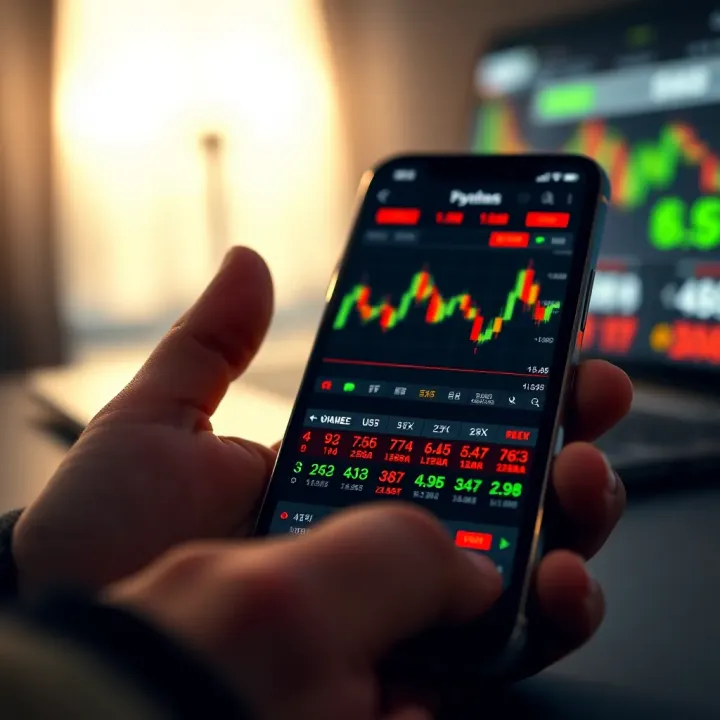
Markets never sleep, especially with global forex pairs involving South African Rand (ZAR). A mobile forex robot continues scanning and analysing market conditions non-stop, even when you’re off the grid or asleep. This means you won’t miss important price movements across different sessions, such as the Asian or New York forex market hours.
For example, if a geopolitical event in the Middle East hits oil prices at 3 am SAST, your robot could react swiftly, locking in profits or minimising losses without your intervention. It’s a huge benefit given that South African traders often balance active market monitoring with day jobs or other commitments.
Trading on a mobile device means you rely on stable internet and functioning hardware. Unfortunately, technical issues are common in South Africa—whether due to spotty 4G coverage in rural towns or unexpected device crashes. A dropped connection or lag can delay order execution, leading to slippage or missed trades.
A practical tip is to use a reliable data provider like Vodacom or MTN, and ensure your device has good battery life and storage. Always save your robot settings frequently and consider backup power options if you’re serious about trading during load shedding or in areas with unstable electricity.
While forex robots take away a lot of grunt work, depending on them entirely can be risky. Algorithms can’t always predict sudden market shocks or shifts influenced by local factors like Eskom’s load shedding or changes in exchange control regulations. Traders who neglect manual oversight might fall into the trap of blind faith in their robot.
It’s smart to regularly review your robot’s trade history and stay updated on macroeconomic news from sources like BusinessTech or SARS announcements. Use the robot as a partner, not a complete replacement for your own trading smarts.
Strong mobile connectivity and ongoing human input are the guardrails that keep mobile forex robots working for you, not against you.
In short, mobile forex robots bring significant speed and consistency benefits but require vigilance over technical and strategic risks. Being aware and prepared puts you in the driver’s seat for smarter forex trading in South Africa’s fast-changing environment.
Picking the right mobile forex robot can make a big difference in your trading success. It’s not just about flashy promises – the features under the hood matter and can affect how well the robot fits your style and needs. Here’s what you need to look out for.
A user-friendly interface is key when choosing a mobile forex robot. You want to spend your time trading, not trying to figure out how to get the robot running on your phone. Look for straightforward onboarding steps, clear menus, and easy access to important data like open positions and balances. For example, some robots offer dashboard-style views that summarise everything at a glance, saving you the hassle of digging through menus during busy market hours.
Once set up, monitoring trades on a mobile device should be simple. You’re often on the move in South Africa, and being able to check performance without wasting time makes a real difference. Automated notifications for trades opened or closed keep you in the loop without having to stare at your screen all day.
Not all traders have the same approach, so a robot that lets you tweak strategies offers a big advantage. Customisation can include adjusting trade sizes, stop-loss limits, or selecting preferred currency pairs. This flexibility helps you fit the robot to your risk tolerance and trading goals.
Alerts also play a practical role. Mobile forex trading often happens amid distractions, so timely, customisable alerts can boost responsiveness. For example, receiving push notifications when the robot hits a certain profit target or faces a volatile market alerts you early and helps manage risk tighter. This is crucial, as blindly trusting automated trades without oversight can backfire.
Before handing over your money, check if the robot shows its performance history clearly. Backtesting uses historical data to simulate how a trading strategy would have performed, which is a good first step. But more important is a robot’s live trading record under real market conditions, especially if it shows results for currency pairs common in South Africa, like USD/ZAR.
Reliable robots provide honest data with detailed reports on win rates, drawdowns, and average returns. This transparency helps you gauge potential risks and rewards realistically, instead of chasing unrealistic expectations.
User reviews offer valuable grassroots insights. Look for consistent patterns in feedback—do many users report glitches during volatile moves, or is support helpful when problems pop up? Local South African traders sharing experiences can be particularly insightful because they deal with regional quirks like internet reliability and time zone impacts.
Support shouldn’t be an afterthought. Quick, knowledgeable responses via chat or email can save you from costly errors. Some providers even offer tutorials or dedicated local support teams, which adds confidence in your trading partner.
Evaluating these key features carefully helps ensure you pick a mobile forex robot that fits your needs and the realities of trading from South Africa, increasing your chances of steady, manageable returns.
When it comes to using mobile forex robots, ensuring safety and compliance is not just legal box-ticking—it protects your funds and personal details from risks often overlooked in the rush to automate trading. South African traders must understand local rules and security measures to trade confidently without falling foul of scams or regulatory pitfalls.
The FSCA is South Africa's watchdog over financial markets, including forex trading. Its role is to ensure that trading stays fair and transparent by regulating brokers and third-party service providers operating locally. For mobile forex robots to be used safely, it’s vital that the associated broker or platform complies with FSCA regulations. This makes a real difference because the FSCA holds brokers to standards that protect traders from reckless practices and unethical behaviour.
For example, if a broker is registered with the FSCA, it means they meet specific capital requirements and follow strict rules about client fund segregation. It gives you a layer of protection not available with offshore or unregulated brokers. Traders using robots that connect to such brokers can feel more secure, knowing their trades and deposits aren’t at risk of disappearing overnight.
Choosing a licensed broker forms the backbone of safety in mobile forex trading. Unlicensed brokers often ignore rules on transparency, which can lead to hidden fees, irregular trading conditions, or even outright fraud. South African traders have shared experiences where brokers disappeared with client funds after promising high returns through automated systems.
By sticking to FSCA-licensed brokers, you benefit from consumer protection schemes and dispute resolution mechanisms. It also helps in ensuring that the robot’s trades are executed reliably, reflecting real market conditions rather than manipulated prices. Always check the FSCA’s public register to confirm the broker’s status before linking your forex robot to them.
Funding your trading account via secure methods is non-negotiable. Reliable brokers and robot providers offer payment gateways that use encryption technologies like SSL (Secure Socket Layer) to safeguard your credit card or bank details. This prevents cybercriminals from intercepting sensitive information during transactions.
South African platforms usually accept EFTs (electronic funds transfers), credit cards, or e-wallet payments such as Zapper and SnapScan, all with built-in security layers. Avoid providers asking for unconventional or cash-only payments as this increases exposure to fraud. Encryption also applies to the robot’s app or software; it should protect your login details and trading data regularly.
The forex market has attracted many dodgy operators offering robots promising guaranteed profits. It’s wise to be sceptical and do your homework before entrusting your money to any automated system. Unverified providers might use fake backtesting records or fake customer reviews to lure you in.
A practical step is to seek out robots with transparent performance track records and third-party audits. Forums like MyBroadband or TradingView often discuss reputable providers from a South African angle. Additionally, avoid downloading mobile robots from unofficial app stores or unfamiliar websites since these can harbour malware. Stick to trusted platforms where you have some recourse if things go sideways.
Prioritise safety and compliance first — the potential cost of cutting corners far outweighs the promised quick gains from unregulated forex robots.
By following these fundamental safety and compliance tips, South African traders can better navigate the mobile forex robot space with confidence, knowing they’re protected within a regulated environment and keeping their funds secure.
When it comes to using mobile forex robots, getting off on the right foot matters a lot. Practical tips not only help improve your chances of success but also prevent costly mistakes, especially for South African traders navigating local market quirks and regulatory requirements.
Before risking real money, using a demo account lets you test how a forex robot behaves in live market conditions without financial risk. These practice environments mimic actual trading platforms, allowing you to understand robot controls, watch how it executes trades, and see how it reacts to market shifts—without the stress of real losses. For example, platforms like MetaTrader 4 often offer demo accounts where you can try different robot settings and strategies, giving you hands-on experience.
Once you’re comfortable with the demo, shifting to real trading demands prudence. Start with a small amount of capital to limit downside while you assess the robot’s performance under real conditions. This staged approach gives you room to adjust settings or pull back without wiping out your account. For instance, if your initial live trading capital is R1,000, consider increasing it by R1,000 increments only after consistent positive results and confidence with the bot’s behaviour.
Even the best forex robots aren't set-and-forget solutions. They require regular monitoring to ensure trades align with your goals and market conditions haven’t shifted drastically. Checking in daily or weekly helps you spot anomalies like sudden losses, connectivity problems, or outdated settings. It’s wise to keep a journal or spreadsheet logging key trades, so you can track performance trends and tweak parameters accordingly.
Automated trading is a tool, not a cradle-to-grave strategy; human judgment remains crucial.
Many seasoned traders blend automation with manual trading to balance speed and intuition. For example, you might use a robot for executing trades based on trend-following algorithms while manually intervening during major economic announcements or unexpected market volatility. This mix ensures you benefit from the robot’s speed and consistency while applying your own market reading skills to manage risk and opportunities.
In short, approaching mobile forex robots with a mix of caution, active engagement, and blended strategies will give you the best shot at navigating the fast-moving forex markets confidently and safely.
🤖 Discover how forex trading robots work, their pros and cons, key features, and tips for South African traders to pick and use automated systems wisely.

💱 Learn how to withdraw profits from your forex account safely in South Africa. This guide covers fees, timing, regulations, and tips to avoid common snags.
🤖 Explore how forex trading robots operate, their pros and cons, plus key tips South African traders need to trade smarter while managing risks in volatile markets.

🤝 Learn how South African forex traders can secure funding, choose the right funder, and navigate legal and trading strategies for success in forex markets.
Based on 8 reviews