
Robots in Forex Trading: A Guide for South African Traders
🤖 Discover how forex trading robots work, their pros and cons, key features, and tips for South African traders to pick and use automated systems wisely.
Edited By
Isabella Hughes
Automated trading systems, often called forex robots, have become popular tools for foreign exchange trading worldwide — including here in South Africa. These mobile robot forex platforms use algorithms to execute trades without human intervention, aiming to capitalise quickly on market movements.
For South African investors and traders, using a mobile forex robot means you can monitor and trade currency pairs anytime and anywhere, thanks to mobile apps linked to your brokerage account. This eliminates the need to manually watch charts or place trades during inconvenient hours, which is especially useful given South Africa’s time zone difference with major forex centres like London and New York.
The technology behind these robots blends artificial intelligence with technical analysis indicators. They scan vast datasets, looking for predefined patterns or signals, then act on these faster than any human could. On your phone or tablet, the software makes decisions based on market rules and risk parameters you set.
It’s wise to understand that while these systems offer speed and automation, they aren’t foolproof. Market volatility, unexpected events, and technical glitches can lead to losses.
Here’s what South African traders should keep top of mind when exploring mobile robot forex:
Market suitability: South African Rand (ZAR) pairs can be volatile and affected by local events like political developments or Eskom’s loadshedding.
Broker compatibility: Ensure your broker supports automated trading via mobile platforms and complies with local regulations.
Regulatory oversight: The Financial Sector Conduct Authority (FSCA) monitors trading activities — opt for products responsibly marketed and transparent about risks.
Cost and fees: Some robots charge monthly fees or take commissions, so factor this into your overall trading expenses.
Data connectivity: South Africa’s mobile networks generally support stable internet, but interruptions can affect trade execution.
Mobile robot forex trading offers South African traders convenience and new ways to approach the currency markets. However, it requires a level of technical understanding and risk management. Take time to test strategies with demo accounts before committing real capital — this reduces risk and builds confidence.
Next up, we'll look at the specific technologies driving these trading robots and how they work in practice for South African users.
Grasping how mobile robot forex trading operates is fundamental for anyone keen on automated trading in South Africa. These robots use software programmed to analyse forex markets and execute trades without direct human intervention. For traders juggling busy schedules or those new to currency trading, mobile robots offer a way to engage with high-frequency markets anytime, anywhere.
Mobile forex robots are automated trading programs designed to run on smartphones and tablets. Unlike traditional desktop systems, these robots leverage the portability of mobiles to continuously monitor the forex market and place trades based on pre-set criteria. For example, a trader can set a robot to buy or sell the USD/ZAR pair during certain volatility conditions—even while commuting.
Automation means the robot follows algorithmic rules to scan price movements, indicators, and trends. This reduces emotional decision-making and trades faster than humans can. Consider a robot programmed to enter a trade when the RSI (Relative Strength Index) drops below 30. If that condition is met during South African market hours, the robot acts immediately, maximising rapid opportunities that a manual trader might miss.
Modern forex robots integrate seamlessly with mobile trading apps from brokers such as IG Markets or HotForex. This allows traders to receive alerts, override actions, or pause robots directly from their devices. Given data costs and network reliability concerns in South Africa, efficient mobile integration also means conserving data usage and handling intermittent signals gracefully.
At the heart of every forex robot lies an algorithmic strategy—a set of coded instructions dictating when and how to trade. These strategies could be trend-following, mean reversion, or news-based models. For instance, a trend-following algorithm would execute buys as the rand strengthens against the dollar and sells when the trend reverses. The precision of these strategies directly impacts success.
Signal generation is the process by which the robot identifies trading opportunities. It analyses real-time data using technical indicators or price patterns to trigger buy or sell signals. For example, if the Moving Average Convergence Divergence (MACD) crosses above its signal line on the EUR/ZAR pair, the robot might signal a buy. Accurate signals help avoid false entries that could lead to losses.
Once a signal is generated, the robot must execute the trade swiftly. Trade execution mechanisms connect the robot to broker servers via Application Programming Interfaces (APIs), placing market or limit orders automatically. Fast execution is crucial especially when forex rates suddenly shift in South African time zones, ensuring the trade enters at the desired price.
Understanding these elements equips South African traders with the foundation to make informed decisions about integrating mobile robot forex trading into their strategies. Automation offers convenience and speed but depends heavily on sound programming and reliable platforms.
Understanding the pros and cons of mobile forex robots helps traders decide if automation fits their trading style and goals. While these tools offer clear benefits like easier market access and faster trade execution, they also come with risks such as technical glitches and market unpredictability that South African traders must consider.
Accessibility and convenience of mobile platforms
Mobile forex robots bring trading right to your pocket. With just a smartphone or tablet, you can access forex markets anytime and anywhere, which suits South Africans who may not sit at a desktop all day. For instance, a trader could monitor currency movements from a taxi on the way to work or adjust settings during a quick lunch break. This flexibility means you don’t have to miss opportunities just because you’re away from your usual setup.
Apps designed for mobiles usually have streamlined interfaces, allowing even beginners to activate or stop their robots easily. Plus, with South Africa’s growing 4G and 5G networks, mobile trading is generally smooth and responsive.
Speed and efficiency in trade execution
One big advantage of automated mobile forex robots lies in how fast they act. They can spot entry and exit points and execute trades immediately without human delay. This speed is vital in forex markets, which can swing sharply in seconds. A robot operating on a mobile platform can react to price changes or news releases faster than manual traders, potentially locking in profits or cutting losses swiftly.
For example, if a robot detects a sudden drop in the rand against the US dollar during volatile news hours, it can trigger a sell order instantly, possibly before a human could react. This efficiency helps traders manage risks better, especially when markets are unpredictable.
Consistency and emotion-free trading
Human emotions like fear and greed often muddy trading decisions. Mobile forex robots don’t have these feelings; they stick to their programmed strategies no matter what. This consistency can prevent rash moves like holding losing trades too long or exiting winners too soon because of anxiety or excitement.
A South African trader using such a robot might avoid panic during Eskom-related rand sell-offs, trusting the robot’s logic instead of second-guessing. Over time, this disciplined approach tends to maintain steadier performance and reduces impulsive losses.
System failures and technical glitches
Relying on a mobile forex robot means depending on technology that can fail. Network issues, app crashes, or software bugs can disrupt trade execution, leading to missed chances or unintended losses. South Africa’s load shedding can cause mobile data interruptions, which adds an extra layer of risk when trading on the go.
For instance, a power outage while the robot is about to close a position could delay the action, exposing the trader to unexpected market moves. That's why it’s wise to have backup plans, like mobile data bundles or power banks, and monitor trades actively.
Overreliance on automation
Putting too much faith in robots without human oversight can be risky. Automated systems follow preset rules but can't understand market news or sudden geopolitical tension in context. Blind trust might lead traders to miss warning signs that require manual intervention.
In South Africa, where rand volatility often links to political or economic developments, a robot might keep trading based on old parameters while conditions change sharply. Traders should therefore combine automation with regular review and common sense.
Market volatility impact
Mobile forex robots perform best in stable or moderately trending markets. Extreme volatility, which happens during global crises or South African-specific events like unexpected SARB interest rate changes, can confuse trading algorithms.
Sudden price spikes or gaps might trigger multiple trades, rapidly increasing risk or losses. Robots often can't adapt dynamically to such swings without manual reprogramming. Hence, understanding market context and adjusting robot settings accordingly remains essential.
While mobile forex robots offer great convenience and speed, South African traders must balance their benefits against technical and market risks with ongoing attention and protection measures to trade smarter.
Selecting the right mobile forex robot is a key step for South African traders who want to benefit from automated trading. With so many options available, finding a robot that suits local market realities and tech environments helps minimise risks and enhances the chances of consistent returns. This selection process involves careful evaluation of technical capabilities, compatibility with mobile devices, and adaptability to South Africa's unique forex landscape.
Backtesting results and proven track record are among the most telling indicators of a robot's potential. Traders should look for robots that have undergone rigorous backtesting on historical market data, especially covering volatile periods like the Rand’s sharp fluctuations. Solid backtesting helps confirm if the robot’s algorithm can handle diverse situations and not just ideal conditions. For example, a robot that performed well during Eskom load shedding-induced market jitters provides more reassurance than one with brief or questionable data results.
Compatibility with mobile devices is critical since South African traders primarily rely on smartphones for managing forex trades on the go. A mobile forex robot must function smoothly across different operating systems like Android and iOS, without hogging data or battery life. Consider robots that offer intuitive interfaces designed for smaller screens and unstable networks, common challenges that can disrupt trade execution.
User reviews and expert recommendations provide valuable insights beyond technical specs. South African trading communities, such as those found on MyBroadband or forex forums, often share practical experiences and warnings about particular robots. Coupling these peer insights with expert evaluations from recognised financial analysts aids traders in avoiding scams or poorly supported software. A robot backed by a mix of positive user feedback and professional endorsement tends to be more trustworthy.
Focusing on currency pairs relevant to South African traders improves trading outcomes. While global pairs like EUR/USD or GBP/USD are popular, the Rand (ZAR) pairs such as USD/ZAR and EUR/ZAR require particular attention due to their volatility and economic ties. Robots optimised for these pairs can better navigate local market influences like commodity price swings or political developments, enhancing responsiveness to South African-specific risks.
Impact of exchange control regulations also shapes automated trading strategies here. South African Reserve Bank rules limit foreign currency transactions, which affects how and when traders can move funds offshore. An ideal mobile forex robot should understand or be programmable to respect these controls, avoiding potential legal or financial complications.
Lastly, network and data cost issues bear considerable weight for South African users. Mobile data remains expensive, and network coverage varies, especially outside urban centres. Robots that minimise data usage and perform well offline or during intermittent connections allow traders to keep operations running without hefty mobile bills.
Choosing a mobile forex robot isn’t just about flashy features. It’s about finding a dependable partner that fits South African trading realities, from market volatility and regulatory limits to mobile connectivity challenges.
South African traders using mobile forex robots must navigate a landscape shaped by financial regulations and data security concerns. These rules protect investors and ensure transparency, while security measures guard against fraud and cyber threats. Understanding this framework helps traders manage risks and comply with local laws.
The Financial Sector Conduct Authority (FSCA) regulates financial markets in South Africa, overseeing forex brokers and trading platforms. While the FSCA does not directly regulate forex robots themselves, any service offering automated trading solutions must operate through FSCA-accredited entities. This means traders should verify that their chosen broker or platform complies with FSCA licensing requirements to avoid unauthorised operators.
This regulatory oversight ensures brokers meet standards for capital adequacy, client fund protection, and fair dealing—vital for safeguarding investments when using automated systems that can execute trades rapidly.
Automated trading in South Africa is subject to general financial laws covering transparency, disclosure, and fair practice. Brokers offering forex robot services must disclose how the algorithms work, risk factors, and performance data. Traders should demand evidence of backtesting and real account results before committing.
In practice, this means that mobile forex robots marketed to South African users must be transparent about their strategies and must not promise guaranteed profits. Compliance also involves maintaining systems that protect investors from market abuse or manipulation, which is especially important for automated trades that operate without direct human supervision.
South Africa maintains exchange control regulations managed by the South African Reserve Bank (SARB), restricting how much capital residents can move offshore. These regulations affect traders using forex robots expecially when trading foreign currency pairs or sending profits abroad.
Traders need to ensure their automated trading does not inadvertently breach these limits, for instance by exceeding annual offshore investment allowances (currently R10 million for individuals). Understanding these controls helps avoid penalties and prevents unexpected freezing of funds when withdrawing from foreign brokers.
Protection of personal data is not just good practice—it’s a legal requirement under the Protection of Personal Information Act (POPIA). Traders should only provide sensitive details to brokers and platforms that use strong encryption and two-factor authentication (2FA).
Regularly updating passwords and monitoring account activity for unusual transactions are simple yet effective ways to secure your trading accounts. Storing login details securely, preferably with password managers, reduces the risk of credential theft.
Using unregulated or unsecured trading platforms risks exposure to scams, hacking, and data breaches. Mobile forex robots connected to insecure apps can leak information, leading to identity theft or financial loss. There are reports of rogue platforms disappearing with client deposits, especially when offshore and without FSCA oversight.
Unsecured platforms also lack safeguards like segregated client funds and dispute resolution mechanisms, leaving traders vulnerable. Ensuring the platform uses HTTPS protocols and reputable cybersecurity measures helps mitigate these risks.
Choosing brokers and mobile trading apps with FSCA approval or internationally recognised licences (e.g., FCA UK, ASIC Australia) offers a baseline of trust. These brokers must adhere to strict financial and operational standards, providing trader protection.
Mobile apps from trusted brokers also regularly update their software to patch vulnerabilities, improving trade execution reliability. Examples include South African brokers like IG, ThinkMarkets, and local divisions of global firms integrating well-designed mobile apps with automated trading capabilities.
Trading forex robots without proper regulatory backing or security can be a costly mistake. Always verify your broker’s credentials and protect your trading data to trade confidently in South Africa’s evolving forex environment.
By keeping regulatory compliance and security top of mind, South African traders can make more informed decisions about automated trading through mobile forex robots, balancing opportunity with caution.
Making the most of mobile robot forex trading isn't just about switching on an app and hoping for the best. Success requires active management, ongoing assessment, and a solid support network tailored to South African market realities. This means regularly checking your robot’s performance, fine-tuning settings as market conditions change, and blending automation with human judgement to avoid costly mistakes.
Regularly reviewing robot performance is essential. Even the best forex robots can falter under shifting market conditions or technical glitches. Checking trade outcomes against expectations helps you catch errors early. For example, if your robot starts making losses during a period when it usually performs well, this might signal outdated parameters or a need to update its algorithms. Ideally, review your robot’s activity daily or weekly to stay ahead.
Adjusting settings to changing market trends makes a real difference. Forex markets are dynamic — influenced by global economic announcements, commodity price swings, or local factors like South Africa’s interest rates and inflation reports. Simply letting a robot run without changes can cost you. For instance, if the rand suddenly weakens, your robot might need recalibration to manage higher volatility. Being proactive by adapting stop-loss limits or recalibrating trading frequency keeps your automated trading aligned with current realities.
Combining automation with personal oversight is a smart safeguard. Completely relying on a robot ignores the unpredictability of markets. Human oversight can spot unusual events like unexpected loadshedding or political shifts affecting currency pairs. Many traders set alerts for trade entries and exits so they can step in when the situation demands. This hybrid approach lets you benefit from fast automation while still applying local insight and experience.
Being part of communities and forums for South African forex traders offers valuable peer support. These groups share real-life experiences about robot performance, signal providers, and broker reliability. Platforms like Forex SA and MyBroadband’s trading forums have lively discussions that highlight common pitfalls and new tools suitable for the local environment.
Educational materials and webinars focused on South African markets deepen your understanding of forex trading complexities. Local financial service providers, brokers, and educational platforms often host sessions on topics like risk management tailored for local investors. For example, attend webinars explaining how SARS regulations or exchange controls affect trading strategies.
Lastly, using South African brokers with mobile platforms ensures smoother operation and compliance. Brokers familiar with the local market, such as IG South Africa or HotForex, offer mobile apps designed for South African retail traders, supporting local currencies and payment methods. This minimises issues related to currency conversion fees, delayed transactions, or non-compliance.
Regular checks, smart adjustments, and local knowledge combine to create a winning edge in mobile robot forex trading — especially amid South Africa’s unique market challenges.
By combining these practical strategies, South African traders can optimise their use of forex robots and tackle the market with confidence and control.
🤖 Discover how forex trading robots work, their pros and cons, key features, and tips for South African traders to pick and use automated systems wisely.
🤖 Explore how robot trading shapes South Africa's markets, uncovering its tech, pros & cons, and impact on traders' strategies in the digital age.
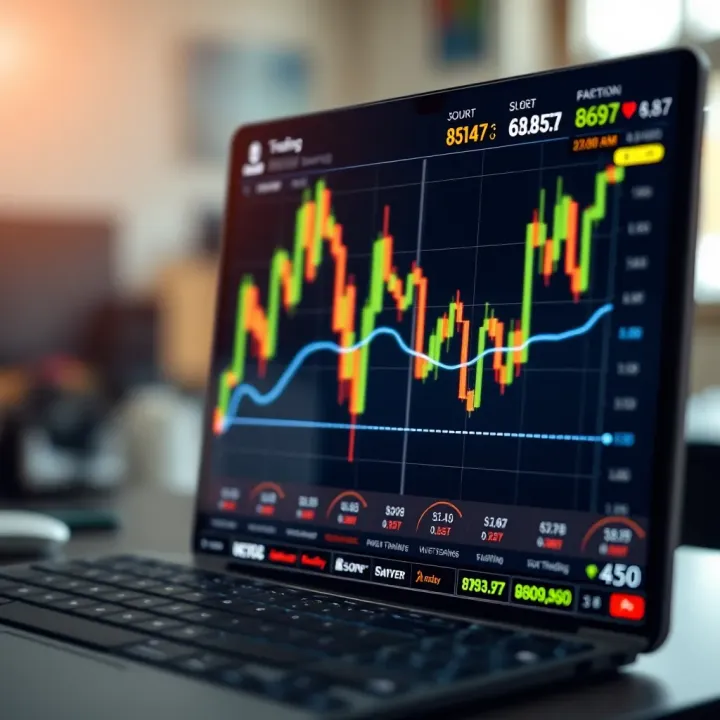
🤖 Discover robot trading apps in South Africa! Learn how they work, what to consider when choosing one, regulatory tips, and safe trading advice.
Explore how robot trading automates forex decisions 🤖, their pros and cons, key features, strategies, and tips for smarter trading in South Africa’s forex market.
Based on 7 reviews