
How Long Does an Ewallet Take to Reflect?
⏳ Wondering how long it takes for your ewallet to update? Get clear on transfer times, delays, and tips for South African users to manage your funds smartly.
Edited By
Amelia Clarke
In South Africa, eWallets have become a popular way to handle money swiftly without needing cash or physical cards. Traders, investors, and financial professionals frequently use these digital wallets for flexible and often instant transactions. However, transaction times can vary quite a bit depending on the provider, network conditions, and the nature of the transfer.
Understanding how long eWallet transactions usually take is key for navigating cash flow and managing investments effectively. For instance, when transferring money between two major eWallets like Vodacom's M-Pesa and MTN MoMo, the transaction tends to complete within seconds if both users are on the same network. However, moving funds from an eWallet to a traditional bank account can take longer, sometimes up to a few hours or even a business day.
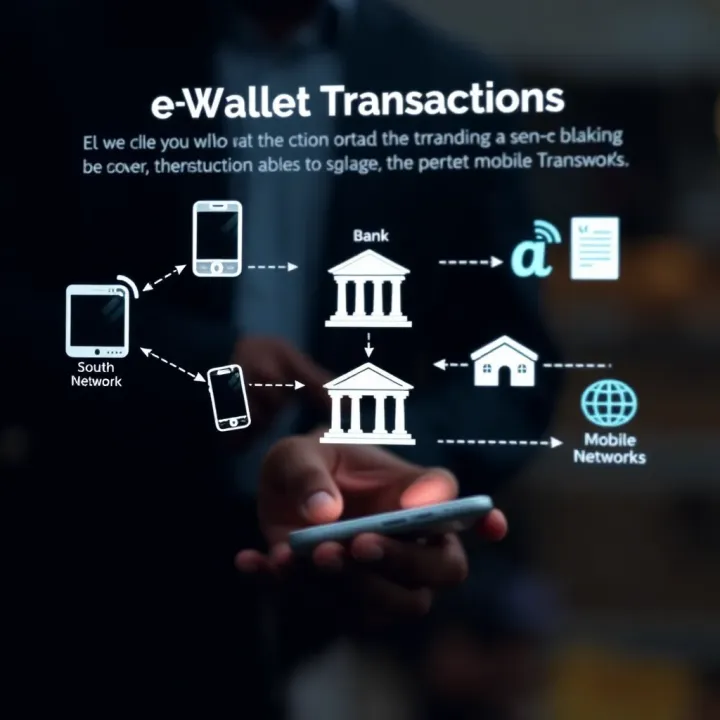
Several factors influence these timeframes:
Network traffic and peak times: Similar to internet congestion, higher use during payday or festive seasons can slow transactions.
Verification processes: Some providers require additional checks for security or Anti-Money Laundering (AML) compliance, possibly adding a delay.
Interoperability: Transfers between different eWallets or banks often need more time due to extra clearing steps.
Mobile network connectivity: Poor mobile coverage or unstable data connections can cause delays or failures in authorising transactions.
Knowing these factors helps you plan payments better and avoid surprises, especially when timing matters.
Most popular South African eWallet providers, like FNB’s eWallet, Standard Bank’s Instant Money, and Capitec’s Pay Wallet, aim for near-instant transfers within their own systems. Cross-platform or bank-initiated withdrawals usually take longer but remain efficient if initiated during banking hours.
For a practical example, a retail trader ordering forex exposure might use an eWallet transfer received within seconds as opposed to an EFT into a bank account, which could take hours to reflect. This speed difference can affect trade execution and market entry.
Clear communication about expected transaction times and fees from your eWallet provider can help you stay ahead. Plus, keeping your profile verified and updated reduces chances of unnecessary delays due to compliance holds.
In summary, while eWallets significantly speed up transactions in South Africa, understanding the quirks of each system and local network factors is vital for smooth financial operations.
Timing is a key factor when using eWallets in South Africa, especially for traders and financiers who often rely on swift access to funds. Understanding how long transactions typically take helps manage expectations and plan cash flow effectively. Whether you’re sending money for a deal or withdrawing funds for operational expenses, knowing typical timeframes keeps your business running smoothly.
Some eWallet transactions clear immediately because they operate within a digital, real-time system. For example, transferring money between two users on the same platform, like Vodacom’s M-Pesa, can happen within seconds. This instant transfer capability comes down to the system’s design—it bypasses traditional banks and processes payments on the spot.
However, delays can occur depending on several factors. Transactions involving different financial institutions or where security verification kicks in may take longer. For instance, withdrawing money from your eWallet to your bank could take anywhere from a few minutes up to several hours during busy periods or system maintenance. These delays usually last no longer than 24 hours but can stretch longer if additional compliance checks are involved.
Real-life examples reflect these patterns well. Sending R500 between two wallets on MTN Mobile Money often happens instantly, yet cashing out to an FNB account might take 30 minutes to an hour. In contrast, transactions processed over weekends or public holidays generally experience longer timeframes due to limited operating hours of banks and service providers.
Transferring money from one wallet to another usually clears quickest because it stays within the same digital ecosystem. This means no interbank reconciliation delays. For example, when a retail trader sends e-credits to a supplier’s wallet, the transfer often reflects immediately, allowing for fast payment certification.
Receiving money into your eWallet from another wallet also tends to be swift, but timing can depend on the sender’s network and verification status. If the sender’s account requires KYC (Know Your Customer) updates or carries a flagged status, the receipt might be held back for review.
Withdrawing funds from your eWallet into a bank account or requesting cash pickup is typically the slowest process. This step involves bridging digital and traditional banking systems, which often operate under different clearing cycles. For instance, a withdrawal from a Standard Bank integrated wallet might reflect within a few hours on business days, while weekend withdrawals could take longer due to bank processing schedules.
For business users and investors, these timings influence liquidity and should be factored into financial planning to avoid cash flow hiccups.
Understanding these timeframes helps you make informed decisions on which eWallet transactions suit your needs best, ensuring your money moves as quickly and securely as possible.
Understanding what slows down or speeds up eWallet transactions matters for anyone relying on these services for trading, investing, or daily business in South Africa. Various factors come into play, from network issues to security protocols and transaction sizes. Knowing these can help you plan and manage your funds more effectively.
The quality of your mobile network plays a significant role in how fast eWallet transactions process. If you're in a rural area or using a weaker 3G signal, your transaction might hang mid-way or take longer as the system struggles to maintain communication. For traders or brokers working from less connected regions, this can cause frustrating delays, especially when timing is vital.
Even in cities, temporary network overloads during peak hours can slow down transaction speeds. For example, MTN or Vodacom users might notice delays around lunchtime or early evening when data usage spikes. It's smart to monitor network signals before initiating large transfers.
Loadshedding can disrupt mobile base stations and servers, impacting eWallet transaction speeds or causing failures altogether. If a neighbourhood experiences Stage 3 or higher loadshedding, your mobile provider's infrastructure may struggle, leading to slower transaction processing or timeouts.
Financial professionals especially should consider having backup power solutions like power banks or inverters for their modems and routers. Plus, being aware of Eskom's schedule for your area can help you avoid initiating transactions just as the power cuts hit.
South African regulations require eWallet providers to meet Know Your Customer (KYC) standards, which means users must submit valid ID documents and verify their details. Until completed, transactions may be restricted or take longer to clear.
New users who haven't complied might find their first few transfers delayed as the system confirms their identity. This extra step adds a layer of security but also means that verifying your profile upfront speeds up future transactions.
Many eWallet services use two-factor authentication (2FA) to verify transactions, sending a one-time PIN via SMS or app notification. Sometimes delays in receiving the PIN, caused by network issues or phone settings, can hold up the transfer.
Ensuring your mobile device is set to receive these messages promptly and checking that your number is registered correctly with the provider reduces wait time. For those on multiple SIMs or dual-SIM phones, having the right SIM active during the authentication process is also important.
Providers monitor transactions for signs of fraud or unusual activity. If a transfer triggers a security alert—say a large fund movement or transactions from different provinces in quick succession—it might be paused for manual review.
While this protects users and the financial ecosystem, it can delay transaction completion by hours or even days. Traders should be mindful of this when making irregular transfers and expect potential holds.
Large transfers often require additional approval steps compared to smaller amounts. An example: sending R50,000 might clear within hours, but R500,000 could need extra verification.
Providers tend to flag high-value transactions for extra checks to comply with banking regulations and prevent money laundering. For analysts or investors moving big sums, setting transfers early and allowing buffer time is wise.
South African eWallets come with limits, often capped per day or month. For instance, Vodacom’s M-Pesa may limit daily transfers to R50,000 and monthly totals to R250,000, though these figures vary between services.
Going over these limits can cause transactions to be rejected or delayed until the next cycle. Monitoring your transfer history helps avoid hitting ceilings unexpectedly.
Being aware of how network quality, security checks, and transaction limits affect your eWallet use lets you plan cash flow better. This is especially true in South Africa’s unique environment with loadshedding and mobile coverage variations.
By staying informed and compliant, you reduce frustrating delays and keep your money moving when it matters most.
Choosing the right eWallet provider in South Africa can influence how quickly your transactions process. Different platforms offer varying speeds, features, and integration with banks—factors that traders, investors, and financial professionals should weigh carefully. Knowing the typical durations and potential delays helps you plan cash flow, avoid costly hold-ups, and manage risks effectively.
Typical transaction durations: M-Pesa boasts near-instant transfers between wallets, making it popular for quick payments in both urban and rural areas. Sending money to another user typically clears within seconds, which is handy for daily trading or urgent payments. However, withdrawing funds from M-Pesa to a bank account can take up to 24 hours, especially outside banking hours or on weekends.
Known delays or service outages: Despite its efficiency, M-Pesa users sometimes face delays linked to network congestion or scheduled maintenance, especially during peak hours or festive seasons. Eskom loadshedding can also affect mobile network stability, indirectly slowing transaction approvals. It’s practical to monitor Vodacom’s service alerts to avoid unexpected interruptions.
Speed of sending and receiving funds: MTN Mobile Money typically processes wallet-to-wallet transfers instantly. The system is reliable for quick exchanges, which suits active traders needing rapid fund movements. Receiving money is also swift, offering real-time balance updates that help with accurate cash flow management.
Withdrawing money to bank accounts: Withdrawal times vary depending on the linked bank, but generally, transfers to traditional bank accounts take a few hours to clear, sometimes extending to one business day. For financial operations sensitive to timing, it's wise to factor in these delays when planning settlements.
Capitec’s eWallet features: Capitec offers a digital wallet fully integrated with its banking app, allowing customers to send money instantly within the Capitec ecosystem. This seamless integration is convenient for investors and businesses managing multiple transactions daily, cutting down waiting times traditionally seen with EFTs.
FNB digital wallet services: FNB’s wallet enables instant transfers between wallets and accounts, with handy features like scanning QR codes for payments. The bank’s extensive network ensures reliable service, though withdrawals to non-FNB banks may take longer, typically up to 24 hours under normal circumstances.
Timelines for transfers to and from banks: Transfers from eWallets to local banks often mirror conventional EFT timings—usually clearing within the same day if done before cut-off times, or the next business day otherwise. Similarly, funds moving from banks into eWallets usually reflect quickly but can sometimes experience slight delays during weekends or public holidays.
Comparing providers helps you pick the right eWallet that balances speed, reliability, and integration. For financial professionals, knowing these nuances prevents surprises and ensures smooth money management across South Africa's unique banking and network landscape.
Minimising hold-ups in eWallet transactions can save you time and frustration, especially if you're relying on these payments for business or urgent investments. Simple actions on your side often make the difference between an instant transfer and a payment that drags on, sometimes unnecessarily. This section offers practical advice on how to keep your eWallet transactions running smoothly, covering verification, network factors, and transaction management.
Keeping documentation up to date is a key step to avoid unnecessary delays. eWallet providers often require valid ID documents, proof of address, or updated bank details to stay compliant with South African financial regulations. For example, if you recently moved and still have old address details linked, your transaction might be held up for verification. Staying on top of these updates—especially for frequent users—helps keep your transfers clear and quick.
Completing RICA and FICA requirements is mandatory for all mobile money services and financial transactions in South Africa. RICA (Regulation of Interception of Communications and Provision of Communication-related Information Act) and FICA (Financial Intelligence Centre Act) require providers to verify user identity for security and anti-fraud reasons. Failing to complete these requirements often leads to frozen wallets or delayed transactions until compliance is confirmed. For example, if you haven’t submitted your ID copy and proof of residence properly, your eWallet service may restrict transfers, or require extra checks, slowing everything down.
Checking mobile network conditions matters, especially considering South Africa’s occasional network fluctuations and Eskom load shedding. If your mobile network is patchy or offline, your eWallet app may fail mid-transaction or face extended delays. Keeping an eye on your mobile provider’s coverage and signal strength in your area can help prevent missed or stalled payments. For instance, making transfers in peak network downtime (just after loadshedding) often results in failed or delayed transactions.
Following provider announcements on outages or maintenance is another way to stay ahead. Many eWallet services, including Vodacom’s M-Pesa and MTN Mobile Money, regularly announce planned maintenance or unexpected outages via SMS, email, or their websites. Ignoring these alerts risks sending payments during service downtime, leading to delays or even lost transactions temporarily. Staying informed helps you plan transfers around these periods, especially if you’re handling business payments or time-sensitive transfers.
Splitting large transactions can reduce the chance of delays due to system flags for suspicious activity or large-amount verification. Most eWallets and banks have daily or monthly limits—Capitec and FNB wallets are good examples—with higher-value payments often requiring extra checks. Instead of sending R20,000 in one go, splitting it into smaller chunks avoids triggering compliance hurdles and facilitates faster clearance.
Avoiding sending money at peak hours is often overlooked yet very practical. Early mornings or late afternoons usually see high transaction volumes as people handle payroll, invoices, or personal payments before deadlines. Peak times can cause slow network responses or server overload, resulting in delayed transfers. Planning transactions during off-peak times, like mid-morning or early afternoon, can speed things up and reduce the chance of unexpected hold-ups.
Staying proactive about verification, network status, and transaction habits helps keep your eWallet payments running smoothly. It may take a bit of extra effort, but avoiding delays pays off, especially when time is money in trading and investment circles.
Understanding common questions about eWallet transaction times is practical for anyone actively using or considering these digital payment methods in South Africa. Real-life delays, speed comparisons, and regional differences often confuse users, including traders and investors who depend on timely payments and transfers for business decisions. This section clears up such uncertainties, providing straightforward answers to help navigate and manage expectations around eWallet transactions.
Transfers sometimes take longer due to a mix of technical and regulatory reasons. For example, if your transaction involves larger sums—say above R10,000—it might trigger additional verification steps to comply with Financial Intelligence Centre Act (FICA) regulations. Network issues can also slow things down, especially when mobile services suffer from load-shedding-related outages or weak coverage in certain areas. Another common cause is activity flagged as unusual; providers need time to review these for security reasons before clearing the transfer. An illustration is when a trader sends funds late on a Friday; the process could stall over the weekend due to limited operational hours at banks or service providers.
Generally, eWallet transfers tend to be faster than Electronic Funds Transfers (EFTs) processed through banks. EFTs in South Africa often take 2-3 business days, depending on the banks involved and cut-off times for submissions. In contrast, many eWallets offer near-instant transfers, especially between wallets operated by the same provider or linked to mobile money services. However, withdrawing eWallet balance to your bank account may use the EFT system, inheriting its usual delays. For merchants and investors who frequently need to cash out, this difference matters, especially during tight cash flow periods.
Yes, transaction speed can differ depending on where you are and which mobile network you use. Areas with strong 4G coverage, like Gauteng or the Western Cape, usually experience quick, reliable eWallet transactions. Meanwhile, rural or remote locations in provinces such as the Eastern Cape or Limpopo might see delays owing to patchy mobile service. Similarly, network congestion during peak hours or outages related to MTN, Vodacom, or Telkom services can slow transaction processing. Traders and investors should be mindful that their mobile network’s status can directly affect payment timings, so monitoring reports on maintenance and outages helps avoid surprises.
Practical tip: If your business relies on speedy payments, keep backup connectivity options and ensure your KYC (Know Your Customer) details are up to date to prevent verification delays.
By understanding these FAQs, users get a clearer picture of what influences eWallet transaction times and how they can manage or anticipate delays, which is crucial for effective financial planning and decision-making in South Africa’s context.
⏳ Wondering how long it takes for your ewallet to update? Get clear on transfer times, delays, and tips for South African users to manage your funds smartly.

📋 Learn how to spot a genuine loan offer in South Africa! Get practical tips to avoid scams, verify lenders, and know your legal rights when borrowing money.
📲 Learn how to withdraw cash with FNB eWallet in South Africa! Step-by-step guide covers fees, limits, and withdrawal methods for easy access to your money. 💸

⌛ Wondering how long withdrawals take on Deriv? Discover typical payout times, payment methods for South Africans, verification tips, and what to do if delays occur. 💸
Based on 8 reviews