

Best Synthetic Indices Brokers for MT5 in South Africa
Find the best South African brokers for trading synthetic indices on MT5 📊. Learn key features, benefits, and tips for successful trading today!
Edited By
Daniel Hughes
Loan offers pop up all the time—whether online, through mobile apps, or even by phone. But in South Africa’s diverse lending market, it’s not always easy to tell if an offer is genuine or if it’s a scam designed to rip you off. Having clear signs to spot legitimacy helps protect your hard-earned rand and saves you from headaches down the road.
A legitimate loan comes from a registered lender who follows South African laws, including regulations from the National Credit Regulator (NCR). These lenders provide clear terms, fair interest rates, and won’t pressure you into quick decisions. Scam lenders, on the other hand, often use high-pressure sales tactics, hidden fees, or promise loans without any credit checks—which is usually unrealistic.

Here’s why this matters: scammers often target people looking for quick cash, especially in tough economic times or when loadshedding disrupts income. Losing money to a dodgy loan offer can worsen your financial situation.
Remember: A genuine loan offer is transparent, verifiable, and respects your rights as a borrower. If something feels too good or too rushed to be true, it probably is.
Later in this article, you'll find questions to ask, red flags to spot, and practical steps to verify your lender. For now, understand that distinguishing a real from a fake loan is about knowing the right signs and trusting your instincts.
With this groundwork, you’re better placed to keep your finances safe and only commit to loan agreements that serve you well.
Knowing how to spot a genuine loan offer is vital, especially in South Africa’s diverse credit landscape. With many lenders competing and some less scrupulous actors around, recognizing legitimate loans can save you from costly mistakes and scams. It's about understanding what proper lending looks like, what to expect, and being able to distinguish the real deals from the dodgy ones.
Licensed lenders operate under strict oversight, mainly by the National Credit Regulator (NCR). This means they have met the necessary legal requirements and commit to responsible lending practices. For example, a bank like FNB or a registered micro-lender must show valid licensing and regularly report to the NCR, ensuring transparency and consumer protection. Dealing with licensed lenders reduces the risk of encountering fraudulent schemes or unfair loan conditions.
Genuine loans come with clear and straightforward terms. Before you sign anything, expect to receive detailed information on interest rates, fees, the total repayable amount, and your repayment dates. For instance, a loan agreement should specify whether the interest rate is fixed or variable and how any penalties for late payment apply. This clarity helps you plan your budget and avoid surprises later.
A legitimate loan will always include formal documentation — a contract outlining rights and responsibilities for both you and the lender. This paperwork serves as evidence of the loan and includes all key terms like the loan amount, repayment period, and interest. It is not just a formality but your legal safeguard. Without it, you risk entering into agreements that could be difficult to enforce or challenge.
The NCR regulates the credit industry in South Africa and ensures lenders comply with the National Credit Act (NCA). The regulator’s role includes licensing credit providers, monitoring their conduct, and protecting consumer rights. The NCR also runs a public register where you can check if a lender is authorised. Knowing this helps you steer clear of unregistered lenders who may engage in unethical or illegal practices.
You can verify any lender’s registration by searching the NCR’s online database or requesting proof directly from the lender. For example, if a micro-lender cannot provide a valid licence or appears reluctant to confirm compliance, this should raise a red flag. Checking also helps confirm the company’s legitimacy and that it follows the rules on interest rates, fees, and debt counselling.
The NCA is designed to protect borrowers by preventing reckless lending and ensuring transparency. Legitimate lenders follow this Act closely, which means you have rights such as receiving full disclosure before signing and access to dispute resolution if issues arise. Understanding the NCA’s protections helps borrowers identify unlawful lending practices, avoid unfair debt traps, and seek help where necessary.
Ensuring your loan offer is backed by registration with the NCR and clear documentation is your best defence against fraud and confusion. This foundation lays the groundwork for safer borrowing and financial peace of mind.
In short, recognising legitimate loan offers means verifying the lender’s credentials, demanding clear terms, and insisting on proper contracts. These steps enable you to borrow wisely, manage repayments effectively, and avoid the pitfalls faced by many South African borrowers.
Spotting warning signs early can save you from falling into the trap of a loan scam. Scammers often mimic legitimate lenders closely enough to confuse even savvy borrowers. However, certain red flags stand out – such as asking for money upfront or pressurising you into quick decisions without proper documentation. Knowing what to watch for helps protect your finances and peace of mind.
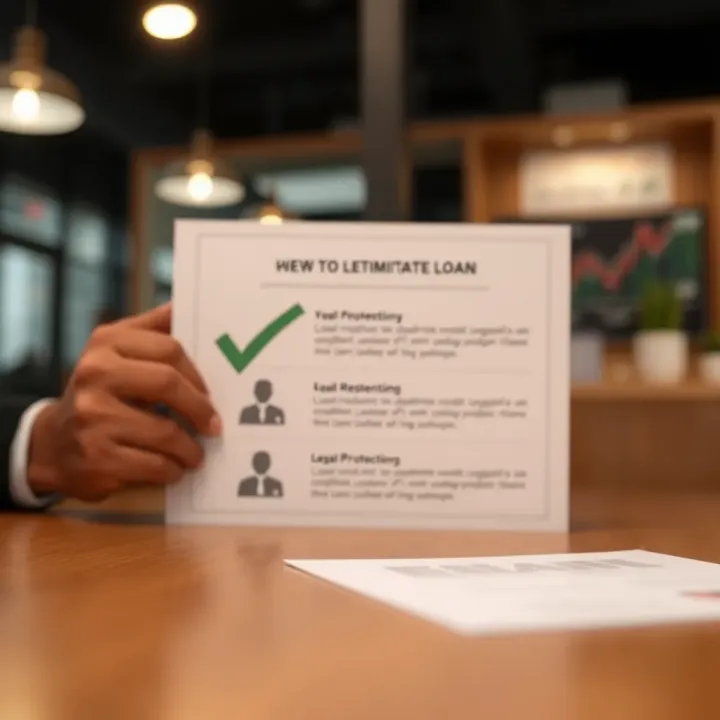
It’s a straightforward rule but easy to forget when desperate for cash. Genuine lenders don’t ask you to pay application or processing fees before the loan is granted. If you’re asked for money upfront, especially via untraceable methods like airtime vouchers or cryptocurrency, consider it a major warning. In one example, a borrower in Gauteng was asked to 'secure' a loan by sending R3,000 in prepaid airtime — a classic scam manoeuvre.
Advance-fee fraud happens when scammers promise loans but require payment upfront for hidden costs like insurance or legal fees. These charges sound plausible but are just a way to steal money. Often, as soon as the fee clears, all communication dries up. If the lender refuses to sign a proper loan agreement before requesting any fees, that’s a huge red flag.
When fees are legitimately part of a loan process, payments should be traceable and made through recognised channels, like direct EFT to a registered bank account or in-person at an authorised office. Always ask for official receipts and contracts. Avoid sending money via platforms without buyer protection or through anonymous means.
Legitimate loan providers allow you time to consider terms and ask questions. Scammers often rush you, pushing to sign agreements immediately or threaten that an offer will vanish if you delay. For example, a debt counselling client once reported a lender who insisted on a same-day deposit, stressing urgency to bypass usual checks.
Loan offers popping up in your email junk folder or as WhatsApp messages from unknown numbers should be treated with caution. Reliable lenders rarely use such tactics. Often, these messages contain links to fake websites designed to harvest your personal details. Better to approach lenders directly or via official platforms.
If the lender won’t share a verifiable street address, company registration number, or hard copy contract, your instinct should kick in. Genuine businesses operate transparently and provide physical location and documentation on request. Absence of this information often means the lender is not above board.
If any aspect of a loan offer feels rushed, unclear, or demands payment before approval, pause and verify. Protect yourself first – many scams thrive on desperation and hurried decisions.
By staying alert to these red flags, you can spot dubious loan offers early and avoid costly mistakes.
Verifying a loan provider’s credibility is a must to avoid falling into the trap of scams. With so many lenders on the market, a quick background check can save you from costly mistakes and stress. It gives you peace of mind knowing you’re dealing with a legitimate entity, especially in South Africa’s sometimes tricky financial landscape.
Searching the NCR online register is one of the most straightforward ways to check if a loan provider is on the level. The National Credit Regulator (NCR) keeps a public database of all registered credit providers. Before signing anything, spend a few minutes on the NCR website looking up the lender’s name. If they’re missing from the register, that’s a red flag — they aren’t authorised, and their loans could be unlawful or risky.
Contacting the lender directly for proof of licence adds an extra layer of certainty. Legitimate lenders should readily provide you with their NCR registration number or licence on request. If they hesitate, dodge your questions, or provide vague answers, it may hint at dodgy dealings. Always ask for official documents, and if possible, confirm these with the NCR.
Reading online reviews and consumer feedback offers insights straight from other borrowers’ experiences. South Africans commonly share their loan horror stories or praise good service on platforms like HelloPeter or consumer forums. Look out for patterns: repeated complaints about hidden fees, delays, or aggressive collection tactics can help you steer clear. Just remember not all reviews are truthful; weigh multiple sources before deciding.
Reporting suspicious lenders to the NCR helps protect others from fraud. If anything feels off, don’t wait until it’s too late. The NCR investigates complaints about unregistered or unscrupulous credit providers and can take action. By reporting, you help keep the lending space cleaner and reduce the risk for fellow consumers.
Getting advice from consumer protection bodies like the National Consumer Commission (NCC) or financial ombudsman services can clarify your rights and next steps. These bodies offer guidance when you’re unsure about a loan agreement or suspect you’re dealing with a rip-off. For example, South African consumers commonly approach them for help in disputes over unfair charges or loan defaults.
Using official financial service complaint mechanisms ensures you have a channel to lodge formal disputes if problems arise. Most registered lenders fall under financial ombudsman jurisdiction, meaning you can escalate matters without costly legal battles. This process often results in faster resolutions compared to going through courts.
Taking time to verify your lender can save you from high-interest traps, illegal fees, or worse. A bit of homework upfront is worth more than a lifetime of regret.
By putting these steps to work, you’ll improve your chances of securing a genuine, fair loan and avoiding the nightmare of loan sharks or fraudsters. It’s your money and your future; keep a close eye on who you trust with it.
Knowing your rights as a borrower is not just a legal safeguard—it's a practical shield against unfair lending practices. In South Africa, the National Credit Act (NCA) gives you specific protections designed to prevent exploitative loans and to ensure you're fully informed before you commit. Especially if you're looking at loan offers that seem a bit off or lenders that don’t quite add up, understanding these rights can save you from costly mistakes and headaches.
The NCA requires lenders to assess your financial situation before approving a loan. This means they must take a close look at your income, expenses, and existing debts to ensure you can realistically afford the repayments. It’s not just about ticking boxes; the idea is to prevent you from ending up drowning in debt you can’t manage. If a lender ignores or fudges this process, you have the right to challenge the credit agreement later on. For example, if you took out a personal loan but lost your home because you couldn’t keep up with payments, you could ask a tribunal to review whether the lender was reckless in granting that credit.
One of the most important protections is that lenders must give you all the loan details in writing before you sign anything. This includes the full cost of the credit (interest rates, fees, and charges), repayment schedules, and your rights and responsibilities. If the terms are vague or hidden in fine print, it’s a red flag. Clear communication helps you make an informed choice and compare different offers properly. Think of it like buying a car—you wouldn’t agree to pay without knowing the full price and extras. It’s the same deal with loans.
If things go south, the NCA provides pathways to resolve disagreements without immediately heading to court. You can approach debt counsellors who act as mediators between you and your lender. They help assess your situation and, if possible, arrange manageable repayment plans. This process can prevent worse outcomes like blacklisting or legal action. For instance, if your monthly repayments become too heavy due to unexpected expenses, engaging a debt counsellor early can ease the pressure and help you avoid default.
Should you encounter a dubious lender or unfair treatment, the first step is to lodge your complaint with the National Credit Regulator (NCR). They oversee compliance with the NCA and are empowered to investigate complaints. Complaints can usually be submitted online, by email, or even by post. It’s vital to follow the NCR’s procedure exactly to avoid unnecessary delays. Besides the NCR, consumer bodies like the Consumer Goods and Services Ombud can be alternative channels if the complaint crosses into service or product territory.
When filing a complaint, be prepared with specific details: the lender’s name, dates of correspondence, copies of all agreements and notices, and a clear outline of your issue. Concrete evidence speeds up the investigation and helps officials understand your case fully. For example, if you’re disputing an incorrect fee being charged, provide the loan contract and statements highlighting the discrepancy. Avoid vague complaints that lack supporting documents, as they tend not to get traction.
The complaint process isn’t instant—it can take several weeks or sometimes a few months, depending on the case complexity and the NCR’s workload. During this period, expect to be contacted for further information or clarification. Outcomes vary: it might lead to corrective action by the lender, a formal reprimand, or in some cases, cancelling of unfair credit agreements. Keep copies of all correspondence and notes on your interactions for your own records. Persistence helps—if a complaint stalls, follow up or seek advice from legal aid organisations.
Being clear on your rights and how to enforce them is the best way to protect yourself from sketchy loans. Knowing not just what’s fair, but how to act when things go wrong, puts you in the driving seat.
Understanding these legal protections builds confidence in your financial decisions and steers you away from the traps some lenders set. Always be prepared, ask questions, and don’t settle for less than transparent, fair treatment when it comes to borrowing.
Borrowing money safely means understanding your options, protecting your information, and managing your finances responsibly. Following practical tips helps you avoid traps, delays repayment struggles, and guards against identity theft or fraud. This is especially relevant in South Africa, where loan scams and reckless lending still cause harm.
Matching your loan type to your financial situation is the first step. For instance, a short-term personal loan might help with unexpected car repairs but won’t be suitable for buying a home or funding education. Understand whether you need secured or unsecured credit, and consider the term length that fits your income flow. A taxi driver with irregular earnings may prefer smaller, flexible instalments to avoid stress during lean weeks.
When comparing interest rates and fees, don’t just look at the headline rate. Calculate the total cost of borrowing, including initiation fees, monthly service charges, and any penalties for late payments. A seemingly cheap loan from an unlicensed provider often hides exorbitant extras. South African lenders registered with the National Credit Regulator (NCR) must disclose the Annual Percentage Rate (APR), which helps you compare different offers fairly.
Avoiding over-indebtedness is vital. Never borrow more than you can comfortably repay. Use realistic budgeting—factor in monthly expenses, other debt repayments, and unexpected costs. Takealot deliveries or school fees can upend plans if your budget is tight. If your debt repayments exceed about 30% of your income, it’s time to reconsider or seek advice from a debt counsellor.
Safeguarding your personal information is crucial both before and during borrowing. Avoid sending your ID, bank statements or payslips via WhatsApp or email unless you are certain the recipient is legitimate and their channels are secure. Sharing data in public places or over unsecured Wi-Fi puts you at risk of identity theft. Always check if the lender’s website is secured (https) and use official contact points.
Avoid sharing banking details unnecessarily. Some scammers ask for your internet banking login details or PINs, which no legit lender will request. If a lender demands this, that's a red flag. Register for services like MyBroadband or take advantage of FNB’s secure banking app to confirm authentic lender communication.
Regularly monitoring your credit report helps you catch possible fraud or billing mistakes early. In South Africa, you can request one free credit report annually from any registered credit bureau, such as TransUnion or Experian. Spotting unknown credit applications or unexpected defaults lets you take timely action—either through the bureau’s dispute process or with help from the National Credit Act’s protected channels.
Staying cautious and informed about your borrowing keeps you in control and protects your financial health.
By choosing loans that fit your specific needs and staying vigilant about your personal details, you can steer clear of common pitfalls in South Africa’s lending market. This balanced approach fosters healthy credit habits and lessens the financial stress many encounter today.
Find the best South African brokers for trading synthetic indices on MT5 📊. Learn key features, benefits, and tips for successful trading today!

📈 Learn the 5 ERS trading strategy in forex to spot reliable setups, manage risk, and enhance your trading with clear examples and smart tips.

🚀 Explore how SpaceX is reshaping space travel with cutting-edge rockets, bold missions, key partnerships, and its influence on global space industry.

📈 Master surge trading with practical strategies and tools tailored for active traders in South Africa. Learn to spot sharp price moves and manage risks smartly.
Based on 6 reviews