
A Practical Guide to Crypto Trading in South Africa
📈 Learn how to trade crypto safely in South Africa with practical tips on local platforms, risk control, tax rules, and security to trade smarter and confident.
Edited By
Daniel Clarke
Derivative trading refers to buying and selling contracts whose value depends on the price of an underlying asset. These assets may include shares listed on the JSE (Johannesburg Stock Exchange), commodities like gold or platinum, currencies such as the rand (ZAR), or even interest rates. Unlike owning the asset itself, derivatives let you speculate or hedge without physically holding the asset.
South African investors find derivatives useful for several reasons. They can protect a share portfolio against sudden price drops or profit from expected market moves with limited upfront capital. For example, using options on Naspers shares lets investors secure a selling price without selling the shares immediately. On the other hand, derivative trading carries risks—losses can exceed initial investments if the market moves unfavourably.
The main types of derivatives traded locally and internationally include:
Futures: Agreements to buy or sell an asset at a set price on a future date.
Options: Contracts giving the right, but not the obligation, to buy or sell at a predetermined price.
Swaps: Agreements to exchange cash flows or financial instruments.
In South Africa, derivative markets are primarily regulated by the Financial Sector Conduct Authority (FSCA) and operate through licensed exchanges such as the JSE Derivatives Market. These rules aim to protect investors and maintain market integrity. Understanding local regulations is key, especially concerning margin requirements and reporting obligations.
Proper knowledge of derivatives helps you manage risk rather than blindly betting on price moves.
When getting started, consider:
The purpose of your trade: Speculation, hedging, or arbitrage.
The specific derivative product and how it works.
Your risk tolerance and capital allocation.
Local brokers offering derivative services typically provide guidance and templates to manage exposure safely. Combining theoretical knowledge with practical examples, such as hedging rand-dollar currency exposure if you import goods, builds confidence.
With careful study, derivative trading can be a powerful addition to a South African investor’s toolkit.
Derivatives are financial contracts whose value depends on an underlying asset, like stocks, bonds, commodities or currencies. Understanding what derivatives are and how they operate is essential for South African investors keen on expanding their trading toolkit. They offer ways to manage risk, speculate on price changes without owning the actual assets, and increase market efficiency.
The core of a derivative is its underlying asset. This could be something tangible, such as gold or agricultural products like maize, or intangible financial instruments like shares in companies listed on the JSE. The performance or price movement of that asset directly influences the derivative’s value. For instance, a derivative based on the price of platinum will rise or fall as platinum’s price fluctuates globally.
Derivatives don’t have intrinsic worth themselves; their value ‘derives’ from the underlying asset’s market performance. This linkage means traders can gain exposure to price movements without actually buying or selling the underlying asset. For example, through a derivative contract, an investor could bet on the future price of the rand-US dollar exchange rate, profiting if the rand strengthens or weakens, depending on their position.
The main derivative types include forwards, futures, options and swaps. Forwards and futures are agreements to buy or sell an asset at a set price on a future date. Futures are traded on exchanges like the JSE, offering more transparency and standardisation than private forwards. Options grant the right — but not the obligation — to buy or sell at a certain price before expiry, useful for flexible strategies. Swaps involve exchanging cash flows, often to manage interest rate or currency risks and tend to be used by institutions rather than retail traders.
Derivatives contribute significantly to price discovery – the process where market prices reflect all available information. By allowing contracts based on future expectations, derivatives markets provide insight into where commodity prices, interest rates, or exchange rates may go. This information filters back to spot markets, helping to align prices more closely with true economic value.
One practical use of derivatives lies in hedging. Take a South African farmer worried about maize prices dropping before harvest; they can use futures contracts to lock-in a selling price, avoiding losses if prices tumble. Similarly, importers and exporters hedge currency risks using currency swaps or options, protecting their costs from rand volatility.
Besides risk management, derivatives also attract speculators aiming to profit from price moves. This activity increases market liquidity — the ease of buying or selling assets. Liquidity ensures traders can enter or exit positions quickly without causing large price swings, which is vital for efficient markets.
Derivatives aren't just complicated financial tools; they serve practical roles for managing risks and creating more transparent, efficient markets. Understanding how they work gives South African investors a useful edge in navigating local and global markets.
South African investors should familiarise themselves with the main types of derivatives since each has distinct features and practical uses. Understanding these tools allows traders to pick the right instruments for hedging, speculation, or portfolio management in both local and global markets.
Futures and forwards are contracts agreeing to buy or sell an asset at a set price on a future date. However, futures are standardised contracts traded on exchanges like the Johannesburg Stock Exchange (JSE), offering greater transparency and less counterparty risk. By contrast, forwards are private, customised contracts, usually over-the-counter (OTC), which exposes parties to higher default risk but allows flexibility in terms and settlement.
For South African commodity producers, futures provide a secure way to lock prices publicly. Meanwhile, a local business might use forward contracts to hedge exposure to forex fluctuations tailored to its specific needs.
On the commodities side, futures contracts on gold or maize are popular on the JSE. Suppose a maize farmer wants to protect against price drops before harvest. They could sell maize futures to fix their selling price now, minimising uncertainty.
In financial markets, futures on interest rates or equity indexes help investors speculate or hedge economic shifts. A pension fund manager anticipating rising interest rates might short interest rate futures to offset portfolio losses.
Options offer the right, not obligation, to buy (call) or sell (put) an asset at a set price before expiry. For example, a South African retail investor expecting a rally in Naspers shares could buy call options to control a large position with limited initial outlay.
Put options, on the other hand, serve as insurance when investors worry about declines. Buying puts on the Top 40 index can protect a portfolio against sudden drops, much like an emergency brake.
Simple strategies like buying calls or puts suit beginners seeking directional bets with defined risk. More advanced approaches include covered calls — holding shares while selling call options to generate income.
Spreads involve buying and selling options at different strike prices to reduce cost and risk. South African option traders should start small and focus on practical tactics before delving into complex plays.
Options offer asymmetric payoff; small premiums can yield large returns but can expire worthless if the market doesn’t move as expected. The risk of losing your entire premium is real, especially when timing the market wrongly. Therefore, understanding implied volatility and strike placement is key.
An interest rate swap involves exchanging fixed-rate interest payments for floating rates, or vice versa. South African companies with loans linked to JIBAR (Johannesburg Interbank Agreed Rate) may swap their floating debt for fixed payments to stabilise interest expenses amid rate changes.
These contracts allow parties to exchange principal and interest payments in different currencies. A South African exporter dealing in US dollars might use currency swaps to match dollar revenues with dollar obligations, limiting forex exposure.
Large financial institutions and pension funds employ swaps for risk management, portfolio enhancement, or regulatory capital relief. While these trades are less accessible to smaller investors, understanding their function helps appreciate broader market dynamics and counterparties’ strategies.
Derivatives come in many shapes, but knowing each type's unique benefits and pitfalls helps South African investors navigate markets confidently and make informed decisions.
Derivative trading offers investors and businesses practical tools to manage financial risks, boost returns, and improve portfolio balance. This flexibility is what makes derivatives popular worldwide and in South Africa, especially given the country’s exposure to commodity price swings, currency fluctuations, and interest rate changes.
Derivatives help businesses and investors lock in prices or rates to avoid nasty surprises. For example, a maize farmer worried about a drop in maize prices can use a futures contract to secure a selling price in advance. This way, they get peace of mind regardless of market changes at harvest time.
In finance, companies can hedge against interest rate hikes by using interest rate swaps, effectively fixing their borrowing costs. This strategy shields them from sudden increases in loan repayments, helping with cashflow stability.
Mining companies in South Africa often face volatile global commodity prices. By trading commodity derivatives, they can protect income streams during price falls. This is especially crucial because many South African miners have operational costs fixed in rand but profits linked to US dollar prices.
Similarly, importers and exporters keep an eye on the rand/dollar exchange rate. Currency forwards or options allow them to lock in rates, preventing losses from currency swings — a major headache during times of rand weakness.
Some traders use derivatives to bet on price changes without owning the underlying assets. This ability to profit from both rising and falling markets, plus the chance to enter and exit positions quickly, attracts speculators. For instance, a trader predicting a rally in the JSE Top 40 index might buy index futures to gain exposure with a relatively small upfront cost.
Derivatives often require only a fraction of the total contract value as margin. This means traders can control large positions with less capital — a double-edged sword. While leverage can amplify profits, losses can also mount quickly, sometimes exceeding the initial investment. Understanding margin requirements and maintaining sufficient account balances is crucial to avoid forced liquidations or sudden margin calls.
Derivatives can add new dimensions to a portfolio, allowing investors to balance risks they face elsewhere. For example, using options to insure a shareholding can reduce downside risk without selling out. This flexibility enables smoother returns and better management of market volatility.
Arbitrage traders look for pricing imbalances between related markets to earn low-risk profits. They might exploit differences between futures prices and spot prices or between currencies in the forex and derivative markets. South Africa’s markets, influenced by various global and local factors, can occasionally offer such opportunities — but acting fast and having good market access is key.
Derivatives are not magic but practical tools. Used wisely, they can offer protection, profit, or improved diversification. The challenge is understanding their complexity and risks well enough to make informed decisions.
Trading derivatives comes with significant risks that every South African investor needs to understand before jumping in. Unlike direct investments in stocks or bonds, derivatives can quickly multiply gains or losses due to their inherent leverage and complex structures. Being aware of risks helps you manage exposure, avoid nasty surprises, and make informed decisions.
Volatility impact: Derivatives are often more sensitive to market volatility than the underlying assets themselves. Price swings in commodities like gold or currencies such as the rand can change rapidly, making derivative positions go up or down in value fast. For instance, during loadshedding disruptions or political uncertainty, rand volatility might spike, affecting currency futures or options prices. If you’re on the wrong side of these swings, losses can escalate quickly.
Unexpected price movements: Sometimes markets react in ways that no model predicts. A sudden change like a surprise interest rate cut by the South African Reserve Bank or a major JSE crash can cause derivative prices to behave unpredictably. Such movements might wipe out hedges or be triggered by external events like changes in global commodity prices or geopolitical tensions affecting South Africa’s export markets.
Default risk in over-the-counter trades: When you trade derivatives off-exchange (OTC) with a dealer or a bank rather than on a regulated exchange like the Johannesburg Stock Exchange (JSE), there's a chance that the other party might default. If the counterparty fails to meet their payment obligations, you could face losses even if the underlying asset moves in your favour.
For example, if a small Johannesburg-based company enters a forwards contract with a local bank and the bank faces liquidity problems, your expected payoff might not materialise.
Mitigation techniques: To reduce such risks, many traders insist on collateral or margin agreements. Clearinghouses linked to exchanges like the JSE usually act as middlemen to guarantee trades, cutting counterparty risk drastically. Credit risk can also be managed by dealing only with well-established counterparties, maintaining clear contract terms, and regularly monitoring the financial health of trading partners.
Compliance requirements in South Africa: South African derivative traders must comply with Financial Intelligence Centre Act (FICA) rules, anti-money laundering requirements, and FSCA regulations. Failure to meet reporting or disclosure standards can result in penalties and halt of trading activities. Knowing these regulations helps avoid disruptions and legal troubles.
For example, brokers must verify client identities sharply to prevent illicit trading practices. Traders should be aware of SARS tax compliance around derivative gains or losses, as these affect overall portfolio performance.
Technology and system failures: Derivative trading depends heavily on electronic platforms and real-time data. Any glitch in brokers’ trading systems, network outages, or cyber attacks can lead to missed trades or incorrect pricing. During times of market stress, such failures can magnify losses.
For instance, if your internet connection drops during an important market move in the USD/ZAR futures, you might miss critical closing positions. Hence, having backup systems and working with reliable platforms is essential for smooth operations.
Remember, managing risks isn't about avoiding derivatives altogether but recognising and preparing for the different challenges they bring.
Understanding these risks and controls helps South African investors navigate derivative markets more confidently, protecting their capital while taking advantage of opportunities.
Understanding the legal and regulatory framework is essential for anyone trading derivatives in South Africa. It ensures traders operate within the law, protect their investments, and navigate the complexities of financial markets confidently. South Africa’s push for transparency and investor safety has shaped clear rules that help prevent market abuse and promote fair trading practices.
The Johannesburg Stock Exchange (JSE) operates South Africa’s primary derivatives market. It offers a structured environment where various derivatives—including options and futures—are traded. Because the JSE is the main platform for derivative products, it plays a critical role in maintaining market stability and ensuring efficient price discovery. For investors, this means trading on the JSE offers access to regulated contracts backed by clearing mechanisms that mitigate counterparty risk.
Besides the JSE, the Financial Sector Conduct Authority (FSCA) oversees the conduct of derivatives trading. The FSCA sets rules to safeguard investors and enforce market integrity. Its guidelines require brokers and trading platforms to meet certain standards, including adequate capital reserves, risk management frameworks, and transparent customer disclosures. This oversight is key to preventing unfair treatment and ensuring traders can safely engage in derivatives without fearing fraud or manipulation.
The Financial Intelligence Centre Act (FICA) and anti-money laundering laws are crucial when trading derivatives. FICA requires brokers and financial institutions to verify the identity of traders and monitor transactions for suspicious activity. This means that before you can trade derivatives, you must complete a thorough verification process, which helps curb money laundering and financial crime risks.
On the taxation side, derivative trading profits are subject to Capital Gains Tax (CGT) or income tax depending on the nature of trading. If you trade derivatives frequently as a business, the SARS (South African Revenue Service) may tax your profits as income rather than capital gains. Traders must keep detailed records of transactions for tax filings and should seek professional advice to understand their obligations fully.
Disclosure requirements are in place to ensure traders receive all relevant information about derivative products, including their risks and costs. For example, platforms must provide clear contract specifications, margin requirements, and potential losses. This transparency helps traders make informed choices and understand what they’re committing to before entering trades.
If traders encounter disputes or unfair practices, they have access to redress through formal channels. Complaints can be lodged with the FSCA or the JSE’s disputes resolution mechanisms. These bodies work to resolve conflicts fairly, giving traders confidence that they have recourse if things go sideways.
Staying informed about South Africa’s laws and regulations will help you avoid surprises and trade derivatives with greater confidence.
In summary, the legal framework creates a safer, clearer environment, balancing market opportunities with protection and fairness for investors in the South African derivatives market.
Entering the world of derivative trading can feel overwhelming, especially if you're new to financial markets. For South African investors, understanding how to start smartly is crucial to avoid common pitfalls. This section breaks down practical steps that apply specifically to our local context, including choosing the right broker, acquiring essential skills, and adopting safe trading habits.
South African investors should seek brokers regulated by the Financial Sector Conduct Authority (FSCA). Local brokers such as Sasfin Securities and PSG Online offer access to derivative trading on the Johannesburg Stock Exchange (JSE), which includes futures and options. Using a broker operating within South Africa ensures compliance with local laws, swift deposits and withdrawals in Rand, and easier access to client support tailored to our market.
While international brokers might offer wider product ranges, they often come with higher fees and currency conversion risks. For instance, trading derivatives through a US-based platform might expose South African traders to exchange rate fluctuations alongside market risks. Local brokers mitigate this by providing Rand-denominated accounts, which simplifies monitoring your investments without worrying about forex swings.
When choosing a trading platform, look for user-friendly interfaces that allow quick order execution and clear displays of contract details. Features such as real-time price feeds, integrated charts with technical indicators, and risk management tools (stop-loss, take profit orders) are essential for timely decision-making.
On top of this, platforms with educational resources or demo accounts help beginners get familiar with derivative trading without risking actual money. For example, some South African platforms offer access to simulated JSE futures markets where you can practice before starting real trades. Finally, ensure the platform provides prompt customer support in case you face technical issues or require guidance on your trades.
Learning to read market trends and economic indicators is vital. Market analysis typically involves two approaches: fundamental analysis, focusing on economic data like interest rates or commodity prices, and technical analysis, which studies price charts and patterns to predict future movements.
For South African traders, paying attention to local data such as the SARB repo rate announcements or Eskom’s loadshedding schedules can provide valuable insights. For instance, a load-shedding event might impact mining companies’ share prices and their futures contracts. Combining local context with global trends helps build a more accurate view.
Risk management isn’t just about avoiding losses; it’s about controlling them to preserve capital for the next opportunity. Beginners should learn to set stop-loss orders to automatically close positions at a predefined loss level. This limits the potential downturn when markets move against you.
Understanding leverage is another must-have skill. Derivatives often allow trading with borrowed funds, magnifying both gains and losses. Starting with low leverage is wise to avoid heavy losses, especially in volatile markets such as currency futures influenced by rand fluctuations.
It’s tempting to jump in big once you catch a market move, but starting small helps you learn without wiping out your capital. Using small positions lets you test your strategy in real conditions and gain confidence. Many successful traders recount initially trading mini-contracts or fractioned options before scaling up.
Think of it as learning to drive—better to spend time getting comfortable in a quiet parking spot than racing on the freeway straight away.
Derivative prices react quickly to news, both domestic and international. Make it a habit to follow trusted financial news outlets like BusinessDay, Moneyweb, or MyBroadband for updates impacting sectors related to your trades.
For example, if the SARB announces an interest rate change, it could affect interest rate swaps and currency derivatives. Also, tracking global commodity trends helps South African traders in futures linked to gold, platinum, or oil. Being informed keeps you ahead and allows you to adapt strategies swiftly as markets shift.
Successful derivative trading is as much about preparation and knowledge as it is about timing. Starting with the right broker, developing your skills, and trading cautiously can make a huge difference in building your confidence and protecting your investments.
This foundation prepares you to engage the dynamic derivative markets in South Africa and beyond, with greater clarity and control.
📈 Learn how to trade crypto safely in South Africa with practical tips on local platforms, risk control, tax rules, and security to trade smarter and confident.
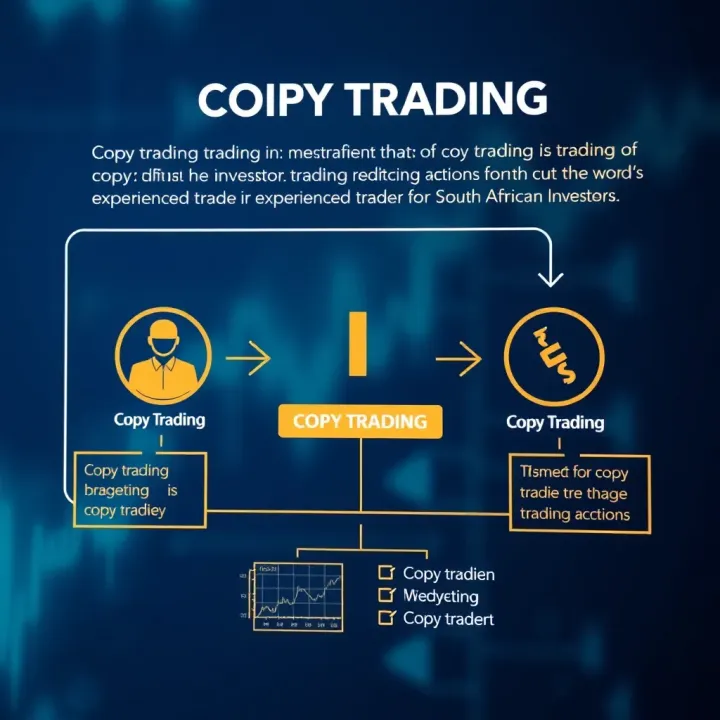
📊 Discover how South African investors can use copy trading to follow skilled traders, assess risks, choose platforms, and manage investments confidently. 💼
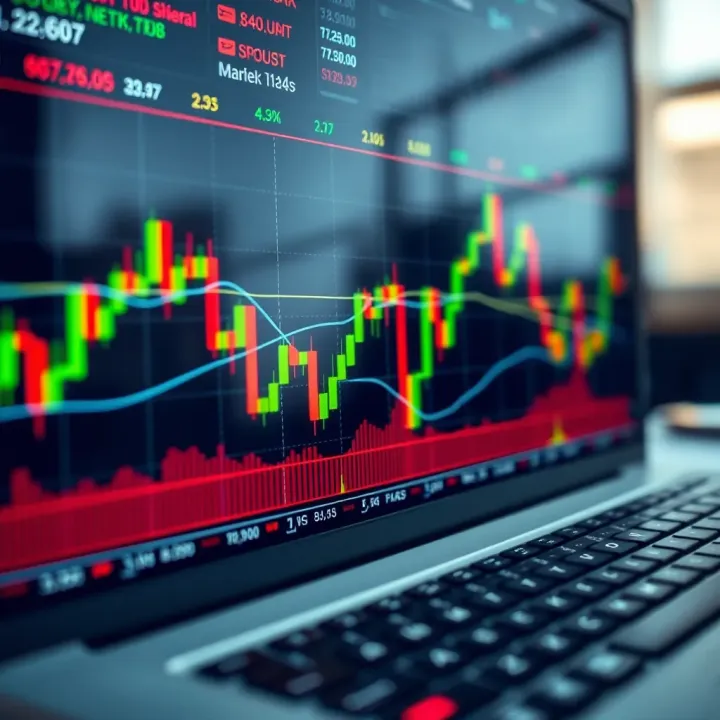
📈 Learn how signal trading helps South African investors make smarter moves using alerts, market indicators, pros, cons, and strategy tips. 🇿🇦

📊 Discover synthetic assets and trading tips tailored for South African markets. Learn risks, benefits, regulations & key platforms to trade smartly! 🇿🇦
Based on 14 reviews