

How Automated Trading Works in South Africa
📈 Discover how automated traders use algorithms to trade efficiently in South Africa's markets. Learn the benefits, risks, regulations, and future trends influencing local investors.
Edited By
Thomas Reed
Automated trading systems have reshaped how traders buy and sell assets in financial markets. Instead of relying solely on gut feel or manual order placements, these systems use computer algorithms to execute trades according to predefined rules.
In South Africa, both retail traders and institutional investors are turning to automated trading to manage their portfolios more efficiently. These systems can scan multiple markets simultaneously, enter and exit positions at precise moments, and respond instantly to changes in price or volume — qualities that human traders find hard to match.
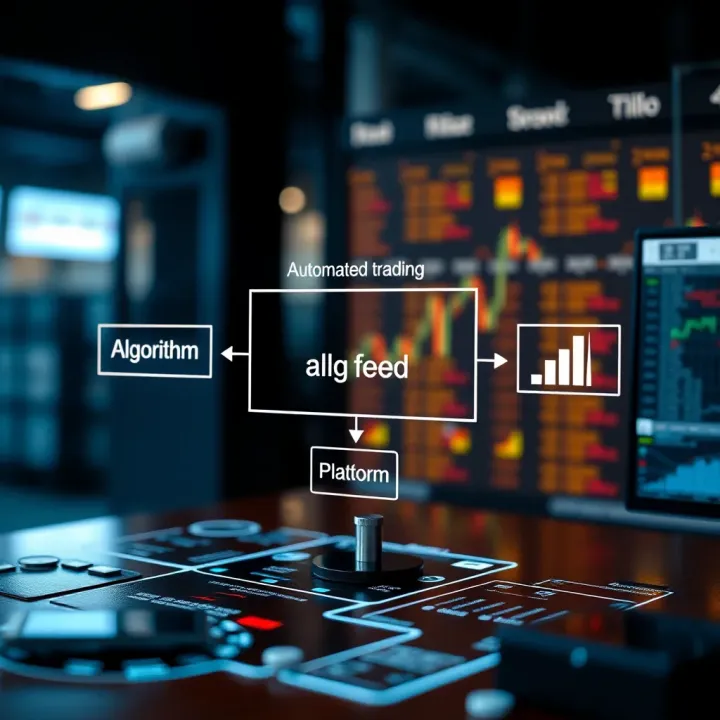
Automated trading isn’t about removing the human element entirely; rather, it helps traders maintain discipline, avoid emotional decisions, and scale their strategies across markets.
The core of an automated trading setup includes:
Strategy logic: Clear instructions based on technical indicators, price patterns, or fundamental events.
Software platform: Programs like MetaTrader or proprietary platforms offered by South African brokers.
Market data feed: Real-time pricing essential for timely decisions.
Broker integration: To place and manage trades automatically with local or international brokers.
To illustrate, imagine a forex trader in Johannesburg using an automated system to monitor the rand/dollar pair. When the 50-day moving average crosses above the 200-day moving average, the algorithm might trigger a buy order instantly — faster than any manual intervention.
While automation offers speed and precision, it’s not without risks. Algorithms can malfunction, market conditions can shift abruptly, and over-reliance on technology can lead to significant losses if not monitored. South African traders should also stay aware of legal considerations, such as compliance with the Financial Sector Conduct Authority (FSCA) rules.
This practical guide will unpack automated trading for South African traders, explaining how these systems function, what to watch out for, and how to integrate them responsibly into your trading approach. Whether you’re newly curious or looking to deepen your existing knowledge, the insights here will help you make informed decisions in a market that’s rapidly evolving.
Automated trading systems have reshaped the trading game by allowing transactions to happen without human hands involved every step of the way. For South African traders, understanding how these systems operate is key to making informed decisions and using these tools to their advantage. This section breaks down the nuts and bolts of these systems, focusing on real-world applications rather than just theory.
Definition and purpose: Algorithm-driven trading means using programmed instructions—algorithms—to buy and sell assets automatically. This approach removes the need for constant manual monitoring, letting computers execute trades based on predefined rules. For instance, if your system spots a particular pattern in the JSE Top 40 stocks, it could trigger a buy or sell without you lifting a finger. The main goal is to capture opportunities faster than manual methods and reduce emotional errors.
Types of assets traded: Automated systems aren’t just limited to stocks. South African traders find them handy for a range of assets including equities listed on the Johannesburg Stock Exchange (JSE), currencies like the rand against dollar or euro, commodities such as gold or platinum, and even derivatives. Each asset class has different behaviours and liquidity – for example, forex markets are highly liquid and open 24/5, which suits high-speed trading, while commodities might have specific trading hours.
Signal generation: This is the system’s way of identifying when to enter or exit a trade. Signals are created from various data inputs like price movements, volume, moving averages, or even more complex indicators such as Bollinger Bands or RSI. For example, a signal might be triggered when the 50-day moving average crosses above the 200-day moving average, signalling a potential uptrend.
Risk management: No system is flawless, so controlling how much you can lose per trade or overall is vital. Algorithms include risk rules such as stop-loss limits, position sizing, or maximum daily drawdown. These rules help keep a trader’s capital intact during volatile periods, which is especially relevant during loadshedding spikes or unexpected market jitters.
Order execution: Once a signal tells the system to act, order execution kicks in. This stage involves placing the buy or sell orders on the market, and it has to be swift and accurate to avoid slippage or missed opportunities. South African traders must choose brokers and platforms that support fast execution and offer reliable access to local exchanges.
Trading platforms and software: Platforms like MetaTrader, NinjaTrader, or even South African brokerage platforms with automated capabilities are the groundwork for running these systems. The software needs to support algorithm programming or integration, plus offer backtesting features where strategies can be tested against historical data before risking real money.
Connectivity and latency issues: Speed isn’t just a buzzword here. The faster your system communicates with the exchange servers, the better your chances of capitalising on tiny price movements. Poor internet connection or high latency can cause delays, meaning trades execute late and at disadvantageous prices. Traders based in Johannesburg or Cape Town typically experience better connectivity than those in remote areas, which might affect performance.
In fast-moving markets, even a delay of a few milliseconds can lead to missed trades or reduced profits. That’s why it's worthwhile to invest in stable internet and choose platforms close to major exchange hubs.
Understanding these fundamentals arms South African traders with the knowledge to set up, run, and refine automated trading systems that suit their needs and the local market environment.
Automated trading holds a fair share of appeal for South African traders, but it isn't without its risks. Understanding both sides helps traders use these systems effectively, reducing potential pitfalls while capitalising on practical advantages.
Automated trading systems process and place orders far quicker than humans can. In fast-moving markets like the JSE or currency trading, milliseconds can mean the difference between profit and loss. For example, an algorithm can detect a price dip and execute a buy order instantly, something a human trader might miss or delay. This speed is especially useful during volatile periods, allowing trades to happen without waiting for manual input.
Many traders let fear or greed influence their decisions, leading to impulsive trades or missed opportunities. Automated systems stick to predefined rules, ignoring emotions entirely. This discipline can prevent rash decisions during sharp market swings or panic in unstable conditions – say during Eskom's loadshedding times when sentiment often runs high. Staying detached from emotions often lets the system maintain consistency and patience traders sometimes struggle to maintain.

Before risking real money, traders can test their algorithms on historical data, assessing potential outcomes without financial exposure. For instance, a South African trader might backtest a strategy against past rand-dollar fluctuations or resource stock trends. This testing uncovers weaknesses or strengths, refining the algorithm to cope with various market conditions and save losses when live trading starts.
Automated trading depends heavily on technology. Connectivity issues, software bugs, or server failures can disrupt order execution, leading to losses. In South Africa, unreliable internet or regional power outages can sometimes cause these glitches. Even a slight delay in order placement might tip a trade from profit to loss, so having backup connectivity or fail-safes helps safeguard trading operations.
Traders might tune their algorithms too precisely to past data, a trap called curve-fitting. While the system performs well historically, it fails under new market scenarios. For example, an algorithm perfectly adapted to 2020's Covid-related volatility might flounder during a steady economic period. Avoid fixing too tightly to specific datasets—testing across varied conditions is crucial.
Automated systems follow rules that may not suit all environments. Bull markets, bear trends, or high-volume spikes require different tactics. A strategy effective in stable markets might lose money when sudden news, like a South African Reserve Bank (SARB) interest rate change, shakes markets. Traders must regularly review and adjust algorithms in response to evolving conditions.
Automated trading systems offer speed and discipline but need careful oversight to avoid technology failures and overfitting traps.
Balancing benefits and risks allows South African traders to make the most of automation while staying alert to its limits.
Designing your own automated trading system lets you tailor strategies that fit your unique trading style and risk profile. Instead of relying solely on off-the-shelf algorithms, building your own gives you the control to set clear rules, test them against historical data, and make adjustments suited to South Africa’s market quirks. This hands-on approach improves your confidence when deploying real capital.
First, you need to decide the exact conditions that trigger trades. For example, an entry could be when the 50-day moving average crosses above the 200-day moving average on the JSE Top 40 index. Your exit might be a set profit target or a specific reversal signal. Precise criteria prevent guesswork or emotional decisions, making your system consistent and easier to evaluate.
Risk management is non-negotiable. Set clear stop-loss levels or maximum daily drawdowns you’ll tolerate. For instance, you might decide to risk no more than 1% of your portfolio on a single trade or to halt trading if losses exceed 5% in a day. Such parameters protect your capital and keep you disciplined, especially when markets in South Africa experience volatile swings or during loadshedding-induced disruptions.
Backtesting involves running your trading rules against past market data to see how the system would have performed. Using reliable data from 2008 onwards, which covers different market cycles including the global financial crisis and SA’s own political shifts, helps reveal strengths and weak spots in your strategy. This step saves you from costly mistakes when trading live.
The trap is tweaking your system to perform perfectly on historical data but poorly in real time. For example, adding numerous parameters might make your system look like a star on paper, but it often just fits the noise instead of true patterns. Keeping your model simple and testing on data periods not used in optimisation reduces curve-fitting risk.
Before risking real Rands, run your system in a simulated environment that mimics live markets. This helps you catch unexpected behaviour, check order execution speed, and see how your risk limits hold up without financial consequences. Many local brokers offer demo accounts tailored for this purpose.
Paper trading also lets you track performance metrics like win rate, drawdown, and exposure in real time. Based on these, you can refine your rules or risk settings. Continuous monitoring ensures your system adapts to evolving conditions, such as shifts brought by global events or changes in Eskom’s supply affecting market sentiment.
Design and testing are the backbone of any reliable automated trading system. In South Africa’s dynamic markets, having a personalised, well-tested approach can make all the difference between steady growth and abrupt losses.
Automated trading systems operate within a framework shaped by South African laws designed to protect market integrity and trader interests. For anyone using or developing these systems locally, understanding these regulations is non-negotiable. It ensures compliance and shields you from legal pitfalls that could disrupt your trading activities.
The FSCA oversees market conduct for financial institutions in South Africa, including brokers and traders who employ automated systems. Its role is to enforce fair trading practices and transparency within markets. For traders using automated systems, this means the algorithms must not facilitate market abuse or unfair advantages — like insider trading or spoofing.
The FSCA also regulates licensing requirements to ensure brokers offering automated trading services meet defined standards. This protects traders from unregulated platforms that may pose fraud risks or technical shortcomings. Before committing your capital to any system or broker, confirm their FSCA status.
Automated systems in South Africa must adhere to regulatory norms focusing on risk controls, transparency, and oversight. For instance, your algorithm should include checks to prevent excessive order placing or execution errors that can destabilise markets. System providers often have to prove their technology meets these standards, ensuring robustness against outages or glitches.
Moreover, brokers must have proper record-keeping and audit trails for algorithmic trades, facilitating traceability if disputes arise. This framework discourages reckless automation and promotes a stable trading environment.
The Protection of Personal Information Act (POPI Act) governs how personal and financial data must be handled in South Africa. Automated trading systems frequently collect sensitive trader information, from identity details to transaction histories. Compliance means operators must secure this data properly and inform users transparently about its use.
Non-compliance risks heavy fines and undermines trust. For example, a local fintech offering automated trading could face penalties if its databases aren't adequately safeguarded against breaches. Traders should seek platforms with clear POPI-compliant privacy policies.
Legal standards require that brokers and system providers disclose how their algorithms work, the risks involved, and potential conflicts of interest. This transparency helps traders understand the mechanics behind automatic execution, avoiding surprises from unexpected losses or system behaviours.
Regular communication about fees, performance benchmarks, and modifications to algorithms are also part of these requirements. In practice, this means brokers must openly share relevant information, empowering traders to make informed decisions rather than blindly trusting complex software.
Staying within South African legal frameworks isn't just about ticking boxes — it safeguards your investments and ensures your automated trading activities remain sustainable and above board.
In summary, navigating the local regulatory environment means paying attention to FSCA licensing, system requirements, data privacy under POPI, and full transparency from service providers. This knowledge grounds traders in a safer, fairer market, especially as automation becomes a bigger player in South African trading scenes.
Navigating automated trading systems can feel like walking a tightrope, especially with the unique conditions South African traders face. Practical tips help ground your approach, ensuring you handle not just the tech but also local market quirks effectively. From choosing the right broker to managing risks during Eskom’s loadshedding, every detail counts.
When deciding between local and international trading platforms, the choice often boils down to accessibility and specific market exposure. Local platforms like EasyEquities or Standard Bank Online Trading offer the advantage of operating within South African market regulations, with customer support attuned to local traders' needs. On the flip side, international platforms such as Interactive Brokers or Saxo Bank provide access to global assets but might charge higher fees and present challenges like currency conversion and less responsive local support.
Fee structures can vary widely between brokers, so it's smart to dig deep before committing. Some local brokers charge lower commissions but may have higher platform fees or data costs. Support quality matters just as much—if something goes wrong during a critical market moment, you want swift, clear assistance. South African traders should prioritise brokers offering easy ZAR deposits and withdrawals, transparent fee schedules, and responsive local helplines.
Stop-loss orders serve as a vital safety net, automatically selling positions when losses hit a pre-set threshold. In volatile markets, such as during political uncertainty or sudden news events, stop-losses prevent catastrophic losses if your automated system can’t react quickly enough. For example, if you set a stop-loss at 5% below your purchase price, your exposure is capped, which safeguards your capital during sharp dips.
Loadshedding throws an unusual spanner in the works for automated trading, especially if your setup relies on stable internet and electricity. If power cuts disrupt your connection, trades might not execute as planned. South African traders should plan for alternative power sources like UPSs or solar inverters and choose brokers with reliable apps that can handle intermittent connectivity. Also, consider strategies that reduce trading activity during peak loadshedding times to avoid being caught off guard.
Markets never stand still, so neither should your knowledge. Keeping up with market trends—such as shifts in commodities, forex fluctuations, or regulatory updates from the FSCA—helps you adjust your automated strategies accordingly. For instance, during periods of Rand volatility linked to political decisions or global commodity prices, tweaking your algorithm’s risk parameters makes sense.
Algorithms need periodic check-ins to stay relevant and effective. Reviewing and updating your trading system involves monitoring its real-world performance and making changes based on fresh data or evolving market behaviour. Ignoring this can lead to outdated algorithms that either miss opportunities or expose you to unnecessary risks. In practice, this might mean recalibrating the signals your system uses or incorporating new technical indicators aligned with recent market developments.
Successful automated trading in South Africa blends smart technology use with an understanding of local factors—from fees and brokers to risks like loadshedding and currency moves. Keeping your system flexible is key to staying ahead.
By following these practical tips, South African traders can make the most of automation while navigating the market’s twists and turns with greater confidence and control.
📈 Discover how automated traders use algorithms to trade efficiently in South Africa's markets. Learn the benefits, risks, regulations, and future trends influencing local investors.
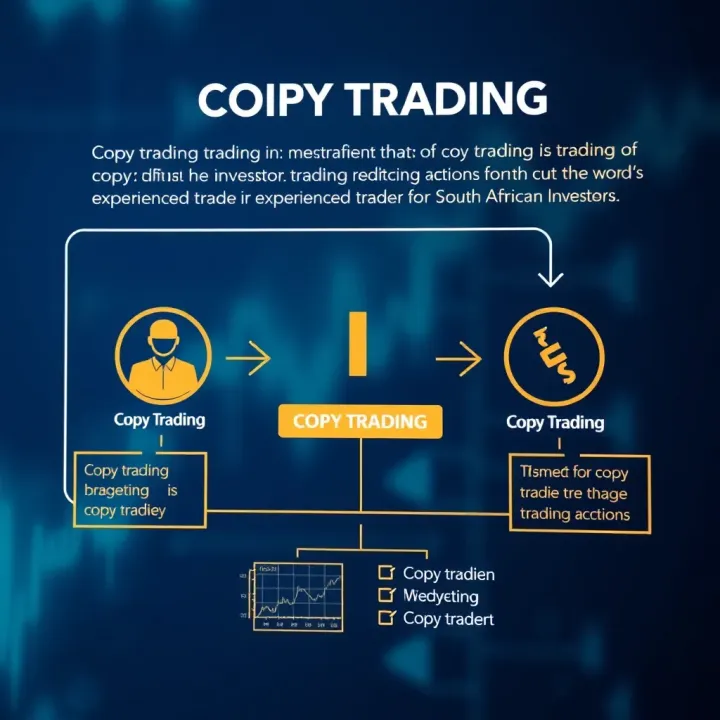
📊 Discover how South African investors can use copy trading to follow skilled traders, assess risks, choose platforms, and manage investments confidently. 💼
📈 Learn how signal trading helps South African investors make smarter moves using alerts, market indicators, pros, cons, and strategy tips. 🇿🇦
📊 Discover synthetic assets and trading tips tailored for South African markets. Learn risks, benefits, regulations & key platforms to trade smartly! 🇿🇦
Based on 8 reviews