
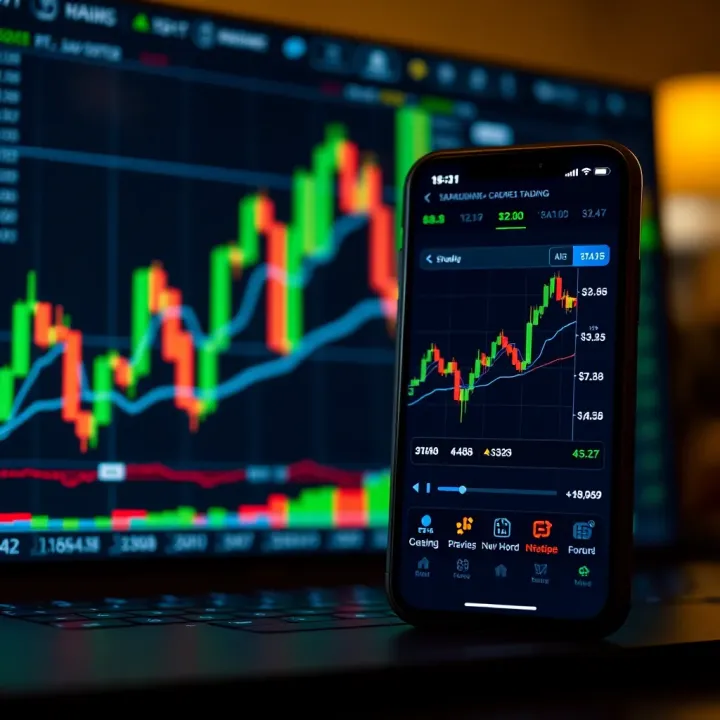
Choosing and Using a Copy Trading App in South Africa
📈 Discover how copy trading apps help South African investors follow expert strategies in real time, with tips on regulation, costs, and connectivity for smoother trades.
Edited By
Charlotte Davies
Forex trading apps have become a go-to tool for South African traders aiming to tap into global currency markets anytime, anywhere. These mobile platforms offer access to live price charts, currency pairs, leverage options, and quick order execution — all from a smartphone or tablet.
Understanding how these apps function is vital before diving in. Typically, a forex trading app connects you to a broker’s servers, providing real-time market data and enabling you to place trades directly. Apps vary, but common features include technical indicators, news feeds, risk management tools like stop-loss and take-profit orders, and account monitoring.
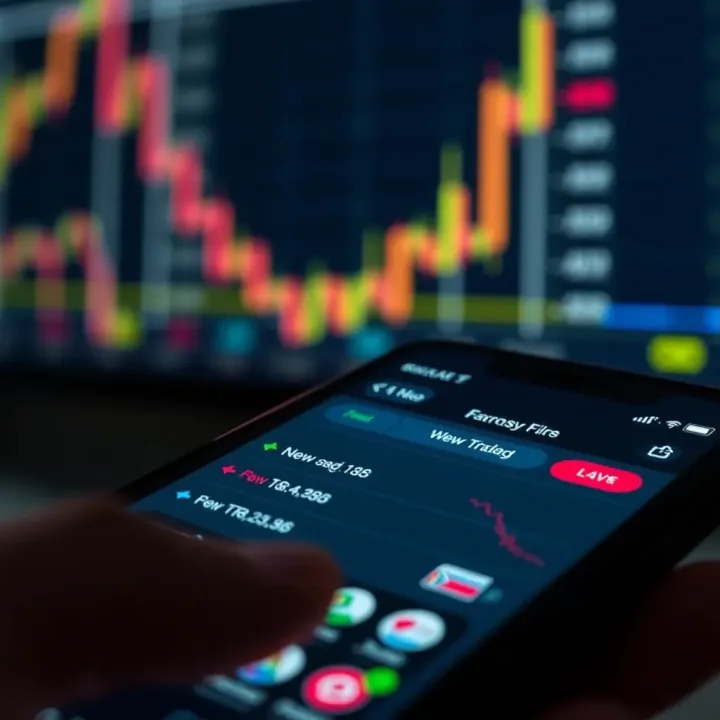
For South Africans, the appeal lies in convenience and cost-efficiency. You can monitor the rand against the dollar or euro while on the go, without the need for desktop platforms or expensive data subscriptions. Consider MTN or Vodacom data bundles that suit active trading if data costs are a concern.
Yet, not every app suits every trader. The choice depends on your trading style, experience level, and security needs. Beginners might prefer apps with demo accounts and educational content, while more experienced traders demand advanced charting tools and analytical features.
Many South African traders overlook regulation and safety. Choose apps linked to brokers authorised by the Financial Sector Conduct Authority (FSCA) to protect your funds and personal details.
To summarise, forex trading apps offer a flexible gateway into currency markets but require a careful approach when selecting the right one. Keep in mind:
The app must suit your trading habits and technical comfort
Opt for local FSCA-regulated brokers to trade responsibly
Check for data efficiency and speed to avoid missed opportunities
The following sections will explore these points, helping you pick an app that fits your needs and guides you through practical usage tips relevant to South Africa’s unique forex scene.
Grasping how forex trading apps operate is key if you want to trade effectively in South Africa’s fast-moving currency market. These apps bring the global forex arena to your mobile or desktop, enabling you to buy or sell currencies anytime and anywhere. Understanding the basics helps you avoid common pitfalls, make sharper decisions, and tailor your choices to your trading style.
Basic functionality revolves around providing a platform where you can view currency pairs, place trades, and monitor your portfolio. At the simplest level, the app connects to a broker's system, showing live currency prices and letting you enter orders for buying or selling. For example, if you want to trade the USD/ZAR pair, the app displays real-time prices and allows you to execute your trades directly through your broker’s platform. This makes trading accessible without the need for complex software or bulky desktops.
Real-time market data is vital for forex trading because currency prices fluctuate constantly due to global economic events and market sentiment. Forex apps pull this live data from financial exchanges around the world, updating dynamic price charts and news feeds instantly. Without real-time updates, you could place trades based on outdated information, resulting in losses. For instance, when the South African Reserve Bank changes its repo rate, real-time data ensures you see price reactions immediately.
Order execution and management allows traders to open, modify, or close trades seamlessly. Good apps offer swift execution speeds to make sure your orders don’t lag behind the market, which matters especially in volatile times. Also, management tools like setting stop-loss orders or take profits directly through the app help control risks. Imagine trying to exit a losing trade during a sharp ZAR decline; slow order execution could cost you dearly.
Broker-specific apps are designed and maintained by individual forex brokers. Such apps provide direct access to that broker’s liquidity and services. Using IG Forex's app, for example, ensures smooth integration with your IG account, customised features, and access to that broker's unique tools. These apps tend to be most reliable for account management and easy deposits or withdrawals.
Third-party trading platforms like MetaTrader 4 or MetaTrader 5 serve multiple brokers, offering more flexibility if you want to switch brokers or use specific analytical tools. They’re known for powerful charting and support for expert advisors (automated trading strategies). However, the experience depends on the broker's server connection quality. For South African traders, this means you can access advanced tools but should check your broker’s compatibility with your preferred platform.
Copy trading apps allow you to mimic the trades of experienced or successful traders. Apps such as eToro or ZuluTrade give you the option to follow top-performing forex traders automatically. This suits those who lack time or expertise but want exposure to forex markets. Just remember that past performance is no guarantee of future gains, so it's wise to diversify and start with modest investments.
Understanding these core functions and app types helps you pick a forex trading app that aligns with your trading goals and comfort. Whether you prefer managing trades yourself or following others, South Africa’s growing forex app market has options to fit.
Picking the right forex trading app means knowing which features truly make a difference in your trading experience. It’s not just about flashy looks or fancy extras; real value lies in tools that make trading smooth, insightful, and safe. Let’s focus on key aspects like user interface, trading tools, and how you manage your accounts — all vital for any South African trader.
Ease of navigation is the backbone of any good trading app. Imagine trying to place a trade during a sudden market move but the app is cluttered, slow, or confusing — frustrating and costly. A clean layout with clearly marked buttons and menus means you can act quickly and with confidence. For example, apps like IG Forex have an intuitive design that lets you jump between currencies, check charts, and place orders without hunting through endless screens.

Customisation options let you tailor the app to suit your trading style. Some traders want a simple dashboard with just essential info, while others prefer a detailed view with multiple charts and news feeds. Being able to adjust colours, chart types, and alerts can make the difference between catching an opportunity or missing out. Plus, personalising settings helps you stick with the app longer, improving your trading discipline.
Charts and analysis tools are critical for making smart decisions. An app should offer various chart types — like line, candlestick, and bar charts — alongside technical indicators such as moving averages, RSI, and MACD. These tools help you spot trends before they spiral or fade away. For instance, Plus500’s platform combines clean charts with real-time data, supporting both beginners and more advanced traders.
Risk management features protect your capital and help you trade responsibly. Look for apps that offer stop-loss orders, take-profit limits, and margin controls. These options allow you to cap losses automatically or lock profits without having to watch the screen constantly. In a volatile market like forex, where even a slight move can cost or earn you hundreds of rands, managing risk can keep your trading sustainable over time.
Deposit and withdrawal options should be swift, secure, and South African-friendly. Not all apps support ZAR accounts or local payment methods like EFT or card payments easily. The best platforms offer straightforward ways to fund your account and withdraw without excessive delay or fees. This means you can seize opportunities promptly and access your funds when you need them, without jumping through hoops.
Trade history and reports provide a clear record of your activities, helping you track performance and spot recurring mistakes. Good apps generate detailed reports showing wins, losses, and the reasons behind trades, which is invaluable when refining your strategy. For example, having access to daily or monthly summaries can highlight if you're consistently losing on certain currency pairs or at specific times.
Choosing an app with these features ensures you’re equipped to trade effectively, manage your risks, and keep your accounts under control — all without the usual frustrations of complicated or poorly designed tools.
Aim to test apps before committing real money, focusing on how smoothly these features work in practice. That’ll serve you well in the busy, fast-moving world of forex trading.
Forex trading apps offer convenience, but safety and regulation remain top priorities, especially for South African traders. The financial sector here operates under specific rules designed to protect consumers, ensure market integrity, and prevent fraud. Understanding the local regulatory landscape and security standards helps traders avoid pitfalls and trade with confidence.
The FSCA oversees financial markets and institutions in South Africa, ensuring they operate fairly and transparently. For forex traders, it means brokers and trading apps authorised by the FSCA must meet strict requirements, from capital reserves to disclosures. This supervision provides a degree of protection against fraud, misleading practices, and sudden broker shutdowns. When an app is FSCA-regulated, users can usually find clear information on their terms, fees, and dispute resolution procedures.
South African traders’ personal information is protected under the Regulation of Interception of Communications and Provision of Communication-Related Information Act (RICA) and the Protection of Personal Information Act (POPIA). Trading apps that comply with these laws take steps to secure user data, including identity details and transaction records. Compliance means your private information isn’t just floating around unsecured—it’s managed respectfully, reducing risks of identity theft or misuse.
Encryption scrambles data transmitted between your device and the broker’s servers, turning it into unreadable code for outsiders. A forex app using strong encryption protects sensitive info like login credentials, transaction details, and banking data from cybercriminals. Without it, hackers might intercept your information over public Wi-Fi or compromised networks. Look out for apps featuring AES (Advanced Encryption Standard) or comparable modern protocols to keep your trading safe.
Two-factor authentication (2FA) adds an extra locked door to your account by requiring two proofs of identity before access. Usually, this means your password plus a one-time code sent to your mobile phone or generated by an app. Even if someone cracks your password, 2FA stops them from logging in without the second factor. Many South African trading apps offer this layer to boost account security and prevent unauthorised withdrawals or trades.
Watch out for brokers promising guaranteed profits, unrealistic returns, or pressuring quick deposits. Poorly designed apps with vague terms or no contact information also deserve suspicion. If withdrawal requests face delays or sudden fees pop up, that’s a warning sign. Many scams rely on confusing traders with technical jargon or untraceable platforms. Being alert to these red flags helps you steer clear of financial harm.
Before downloading any forex trading app, verify whether the broker holds a licence from the FSCA. Unlicensed brokers aren’t bound by South African regulations, which means there’s little recourse if they act dishonestly. You can usually check licences on the FSCA’s official register or the broker’s website. Sticking to regulated brokers reduces your risk and ensures some level of accountability if problems arise.
Keeping safety, security, and regulation front of mind isn’t just about preventing losses—it builds trust and peace of mind every time you open your trading app.
Choosing the right forex trading app in South Africa means picking platforms that are not only reliable but also tailored to local conditions. Popular apps stand out because they combine global reach with features adapted to South African traders, such as rand support and integration with local banks. These factors help smooth trading operations and reduce costs.
IG Forex has built a solid reputation among South African traders for its extensive range of currency pairs and thorough market analysis tools. It offers direct market access with competitive spreads, which is essential for anyone serious about forex trading here. The app also supports trading in ZAR, allowing deposits and withdrawals in rand, so traders avoid extra currency conversion costs.
Plus500 is another accessible platform known for its user-friendly interface and broad asset offering beyond forex, including shares and commodities. It suits both beginners and experienced traders who want the flexibility to diversify. Plus500 accepts South African payment methods and ensures fast execution, which is crucial to lock in trading opportunities amid the volatile forex market.
XM caters well to South African users by providing multilingual support and a range of platforms, including mobile and desktop versions. They focus on educational resources and offer demo accounts that let new traders practice without risking capital. XM stands out for its relatively low minimum deposit, which makes it a feasible starting point for retail traders.
ZAR account support makes a real difference by allowing traders to keep accounts and settle transactions directly in rand. This eliminates conversion fees and limits exposure to exchange rate fluctuations when funding or withdrawing money. For example, a trader funding an account in euros would normally pay conversion fees on top of exchange rate spreads, but with ZAR support, that cost disappears.
Local payment methods such as EFT (electronic funds transfer), Instant Money, or even mobile wallets linked to South African banks improve ease of use substantially. Rather than waiting days or using international credit cards, traders can move funds quickly and cost-effectively. Plus, this integration ties well with South Africa's robust banking infrastructure, making deposit and withdrawal processes less cumbersome.
Platforms that understand and adapt to local payment habits and currency needs reduce friction for South African traders, letting them focus on strategy rather than logistics.
By prioritising apps that offer these practical features, South African forex traders can safeguard their investments and save on unnecessary costs, giving them a stronger footing in the global markets.
Knowing how to get the most out of your forex trading app can make a real difference between steady gains and frustrating losses. These apps place powerful tools at your fingertips, but using them wisely takes more than just clicking around. Understanding practical strategies for practising, managing risk, and staying updated on market news is key for South African traders aiming to navigate the forex waters confidently.
Practising strategies: Demo accounts let you trade with virtual money, giving you a risk-free way to test strategies before risking your own cash. For example, you might try a simple trend-following approach on the demo platform to see how it plays out under different market conditions without fear of blowing your budget. This hands-on practise builds confidence and helps avoid costly rookie mistakes once you step into live trading.
Familiarity with app functions: Besides practising trades, demo accounts serve as a sandbox to explore the app's features—order types, chart tools, alerts, and more. Getting comfortable with these functions means you won’t fumble when real trades count. Say you learn how to set stop-loss orders on the demo first; you'll be quicker and more precise when managing live trades.
Setting stop-losses: Stop-loss orders act as a safety net, automatically closing a trade if the price moves too far against you. This limits potential losses and protects your capital. Let's say you buy EUR/USD at 17.50 and set a stop-loss at 17.30; if the market drops, you exit with a controlled loss instead of a surprise hit to your account. It's a crucial risk control tool that keeps emotions in check.
Position sizing: Deciding how much of your capital to risk per trade is vital. Position sizing ensures no single trade eats too deeply into your wallet. For instance, setting a fixed 2% risk per trade means your losses won’t pile up beyond a manageable level, preserving your ability to keep trading after some losses.
Economic calendar use: Trading around key economic events without knowing their timing is like driving in a fog. An economic calendar displays upcoming data releases—such as South Africa’s inflation stats or US interest rate announcements—so you can prepare. For example, you might avoid opening new positions right before the SARB’s rate decision to dodge unwanted volatility.
News alerts within apps: Many apps offer real-time news alerts that flag market-moving developments. Having these notifications means you're not blindsided by breaking news. Imagine receiving an alert about a sudden change in US employment figures and adjusting your USD trades accordingly; staying informed can save you from unexpected losses or open doors for quick gains.
In forex trading, staying sharp and informed is your best defence. Practise first, manage risk carefully, and keep a close eye on economic news to trade with greater confidence and control.
📈 Discover how copy trading apps help South African investors follow expert strategies in real time, with tips on regulation, costs, and connectivity for smoother trades.
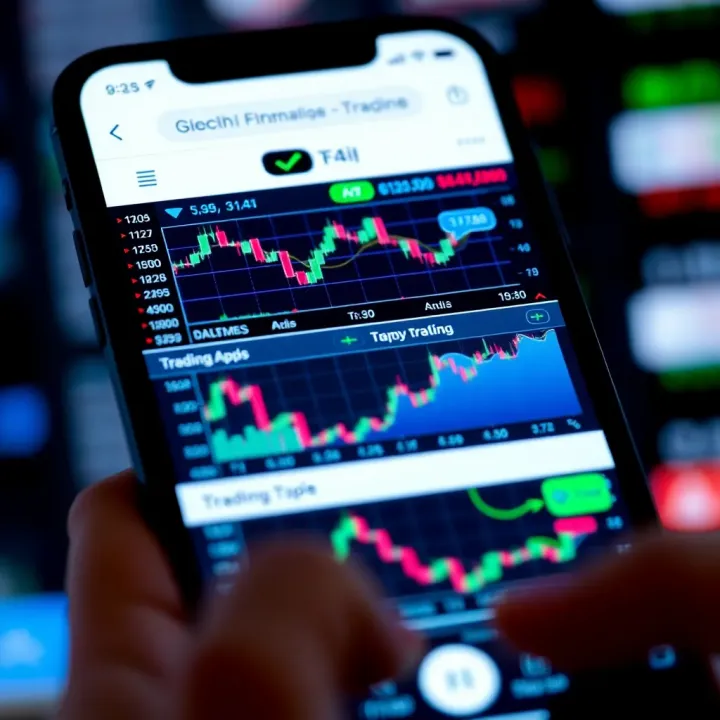
📱 Discover how to pick and use the best online trading app in South Africa. Learn about features, managing risks, and local regulations for smarter trades.
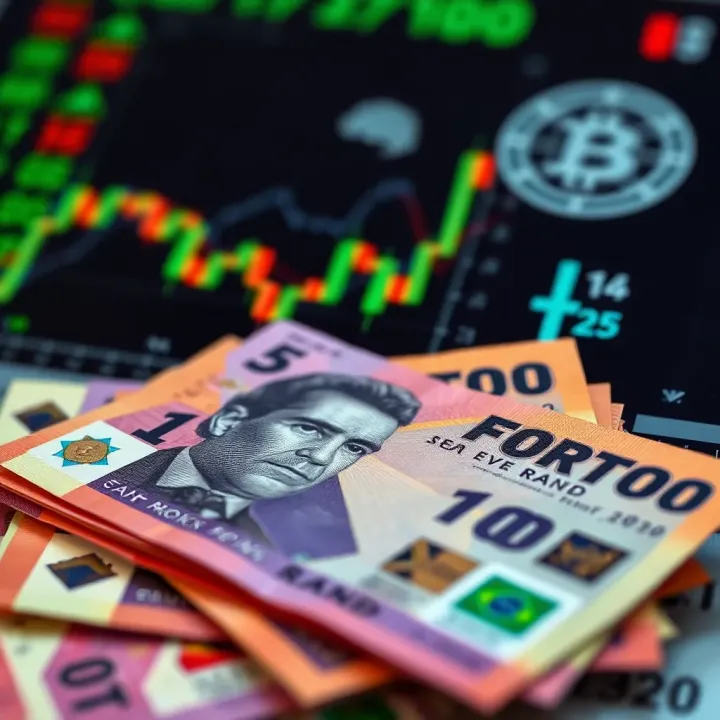
📈 Discover how to pick and use forex signals apps in South Africa 🇿🇦, understand local regulations, avoid risks, and improve your currency trading game effectively.
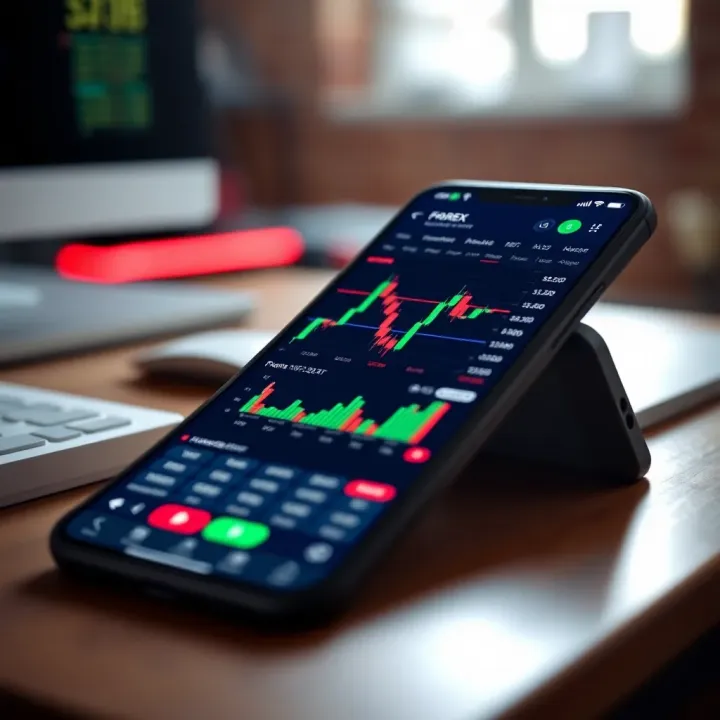
📱 Discover how South African traders can safely choose, download, and use forex trading apps. Learn about costs, security, features, & mobile trading tips tailored for SA 🇿🇦
Based on 14 reviews