
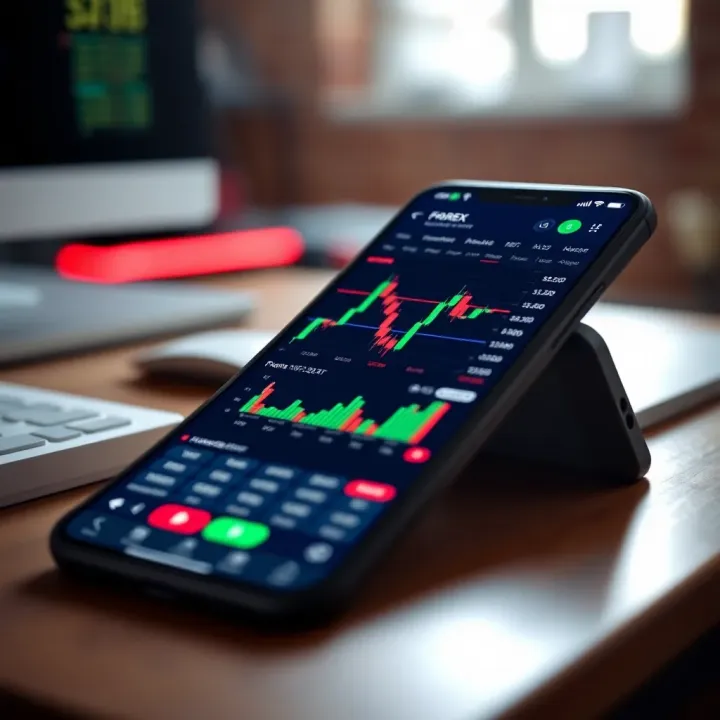
Choosing and Downloading Forex Trading Apps in South Africa
📱 Discover how South African traders can safely choose, download, and use forex trading apps. Learn about costs, security, features, & mobile trading tips tailored for SA 🇿🇦
Edited By
Amelia Foster
Forex trading is fast, often unpredictable, and can be tough to navigate—especially if you’re new or don’t have time to monitor the markets all day. Forex signals apps step in here, offering users recommendations on when to buy or sell currency pairs. They act like a virtual guide through the ups and downs, delivering trade tips straight to your mobile or desktop.
In South Africa, forex trading has grown steadily, driven by access to global markets and local platforms like FXTM and IG Markets. But it’s no walk in the park—risk levels are high, and the market moves fast. Signal apps promise to simplify decision-making by analysing technical indicators, market trends, and economic news to produce actionable alerts.
That said, not all signal apps are created equal. Some rely on human analysts, while others use algorithms. Reliability varies, and scams do exist. Understanding how these apps work, what to look for, and how regulations affect trading here is key if you want to boost your chances without getting stung.
Choosing the right forex signals app means balancing accuracy, speed, and transparency—especially in a market as dynamic and sometimes volatile as forex.
Here are a few factors to keep in mind:
Source of Signals: Are they based on solid technical analysis, or mere guesswork? Check if the app’s provider shares their methodology.
Track Record: Look for verified performance records rather than just flashy marketing. Some apps provide backtested data or live results.
Cost & Accessibility: Many apps offer free trials or tiered pricing. Consider whether the fees match your budget and expected value.
User Interface: An app that’s easy to use and timely with alerts can make a big difference when split-second decisions count.
Regulatory Compliance: South Africa's Financial Sector Conduct Authority (FSCA) regulates financial services, so ensure the app or platform operates within legal frameworks.
This intro sets the stage for exploring specifics about picking and using forex signal apps in South Africa, helping you trade smarter in fluctuating currency markets.
Forex signals apps have become a significant tool for forex traders, especially in South Africa’s fast-moving currency market. These apps offer timely trading alerts, helping traders spot opportunities without spending hours glued to charts or newsfeeds. Understanding how these apps work and what they offer is key to making smart decisions in this space.
Forex signals are trade recommendations that suggest when to buy or sell a currency pair. Their purpose is to simplify market decision-making by offering clear entry and exit points based on market analysis. For instance, a signal might advise buying the USD/ZAR pair when it hits a certain price, aiming to help traders capitalise on expected market moves.
There are two main types of signals: manual and automated. Manual signals come from experienced traders or analysts who study market trends and share their calls, often through messaging platforms or dedicated apps. Automated signals, on the other hand, are generated by algorithms that scan market data and trigger trades or alerts based on preset criteria. Each has its perks—manual signals often include expert insight, whereas automated ones provide speed and consistency.
As for sources, these signals either originate from human analysts or computer algorithms. Human analysts can interpret news events and market sentiment, adding a layer of judgement that algorithms might miss. Yet, algorithms excel at processing huge volumes of data quickly, spotting patterns invisible to the naked eye. Combining both can sometimes offer a balanced perspective.
Most forex signals apps deliver real-time alerts and notifications straight to your mobile or desktop. This immediacy is essential since forex markets can swing rapidly. For example, if a signal indicates a potential trade on EUR/ZAR, a quick alert allows the trader to react before the opportunity slips away.
Integration with trading platforms is another critical feature. Leading apps can connect directly with popular brokers used in South Africa, such as IG or Plus500, allowing users to execute trades with one click. This cuts out the hassle of manual entry and speeds up the trading process, which can make a real difference when market moves are sudden.
Lastly, the user interface and customisation options affect how efficiently a trader can use the app. A clean layout, adjustable alert settings, and the ability to filter signals by currency pairs or risk level help traders tailor the experience to their style. For example, a more conservative trader might opt for signals that suggest lower risk trades only.
Forex signals apps are not a magic bullet. They give traders an edge, but success depends on understanding the signals and managing risks effectively.
By grasping these aspects, South African traders can better decide which forex signals app fits their needs while navigating both local market conditions and global currency trends.
Selecting the right forex signals app matters, especially for traders in South Africa facing unique market conditions and regulatory frameworks. These apps can simplify currency trading by offering timely advice, but not all apps deliver consistent value. Getting the right fit can mean the difference between making decent trades and falling into costly errors.
Accuracy is the heartbeat of any signals app. It’s not enough for an app to send frequent alerts; those signals should historically yield positive results. Look for apps that provide verified performance records, showing win-loss ratios and return on investment over a reasonable period. For example, an app claiming a 70% success rate over six months with transparent data is more trustworthy than one without documented proof.
The forex market moves quickly, so your signals app should be easy to navigate and send clear alerts. If you’re juggling work or home life alongside trading, a complicated interface can become a chore rather than a help. A good app offers user-friendly layouts, intuitive customisation, and responsive notifications, whether on Android or iOS. Accessibility also means functioning well on slow or limited-data connections common in parts of South Africa.
While free apps may look appealing, they often come with hidden costs like delayed signals or intrusive ads. Subscription-based apps generally offer faster, more reliable signals. Assess what you get for your money—some offer tiered plans or trial periods. For instance, paying R250 monthly might be a fair tradeoff for consistent, up-to-date signals compared to a free app riddled with inaccuracies.
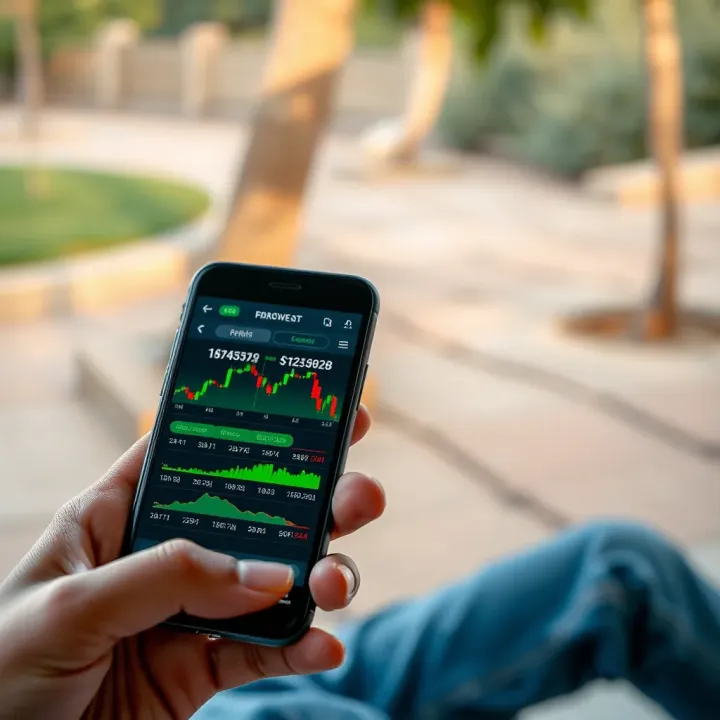
Local compatibility is crucial. Your chosen app should easily integrate with brokers popular among South African traders, like IG or Plus500. This makes trade execution smoother without manually copying signals. Also, check if the app supports transactions in South African Rand, simplifying your deposits and withdrawals without hefty conversion fees.
Forex trading in South Africa is regulated to protect traders and maintain market integrity. The Reserve Bank sets policies on capital flow while the Financial Sector Conduct Authority (FSCA) regulates services offering forex products. It's essential to stick with apps that align with these rules, as non-compliance can expose you to legal complications or unnecessary risk.
The FSCA keeps a watchful eye on financial service providers, including forex signal services. An app monitored or recommended by the FSCA ensures a layer of consumer protection and accountability. Choosing a signals app that disregards FSCA oversight is like trading without a safety net – it’s tempting but potentially costly.
Using an unregulated forex signals app in South Africa can risk your capital and expose you to fraud. Always verify the regulatory status before signing up.
Unregulated providers often lack transparency, leading to questionable signal quality or outright scams. Some may promise guaranteed profits or unrealistic returns, which should set off alarm bells. South African traders have reported losing money to such services, especially those operating outside FSCA rules. To reduce risk, rely on well-reviewed and locally compliant providers.
By focusing on these practical points when choosing a forex signals app, South African traders can find tools that help them navigate the market more confidently while avoiding common pitfalls.
Forex signals apps have become part and parcel of many traders’ toolkits, especially here in South Africa where access to timely market insights can make a real difference. These apps offer distinct benefits but carry drawbacks that traders must weigh carefully. Understanding both sides helps you decide how to fit signals into your trading workflow effectively.
Forex markets move fast, and thorough analysis can easily eat into your day. Signals apps condense complex data into straightforward recommendations, saving hours of studying charts and news. For instance, instead of scanning multiple currency pairs for trading opportunities, you get instant alerts highlighting the most promising trades. This lets you act quickly, which is crucial in volatile markets. As a South African trader juggling other commitments like work or study, this time-saving edge can mean the difference between catching a move or missing out.
Many signals come from seasoned analysts or algorithms built on years of market experience. Using these signals can expose you to strategies you'd find tough to develop alone. Imagine receiving a signal to buy the EUR/USD based on fundamental shifts – this gives you a glimpse into what pros watch for. Over time, tracking why signals succeed or fail can sharpen your own understanding. It’s like shadowing an experienced trader but at your own pace and without hefty fees.
Trading can be an emotional rollercoaster, especially when markets swing sharply. Signals inject discipline by suggesting trades based on data rather than feelings. This helps curb impulsive decisions that often lead to losses, such as panic selling during dips or chasing unrealistic gains. Having a signal to follow, particularly during loadshedding disruptions or daily stresses, provides structure. It keeps you grounded, allowing for decisions guided more by logic than mood swings.
The biggest pitfall is depending on signals blindly. Some traders use them as a magic bullet, entering trades without grasping the reasoning behind recommendations. This approach can backfire during unexpected market shifts or when signals falter. Without understanding, you’re likely to repeat mistakes and miss chances to adapt strategies. It’s vital to treat signals as guidance, not gospel, and continue learning the forex basics alongside.
Not all signals are created equal. Quality varies widely depending on the provider’s expertise, data sources, and methodologies. Sometimes signals come with strong past records but then perform poorly, especially in choppy markets. For example, a once reliable app might struggle during periods of geopolitical tension affecting rand pairs. Examining historical performance and using demo accounts to vet signals before committing real money helps reduce risk.
The lure of quick profits attracts dubious operators who peddle fake or misleading signals. Some apps or services might promise extraordinary returns without transparency, hoping for unsuspecting traders to subscribe or buy costly packages. South African traders should be extra cautious amid a landscape where unregulated providers can slip through. Always opt for services with FSCA oversight or strong reputations, and be wary of anyone guaranteeing constant wins.
Forex signals apps can boost your trading game but never replace the need for your own research and risk controls. Keep them as one tool among many, testing and learning continuously.
This balanced view helps you approach forex signals apps with eyes wide open, making the most of their strengths while guarding against their weaknesses.
Using forex signals apps can be a helpful way to stay on top of the market, but you need to approach them wisely to make the most of what they offer. By following practical tips that ensure reliability and integration with your personal trading style, you can avoid common pitfalls and sharpen your trading edge.
Testing with demo accounts is one of the safest ways to evaluate forex signal performance without risking actual money. Most brokers and trading platforms in South Africa offer free demo accounts where you can try out signals on virtual funds. This lets you see how the signals perform over a few weeks under real market conditions without pressure. For example, you might test a particular forex signals app’s alerts while simulating trades in a demo account on IG or Plus500. This builds confidence before you commit real capital.
Checking verified track records ensures the signals you get aren’t just empty promises. Some providers share detailed, third-party audited histories of their signal accuracy and profitability. Look out for verified results on platforms like Myfxbook, where independent users can confirm or dispute performance claims. A proven track record reduces risk compared to blindly trusting any app with flashy marketing.
Community reviews and recommendations can add valuable perspective. Online forums and social media groups such as those on MyBroadband or Facebook can give insight into other South African traders’ experiences with certain apps or services. Keep in mind that while personal reviews help, they can be biased or manipulated, so take comments with a pinch of salt and look for consistent patterns.
Setting realistic expectations is key. Forex signals are not a shortcut to guaranteed profits — they're tools that can assist your decision-making. For instance, signals might highlight potential entry points but won’t cover the full picture like geopolitical events or sudden economic data releases affecting the Rand. Remember, the forex market includes risks, and even the best signals won’t win all the time.
Combining signals with your own analysis helps deepen understanding and avoids overreliance. Using signals as one part of your overall strategy—alongside technical charts, news updates, and economic calendars—makes your trades more robust. A trader might receive a buy signal on EUR/USD but confirm it aligns with local or global economic trends before acting. This approach reduces impulsive trades and encourages a more disciplined method.
Risk and money management techniques are non-negotiable. No matter how accurate the signals, you should limit exposure per trade, set stop-loss orders, and diversify your portfolio. For example, a common rule among South African traders is risking no more than 1-2% of your trading capital on a single position. This shields you from big losses during unexpected market swings and keeps you in the game long term.
Using forex signals apps well means verifying their trustworthiness and thoughtfully weaving their guidance into your own strategy. Practising on demo accounts, relying on verified data, and managing your risks prudently will help you trade smarter and safer.
When it comes to forex trading in South Africa, using reliable forex signals apps can make a solid difference. These apps offer timely trades advice, helping traders keep up with market moves without being glued to charts all day. Knowing which apps are popular locally and globally offers practical benefits like better support, proven track records, and tools that fit the South African market.
Global forex signals apps often come with a range of features designed for both beginners and experienced traders. Apps like MetaTrader 4/5 offer automated signals, live charts, and risk management tools. Pricing varies — some offer free basic signals but charge a monthly fee for premium features. For example, MetaTrader’s signals store may charge anywhere from R150 to R600 monthly depending on signal quality.
Most global apps are accessible to South African traders without major restrictions. They support English language interfaces and run smoothly on popular mobile operating systems such as Android and iOS. However, South African internet speeds or data costs might affect real-time updates, so traders often combine these apps with local data bundles or Wi-Fi.
User feedback often praises the breadth of signals and platform stability but flags can include occasional lag and signal delays. Forums like MyBroadband or dedicated trading Facebook groups reveal mixed reviews, highlighting the importance of trialling signals on demo accounts before committing real money. Traders typically value transparency in signal performance and clear communication from app providers.
Locally focused forex signal apps or services understand South African market nuances better, such as exchange rate fluctuations between the rand and major currencies. Some local apps provide customised alerts that consider local economic events like SARB announcements or Eskom load shedding schedules affecting market liquidity.
Integration with South African-friendly brokers is a crucial advantage. Platforms such as IG and Plus500 allow seamless execution of signals directly within their apps, avoiding manual transfers of trade information. This reduces errors and speeds up reaction times, which can be vital in fast-moving forex markets.
Supporting payments in rand and offering local payment methods like EFT, SnapScan, or Zapper improve convenience and reduce forex conversion costs. Some South African forex signals apps also provide pricing in rand, making budgeting clearer and more straightforward compared to dealing with foreign currencies.
Choosing the right forex signals app means balancing global reach with local relevance—getting the best features imaginable, combined with ease of use and payment comfort tailored to South African traders’ needs.
In short, while global apps generally have wider features and larger user bases, locally relevant platforms bring practical benefits that can make trading smoother and more in tune with South African realities. Testing both types thoughtfully helps traders find the best fit to sharpen their trading approach.
📱 Discover how South African traders can safely choose, download, and use forex trading apps. Learn about costs, security, features, & mobile trading tips tailored for SA 🇿🇦
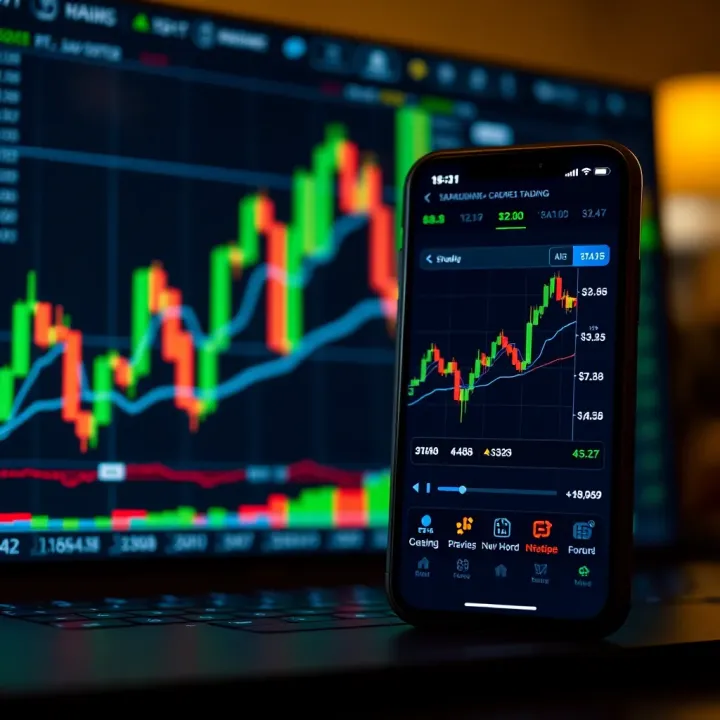
📈 Discover how copy trading apps help South African investors follow expert strategies in real time, with tips on regulation, costs, and connectivity for smoother trades.
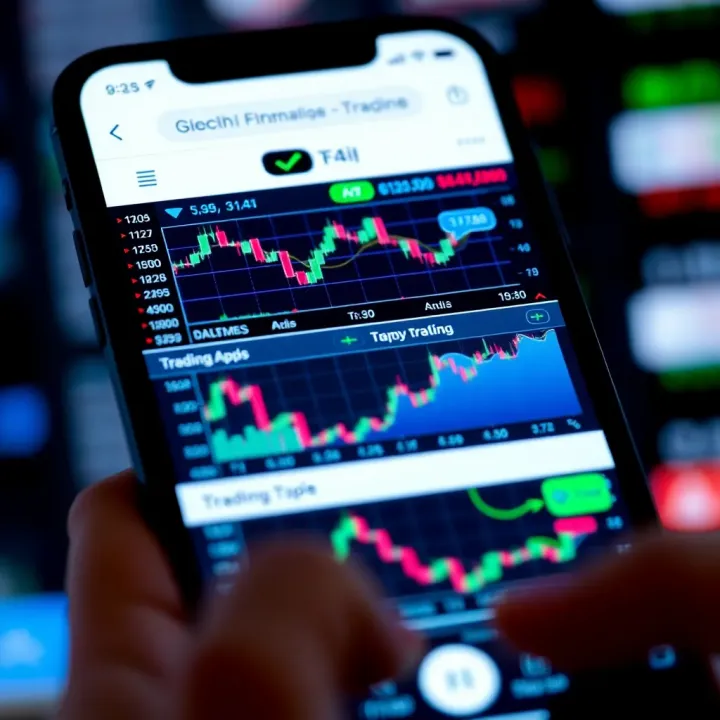
📱 Discover how to pick and use the best online trading app in South Africa. Learn about features, managing risks, and local regulations for smarter trades.

🤖 Explore how forex trading robots operate, their pros and cons, plus key tips South African traders need to trade smarter while managing risks in volatile markets.
Based on 5 reviews