
Robots in Forex Trading: A Guide for South African Traders
🤖 Discover how forex trading robots work, their pros and cons, key features, and tips for South African traders to pick and use automated systems wisely.
Edited By
Thomas Mitchell
When it comes to forex trading in South Africa, having the right app on your mobile can make all the difference. Trading on-the-go offers flexibility, but it also demands a reliable app that suits your needs and local context. Choosing and downloading a forex trading app isn’t just about picking the most popular name; it involves understanding factors like regulatory compliance, platform features, and security.
South African traders should first check if the app is regulated by recognised authorities, such as the FSCA (Financial Sector Conduct Authority). This reduces the risk of fraudulent brokers and ensures your funds and data get proper protection. Avoid downloading apps from unknown sources; always stick to official app stores like Google Play Store or Apple App Store.
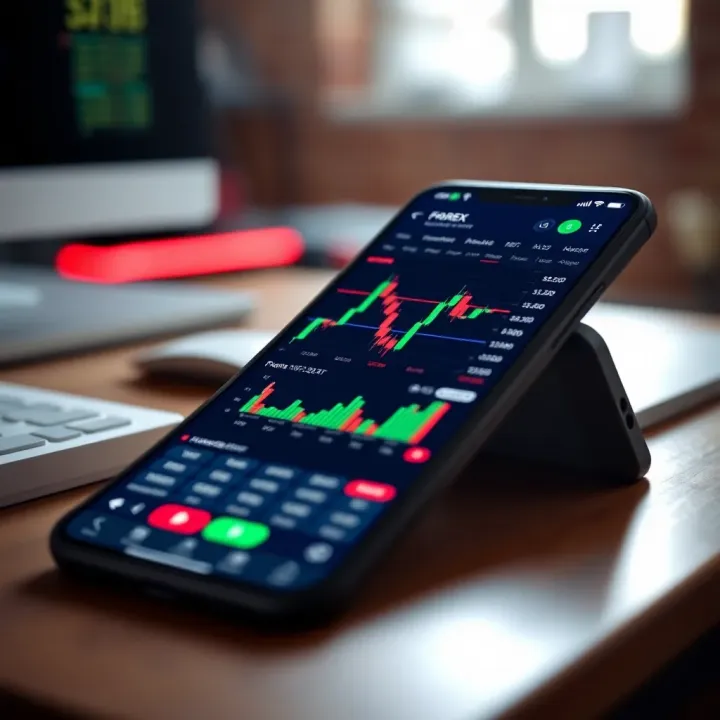
Another key consideration is the app’s functionality. Look for features like real-time price updates, multiple currency pairs, interactive charting, and easy order execution. For example, apps like IG, Pepperstone, and Plus500 offer user-friendly interfaces tailored for beginners and experienced traders alike. Also, consider whether the app supports popular South African payment methods, such as EFT or local debit/credit cards.
Security is crucial, especially given the rise of cyber threats. Check if the app provides two-factor authentication (2FA), data encryption, and regular security updates. A poorly secured app can expose your personal information or funds, especially if you trade frequently while connected to public Wi-Fi.
Costs can also add up. While many apps are free to download, be aware of hidden fees such as spreads (the difference between buying and selling prices), commissions, and withdrawal charges. Assess these costs in relation to your trading style and frequency.
Installing a forex app is straightforward but ensure your mobile device meets the technical requirements. Most apps need at least 100MB of storage space, iOS 13 or later, or Android 8.0 and above. Also, confirm you have a stable internet connection to avoid missing trades during volatile market moves.
Choosing the right forex trading app in South Africa boils down to balancing regulatory trust, functionality, security, and cost. Take your time to explore apps that work well locally and cater to your trading habits.
In the sections ahead, we’ll guide you through selecting the best forex trading apps, walk you through the download and installation process, highlight security measures, and share tips tailored to South African traders for successful mobile trading.
A forex trading app is a software application designed for smartphones and tablets that lets you buy and sell currencies on the foreign exchange market. Instead of being tied to a desktop, you can trade anytime, anywhere, as long as you have mobile data or Wi-Fi. These apps connect to brokers and provide live price feeds, charts, news, and order execution tools all in the palm of your hand.
For example, popular apps like MetaTrader 4 (MT4) or MetaTrader 5 (MT5) are widely used by traders in South Africa for their straightforward interface and reliable data, while local broker apps such as those from EasyEquities or IG also offer tailored experiences.
Using a forex trading app offers several advantages for South African traders. First, flexibility is a big win—given the unpredictability of daily commitments or travel, having your trading platform available on your mobile means you can react to market moves promptly. For instance, during loadshedding periods when power outages affect desktop access, a charged mobile device with data can keep your trades running.
Secondly, many apps provide real-time alerts and price updates, allowing you to set automatic trades or stop losses to protect your capital without constantly monitoring the market. Another perk is the user-friendly design of modern apps, which simplifies complex trading tools so even less experienced traders can navigate markets with confidence.
Lastly, these apps often integrate with local payment options like EFT or instant bank transfers from FNB and Absa, making deposits and withdrawals smoother compared to international platforms that might require complicated processes.
Despite the convenience, mobile forex trading comes with its own set of challenges. Connectivity issues can be a real hassle, especially in rural parts of South Africa where 3G or 4G signals may dip or drop completely. This can mean missed opportunities or unintended losses due to delayed order executions.
Another snag is smaller screen size which can make thorough technical analysis tougher compared to a full-sized monitor. While apps try to cram lots of features into limited real estate, it can still feel cramped, potentially leading to mistakes if you’re not extra careful.
Security is also a concern. Mobile apps can be vulnerable if your device lacks proper protection or if you download apps from unofficial sources. Remember, unauthorized apps might look legit but could compromise your private data or funds.
Traders should balance the benefits of on-the-go access with the risks, ensuring they maintain strong security practices and reliable connectivity to make the most out of mobile forex trading.
Understanding these fundamentals about forex trading apps helps South African traders make informed decisions on which platforms best suit their needs and circumstances, setting a firm foundation for effective and secure trading.
Choosing the right forex trading app is more than just picking the flashiest one you see on the app store. For South African traders, some specific elements need careful thought to avoid pitfalls and optimise trading outcomes. This section breaks down the main factors to consider before committing to a platform.
Regulation is the backbone of credibility when it comes to forex trading apps. South African traders should look out for brokers authorised by the Financial Sector Conduct Authority (FSCA) or regulated by recognised international bodies like the UK's FCA or Australia's ASIC. A regulated broker means your funds and personal data enjoy certain protections against malpractice or fraud. For instance, a broker that’s FSCA-approved must adhere to local compliance standards that help safeguard traders here. Checking broker reputation extends beyond licensing — look into user reviews, industry awards, and any history of client complaints. A well-established broker like IG or Plus500 typically scores favourably in this regard.
A smooth and intuitive user interface can drastically affect your trading efficiency. The app must clearly display charts, price movements, and order options without clutter. Features like one-tap trading and easy access to order types (market, limit, stop loss) make a big difference, especially during volatile market moments when quick decisions count. For example, the MetaTrader 4 app offers a clean layout with customisable settings which many traders appreciate. Don't overlook the availability of additional tools such as economic calendars or news tickers embedded in the app — they can help you stay informed without switching platforms.

With widespread use of mid-range smartphones in South Africa, the app needs to work well on different devices, not just top-end models. Slow loading times and crashes can cause missed trading opportunities. Ensure the app is compatible with your Android or iOS version and performs reliably even on slower data connections. Practically, this means testing the demo version or reading feedback from local users. Apps like ThinkMarkets are praised for their lightweight design and stable performance under constrained mobile data — not a trivial factor given South Africa's ongoing data cost challenges.
Forex trading apps differ in the range of currency pairs and markets offered. South African traders should check if the app covers the major pairs like USD/ZAR, EUR/USD, GBP/USD — critical for local market plays — plus access to minors and exotics if diversifying interests beyond the rand. Also, consider whether the app provides other instruments like CFDs, indices, or commodities if you like to dip your toes elsewhere. Having broader market coverage lets you adapt strategies without hopping between multiple platforms, saving time and data.
Selecting a forex trading app without weighing up these factors can end up costing you more than just money — it may cost missed opportunities and unnecessary frustration. Trial runs on demo accounts help reveal if the app matches your needs before going live.
By focusing on regulation and reputation, user-friendly design, device compatibility, and market access, South African traders can pick forex apps that fit their trading style and on-the-ground realities.
Choosing a forex trading app means considering the features that can give you an edge in a fast-moving market. These apps do more than just let you place trades; they equip you with tools to analyse trends, manage risks, and stay informed — all from your mobile device. Especially for South African traders, having reliable features can make a real difference when responding to sudden market swings or navigating local conditions like data limits and loadshedding.
Having access to real-time price quotes is non-negotiable for any forex trader using a mobile device. Delays can cost you dearly if the market shifts while your app shows outdated numbers. Look for apps that update quotes instantly and provide interactive charts. For example, platforms like MetaTrader 4 and ThinkMarkets offer candlestick charts, multiple timeframes, and zoom functions so you can spot patterns at a glance. A smooth user interface that lets you switch seamlessly between currency pairs without lag helps keep you nimble.
Fast and accurate order execution is vital. Some apps allow you to set up market, limit, and stop orders directly from your phone, which means you can react quickly without being glued to a desktop. Additionally, look for trade management features like viewing open positions, pending orders, and account history with one tap. For instance, in the volatile rand-dollar (ZAR/USD) market, being able to quickly amend or close a trade can protect your capital during unexpected spikes.
Good forex apps support risk control by including stop-loss and take-profit orders, helping you lock in gains or cut losses automatically. Alerts are also a handy feature: you can set price or volatility notifications so that you’re the first to know when a currency hits a critical level. Some apps even offer built-in calculators to help you adjust position sizes based on your risk tolerance. For South African traders, who must often factor in global economic news and local forex liquidity, timely alerts prove invaluable.
Trading forex isn’t just about numbers; staying informed is key. Apps with integrated educational content — tutorials, webinars, and market analyses — help you sharpen your skills while on the go. Besides this, having access to up-to-date market news, especially from trusted sources focused on global and local events affecting currencies (like SARB announcements or geopolitical issues), lets you make better decisions. Brokers like FXTM and IG provide news feeds and economic calendars right inside their apps, which is incredibly useful.
Whichever app you pick, prioritise features that actually help trade smarter and adapt quickly. It's about getting the best mix of speed, information, and safety all on your phone.
With the right features, a forex trading app becomes a powerful tool — not just for making trades but for managing your entire trading strategy effectively.
Downloading and setting up a forex trading app safely is not just about convenience but also about protecting your finances and personal data. For South African traders, the importance of using legitimate sources and securing the app cannot be overstated, especially with risks like cybercrime and fraud on the rise. Proper setup ensures you can trade confidently without worrying about scams or technical glitches.
Always access your forex trading app from the official provider’s platform. For instance, if you trade with a broker like EasyEquities or IG Markets, download their app directly from the Google Play Store or Apple App Store. Avoid third-party download sites that may host counterfeit or compromised software. Double-check the developer’s name, user reviews, and download numbers as initial quality checks. This reduces risks of malware or fake apps designed to hijack your accounts.
Installing the app is straightforward but requires attention to detail. For Android, ensure your device settings allow apps only from trusted sources if sideloading is needed, which is discouraged unless you fully trust the broker. On iOS, the App Store policies make fake apps less common, but vigilance is still key. Follow these steps:
Search the exact app name on your device’s official app store.
Confirm the app developer matches the broker’s official name.
Download and install the app.
Once installed, open the app, and grant permissions only if necessary and sensible, such as notifications for market alerts.
If anything feels off—like excessive permission requests or unusual prompts—stop and verify.
South African financial regulations require brokers to comply with laws like the Financial Intelligence Centre Act (FICA) and the Protection of Personal Information Act (POPIA). When setting up your account within the app, expect to provide identification documents, proof of address, and possibly additional verification to meet these rules.
Verifying your account early helps you avoid delays in trading or in withdrawing funds. For example, you may need to upload a South African ID and a municipal account or bank statement. These steps may seem tedious, but they're essential to keep the system transparent and protect you from fraudsters.
Once the app is running, securing your login and data is vital. Use a strong password unique to the trading app and enable two-factor authentication (2FA) if available. On your mobile device, ensure software updates are current to patch any security gaps.
Be cautious about using public or unsecured Wi-Fi to access your trading app. When trading on the go, switch to mobile data or a secure VPN to reduce hacking risks. Also, regularly review your app’s permissions in your phone settings and disable those not necessary.
Remember, investing in your security is as important as investing in the market itself.
Taking the time to download and set up your forex trading app properly ensures you trade smartly and safely. This approach minimises risks and helps you focus on what matters—making informed trades that fit your goals.
When it comes to forex trading apps, understanding the costs involved is vital for South African traders. These expenses can eat into your profits if you’re not careful, so taking them into account early on helps you plan better and avoid surprises. Let’s look at some key financial considerations specific to the South African context.
Most forex brokers offer several ways to deposit and withdraw funds, but the options and costs vary widely. In South Africa, common methods include EFT (electronic funds transfer), card payments (Visa, Mastercard), and sometimes popular e-wallets like Skrill or Neteller. EFT payments often have low or no fees but can take up to two business days to clear, which may slow down your ability to act on trading opportunities. Card payments are faster but might carry a small processing fee, typically around 1-3%.
Some brokers also accept instant Instant EFT services, which are handy and speed up fund availability. However, always check if your chosen broker supports ZAR (South African Rand) directly. If not, exchanging currency to USD or EUR might attract conversion fees, which can add up, especially for smaller accounts.
Forex trading platforms usually earn through spreads (the difference between buy and sell prices) or commissions per trade. Spreads can be fixed or variable, and South African traders need to be wary of high spreads that make frequent trading costly. For example, a spread of 2 pips on the EUR/USD pair might seem small, but if you trade many lots, the charges mount quickly.
Some brokers advertise commission-free trading but compensate with wider spreads, so it’s key to compare the total cost rather than just the headline figures. Look out for additional fees too — some platforms charge inactivity fees after a certain time without trading, which can bite if you’re not active.
Mobile data is another cost often overlooked. Forex trading apps rely heavily on real-time data to provide prices, charts, and news feeds, which consumes data continuously while you trade. For South Africans, where mobile data bundles can be pricey depending on your provider and plan, this might become a significant expense.
Say you use Vodacom or MTN prepaid data for trading; a session of active trading with chart updates and alerts might use 50-100MB or more per hour. If you trade daily, this adds up. Consider Wi-Fi usage when possible or look for apps that allow certain offline features like viewing previously downloaded charts.
Knowing the cost landscape helps South African traders make informed choices about brokers and trading patterns, preventing unexpected expenses from thinning out profits.
By carefully assessing your deposit and withdrawal options, understanding the fee structures in place, and managing data costs, you’ll be in a stronger position to trade effectively on your forex app without financial headaches. Always keep an eye on your overall trading budget to maintain a healthy balance between cost and opportunity in South Africa’s dynamic forex market.
Trading forex on your mobile offers a lot of flexibility, but it also demands certain habits to keep your trades smart and your risks low. For South African traders, understanding how to blend convenience with discipline is vital to avoid common pitfalls.
Using a trading app means you can access markets anywhere, anytime. That’s great, but the danger lies in overtrading or making impulsive decisions. Stick to a clear trading plan and set strict trade limits using the app’s features. For instance, if you decide to only take two trades per day, don’t stray from that simply because you’re constantly checking your screen. Discipline prevents you from chasing losses or reacting emotionally to minor price swings.
South Africa’s forex landscape can get choppy, especially when global news hits or during local events like finance minister announcements. Use stop-loss and take-profit orders to automate your exit points—this limits potential losses when the market takes a sudden twitch. The app will often send alerts if prices hit your thresholds, allowing you to act promptly without staring at your mobile all day.
Be aware of how South African-specific factors, such as the rand’s sensitivity to commodity prices or Eskom’s loadshedding cycles, influence your trades. For example, if a load reduction is expected during the working day, it might affect market liquidity and volatility. South African traders can tailor strategies around these local quirks to make better-timed trades as opposed to blindly following global trends.
Loadshedding regularly trips traders up as mobile data and Wi-Fi often go out the window. Some forex apps allow downloading charts or analysis tools for offline use—make the most of this by preparing in advance, especially during Eskom’s Stage 4 or higher alerts. Also, consider investing in a power bank or a small solar charger to keep your device running longer so you don’t miss critical market updates.
The key with mobile forex trading is using the app as a tool that serves your strategy, not as an impulsive playground. Treat your trading app like a sharp knife—powerful when in the right hands, dangerous when misused.
By combining flexible access with sound trading habits, and by understanding local market features, South African traders can use mobile apps effectively and with confidence. Keep grounded, plan your trades, and prepare for local challenges like loadshedding to stay ahead of the game.
🤖 Discover how forex trading robots work, their pros and cons, key features, and tips for South African traders to pick and use automated systems wisely.
🤖 Discover robot trading apps in South Africa! Learn how they work, what to consider when choosing one, regulatory tips, and safe trading advice.
📱 Discover how to pick and use the best online trading app in South Africa. Learn about features, managing risks, and local regulations for smarter trades.
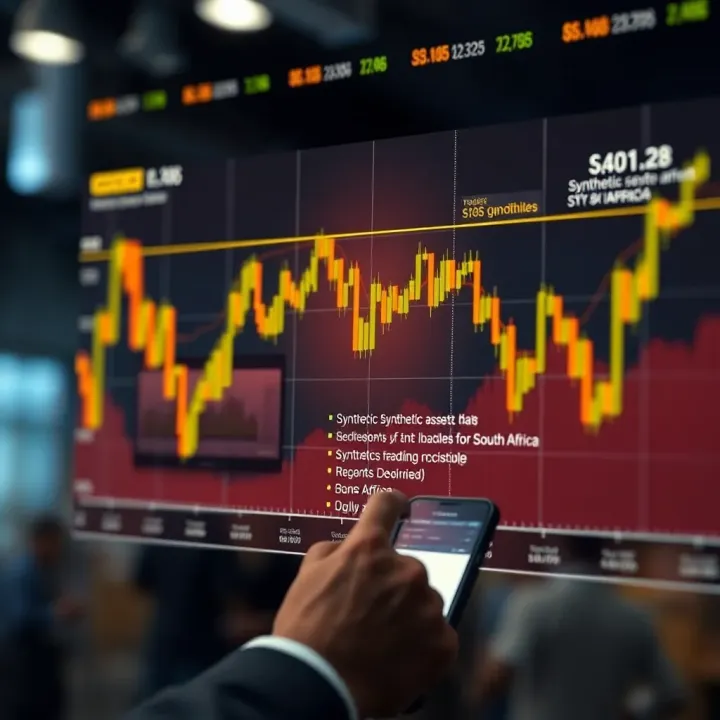
📊 Discover synthetic assets and trading tips tailored for South African markets. Learn risks, benefits, regulations & key platforms to trade smartly! 🇿🇦
Based on 8 reviews