
Beginner's Guide to Forex Trading in South Africa
📈 Start your forex trading journey with this practical guide for South Africans. Learn market basics, key terms, smart strategies, risk tips & avoid common traps. 🇿🇦
Edited By
Henry Lawson
Forex trading online has steadily gained traction among South Africans as a viable way to access international financial markets directly from home. Unlike traditional stock trading, the forex (foreign exchange) market operates 24 hours a day during weekdays, offering plenty of opportunities to trade currencies across global time zones.
South African traders often focus on major currency pairs like USD/ZAR (US dollar to South African rand), EUR/USD, and GBP/USD. These pairs are popular due to liquidity and tighter spreads, helping traders manage costs. Platforms such as IG, Plus500, and AVATrade provide access tailored to South African users, including compliance with the Financial Sector Conduct Authority (FSCA).
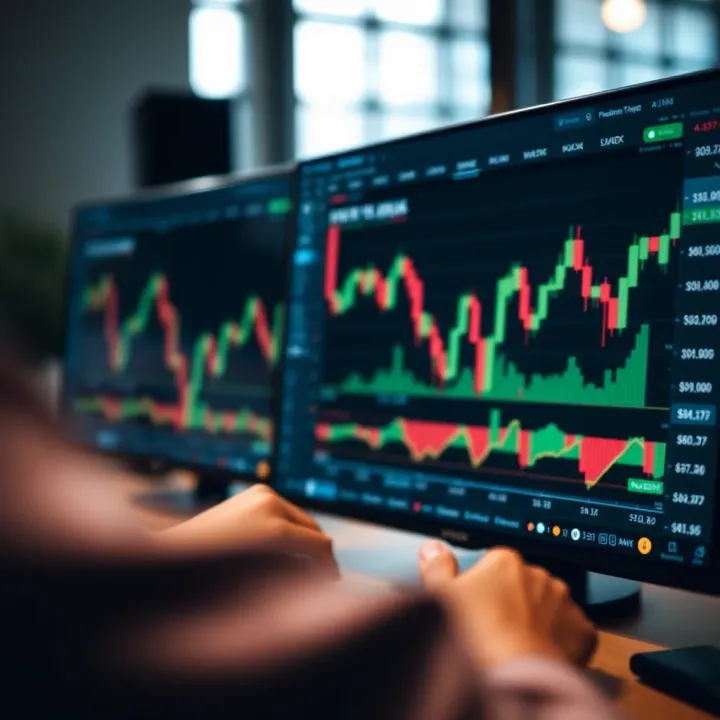
Trading forex is not a shortcut to quick riches—it's a serious business requiring discipline, understanding of risk, and good strategy.
Getting started requires more than just opening an account. It’s crucial to grasp how leverage works, what margin calls mean, and the impact of volatile news events on currency prices. For instance, sudden shifts in the rand can follow economic announcements from the South African Reserve Bank (SARB) or unexpected Eskom loadshedding schedules affecting investor confidence.
Forex trading also comes with regulatory considerations. FSCA registration of brokers ensures your funds are protected under local law. South Africans should avoid unregulated offshore brokers which pose risks of fraud or unfair practices.
Practical steps for beginners include:
Selecting a reputable FSCA-registered broker who offers a user-friendly platform and local payment options like EFT or SnapScan.
Starting with a demo account to practice without risking real money.
Learning technical and fundamental analysis to understand price movements.
Being cautious with leverage — higher leverage amplifies both gains and losses.
Keeping abreast of local and global economic news affecting currencies.
This approach provides a solid foundation to trade forex responsibly and with more confidence amid South Africa’s unique market conditions.
Forex trading, or foreign exchange trading, involves buying and selling currencies in pairs, such as the US dollar against the South African rand (USD/ZAR). It's one of the world's largest financial markets, operating 24/5, which means you can trade anytime except over the weekend. Understanding what forex trading entails helps South Africans grasp how global events and local factors influence currency values.
In simple terms, currency pairs reflect how much one currency is worth compared to another. For example, if the USD/ZAR pair is trading at 18.50, that means one US dollar equals R18.50. Traders speculate whether the rand will strengthen or weaken against the dollar or other currencies. Making sense of these movements is key to starting in forex.
Online currency trading works through platforms provided by brokers. These platforms act like marketplaces where you can buy or sell currency pairs. For instance, if you expect the rand to weaken against the euro, you can sell ZAR/EUR on your trading app. The platform instantly matches your trade, and you can monitor price changes live. This immediacy is essential, especially with currency rates shifting rapidly due to news, economic data, or geopolitical events.
Spot forex refers to the purchase or sale of currencies for immediate delivery, in contrast to futures or options contracts where the exchange happens later. Spot trading is popular because it’s straightforward and reflects real market demand and supply. In South Africa, most individual traders focus on spot forex since it suits the fast-paced online environment and smaller investment amounts.
One big draw in South Africa is the accessibility and flexibility of forex trading. Unlike investing in physical stock markets or property, you can start trading forex with relatively small capital—sometimes just a few hundred rand. Plus, online brokers allow trading beyond office hours, which is a plus for people balancing jobs or studies. For example, you could trade at night after work hours without needing to visit a broker’s office.
The rand’s volatility makes forex trading especially interesting for local traders. Rand fluctuations happen regularly, influenced by commodity prices, political events, and international trends. This movement creates opportunities for profit, but also risk. For example, if you predicted that rand would weaken after a sudden Eskom loadshedding stage escalation, trading USD/ZAR accordingly could yield gains.
Compared with other investments common in South Africa—like unit trusts, government bonds, or property—forex offers more immediate access and liquidity. You can enter and exit trades quickly, which isn’t always the case with property or certain savings products. That said, forex trading demands solid knowledge and risk control, unlike some traditional investments.
Forex trading offers South Africans a chance to engage with global markets directly, but understanding its mechanics and risks is vital before diving in.
Whether you’re looking to supplement income or experiment with trading strategies, grasping forex fundamentals sets a strong foundation to build from.
Getting started with forex trading in South Africa means laying a solid foundation, primarily by choosing the right broker and properly funding your trading account. These steps ensure that your trading experience is safe, efficient, and tailored to South African conditions.
In South Africa, the Financial Sector Conduct Authority (FSCA) oversees forex brokers to protect traders and maintain market integrity. Choosing an FSCA-registered broker means the company complies with local laws designed to prevent fraud and assure client fund safety, which is vital given forex's inherent risks. For example, a broker regulated by the FSCA must segregate client funds from operating capital and adhere to strict reporting standards.
The cost of trading with a broker largely depends on spreads (the difference between buying and selling price), commissions, and additional fees. Brokers offering narrow spreads and low or no commissions are often preferred, but watch out for hidden costs like withdrawal fees or inactivity charges. Also, trading conditions such as leverage limits, minimum deposit requirements, and available currency pairs can impact your flexibility. For instance, some brokers provide access to Rand (ZAR) currency pairs, which could be advantageous due to local market familiarity.
Many internationally known brokers operate in South Africa, but not all are FSCA-approved. FCA-regulated platforms like IG or Plus500 offer services to South Africans, yet FSCA registration adds an extra layer of protection. Local-friendly brokers such as CM Trading and HotForex cater specifically to South African clients and sometimes offer support in local languages and ZAR deposit options, which eases currency conversion issues.
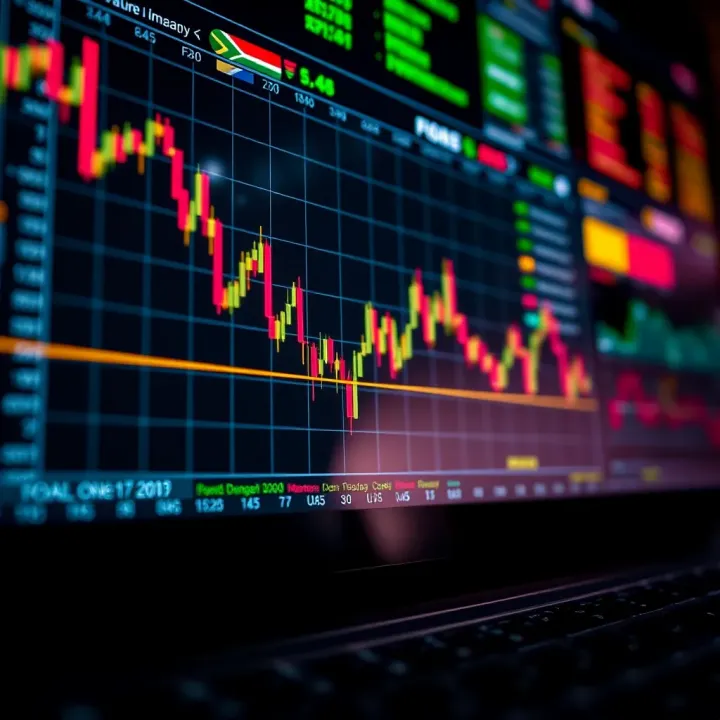
When opening a forex trading account, South African traders must provide identification documents in line with RICA (Regulation of Interception of Communications and Provision of Communication-Related Information Act) and FICA (Financial Intelligence Centre Act) requirements. This includes valid ID, proof of address, and possibly bank statements to confirm your identity and address. This process helps brokers comply with anti-money laundering laws, reducing fraud risks.
Funding your account in Rand is usually more convenient, removing the need for repeated currency conversions and avoiding potentially unfavourable forex rates. However, some brokers might require or offer accounts in USD, EUR, or GBP. Depositing foreign currency can expose you to additional conversion fees and exchange rate fluctuations. For example, funding in Rands at a broker that supports it is often cheaper and quicker given local banking infrastructure.
South African traders typically use various payment options including EFT (Electronic Funds Transfer), credit/debit cards, and increasingly, e-wallets like Skrill and Neteller. EFTs from local banks are common but sometimes slower due to interbank processes. Some brokers also allow payments via PayGate or local mobile payment methods, improving convenience. Withdrawal methods usually mirror deposits, so choosing a broker supporting your preferred method is practical to avoid delays or extra charges.
Starting your trading journey on the right foot means picking a reliable, regulated broker and understanding the best way to process your payments. This reduces surprises and gives you more control over your trades.
By paying attention to these setup aspects, South African traders can navigate the forex market more confidently, aligning their choices with local financial and regulatory contexts.
Understanding core trading strategies and the right tools is vital for anyone keen on trading forex online in South Africa. These foundations help traders make informed decisions, manage risks, and improve their chances of success in the volatile currency markets that are influenced by both local and global factors.
Swing trading and day trading are two common approaches beginners often explore. Swing trading involves holding positions for several days or weeks, capturing medium-term market movements. It suits traders who can’t watch the markets all day but want to benefit from broader trends. For example, a South African trader might hold a USD/ZAR position while monitoring economic events like SARB’s interest rate announcements.
Day trading, on the other hand, focuses on closing positions within the same day. This style demands attention and quick decision-making but can limit overnight risk exposure. It’s handy during volatile periods, such as when the rand experiences sudden swings due to political developments.
Technical analysis plays a significant role in shaping trading decisions. Using charts and indicators, traders spot patterns and trends to predict future price moves. Common tools include moving averages, RSI (Relative Strength Index), and Bollinger Bands. For instance, spotting an RSI that shows an overbought rand might suggest a potential drop in the USD/ZAR pair.
Fundamental analysis looks beyond charts, focusing on economic data and news. South African traders benefit from following local factors like GDP reports, inflation stats, and Eskom’s impact on economic activity. Understanding how these influence the rand helps traders anticipate currency moves and adjust their positions accordingly.
Popular platforms such as MetaTrader 4, MetaTrader 5, and cTrader provide comprehensive tools for trading forex. MetaTrader 4 remains favoured for its simplicity and extensive custom indicators, while MetaTrader 5 offers more advanced features and supports a wider range of assets. cTrader is praised for its intuitive interface and transparency in pricing, making it a solid alternative.
Mobile trading apps have changed the game for South African traders, who might often rely on their smartphones. These apps offer the convenience of managing trades on the go, checking live charts, and receiving alerts. Usability varies, but platforms like MT4 and MT5 mobile apps strike a good balance between features and ease of use.
To keep on top of the markets, traders use tools that monitor currency pairs and volatility. These include economic calendars that detail upcoming events and news, volatility alerts that signal price swings, and watchlists to track preferred pairs. For instance, a trader closely following the rand might set alerts around SARB meetings or US Federal Reserve decisions.
A well-chosen strategy backed by the right software can make a noticeable difference in managing risks and spotting opportunities in forex trading.
Mastering these core strategies and tools is just the start, but they’re the bedrock on which practical, successful trading stands — especially given the specific challenges and opportunities in South Africa’s financial landscape.
Trading forex online comes with its fair share of risks and requires a clear understanding of regulatory frameworks as well as responsible trading behaviour. In South Africa, knowing these aspects can mean the difference between steady progress and costly mistakes. This section unpacks the critical risks involved, the local regulatory environment, and practical tips for managing your trading journey safely and effectively.
Leverage lets you control a larger position with a smaller amount of capital, often expressed as a ratio like 1:100. While it magnifies potential profits, it also ramps up potential losses. For example, using 1:100 leverage means a 1% adverse move wipes out your entire deposit. For South African traders, cautious use of leverage is vital, especially given the rand’s volatility and sudden market moves. Keep leverage moderate, or use it sparingly, otherwise small price swings can quickly drain your account.
Forex markets are notoriously volatile, with prices swinging based on economic reports, geopolitical events, or unexpected news. For instance, sudden political changes or SARB (South African Reserve Bank) announcements can sharply affect the rand’s value. Traders should expect and prepare for such unpredictability. While volatility offers profit opportunities, it can also cause rapid losses if positions are not managed carefully.
Many new traders fall into traps like chasing losses, overtrading, or ignoring stop-loss orders. For example, trying to recover a loss by risking larger amounts often leads to even bigger defeats. Sticking to a planned strategy and controlling emotions goes a long way in preventing these errors. Also, avoid trading on tips or rumours without your own research.
The Financial Sector Conduct Authority (FSCA) regulates forex brokers operating in South Africa. They enforce rules to protect traders from unscrupulous practices and ensure transparency. Brokers authorised by FSCA must comply with capital adequacy requirements and fair trading rules, giving traders some peace of mind.
While FSCA regulation offers safeguards, it doesn’t make trading risk-free. Still, authorised brokers must separate client funds from their own, reducing risk of theft or misuse. South African traders should confirm their broker’s FSCA status to benefit from these protections.
Selecting an FSCA-authorised broker avoids the headache of scams or unregulated platforms. Unauthorised brokers often operate offshore with little accountability, making fund recovery difficult. Checking the FSCA register before opening an account is a practical step every trader should take.
Forex trading is not a shortcut to quick riches. Setting achievable goals based on your capital, time, and skills helps maintain discipline. For example, aiming to grow your account steadily by a few percentage points per month is more practical than chasing large, risky returns.
Most brokers offer demo accounts with virtual money, allowing you to practice strategies without risking real cash. This hands-on experience is invaluable for new traders to familiarise themselves with market dynamics and platform tools before risking hard-earned Rand.
Using stop-loss orders—a preset level at which your trade automatically closes—helps limit losses. Combining this with sensible position sizing, such as risking only 1-2% of your trading capital on any single trade, protects your portfolio from big hits. This kind of risk management is a staple for steady trading success.
Responsible trading means understanding risks, respecting regulations, and managing expectations. With the right approach, South African traders can navigate forex markets more confidently and safely.
Trading forex from South Africa comes with its own unique set of challenges and advantages. Understanding these practical aspects is key to navigating the market successfully. From the erratic behaviour of the rand to infrastructure and tax requirements, knowing what to expect helps minimise surprises and manage risk effectively.
The rand is known for its volatility, often swinging sharply due to domestic political events, commodity price shifts, or global market trends. For traders, this volatility offers both opportunity and risk. A sudden rand depreciation can make exporting companies' shares rise, affecting related currency pairs. However, it also means unexpected losses if you're not on top of your trades or if you neglect local economic news.
Using currency pairs involving the rand, like USD/ZAR or EUR/ZAR, allows South African traders to benefit from or hedge against these fluctuations. Since the rand is less liquid compared to major currencies, spreads tend to be wider and price movements can be sharper. Traders should factor this in when choosing trade sizes and stops and consider the potential for price gaps during low liquidity periods.
Economic factors such as South Africa's trade balance, interest rates set by the South African Reserve Bank (SARB), and political developments heavily impact the rand. For instance, an unexpected SARB rate cut can weaken the rand immediately. Similarly, poor domestic growth forecasts or credit rating downgrades affect investor sentiment and exchange rates. Keeping an eye on these indicators is essential for informed trading decisions.
Internet reliability remains a key concern in South Africa, with many regions still facing intermittent connectivity and expensive data. Since forex trading relies on real-time data, delays or outages can leave traders unable to close or manage positions. It’s wise to have backup internet options, such as a mobile hotspot, and to know when your connection tends to be strongest during the day.
Loadshedding further complicates matters. Scheduling your trading sessions outside Eskom’s planned power outages helps avoid disruptions. Some traders even invest in uninterruptible power supplies (UPS) or solar backup to keep critical devices powered during these times.
When deciding between mobile data and broadband, broadband often offers better stability for streaming markets and running trading platforms. But in certain areas, mobile networks provide faster speeds or better coverage. For active day traders, a stable broadband connection with unlimited data is usually preferable, while casual traders might find mobile data more cost-effective.
The South African Revenue Service (SARS) treats forex profits as taxable income. For individual traders, this generally falls under normal income tax, meaning profits are combined with other earnings and taxed at your marginal rate. If trading becomes a business, other tax considerations like VAT and provisional tax might apply.
Good record-keeping is essential. SARS requires traders to provide clear evidence of trades made, profits, losses, and expenses. Many traders find apps and spreadsheets useful for tracking transactions and calculating the taxable portion accurately.
It’s often wise to seek professional advice from a tax consultant familiar with forex trading. This helps avoid costly mistakes and ensures compliance with South African tax law. Understanding your obligations upfront also helps you plan better and avoid surprises during tax season.
Successful forex trading in South Africa isn't just about picking the right trades—it means understanding how local factors like rand volatility, infrastructure, and tax laws shape your results. Approach these practical considerations confidently, and you'll stand a better chance in the market.
📈 Start your forex trading journey with this practical guide for South Africans. Learn market basics, key terms, smart strategies, risk tips & avoid common traps. 🇿🇦
🤖 Discover how forex trading robots work, their pros and cons, key features, and tips for South African traders to pick and use automated systems wisely.
📈 Learn how to trade crypto safely in South Africa with practical tips on local platforms, risk control, tax rules, and security to trade smarter and confident.
💱 Learn how to withdraw profits from your forex account safely in South Africa. This guide covers fees, timing, regulations, and tips to avoid common snags.
Based on 15 reviews