
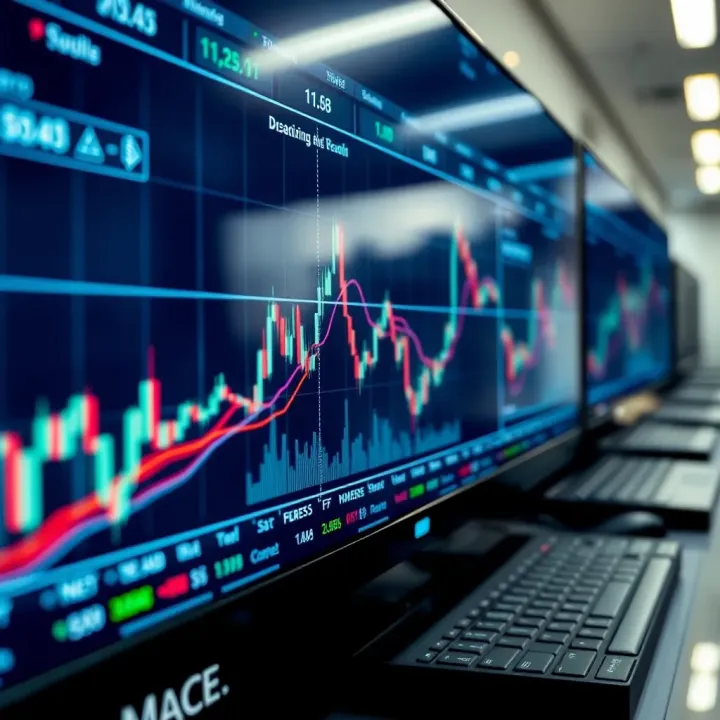
Robots in Forex Trading: A Guide for South African Traders
🤖 Discover how forex trading robots work, their pros and cons, key features, and tips for South African traders to pick and use automated systems wisely.
Edited By
Liam Robinson
Forex trading, or foreign exchange trading, lets you buy and sell currencies with the goal of making a profit. For South African traders, this market is accessible 24 hours a day on weekdays, making it attractive for those juggling work or studies. Unlike shares or property, forex trading involves currency pairs – for example, the South African Rand against the US Dollar (ZAR/USD).
Understanding the basics is key before risking your hard-earned cash. The forex market is where banks, companies, governments, and retail traders trade currencies. Prices constantly fluctuate due to factors like economic data, political events, and global market sentiment.
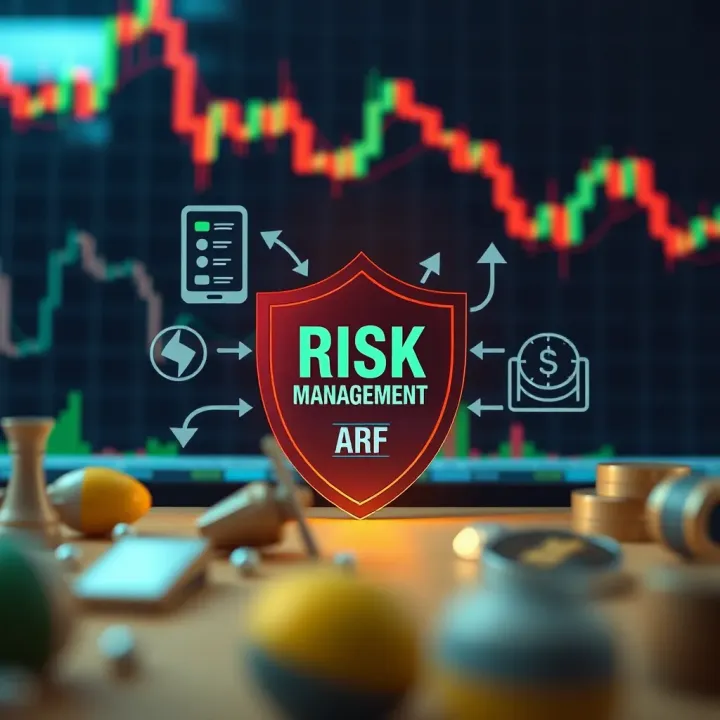
Keep in mind: Forex trading carries significant risk. It’s not a quick way to get rich, but with knowledge and discipline, you can trade smartly and manage your risks properly.
Accessibility: Many brokers accept South African clients and allow deposits in Rand.
Leverage: Forex brokers typically offer leverage, allowing you to control a larger position with a smaller amount of capital. This can magnify gains, but also losses.
Liquidity: The market is highly liquid, so entering and exiting trades is usually quick and smooth.
Pip: The smallest price movement a currency pair can make. Typically, one pip equals 0.0001 for most pairs.
Spread: The difference between the buying (bid) and selling (ask) prices. Lower spreads save money on every trade.
Leverage: Borrowed capital from your broker to increase your exposure.
Lot: The standardised size of a trade. One standard lot is usually 100,000 units of the base currency.
Margin: The money required to open a leveraged position.
To start, open a demo account with a reputable broker like ThinkMarkets, IG Markets, or Plus500. This lets you practise risk-free before investing real money. Also, read through educational PDFs or guides from sources like the South African Reserve Bank or Financial Sector Conduct Authority to build a solid foundation.
Trading with a plan is better than relying on luck. Develop simple strategies, track your progress, and don’t trade more than you can afford to lose. With patience and practice, you’ll get a better feel for the market’s ebb and flow.
This guide will walk you through practical steps, helping you develop good habits and avoid common pitfalls many beginners stumble over.
Grasping the basics of forex trading is your first step to navigating the market with confidence. For new traders, understanding how the forex market operates helps you avoid costly mistakes and make more informed decisions, especially within the South African context where factors like the rand’s volatility play a role.
The foreign exchange (forex) market is the global arena where currencies are bought and sold. It's the largest financial market worldwide, with daily trading volumes exceeding US$6 trillion. This constant activity means currency values fluctuate every second, influenced by economic data, geopolitical events, and market sentiment.
Unlike shares or bonds, forex trading involves pairs of currencies. You're always trading one currency against another. For instance, if you buy the EUR/ZAR pair, you’re speculating on the euro strengthening against the South African rand, or vice versa.
Trading hours are crucial as the forex market never fully closes. For South African traders, the market is active 24 hours from Sunday evening to Friday evening SAST, overlapping with the London, New York, and Asian sessions. Peak volatility often occurs when London and New York sessions overlap, which typically runs from 3 pm to 7 pm SAST, giving traders potentially richer opportunities.
A pip is the smallest unit a currency pair moves, usually the fourth decimal place, like a 0.0001 change in EUR/USD. A lot is the standard volume of one trade, commonly 100,000 units of the base currency. However, most brokers offer mini or micro lots to reduce risk.
Leverage allows you to control a large position with a smaller amount of capital, but it can amplify losses. For example, a 100:1 leverage means R1,000 can control R100,000 in the market. Margin is the amount required in your account to open and maintain a position. Mastering these helps you trade responsibly.
The bid is the price a buyer is willing to pay, while the ask is the price a seller demands. The difference between them is the spread, essentially the broker’s fee for the trade. Spread costs matter: trading during volatile times can widen spreads, increasing your transaction costs.
Understanding order types helps manage trades efficiently:
Market orders execute immediately at the best available price.
Limit orders set a price at which you want to buy or sell; the trade only happens if the market reaches that price.
Stop orders trigger a market order when a specific price is hit, commonly used for stop-losses to control risk.
Getting familiar with these terms and how the forex market functions will build a solid foundation for your trading journey, helping to avoid confusion and improve decision-making.
Having this clear grasp from the start means you'll better manage your trades, know when to act, and understand the market moves that affect your positions—key to being more than just lucky in the market.
Setting up properly before you jump into forex trading can save you a lot of headaches down the line. It isn’t just about opening an account and clicking “buy” or “sell”. For South African traders especially, knowing how to choose a broker, set up an account, and manage basic trading mechanics sets the foundation for long-term success.
When picking a broker, one of your first decisions is whether to go local or look internationally. Local brokers, such as those registered with the Johannesburg Stock Exchange (JSE) or authorised by the Financial Sector Conduct Authority (FSCA), tend to understand South African regulations and offer customer support tailored to our time zone and payment methods. On the other hand, international brokers might provide access to a wider range of currency pairs and advanced trading features. However, using them can involve additional paperwork, slower withdrawals, or risks around compliance if they're unregulated in South Africa.
Regulation keeps your trading safe. Only deal with brokers licensed by reputable authorities like the FSCA locally, or global bodies such as the FCA (UK) or ASIC (Australia). Licensed brokers must adhere to strict rules around client funds segregation and transparent reporting. This reduces your risk of falling victim to scams or shady practices. For instance, a local FSCA-licensed broker ensures your money is held in separate accounts from company funds, providing an extra layer of financial security.
A broker’s trading platform is your main tool. Look for one that's user-friendly and reliable, especially if you’re just starting to trade forex. Platforms like MetaTrader 4 or 5 are popular choices and widely supported by many brokers, offering useful charts, indicators, and quick execution. Additionally, mobile accessibility is key for traders on the move, particularly in South African cities where traffic and work schedules make desktop trading inconvenient during the day.
Demo accounts let you trade with virtual money while you familiarise yourself with the platform and try out strategies without financial risk. It’s a must for beginners to build confidence. Live accounts involve real money, so gains and losses matter. Start small when you switch to live trading, as emotional pressure differs greatly from demo trading.
Funding your trading account should be straightforward. Most South African brokers accept methods like EFT (electronic funds transfer), credit/debit cards, and well-known e-wallets such as Neteller or Skrill. EFT is common and relatively fast, but note that some international brokers might charge steep fees or delay withdrawals. Knowing which options are efficient and cost-effective helps you manage your funds without unnecessary hold-ups.
Leverage lets you control larger positions using a smaller amount of your own money. While this can amplify profits, it also increases potential losses. South African regulators often limit leverage to levels like 1:30 for safety. Before starting, get to grips with how much risk you're taking relative to your capital. For example, using R5,000 with 1:30 leverage means controlling R150,000 in the market – that’s a big jump and needs careful risk management.
Starting your trading journey well-prepared gives you an edge. Getting your broker and account setup right is more than a technical step — it shapes your daily trading experience and your potential to grow confidently in the forex market.
Building your trading skills and crafting a solid strategy is a must for anyone serious about forex trading. Without a clear approach, you’re more likely to react on emotions or guesswork, which often ends in losses. Sharpening your skills means getting a good grasp on when to enter and exit trades, how to interpret market signals, and assessing risk wisely.
Trend following and breakouts are straightforward yet effective strategies to start with. Trend following is about identifying and trading in the direction the market is moving — for example, if the rand is steadily weakening against the dollar, a trader might go short on ZAR/USD expecting the trend to continue. Breakouts involve spotting when a currency pair moves beyond a key level, signalling potential strong momentum. For instance, a big jump above recent resistance in EUR/ZAR might signal a new rally. Both strategies rely on recognising patterns rather than random moves.
Simple technical indicators to use include moving averages and the Relative Strength Index (RSI). Moving averages smooth out price action, helping you see the bigger picture and confirm trends. The RSI measures momentum and helps identify overbought or oversold conditions, useful for timing entries and exits. Beginners can start by combining a 50-day moving average with the RSI to find reasonably good signals without being overwhelmed.
Importance of practising on demo accounts cannot be overstated. Demo trading lets you test strategies in a risk-free environment before risking real cash. It’s especially handy for getting used to the trading platform, timing the market, and understanding how orders work. For South African traders, testing overnight market conditions influenced by global sessions is valuable practice. Using demo accounts means you can learn from mistakes without the stress of losing money.
How economic news affects currency values is key to understanding forex markets. Data releases like South Africa's inflation rate, interest rate decisions by the South African Reserve Bank, or unemployment figures can cause sudden shifts in the rand's value. Globally, US jobs data or political developments in China can swing major currency pairs. Traders who track news can anticipate potential volatility and avoid surprises.
Key South African and global events to watch include the SARB’s Monetary Policy Committee meetings, budget announcements, and geopolitical shifts such as trade negotiations or sanctions. Keeping an eye on global events like US Federal Reserve decisions and European Central Bank announcements is vital because they often dictate broader trends impacting emerging market currencies like the rand.
Combining fundamental and technical insights provides a more balanced strategy. For example, if the technical indicators signal an uptrend in USD/ZAR but fundamental news from South Africa hints at strengthening economic conditions, the signals reinforce each other, increasing confidence. Conversely, if the technicals say to buy but there’s a looming negative economic report, it might be best to hold off. This blend helps avoid blindly following charts or getting swayed by news alone.
Practising both skills together equips traders with the tools to make informed, confident decisions that improve chances of success in the often unpredictable forex market.
Risk management is the backbone of sustainable forex trading, especially for beginners navigating the often volatile currency markets. By managing risks effectively, traders protect their capital, which means less chance of blowing their account on a few bad trades. In practical terms, this means planning your trades carefully, using tools like stop losses and setting sensible trade sizes to avoid unexpected large losses.
Setting stop losses and take profits is one of the first rules every trader should learn. A stop loss orders your broker to close a trade automatically if the market moves against you by a certain amount, limiting losses before they spiral out of control. For instance, if you buy the USD/ZAR pair at R18.50 and set a stop loss at R18.30, the position closes if the price hits that point, capping your loss at 20 cents per unit. Take profits work the other way, locking in gains once a target price is reached. This disciplined approach prevents chasing losing trades or giving back profits to the market.
Managing position sizes sensibly protects your capital from sudden swings. This means not risking too much on a single trade. Many experienced traders recommend risking no more than 1-2% of your total trading capital on any one position. For example, if you have R10,000 in your account, you shouldn't risk more than R100-R200 on a single trade. Adjusting your position size according to the stop-loss distance also helps maintain this discipline: the bigger the stop loss, the smaller your position size should be to keep risk in check.
Avoiding common emotional trading mistakes is just as vital. Emotions like fear and greed often lead to poor decisions, such as overtrading or holding losing positions too long hoping for a turnaround. One practical tip is to plan your trade before entering and stick to the plan, avoiding impulsive decisions. Keeping a trading journal helps, too: note why you entered, your exit targets, and how you felt. Reviewing this over time reveals behavioural patterns to work on.
Managing risk isn't about avoiding losses altogether but controlling them so you stay in the game long enough to profit consistently. It's what separates successful traders from those who burn through accounts rapidly.
By mastering these risk management techniques, you safeguard your capital and position yourself to build skills steadily without unnecessary financial pressure. This practical approach works well in South Africa's unique forex trading environment, where currency volatility can be quite pronounced due to global and local economic events.
Learning the ropes in forex trading depends heavily on the resources you rely on. Quality materials help you avoid costly mistakes and build confidence faster. When starting out, it’s essential to pick guides and tools that break down complex topics into manageable pieces without drowning you in jargon.
Recommended beginner-friendly forex PDFs offer a structured way to absorb information at your own pace. For example, PDFs provided by established brokerages or financial education platforms often include clear explanations of key concepts like leverage, pips, and risk management — all crucial for South African traders. These documents usually come with examples relevant to local and global markets, making them a practical first step.
Authoritative websites and localised materials are invaluable because they reflect the realities South African traders face, such as exchange rate fluctuations in ZAR/USD and the impact of Eskom loadshedding on trading hours. Websites from recognised financial institutions or local forex educators frequently update content to capture current market conditions and regulatory changes. When searching, prioritise sources that cite data from SARB or provide insights aligned with local regulation.
Using free versus paid resources effectively means balancing breadth and depth. Free resources like introductory articles and tutorials can get you acquainted with basics without spending a cent. However, premium courses or advanced guides can fast-track your learning by offering personalised coaching, real-time analytics, or advanced strategies. Consider starting with free guides then investing in paid content once you're more familiar with the market to deepen your understanding.
Joining online forex communities and forums allows you to learn from others' experiences and questions you might not have thought of yourself. South African forums or groups on platforms like Facebook or dedicated trading sites can provide support and insight about local conditions, broker recommendations, and strategy tweaks. Just be cautious and always cross-check advice to avoid misinformation.
Keeping up with market updates is a habit you can't skip if you want to trade effectively. South African traders should watch key economic releases, such as SARB interest rate decisions and consumer price index reports, alongside global news like US Federal Reserve announcements. Reliable sources include financial news sites and broker newsfeeds, which often summarise events concisely.
Trialling strategies with simulated trades on demo accounts gives you a risk-free playground to test your ideas and learn to manage emotions during price movements. Most brokers offer platforms identical to live accounts but with virtual money, so you can practise order execution, risk management, and strategy tweaking without losing real funds. This hands-on approach is critical before committing actual money, helping you avoid rookie errors.
Accessing the right learning materials and practising regularly is the backbone of becoming a confident forex trader, especially in South Africa's unique market environment where global factors meet local realities.
🤖 Discover how forex trading robots work, their pros and cons, key features, and tips for South African traders to pick and use automated systems wisely.
📈 Learn how signal trading helps South African investors make smarter moves using alerts, market indicators, pros, cons, and strategy tips. 🇿🇦
🤝 Learn how South African forex traders can secure funding, choose the right funder, and navigate legal and trading strategies for success in forex markets.
📊 Discover synthetic assets and trading tips tailored for South African markets. Learn risks, benefits, regulations & key platforms to trade smartly! 🇿🇦
Based on 6 reviews