
Choosing the Best Options Trading Platform in South Africa
🔍 Find the best options trading platform in South Africa! Compare features, fees, security, and tools to trade confidently and safely in 2024.
Edited By
Emily Carter
Navigating the trading world means picking a platform that aligns well with your goals, and Libertex is one contender worth examining closely. It’s a platform that proposes a straightforward interface, a variety of asset types, and competitive fee structures, which appeal to many South African traders looking for simplicity without compromising features.
Libertex caters to both beginners and experienced traders. The platform offers access to CFDs (contracts for difference) across shares, currencies, commodities, indices, and cryptocurrencies. This variety lets you build a diversified trading approach without juggling multiple accounts. For South Africans, that’s handy, because it means you can trade international markets alongside local considerations, often from the comfort of your mobile device.
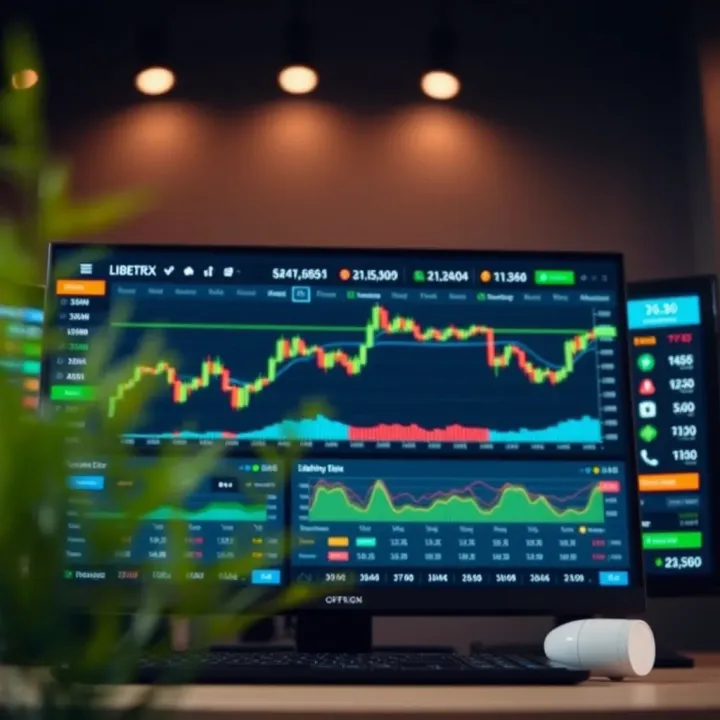
One notable feature is Libertex’s fee model. Unlike many brokers that pile on spreads, Libertex works mainly on clear commission charges. This can simplify understanding your costs upfront, especially if you trade frequently. However, traders should watch out for certain withdrawal fees and inactivity charges that might sneak in if the account is left idle.
Security-wise, Libertex is regulated by the Cyprus Securities and Exchange Commission (CySEC), which adds a layer of protection, though it’s not a South African regulator. The platform employs standard encryption protocols for user data and transactions. While it’s generally safe, South African traders should weigh this against local regulatory protections and consider their comfort level with overseas regulation.
Ease of use is another factor where Libertex scores. Its web and mobile apps load quickly and offer intuitive navigation, crucial for making timely decisions. This is especially useful during periods of Eskom loadshedding, where mobile data and device battery life become critical.
Customer support includes live chat, email, and phone options, with reasonably prompt response times. This matters when you’re in the middle of market hours and need swift assistance.
Libertex’s combination of transparent fees, multi-asset access, and a user-friendly platform make it a solid pick — but its overseas regulation means do your homework before committing.
In the sections ahead, we’ll look at how Libertex stacks up in specific areas like account types, fees, mobile experience, and suitability for South African traders to help you decide if it’s the right fit for your portfolio.
Getting a clear picture of Libertex upfront makes it easier to see if this platform suits your trading style and goals. A solid overview highlights its origins, the kind of traders it appeals to, and its standing in global and local markets. This context helps South African traders decide whether to invest time and money here or look elsewhere.
Libertex started in 1997 and has since become a familiar name in online trading circles worldwide, including South Africa. It operates under the umbrella of Forex Club Group, giving it a solid financial foundation and regulatory oversight in several jurisdictions. This gives some peace of mind in a market sometimes marked by unregulated operators. The platform boasts over 2.2 million users in more than 110 countries, showing strong global adoption.
In South Africa, Libertex has gained traction thanks to its wide range of assets and relatively user-friendly interface, which stands out compared to some older, clunkier platforms. Its market presence is boosted by sponsorship deals — like with football clubs — making it more visible to everyday traders. While not the largest broker on the JSE or the local scene, Libertex’s growing footprint makes it worthy of consideration.
Libertex suits traders of different levels, from beginners dipping their toes into markets to more seasoned speculators. Its straightforward platform and educational materials help newbies get started without feeling overwhelmed. On the other side, active traders appreciate the low commissions on forex and CFDs (contracts for difference), alongside flexible leverage options.
For day traders who focus on quick moves or swing traders holding positions a few days, Libertex offers enough liquidity and asset variety to meet their needs. However, more conservative investors seeking less risky, longer-term investments might find its product mix limited since it focuses largely on CFDs rather than traditional shares or ETFs.
Understanding Libertex’s background and target traders helps you judge whether it aligns with your approach, especially when you weigh factors like regulation, fees, and available instruments later on.
In short, Libertex provides a bridge for South African traders who want a mix of global exposure and local convenience without a steep learning curve. It’s not perfect for everyone, but knowing who it's made for prevents wasting time on a platform that won’t suit your strategy or experience level.
Understanding the trading instruments and account options Libertex offers is key to judging if it suits your style. These factors determine what markets you can access, how flexible your trading can be, and the risks you’re exposed to.
Libertex provides access to a fairly wide variety of assets, covering forex pairs, cryptocurrencies, stocks, indices, and commodities. For example, South African traders can trade popular forex pairs like EUR/USD or USD/ZAR, which is handy when you want to hedge rand exposure or speculate on forex movements. Cryptocurrencies available include Bitcoin and Ethereum, allowing traders to tap into that volatile market.

On the stocks front, you’ll find access to global giants such as Apple, Tesla, and local favourites like Naspers. Indices include mainstream options like the S&P 500 and FTSE 100. Commodities cover essentials such as gold and oil, which are often sought after during global uncertainty. Overall, this variety along with market hours flexibility enables traders to spread their risk and diversify their portfolios quite effectively.
Libertex offers a few account types tailored for different trader levels. The Classic account serves beginners well, with relatively low minimum deposits and easy access to all assets. For more advanced traders, the Pro account delivers additional perks like tighter spreads and higher leverage, which could mean better trading conditions if you know how to manage risk.
Some accounts also come with demo access, a feature worth emphasising because it allows you to test strategies without losing real money. Specific features such as negative balance protection also help safeguard your capital. Fees and commission structures vary by account type, so choosing wisely depending on your trading frequency and volume makes sense.
Leverage offered by Libertex is flexible but tends to have limits imposed based on the asset class and regulatory restrictions. For instance, forex pairs might allow leverage up to 1:30, while cryptocurrencies usually come with much lower limits, sometimes around 1:5 or below.
Margin requirements depend on the leverage level, influencing how much of your own capital you need to put up to open positions. While leverage can boost potential gains, it increases risk too, especially when markets turn volatile. Having clear margin call policies and stop-out levels means you won’t face surprise losses, a feature South African traders should keep in mind given currency and market fluctuations.
Choosing the right mix of trading instruments, account options, and leverage settings helps tailor Libertex to your individual risk appetite and trading goals while navigating the South African market context.
Navigating a trading platform smoothly plays a big role in how effectively you can manage your investments. A platform that's intuitive and responsive lets you focus on your trading strategy rather than wrestling with clunky interfaces or slow loading times. For South African traders, balancing usability with reliable performance is especially relevant given the intermittent internet speeds and occasional loadshedding disruptions.
Libertex’s desktop platform offers a clean and straightforward layout that appeals to traders who prefer working from a PC or laptop. The dashboard displays key market data clearly, with charts that are easy to customise. For instance, you can quickly switch between candlestick and line charts, add technical indicators, and draw trend lines without sifting through complicated menus. Orders are executed promptly, which is vital when trading volatile assets like forex pairs or commodities such as platinum.
The platform supports multiple windows, so you can keep an eye on several instruments simultaneously. However, in South Africa’s slower internet areas, some users may experience minor delays during peak hours. Libertex doesn’t demand overly powerful hardware, so even mid-range laptops can handle it without lag.
The Libertex mobile app brings much of the desktop experience to your smartphone, which suits South Africans who often trade on the go. The app is available for both Android and iOS and has a clean design focused on simplicity. It offers real-time price alerts and push notifications, meaning you don’t miss key market moves while out and about.
One practical benefit is the ability to deposit and withdraw funds directly from the app, with options suitable for South African users like EFT and credit cards. Despite its smaller screen, the app gives access to advanced charting tools and different order types such as stop-loss and take-profit settings. That said, some users report occasional crashes when switching between multiple assets quickly, so it’s wise not to rush during critical trades.
Libertex provides a selection of educational materials designed to get traders up to speed. There are webinars and beginner guides covering topics from basic trading principles to technical analysis. This is a plus for new traders in South Africa, who might not have easy access to formal courses or mentorship.
The platform also offers daily market analysis and economic calendars, which help traders spot upcoming events like SARB announcements or international reports that can move markets. While not as extensive as some specialised research platforms, these resources add practical value without overwhelming newcomers.
A trading platform that offers solid usability paired with helpful tools can make all the difference in executing your strategy confidently, especially in a diverse market like South Africa’s.
In short, Libertex delivers a balanced offering with a desktop platform that’s feature-rich yet manageable, a mobile app tailored for convenience, and educational content that supports growth. While not perfect, especially in connection-heavy scenarios, it stands up well to the needs of many South African traders seeking reliable access to global markets.
Understanding the costs, fees, and payment methods associated with trading platforms like Libertex is essential for every trader. These factors directly affect your profitability and ease of access to funds. Knowing what to expect upfront helps you avoid surprises and manage your trades better.
Libertex is notable for its zero-spread model, meaning it doesn’t mark up the price of assets. Instead, it charges a small commission per trade, which varies depending on the asset class. For example, trading forex pairs tends to come with commissions around 0.01% to 0.03% of the trade value, while stocks can carry fixed commissions. This approach can be more transparent compared to brokers adding spreads on top of market prices. However, traders should consider volume and frequency since commissions accumulate over time.
An important point is that Libertex does not charge extra for opening or closing trades, which can be an advantage for scalpers or active traders. The commission fees are typically competitive within the South African market context, but it’s wise to compare with local brokers, especially for high-frequency trading.
When it comes to funding your account, Libertex offers a variety of payment methods including credit and debit cards, bank transfers, and popular e-wallets like Skrill and Neteller. For traders in South Africa, card payments are usually processed quickly, often instantly, allowing you to get trading without delay. Bank transfers may take a business day or two but are reliable and support larger sums.
On the withdrawal side, Libertex generally processes requests within 24 hours, but the time for funds to reflect in your bank or wallet depends on the method used. One practical tip: always check for any minimum deposit or withdrawal amounts to avoid unnecessary fees.
Watch out for potential hidden charges, particularly currency conversion fees. Libertex operates accounts primarily in US dollars and euros, so South African traders funding accounts in rands may face conversion costs imposed by their banks or card providers. These fees aren’t charged by Libertex directly but can chip away at your trading capital.
Additionally, inactivity fees may apply if an account stays dormant for a prolonged period—often after 180 days without trades. It's essential to read the broker’s terms carefully and keep your account active or close it to avoid unnecessary charges.
When assessing any trading platform, factoring in all direct and indirect costs ensures you keep more of your profits and avoid surprises when accessing your funds.
In summary, Libertex offers a transparent commission structure with no spreads, multiple convenient payment options, and a straightforward withdrawal process. South African traders should just keep an eye on currency conversions and inactivity fees to manage their costs effectively.
When choosing a trading platform like Libertex, checking its safety, regulatory oversight, and customer support is key to protecting your capital and ensuring reliable service. These factors affect how secure your personal data and funds are, plus how quickly you get help when issues crop up.
Libertex operates under regulation from entities such as CySEC (the Cyprus Securities and Exchange Commission), which maintains fairly strict rules to safeguard traders. This regulatory oversight requires the platform to segregate client funds from company money and maintain transparency in operations.
Security-wise, Libertex uses SSL encryption to protect data transferred between traders and their servers, a common practice in reputable platforms. They also apply two-factor authentication (2FA) options, adding extra layers to keep accounts safe from unauthorised access.
Still, it's vital to remember that no online platform is entirely immune to risks. For South African traders, using strong passwords and enabling 2FA where available reduces risk. Also, making deposits only through regulated payment methods limits exposure to fraud.
Prompt and effective customer support can make or break your trading experience. Libertex offers multilingual support through live chat, email, and phone. Their agents generally respond within a few hours, which is quite reasonable for issues like account queries or technical assistance.
However, unlike some local brokers, Libertex does not yet provide a South African-specific helpline or WhatsApp support, which some traders prefer for quicker, more familiar communication. Overall, the support is adequate but could improve on availability during South African business hours.
In the South African trading community, Libertex garners mixed reviews. Many appreciate its straightforward platform and low fees, which encourage beginners. Still, experienced traders sometimes raise concerns about limited localised support and occasional withdrawal delays.
Some users highlight that Libertex’s demo account and educational resources helped them grasp trading basics without risking real money. Meanwhile, others have remarked on occasional lags during volatile market hours, which can affect order execution.
Given the regional realities like fluctuating internet quality and strict financial regulations, South African traders should weigh Libertex’s regulatory credentials against personal needs and preferences, especially regarding customer service.
All told, Libertex presents itself as a secure, regulated broker with decent client support, though South African investors might want to keep an eye on how support evolves here. For peace of mind, always keep records and double-check withdrawal timelines when using any online trading platform.
🔍 Find the best options trading platform in South Africa! Compare features, fees, security, and tools to trade confidently and safely in 2024.
Explore Qoutex in South Africa 🇿🇦: Learn about its features, security, trading experience, risks, and how to start trading confidently and safely 📈💡.

Looking for the best trading brokers in South Africa? Learn how to compare fees, platforms, regulation, and support 📈 Start trading with confidence safely today!
Explore ThinkMarkets for South African traders 🇿🇦: detailed review covering platform features, fees, support & education to guide your trading decisions.
Based on 15 reviews