
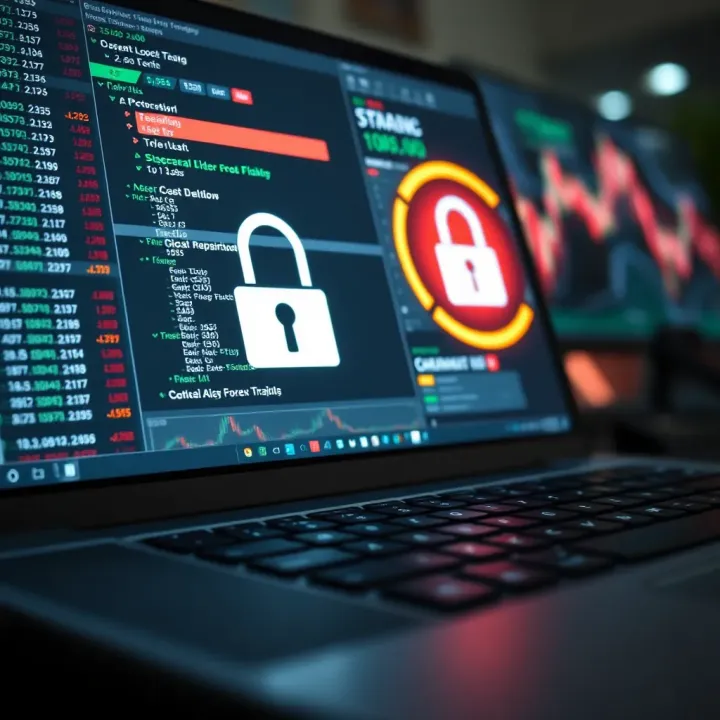
Choosing the Best Laptop for Forex Trading
💻 Find the ideal laptop for forex trading that offers smooth platform performance, reliable data security, and balances power with affordability—tailored for South African traders.
Edited By
James Harrington
Forex trading continues to evolve rapidly, influenced by new technologies, regulatory shifts, and dynamic market forces. Traders, investors, and brokers alike face a market that demands up-to-date knowledge and agility to stay competitive.
Technology plays a major role in reshaping forex markets. Algorithms and automated trading systems have become widespread, enabling faster execution and complex strategies. For example, retail traders can now access algorithmic trading tools previously only available to institutions, levelling the playing field in many cases. Additionally, improvements in mobile trading apps bring the forex market to your fingertips, allowing for trades on the go with greater convenience.
Regulatory developments vary across jurisdictions but generally aim at greater transparency and investor protection. Here in South Africa, compliance with the Financial Sector Conduct Authority (FSCA) framework is crucial. International traders must also navigate changes from global bodies like the Basel Committee, which affect margin requirements and leverage limits.
Market dynamics are also shifting. Geopolitical tensions and economic policies impact currency volatility, demanding sharper risk management. For instance, the ongoing uncertainty around global supply chains influences the Rand’s movement unpredictably, affecting trading strategies.
Staying ahead means not only mastering new tech but also understanding regulatory compliance and adapting risk approaches to market realities.
Key trends to watch include:
Increased adoption of AI and machine learning to refine forecasting and decision-making.
Expanded use of blockchain technology for more transparent settlements.
Greater focus on sustainable and ESG (environmental, social, governance) factors influencing currency flows.
Understanding these elements helps traders craft strategies that are both flexible and robust. The future forex space will reward those who combine smart tech use with sound regulatory awareness and practical risk controls. Keep an eye on how platforms and brokerages evolve, as these will shape accessibility and costs.
In this article, we explore these themes in detail, providing you with clear insights and actionable takeaways for the changing forex market environment.
Technology has reshaped how forex markets operate, bringing greater speed, accessibility, and sophistication to trading. For traders in South Africa and beyond, understanding this shift is key to staying competitive. From algorithmic systems to mobile apps, technology cuts both ways: enhancing opportunities while introducing new challenges.
Automated trading systems execute trades based on pre-set algorithms, removing emotional bias and human lag. The benefits include consistent strategies that run 24/7, which is invaluable given forex's round-the-clock nature. However, risks surface when algorithms fail to adapt to unexpected market shocks, causing rapid, unintended losses. For instance, a poorly designed algorithm might trigger a flood of sell orders during volatile news, magnifying losses.
Automation also dramatically improves trade execution speed and accuracy. Instead of relying on manual input, trades occur within milliseconds, taking advantage of fleeting price discrepancies. This speed minimizes slippage and allows entry or exit at ideal prices. Such efficiency is essential in volatile markets like forex where milliseconds can mean the difference between profit and loss.
AI-powered predictive analytics help traders anticipate market trends by analysing vast amounts of historical and real-time data. Instead of merely relying on charts or news, these tools spot subtle patterns and forecast currency movements with increasing accuracy. For example, some platforms now provide probabilistic forecasts for Rand movements based on global economic indicators.
Moreover, AI-enhanced decision-making tools offer traders personalised recommendations and risk assessments. These tools adjust to individual behaviour and market conditions, helping traders refine strategies. This is particularly helpful for novices who can learn from AI suggestions while experienced traders use them to validate or challenge their own analysis.
Mobile platforms have broken down geographical and financial barriers in forex trading, especially across emerging markets like South Africa. Smartphones let users trade on the go, access live market updates, and respond swiftly to market changes. Services like the MTN MoMo app and Vodacom's forex-related offerings demonstrate how telecoms are boosting retail trader participation locally.
User-friendly interfaces make trading less intimidating, even for newcomers. Intuitive charts, real-time data feeds, and interactive features reduce the learning curve. Plus, push notifications alert traders immediately to key market moves or price levels, ensuring they don’t miss critical moments. This user-centric focus improves engagement and helps traders make informed decisions anytime, anywhere.
Technology isn’t just changing forex trading; it’s opening new doors for traders, making markets more accessible, faster, and smarter. But this progress demands awareness of risks and strategic adaptation.
In summary, technology’s impact on forex trading is tangible and multifaceted. From automated algorithms enhancing trade precision to AI tools offering deeper insights and mobile platforms widening access, traders equipped with digital know-how stand a better chance in an ever-shifting market.
The world of forex trading is under constant watch from regulators aiming to maintain market fairness while allowing innovation space. Keeping up with regulatory developments is essential for traders and brokers as these rules impact how trades are conducted, the safety of investments, and the overall market stability.
In recent years, regulators around the globe have tightened rules to shield retail traders from excessive risks and fraudulent schemes. For instance, limits on leverage exposure are now common to prevent retail traders from overextending themselves in volatile forex markets. South Africa's Financial Sector Conduct Authority (FSCA) has put forward measures requiring brokers to offer transparent pricing and prompt dispute resolution. These steps help traders avoid scams and ensure they get fair access to market information.
Moreover, measures such as mandatory disclosures about risks and the status of client funds build trust. Traders now expect regulatory bodies to act swiftly when dealing with malpractice, giving confidence to those new to forex markets. Essentially, these tighter rules lay the groundwork for a safer trading environment.
While rules tighten, regulators also aim to foster innovation that benefits traders. The focus shifts to encouraging fintech developments like blockchain-based settlements and smart contracts that can speed up transactions and reduce costs. Regulators are increasingly adopting sandbox approaches, allowing new forex products and platforms to be tested in controlled environments.
This approach balances risk with opportunity, meaning fintech firms can develop new tools while meeting key regulatory standards. For example, South African fintech startups offering automated forex trading solutions often work closely with the FSCA to ensure their technologies comply with consumer protection and anti-money laundering laws. This way, innovation continues without compromising reliability.
Regulatory landscapes vary widely across countries, affecting how forex markets function globally. The US has some of the strictest forex trading rules through the Commodity Futures Trading Commission (CFTC), including capital requirements for brokers and firm registration. European markets regulated by the European Securities and Markets Authority (ESMA) enforce leverage caps and strict client fund segregation.
On the other hand, some emerging markets maintain lighter regulations to attract investment but risk being hotspots for rogue operators. Understanding these differences is vital for traders operating cross-border or via offshore brokers, as regulatory protection can differ significantly.
South African traders benefit from FSCA's efforts to harmonise local rules with international norms, helping improve market confidence. However, challenges remain, like dealing with brokers registered outside South Africa but offering services locally without proper oversight. Traders should prioritise dealing with FSCA-registered brokers to ensure regulatory protection.
Additionally, forex education around regulation helps traders identify red flags and safeguards their investments. With ongoing global regulatory shifts, keeping abreast of updates from bodies like FSCA ensures South African traders aren't caught off guard by sudden changes.
Staying updated on regulatory changes isn't just good practice—it's essential for protecting your capital and making informed trading decisions in the fast-moving forex market.
This understanding guides traders to navigate the balance between security and opportunity in today's evolving forex environment.
Market movements shape forex trading in very tangible ways. Understanding these shifts helps traders and investors adapt strategies to changing conditions. As currencies fluctuate, opportunities surface—but so do risks. This section sheds light on emerging market currencies and key macroeconomic drivers, offering insight on what to watch.
African currencies have been attracting more attention as economic growth picks up in various countries. For example, Nigeria's naira and Kenya's shilling are increasingly featured in forex portfolios. Growing trade ties, natural resource exports, and regional integration play a part here. This expansion offers traders novel avenues beyond traditional majors like the US dollar or euro.
Investors eyeing African currencies should weigh potential gains against volatility. Political uncertainties, policy shifts, and liquidity constraints can unsettle markets quickly. Yet, with sound due diligence and timing, the returns can be substantial. For instance, fluctuations in the South African rand often reflect domestic events like changes in interest rate policy or Eskom's load-shedding status.
Interest rates and inflation have a direct say in currency values. In South Africa, SARB’s repo rate decisions often steer the rand’s path; hikes may boost it by attracting investment, while inflation trends affect purchasing power. Traders keep an eye on CPI reports and rate announcements as these provide clues to currency strength.
Geopolitical events also ripple through exchange rates with fast, sometimes sharp impacts. Trade tensions, elections, or regional conflicts can prompt sudden volatility. For example, tense situations along the Mozambique coast have affected the metical’s stability. Understanding the nuances behind such events empowers traders to anticipate market moves rather than react blindly.
Keeping abreast of market shifts, from emerging currencies to macroeconomic trends, is vital for any serious forex trader. Ignoring these can mean missing out on profit or exposure to unforeseen risks.
By blending careful monitoring of emerging market opportunities with a solid grasp of macroeconomic signals, traders can position themselves better in an unpredictable marketplace.
Forex markets are evolving rapidly, driven largely by automation and shifting global conditions. For traders to stay afloat, they need strategies that blend human judgement with technology and are flexible enough to adapt as markets change.
Algorithmic trading systems execute trades based on pre-set rules, processing vast data far quicker than any trader can. But while automation cuts down emotional bias and speeds up execution, it doesn’t replace the need for human oversight. For example, a trader using an automated system might intervene during unexpected geopolitical events, like sudden sanctions affecting the rand, to adjust or halt trades. This blend of machine precision and human intuition can improve outcomes in volatile markets.
Rigid plans won’t keep pace in fast-moving forex environments. Traders need strategies that can pivot based on real-time data and evolving market signals. Instead of sticking to fixed entry and exit points, a flexible approach adjusts stop-loss limits or takes profits early if indicators suggest a market shift. For instance, if inflation data from the US signals an interest rate hike, a flexible trader would quickly reassess exposure to USD/ZAR pairs rather than holding to a preset plan.
Managing risk is vital when markets swing unexpectedly. Stop-loss orders help contain losses by automatically closing positions once a certain price is hit. Proper position sizing is equally important: risking a small percentage of the capital on each trade prevents large drawdowns. For example, a trader with R100,000 might risk 1-2% per trade, setting stop-loss orders accordingly. This discipline helps traders stay in the game longer during periods of high volatility.
Relying on a single currency pair exposes traders to unnecessary risks, especially given how events in one economy ripple worldwide. Spreading risk across different currency pairs and even other asset classes, like commodities or indices, can help cushion losses. A South African trader might balance exposure to USD/ZAR with EUR/USD and gold prices. This diversification reduces the impact if one market suddenly turns sour while others remain stable or rally.
The key takeaway is that evolving forex strategies rest on a blend of technology, adaptability, and sound risk control. Traders who embrace this mix stand a better chance of managing uncertainty and spotting opportunities in the shifting terrain of forex trading.
Access to forex markets has broadened significantly, thanks mainly to digital tools and educational resources. This shift is vital because trading foreign exchange is complex and often risky without the right knowledge. Practical education and easy market access empower more South Africans to participate confidently, balancing potential rewards with risks.
Webinars, courses, and trading forums have become indispensable for new and experienced traders alike. Platforms like the African Forex Academy offer live webinars covering market basics and advanced strategies, making information accessible regardless of location. Trading forums complement this by allowing traders to exchange insights, ask questions, and stay updated on market shifts. For instance, local forums often discuss how Eskom loadshedding impacts market hours, providing timely relevance.
Mentorship and local trading groups are equally important. Personal guidance helps traders navigate the steep learning curve, especially when dealing with volatile currencies such as the South African rand (ZAR). Groups, whether informal meet-ups or structured communities, provide peer support and accountability. They often share locally relevant strategies and foster connections that might otherwise be missing, giving new traders a safety net and a platform to test ideas.
Demo accounts and simulation platforms allow beginners to practise risk-free, offering a hands-on feel without any financial loss. Brokers like IG and ThinkMarkets provide these tools with real-time data, simulating live markets closely. This experience helps traders understand order execution and spot trends without stressful stakes, building confidence before committing real funds.
Low-cost access through mobile apps has been a game-changer, particularly for traders in emerging markets. Apps like EasyEquities and Plus500 require minimal upfront cash and offer intuitive interfaces, meaning someone can start trading forex from their smartphone, whether in Johannesburg or a small town in the Eastern Cape. These apps often include educational content and manage demo accounts, reducing barriers caused by cost or technical skill.
Access and education combined provide a practical foundation for more inclusive forex trading. With the right support, South African traders can engage markets thoughtfully and safely, regardless of background or experience.
By focusing on accessible learning routes and practical trading tools, more individuals can confidently step into forex trading, turning opportunities into tangible outcomes while managing the risks carefully.
💻 Find the ideal laptop for forex trading that offers smooth platform performance, reliable data security, and balances power with affordability—tailored for South African traders.
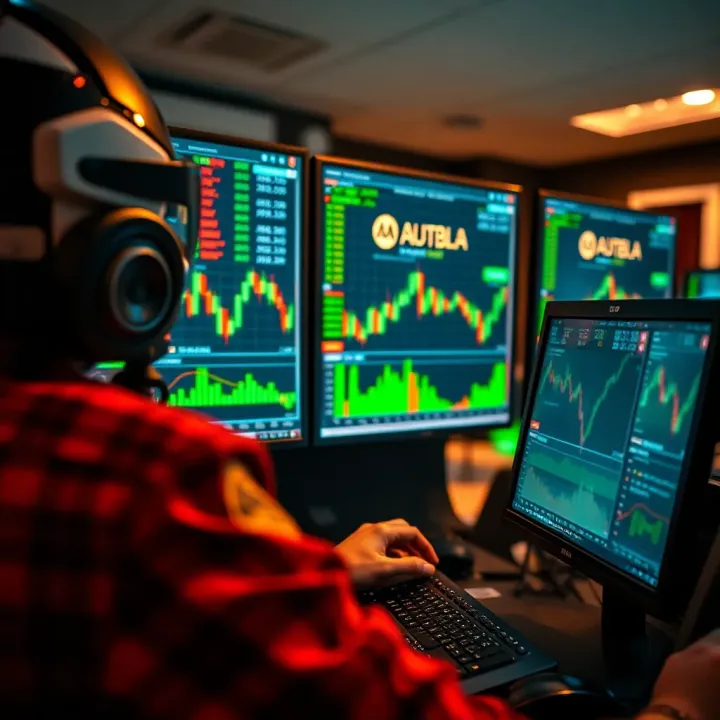
Explore how robot trading automates forex decisions 🤖, their pros and cons, key features, strategies, and tips for smarter trading in South Africa’s forex market.
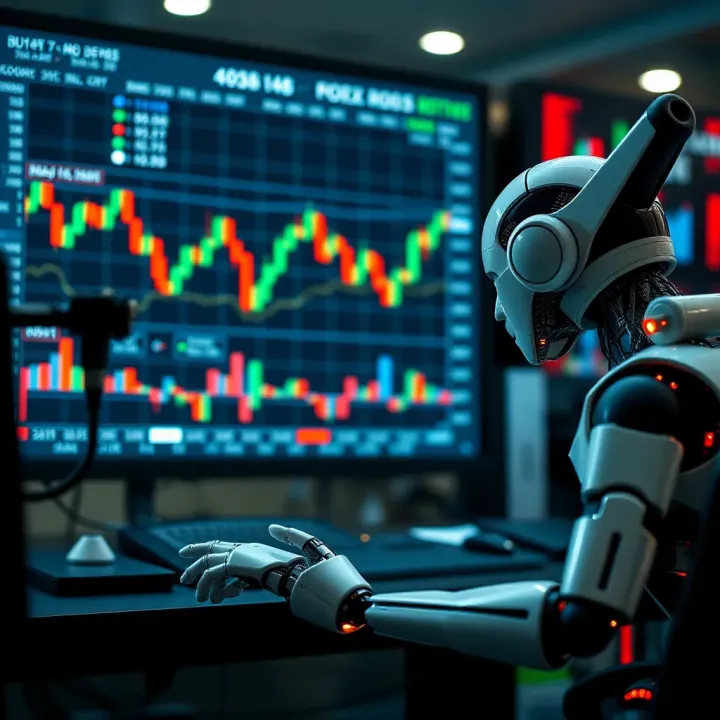
🤖 Explore how forex trading robots operate, their pros and cons, plus key tips South African traders need to trade smarter while managing risks in volatile markets.
📈 Discover how forex indices influence currency trading, their calculation, and trading tips tailored for South African traders facing global and local market shifts.
Based on 11 reviews