
Understanding Forex Market Dynamics
Explore the forex complex 🌍: how currency pairs connect, major & minor roles, plus economic and geopolitical impacts. Tips on smart trading & risk control!
Edited By
Ethan Mitchell
Forex trading never sleeps. Thanks to financial hubs spread across the globe, the forex market runs 24 hours a day, opening and closing at different times depending on where you are. These open hours are called trading sessions, each tied to major centres like London, New York, Tokyo, and Sydney.
Understanding these sessions is more than just a timetable matter. Each session brings distinct market behaviour influenced by factors such as local business hours, economic announcements, and liquidity. For example, the London session often sees higher volatility because it overlaps with both Asian and US market hours. Conversely, the Asian session tends to be quieter, but significant events in Japan or China can cause sharp movements.

For South African traders, this knowledge is vital. Since we're in the South Africa Standard Time (SAST) zone, aligning your trading schedule with these global sessions means knowing when the market is most active or quieter. This helps optimise your strategy, whether you’re aiming for quick scalps during busy overlaps or steadier trades in calmer periods.
It's important also to consider liquidity—the ease of buying and selling currencies without causing big price swings. For instance, during overlapping sessions like London and New York, liquidity peaks, resulting in narrower spreads and better trade execution. On the flip side, outside these overlap times, spreads can widen, which might increase trading costs.
Traders in Gauteng or Cape Town should pay close attention to session overlaps; the increased volume here offers more opportunities but also comes with higher risks if not managed carefully.
The next sections will break down each major trading session, highlight their unique traits, and offer practical tips to help you navigate them effectively. That way, your forex moves will be more in tune with global rhythms, not just guesswork.
Understanding the different forex trading sessions helps traders anticipate market behaviour and time their trades effectively. Each session corresponds to the local business hours of major financial centres worldwide, which influences liquidity, volatility, and trading opportunities. For example, knowing when the European session starts allows you to plan ahead for increased activity in EUR currency pairs.
The forex market operates 24 hours a day due to the staggered opening hours of financial centres across different time zones. While banks and brokers may technically open at set local times, forex trading effectively shifts from one centre to another, maintaining continuous market action worldwide. For instance, when trading closes in New York late afternoon, Asian markets like Tokyo start their day, keeping the market alive.
This continuous cycle offers South African traders chances to find active trading windows corresponding to their time zone (South African Standard Time, SAST). It also means currency prices respond to global economic events practically non-stop, requiring monitoring that suits individual trading styles and time availability.
Three major hubs shape these sessions: Tokyo for Asia, London for Europe, and New York for North America. Tokyo opens around 2 am SAST, London at 9 am SAST, and New York at 2 pm SAST. Each centre brings different currencies and traders into focus. For example, the Tokyo session tends to see activity in JPY pairs, while London dominates EUR, GBP, and ZAR activity due to its proximity and economic links.
Recognising which session is live helps traders target currency pairs with higher liquidity and avoid periods of low activity. For South African traders, aligning with London or New York sessions typically offers the best volume and spreads, helping reduce costs and slippage.
Liquidity—the ease of buying or selling without moving the price—fluctuates across sessions. During overlap periods, such as the London-New York overlap between 2 pm and 5 pm SAST, liquidity peaks as two major markets operate simultaneously. This results in tighter spreads and more trading opportunities.
Conversely, during Asian hours (roughly 2 am to 10 am SAST), liquidity drops for some ZAR pairs, often causing wider spreads and less predictable volatility. Traders unfamiliar with these shifts may face unexpected price gaps or slower trade executions.
Each session influences certain currency pairs based on economic data releases, market sentiment, and regional demand. For example, EUR/USD tends to be volatile during the London and New York sessions due to large institutional activity, while USD/JPY moves more during the Tokyo session.
For South African traders, pairs like ZAR/USD, EUR/ZAR, and GBP/ZAR see the most movement during London hours when South African markets partially overlap. This means if you try trading these pairs outside of those times, you might find thinner markets and less price action, making it harder to profit.
Being aware of the active sessions and their traits lets you plan trades during optimal windows and manage risk better, a move that could enhance your trading results significantly.
Understanding forex trading sessions is not just about clock-watching—it shapes your entire trading approach. Knowing when and why the market moves can help you pick your moments with care, avoiding periods where trades might stall or costs escalate.
The forex market operates continuously because it spans several major trading sessions across different time zones. Understanding each session's unique characteristics can help traders and investors time their activities better, capturing liquidity and volatility patterns when opportunities are ripe. This knowledge is especially vital for those managing exposure to currency movements from South African Standard Time (SAST).
The Asian trading session is anchored by Tokyo, which serves as a vital financial hub in the region. This session kicks off the forex trading day, typically active between 12 am and 9 am SAST. Tokyo sets the tone for Asian-Pacific markets, where important economic data from Japan and other regional economies impact currency values. For traders, following developments in Tokyo can give early clues about market sentiment before European and American sessions begin.
Trading volume during the Asian session tends to be lower compared to the European and North American sessions but remains critical for currencies like the Japanese yen (JPY), Australian dollar (AUD), and New Zealand dollar (NZD). Asian currency pairs often see more stable movements, although sudden spikes can occur around key announcements like Bank of Japan policy statements. For instance, when the Reserve Bank of Australia issues interest rate decisions, the session liquidity can briefly surge.
Though the Asian session overlaps minimally with the South African day, traders here can prepare for upcoming market moves or review overnight activity. For South African investors with exposure to emerging market currencies in the Asia-Pacific, like the Chinese yuan (CNY) or Singapore dollar (SGD), the session offers strategic trading windows. Also, it allows for early reactions to events before the London session takes over.
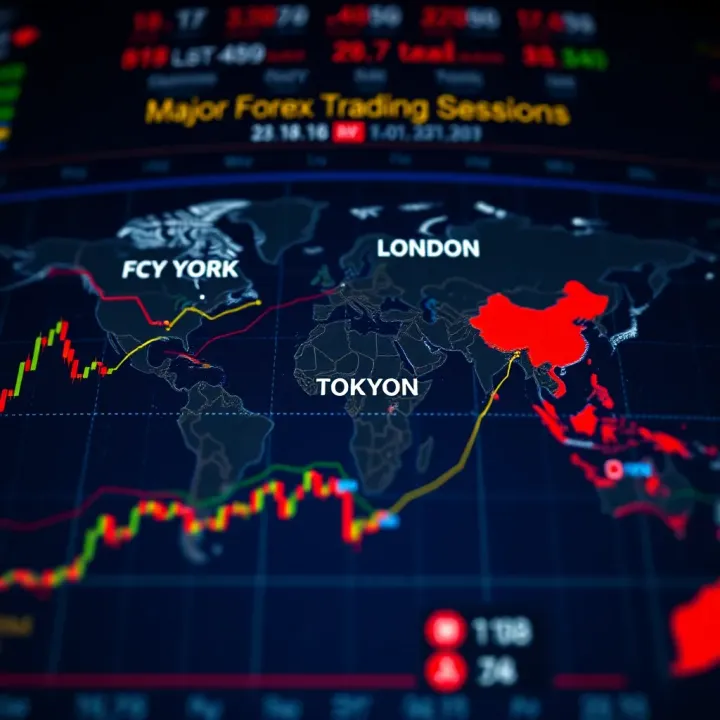
The European session, starting from about 9 am SAST until 6 pm SAST, is known for its high liquidity and broad market participation, largely because London is the global forex centre. Around 30% of daily forex volume happens in London. Its influence extends across currency pairs, especially the euro (EUR), British pound (GBP), and Swiss franc (CHF). London market participants provide major price discovery and trend-setting.
Volatility peaks during the European session as financial institutions, hedge funds, and retail traders execute large orders. Mid-session tends to be more volatile, influenced by European economic releases such as German industrial production or ECB announcements. For example, traders often see quick gyrations in EUR/USD following European Central Bank (ECB) speeches or European political updates.
The overlap of the European session with South African trading hours means local traders can participate when liquidity is high. This overlap also offers better spreads and execution quality. For South African traders, this timing is convenient for active management and reacting swiftly to news, reducing overnight risks.
Opening around 2 pm SAST and closing near 11 pm, the North American session mainly centres on New York's financial markets. It is the last major session of the forex trading day and often experiences the highest liquidity, especially as it overlaps with London market hours in the afternoon. Important for the US dollar (USD), it sets direction for pairs influenced by American economic data.
The North American session is well known for heavy volume spikes during US economic releases, such as non-farm payroll data or Federal Reserve interest rate decisions. These events create rapid price movements, presenting both risks and rewards. Traders need to position carefully and monitor news feeds closely during these times to avoid being caught off guard.
Trading in the North American session from South Africa requires adjusting working hours or relying on automation because the session extends into the late evening. Some South African traders choose to close out positions before the session’s most volatile moments to avoid sleep disruption or unintentional losses. Alternatively, automation tools can help manage trades during these hours, allowing for participation without constant monitoring.
Understanding these three major trading sessions helps South African forex traders plan their activities around liquidity and volatility peaks, aligning with key financial centres’ active hours for better market engagement.
Asian session suits traders focusing on JPY, AUD, and emerging market currencies with relatively stable liquidity.
European session offers high activity and volatility, especially around London, convenient for South African market hours.
North American session involves significant volume and news impact, demanding attention to timing and risk management.
With this knowledge, traders can optimise entry and exit points and tailor strategies to specific session dynamics.
Forex markets become livelier when two trading sessions overlap, creating unique dynamics traders should understand. These periods show heightened activity and volatility due to increased participation by global financial centres, which can influence market direction and trading opportunities.
The overlap between the European and North American sessions, typically occurring between 2 pm and 5 pm SAST, leads to noticeable spikes in both volatility and trading volume. London and New York financial centres handle vast amounts of trade, so when their hours coincide, liquidity surges, offering traders better price execution and tighter spreads. For example, EUR/USD and GBP/USD pairs often exhibit more pronounced price movements during this window as banks and hedge funds in both centres actively trade.
This environment suits day traders and scalpers who thrive on short-term price swings. The increased volatility means there are more instances to enter and exit trades quickly, capturing small profits repeatedly. However, it also requires solid risk controls, as unexpected news can cause rapid price shifts. A trader in South Africa might schedule active trading during this overlap to align with the busiest market times, maximising opportunities while managing risks prudently.
Though shorter, the overlap between the Asian and European sessions, roughly from 9 am to 11 am SAST, signals a transition phase where market sentiment can shift as Tokyo closes and London opens. This can bring about price consolidations or sudden moves as trading interest shifts focus to European currencies. Traders often see subdued activity fading, replaced by fresh volatility as European participants join.
Currency pairs involving emerging markets and Asia-Pacific economies, such as USD/ZAR or USD/SGD, can experience more pronounced movements during this overlap. The mixture of lower liquidity from Asia and the fresh influx of European orders means prices can be less predictable but also present opportunities for those tracking economic news or geopolitical events affecting these regions. For South African traders, recognising this overlap helps time trades on pairs like USD/ZAR or EUR/ZAR, which may briefly respond to both Asian influences and European market starts.
Overlapping trading sessions act as natural hotspots for liquidity and volatility in the forex market, providing both risks and opportunities for those tuned into their timing.
In essence, understanding these overlaps allows traders to schedule activities purposefully, balancing the potential for greater profits against sharper price moves. Keeping an eye on session overlaps can improve decision-making and help manage exposure realistically within the global 24-hour forex cycle.
Understanding how forex trading sessions align with South African Standard Time (SAST) can make a big difference for local traders. Being aware of when major sessions open and close helps you spot the best moments to enter or exit trades. South Africa is usually two hours ahead of London during winter and one hour ahead in summer (due to daylight saving in Europe). That means the European session largely falls during your early to late morning hours, while the North American session starts around late afternoon into evening for most traders here.
For example, if you're targeting GBP/ZAR or EUR/ZAR pairs, mornings from 9 am to 11 am SAST often see more activity because London and South Africa's overlap creates more liquidity. This timing is ideal for those who prefer more movement and tighter spreads, which can lower trading costs.
When scheduling trades, it's wise to focus on the active periods within these sessions. The early part of the London session and the overlap with New York sessions typically experience the greatest volatility and volume. This offers better opportunities for capturing price swings, but also requires sharper risk management.
However, not everyone can trade during these hours due to day jobs or other commitments. For those in this situation, automated tools or setting alerts to catch price moves just before or after these peak times helps you stay in the game without constant monitoring. For instance, placing pending orders right before the New York session starts (around 3 pm SAST) can tap into market shifts expected in that timeframe.
Understanding the time differences is crucial for effective trading. Since SAST does not observe daylight saving, it means you'll need to adjust your trading schedule when European markets switch between winter and summer times, changing their offset to SAST by an hour.
This matters when tracking opening hours of major forex hubs. London’s session typically runs from 9 am to 5 pm GMT, translating roughly to 11 am–7 pm or 10 am–6 pm SAST depending on the season. Recognising these shifts allows you to plan trades around when market liquidity peaks.
Focusing your trades around the most active market hours improves the chance of better fills and avoids the quiet, choppy periods with wider spreads and limited price movement. For South African traders, this usually means targeting trades during the European session and into the early North American session.
You might, for example, plan to open positions just before the London open and close them by mid-afternoon SAST when New York liquidity winds down. This method helps skirt the slow, unpredictable periods while aligning with the strongest market flows.
Forex volatility can jump unexpectedly, especially when sessions overlap or during economic announcements. South African traders need to be ready to handle sudden price swings that can wipe out gains if risk controls aren’t tight.
Using smaller position sizes or avoiding risky pairs during known high-volatility times, like the London-New York overlap, can protect your capital. One practical tip is to monitor historical volatility patterns of your chosen currency pairs to better predict when big moves might occur.
It’s tempting to place tight stop-losses to limit risk, but during volatile sessions, these can get triggered prematurely. Adjusting stop-loss and take-profit levels to reflect each session’s volatility is more effective.
For instance, during the Asian session when liquidity is lower, you might set wider stops because the price tends to move less steadily. Conversely, tighter stops can work better during the European session for more predictable trends. Knowing these nuances helps you preserve funds and lock-in profits efficiently.
News events often drive sudden market movements. Keeping an eye on economic calendars for key releases such as South Africa’s SARB interest rate decisions, US Non-Farm Payrolls, or Eurozone GDP figures is essential for timing trades.
These releases usually coincide with spikes in volatility, especially for currency pairs linked to the regions involved. For example, if you trade USD/ZAR, knowing when the Federal Reserve announces policy decisions allows you to prepare for potentially sharp moves.
Rather than trading blindly through news spikes, plan your trades by analysing possible outcomes beforehand. You might prefer to close existing positions or set wider stops just before these events to avoid getting stopped out unjustly.
Alternatively, some traders deliberately trade the news but only with strict money management to limit exposure. In either case, aligning your activity around scheduled economic data helps avoid unpleasant surprises and increases your chances of making informed, profitable trades.
Timing your trades well and managing risk carefully according to session activity and news events will give you an edge in the dynamic forex market. Don't just trade continuously; trade smartly based on these practical insights tailored for South African traders.
In today’s forex market, technological tools play a vital role in helping traders keep up with the constantly shifting trading sessions. These tools give real-time information, alerts, and automations that improve decision-making and risk management. For South African traders dealing with different time zones and volatile swings depending on the session, having the right software and platforms can make all the difference.
When looking for trading software, session timers and alerts are essential features to consider. A good session timer clearly marks the opening and closing of major forex sessions—Tokyo, London, New York—adjusted to your local South African Standard Time (SAST). This helps traders avoid missing crucial windows of liquidity or volatility. Alerts are equally important; they notify you when a session starts or ends or if there’s an unusual spike in market activity. This allows you to stay on top of the market without staring at screens all day.
Many popular platforms used in South Africa, like MetaTrader 4 and 5, TradingView, and ThinkMarkets, offer session overlays and customizable alerts built-in or through simple plugins. MetaTrader’s widespread popularity comes partly from its robust community creating tools that highlight session hours and send push notifications. TradingView, on the other hand, provides a very user-friendly interface and alerts based on price or technical events aligned with session timings. These platforms fit well with busy South African traders who need reliable tools to manage their trading schedules around work or other activities.
Automated trading bots and algorithmic systems are increasingly common among forex traders seeking to trade efficiently across global time zones. Bots can set pre-defined rules to enter or exit trades based on market behaviour during specific sessions without requiring constant human input. For instance, a trader focusing on the London session’s high liquidity can program a bot to execute specific strategies during those hours, even while they’re asleep.
The benefits here are clear: automation handles trades 24/7, reduces emotional decision-making, and captures opportunities at odd hours—ideal for South African traders navigating the time differences between local hours and global markets. However, it's crucial to remember that bots aren’t foolproof. Market conditions can shift too quickly for rigid algorithms, and unexpected news can trigger sharp moves that bots aren’t prepared for.
Limitations also include technical issues such as connectivity drops or server failures, which might lead to missed trades or losses. Not all strategies translate well into algorithms, especially those relying on discretionary judgment or contextual analysis. Traders should carefully backtest bots and monitor their performance during different sessions. Regular updates and adaptations are necessary to keep algorithms aligned with changing market dynamics.
Reliable technological tools, combined with sound trading knowledge, equip South African forex traders to navigate session shifts effectively, improving the chances of consistent trading success.
In summary, leveraging platforms that offer session timers and alerts alongside cautious use of automation can provide a significant edge. With the right software, you stay informed and act swiftly, no matter which session is live or where you are in South Africa.
Explore the forex complex 🌍: how currency pairs connect, major & minor roles, plus economic and geopolitical impacts. Tips on smart trading & risk control!

📈 Discover how forex indices influence currency trading, their calculation, and trading tips tailored for South African traders facing global and local market shifts.

Discover Steve Mauro's unique trading methods and tools 🔍, his impact on South African markets 🇿🇦, and the practical debates around his strategies 📈.
🔄 Learn how swap works in forex trading, its impact on your trades, calculation tips, and how to manage swap rates effectively in South Africa’s market.
Based on 12 reviews