
Guide to Starting a Trading Series
📈 Thinking of starting a trading series? Explore market types, key concepts, and tips to create content that truly connects with your audience.
Edited By
Charlotte Fisher
The exchange rate between the US dollar (USD) and South African rand (ZAR) is a dynamic figure influenced by various economic and political factors. For traders, investors, brokers, and financiers operating in or with South Africa, understanding these movements is essential for making informed decisions.
The USDZAR rate shows how many rands one dollar can buy. Around mid-2024, this rate has fluctuated between roughly R17 and R19, reflecting both global shifts and local developments. For example, changes in the US Federal Reserve’s interest rates often impact the dollar's strength, while South Africa’s inflation levels, political stability, and commodity prices (like platinum and gold) play a big role on the rand’s side.
Currency volatility means costs and returns can vary quickly. Staying updated on these shifts helps mitigate risks.
Global factors: US monetary policy, dollar demand, global trade tensions
Local factors: South African Reserve Bank (SARB) interest decisions, inflation, political events, mining output
Market sentiment: Investors' perception of South Africa’s economic prospects and external shocks
Consumers: Importer prices rise and fall with exchange swings, affecting the cost of electronics, cars, and even groceries sourced internationally.
Businesses: Exporters benefit when the rand weakens, making South African goods cheaper abroad; importers may face increased costs.
Investors: Currency moves influence returns on foreign investments and portfolios containing rand-denominated assets.
Monitor SARB statements and US Federal Reserve rate changes closely.
Use forward contracts or options to hedge against adverse currency swings if you handle large amounts.
Compare rates from multiple authorised dealers before converting currency — banks, bureaux de change, and fintech platforms differ.
Consider timing conversions around major economic announcements or events.
In South Africa’s context, being alert to these movements and their drivers can make a tangible difference when exchanging dollars to rands, whether for investment, trading, or everyday transactions.
Keeping an eye on current trends in the dollar to rand exchange rate is essential for traders, investors, and businesses alike. These trends provide a snapshot of the rand’s momentum against the dollar, offering clues for decision-making around currency conversion, hedging, or timing investments. For instance, a weakening rand could push importers to act quickly to avoid higher costs, while exporters might benefit from favourable rates.
Overview of recent changes: Over the past few months, the dollar to rand rate has shown considerable volatility. Fluctuations of several rand per dollar are not uncommon, reflecting shifts in global and domestic market sentiment. South African importers, for example, had to deal with an exchange rate hovering around R18 to the dollar early in the year, which moved closer to R15 mid-year before slipping back again. Understanding these short-term swings helps maintain agility in managing currency exposure.
Influence of global economic events: Global happenings like US interest rate adjustments or geopolitical tensions heavily impact the dollar rand pairing. When the US Federal Reserve raises rates, the dollar tends to strengthen, putting pressure on the rand. Similarly, shifts in commodity prices— South Africa being a key mineral exporter— can sway the rand’s strength. The recent uncertainty around trade tariffs and the war in Ukraine, for example, saw spikes in demand for the dollar, causing the rand to weaken.
Long-term trends over the past decade: In the last ten years, the rand has generally trended weaker against the dollar. This gradual depreciation stems from local economic challenges, policy uncertainty, and periodic currency crises. However, the rand’s valuation has also seen bouts of recovery, often following positive political developments or improved trade balances, showing the cyclical nature of currency movements.
Key moments affecting the rand’s strength: Some specific episodes have left a mark on the rand's history. The 2008 global financial crisis triggered a sharp drop, with the rand hitting record lows. More recently, South Africa's 2015 credit rating downgrades and 2020’s Covid-19 outbreak caused sudden, steep declines. Each event reinforced how local governance, investor confidence, and external shocks can intensify movements in the exchange rate.
Understanding both recent shifts and past milestones gives you a frame to anticipate how future developments might influence the rand, enabling smarter financial choices.
Current trends highlight short-term volatility critical for currency management.
Global economic events like Fed policies and commodity price swings drive major rate movements.
The rand's decade-long pattern shows gradual weakening, punctuated by crises and recoveries.
Historical shocks offer lessons on the rand’s sensitivity to political and economic shifts.
By tracking these patterns and factors, South African traders and investors can better navigate the uncertainties of currency exchange while seizing timely opportunities.
Understanding what drives the fluctuations between the US dollar and the South African rand is essential for traders, investors, and anyone dealing with currency exchange. The rate is influenced by a blend of domestic conditions, international developments, as well as market psychology. Knowing these factors helps in anticipating movements and making informed decisions.
South Africa’s economic indicators have a direct impact on the rand's strength. Elements such as gross domestic product (GDP) growth, unemployment rates, and trade balances provide clues about the country's overall economic health. For instance, if GDP growth slows or unemployment spikes sharply, it tends to dampen investor confidence, putting downward pressure on the rand. The trade balance, particularly the export-import gap, also influences demand for the currency—when exports falter, fewer dollars flow in, often weakening the rand.
Inflation and interest rates play pivotal roles too. Rising inflation in South Africa erodes the purchasing power of the rand, making it less attractive compared to the dollar. Meanwhile, the South African Reserve Bank's decisions on interest rates affect currency flows. Higher interest rates generally attract foreign investment seeking better yields, which supports the rand. But if rates rise too quickly, it can stifle growth, creating a delicate balancing act that reflects in exchange rate volatility.
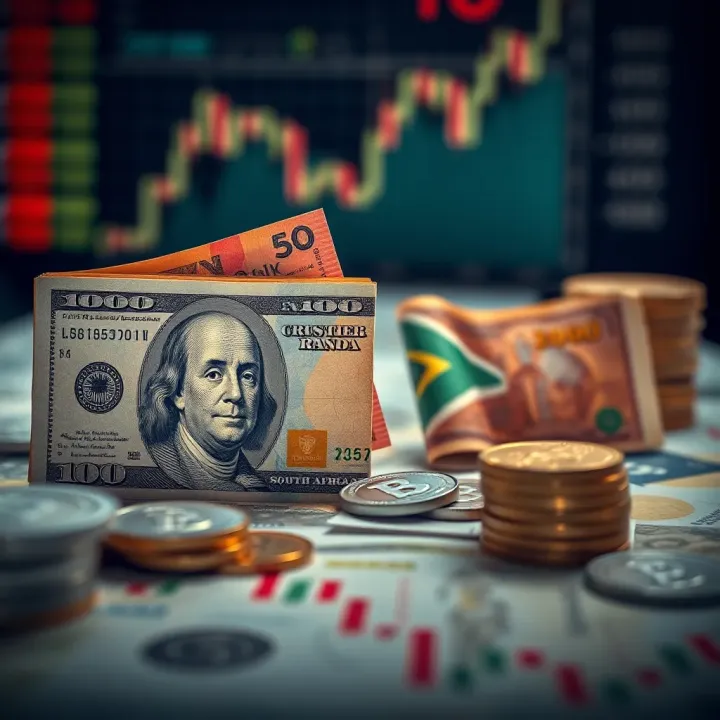
Policies from the US Federal Reserve (the Fed) hold significant sway over the dollar-rand rate. When the Fed tightens monetary policy by raising interest rates, the dollar usually strengthens because it offers higher returns on investments denominated in dollars. This often leads to capital outflows from emerging markets like South Africa, putting pressure on the rand. For example, a Fed rate hike in early 2023 triggered a notable rand depreciation as investors pulled back.
Global trade dynamics and commodity prices are equally important. South Africa is a major exporter of minerals like platinum and gold, so swings in commodity prices affect export revenues and thus the rand’s value. For example, a sharp drop in platinum prices can reduce dollar inflows, weakening the rand. Additionally, tensions in global trade or tariffs can disrupt supply chains, influencing demand for currencies depending on trade exposure.
Investor confidence often serves as a barometer for the rand's direction. If global investors see South Africa's economy as stable and growing, they are more likely to buy rands, strengthening the currency. Conversely, perceptions of political instability or policy uncertainty can trigger sell-offs. Remember when rating agencies downgraded South Africa’s credit rating? That pushed the rand down as risk-averse investors looked elsewhere.
Geopolitical events have immediate, sometimes dramatic effects too. Situations like regional conflicts, unexpected elections, or international sanctions can prompt sharp rand moves. Back in 2021, uncertainty around domestic elections coincided with global factors to create spikes in rand volatility.
Keeping a close eye on these influences helps in anticipating rand movements and managing currency exposure effectively.
In summary, the dollar-rand exchange rate is shaped by a mix of South Africa’s economic health, international monetary policies, commodity prices, and the mood of global markets. For anyone dealing with currency transactions, understanding these layers makes a real difference.
Converting US dollars to South African rand isn't just about swapping one currency for another. For traders, investors, and brokers dealing with international cash flows, efficiency in this process directly affects profitability and operational smoothness. Getting the most rands out of your dollars means knowing where and when to convert, understanding fees involved, and picking safe, reliable channels.
Banks and authorised forex bureaus remain the traditional go-to spots for currency exchange, but their rates and fees can differ widely. For example, a bank might offer a marginally better exchange rate but slap on a higher transaction fee, while a forex bureau in Sandton might offer a more competitive rate with a minimal flat fee. The differences may look small, but when exchanging tens of thousands of rands, even a 0.5% variation can add up to a substantial amount.
Most banks publish their rates daily, but the effective rate you get often includes commission or service charges. Before converting, it’s wise to check both the buy and sell rates, plus any added fees, to decide which option truly offers the best value for your needs.
Safety in handling foreign currency is critical, particularly when exchanging larger sums. Banks provide a regulated environment and clear transaction records, contributing to peace of mind. Similarly, licensed forex bureaus register with the Financial Sector Conduct Authority (FSCA), and reputable ones use security measures to prevent fraud and theft.
Convenience also matters. Banks may require appointments and have slower turnaround times, while local forex bureaus often operate extended hours and might handle your exchange on the spot. Depending on your urgency, choosing between the secure but potentially slower bank option and the quicker forex bureau can influence your decision.
Online platforms like ValutaPlus, Reckon, and even banking apps such as FNB or Standard Bank’s digital services make exchanging currency from the comfort of your stoep a real possibility. These platforms let you lock in rates, monitor fluctuations with alerts, and execute transfers without stepping into a branch or bureau.
Digital platforms also allow integration with payment systems, letting users send funds abroad or convert dollars to rand seamlessly. This convenience is particularly useful for investors with frequent currency needs or businesses paying overseas suppliers.
The upside of online exchange is usually better rates and reduced overhead costs, which can translate to lower fees. Transactions often happen quickly, sometimes instantly for smaller amounts, making them ideal for time-sensitive deals.
On the downside, large transactions can attract higher fees or require additional verification steps, slowing down the process. Occasionally, internet outages or app glitches disrupt transactions, which is a consideration for heavy users. Also, some platforms might impose a minimum or maximum exchange limit, affecting those dealing with large sums regularly.
The rand can be volatile, especially during global economic shifts or local political events. Traders aware of this often watch the market closely using tools from Bloomberg or local platforms like MyBroadband to time purchases. For instance, converting dollars when the rand strengthens from R18 to R15 per dollar provides a noticeable saving.
However, predicting exact movements is no easy task — even seasoned analysts sometimes miss the mark. Watching trends over weeks rather than hours typically yields better timing.
To reduce unpredictability, some businesses and investors use hedging methods like forward contracts, fixing an exchange rate today for a transaction months ahead. This approach protects against unfavourable swings but requires understanding contract terms, deposit requirements, and potential penalties.
Alternatively, spreading conversions over time (dollar-cost averaging) lessens risk instead of lump-sum conversions, balancing the cost across fluctuating rates. For smaller businesses, even setting alerts for favourable rates and swapping when the rand gains ground can improve outcomes.
Efficiently converting dollars to rand hinges on balancing cost, timing, and the safety of your transactions. Knowing your options and staying informed can make a real impact on returns and cash flow management.
Fluctuations in the dollar to rand exchange rate affect South Africans in multiple ways, shaping travel plans, business costs, and household budgets alike. Knowing how these shifts ripple through the economy, and ultimately to individuals, helps traders, investors, and consumers make smarter decisions.
Planning holidays abroad gets trickier when the rand’s value shifts against the dollar. If the rand weakens, South Africans need more rands to buy the same amount of foreign currency, which pushes up the cost of flights, accommodation, and activities priced in dollars. For instance, a holiday to the US that cost R15,000 last year could creep up to R17,000 or more if the rand slips. Conversely, a stronger rand stretches your travel budget further.
Managing travel budgets involves monitoring exchange rate trends carefully. Travellers often benefit from buying dollars well before their departure if rates show a weakening trend. Using forward-buying options through banks or travel agents can also lock in a rate and shield against volatility. But if rates look stable or are expected to improve, waiting could save some cash. Practical budgeting means factoring in this potential swing so unexpected expenses don’t spoil your trip.
Importers pay close attention to dollar-rand movements because most international products are priced in dollars. When the rand weakens, the cost of importing goods rises sharply, squeezing profit margins if prices stay unchanged. For example, an electronics retailer importing gadgets from the US might face a 10% hike in costs during a period of rand weakness.
These additional expenses often end up passed on to consumers. Retailers and businesses may raise prices on imported goods—from smartphones to food items—to maintain margins. This creates a knock-on effect, pushing up general prices in the local economy and reflecting directly in household costs.
Prices of imported goods in South African shops are sensitive to exchange rate fluctuations. A weaker rand usually means imported food, electronics, and clothing become noticeably more expensive. For instance, imported olive oil or bottled water, often priced in dollars, can cost several rand more per litre after a currency slump.
Exchange rate shifts also influence overall inflation and living costs. Because many raw materials and finished products come from abroad, depreciation of the rand contributes to rising prices across sectors. This pushes inflation higher, affecting everything from fuel prices to essentials like bread, stretching household budgets tighter.
South Africans closely watching the dollar-rand exchange will better time currency purchases, manage costs, and navigate budget pressures across travel, business, and daily life.
By understanding these impacts, you can make informed decisions whether you’re planning abroad, running import operations, or budgeting for everyday expenses.
When you’re converting dollars to rands, it pays to be cautious. The exchange process might seem simple, but many overlook crucial aspects that can cost time and money. Being aware of common pitfalls can help you get better value and avoid unpleasant surprises.
Exchange rates advertised online or at banks rarely tell the full story. Often, there are hidden fees tucked into the transaction, such as commission charges, service fees, or less favourable rates than the published mid-market price. For example, a forex bureau might show a decent rate, but add a 3% commission which chips away at your returns. Similarly, some banks include a margin on the rate that’s not obvious upfront. Always ask for the exact rate and fees before exchanging. Also, compare quotes from various sources—don't go with the first option you see. Apps and platforms that offer live comparisons can save you heaps.
The informal currency market in South Africa can be tempting due to apparently better rates, especially in some locations or townships. However, this comes with risks. Cash transactions in unofficial setups may expose you to counterfeit notes or outright scams. Even online platforms might be bogus, so double-check the legitimacy before trusting your money to any service. Look for authorised dealers registered with the South African Reserve Bank or the Financial Sector Conduct Authority. When handling cash exchanges, count notes carefully. If you send money abroad digitally, make sure the platform uses proper encryption and has clear customer support channels. Avoid deals that sound too good to be true; they usually are.
Sticking to official channels might not always offer the absolute best rate, but it does ensure safety and compliance with South African regulations. Banks, registered forex bureaus, and recognised online platforms are generally audited and transparent about their fees. They also provide transaction records, which can be handy for tax or accounting purposes. For businesses dealing with larger sums, working with official institutions protects you from compliance issues under SARB’s Exchange Control Regulations. On top of that, official channels often have better customer recourse if anything goes wrong. While convenience matters, especially if you’re travelling, keeping your currency exchange within these channels limits your exposure to unnecessary risks.
Always remember: Sometimes saving a few rands isn’t worth the headache or risk. Reliable service and transparent fees beat cheap but shady deals every time.
By keeping these tips in mind, South African traders, investors, and analysts can navigate currency exchanges smarter and safer, maximising value and minimising pitfalls.
📈 Thinking of starting a trading series? Explore market types, key concepts, and tips to create content that truly connects with your audience.
Discover how synthetic indexes work 📊, their benefits & risks, and their role in South African markets 🇿🇦. A clear, detailed guide for smart investors.

📘 Understand direv with this practical guide covering its definition, uses, and real-life examples to help South Africans apply it confidently in daily and specialised contexts.
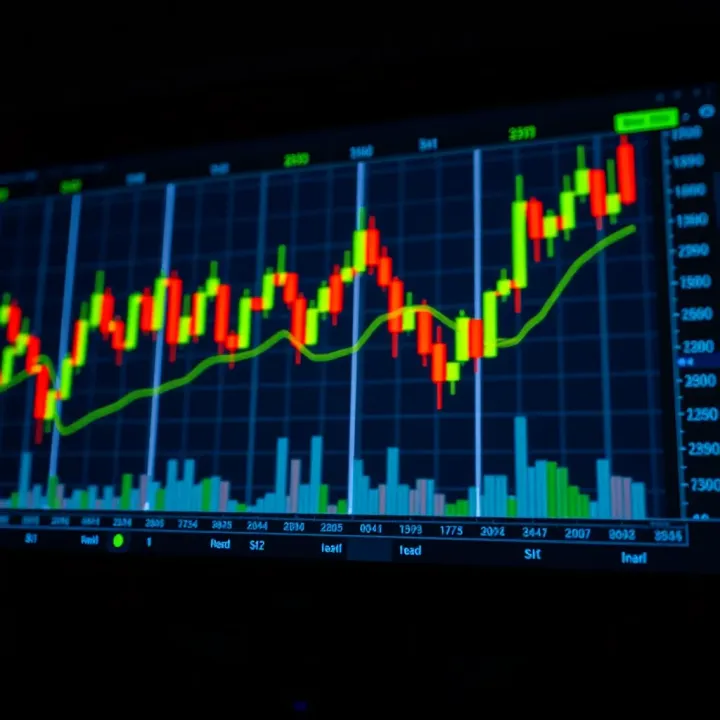
📈 Master forex chart patterns to spot market trends confidently! Get practical tips plus free PDFs tailored for South African traders eager to improve their skills.
Based on 11 reviews