
Understanding Synthetic Indices for Traders
🔍 Explore how synthetic indices mimic real markets with computer-generated data. Understand their risks, benefits, and get practical trading tips for smarter decisions.
Edited By
Emily Foster
In trading, understanding your free margin is vital to keeping your positions afloat and spotting new opportunities. At its core, free margin represents the cash in your trading account that is free to open new trades or buffer potential losses. Unlike your total equity or balance, free margin fluctuates with your open positions and market movements.
Think of it like the spare change in your wallet after paying for essentials; it's what you have left to spend or cover unexpected costs. If you’re trading on platforms common in Mzansi—like through Forex brokers offering the rand or international markets—knowing your free margin helps prevent nasty surprises like margin calls, where the broker asks you to top up your account to keep trade positions alive.
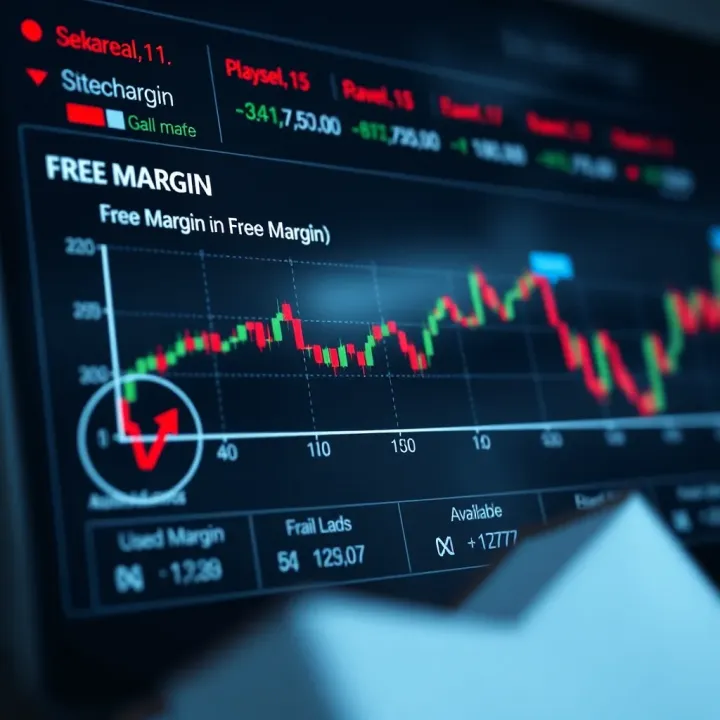
Free margin acts as your safety net against losses and is critical when dealing with leveraged trades.
Imagine you start with a R10,000 account and open trades using leverage. Leverage magnifies your exposure but requires an initial margin—this is a fraction of the total trade size set aside as collateral. Your free margin equals:
Account equity (your balance + floating profits/losses)
Minus the margin required for current open positions
For instance, if your equity is R9,500 due to some market dips and your open positions need R4,000 margin, your free margin stands at R5,500. This amount is what you can still use to open fresh trades or absorb any further losses.
Markets can become quite volatile, especially with rand fluctuations and global shocks impacting local trades. A solid free margin lets you maintain positions during swings and avoid automatic liquidation. It also provides flexibility:
Enables new opportunities without forcing you to deposit more funds immediately
Helps manage risks on leveraged products such as CFDs or Forex
But don't get carried away. Even with a healthy free margin, reckless trading can drain your funds fast, especially with instruments magnifying gains and losses alike.
Always monitor your free margin alongside your equity and margin level.
Treat free margin as your buffer — not extra disposable cash.
Use it wisely when planning trades in volatile environments.
In the following sections, we'll explore calculating free margin accurately, how it relates to margin calls, and smart practices tailored for South African traders keen on local and international markets.
Understanding free margin is vital for anyone involved in trading, especially when managing risk and planning new trades. Free margin refers to the amount of funds available in a trading account to open new positions or withstand potential losses on existing trades. It acts as a financial cushion and helps traders gauge how much they can safely commit without triggering a margin call.
Free margin is different from both used margin and equity. Used margin is the portion of your funds that’s locked in to maintain your current open positions. Equity, on the other hand, represents your total account balance plus or minus any unrealised profit or loss from active trades. Free margin is what’s left once you subtract used margin from your equity. Simply, it’s the 'free' money you can still use.
For example, if your account equity is R10,000 and you have an open position requiring R3,000 of margin, your free margin would be R7,000. That R7,000 is the money you can use to enter new positions or absorb any losses without impacting your current trades.
Free margin matters because it shapes how you manage your trading activity. Without enough free margin, you risk getting margin called, where the broker demands more collateral or forcibly closes positions to limit losses. Keeping an eye on free margin helps traders avoid these costly interruptions and makes it easier to seize new opportunities when they arise.
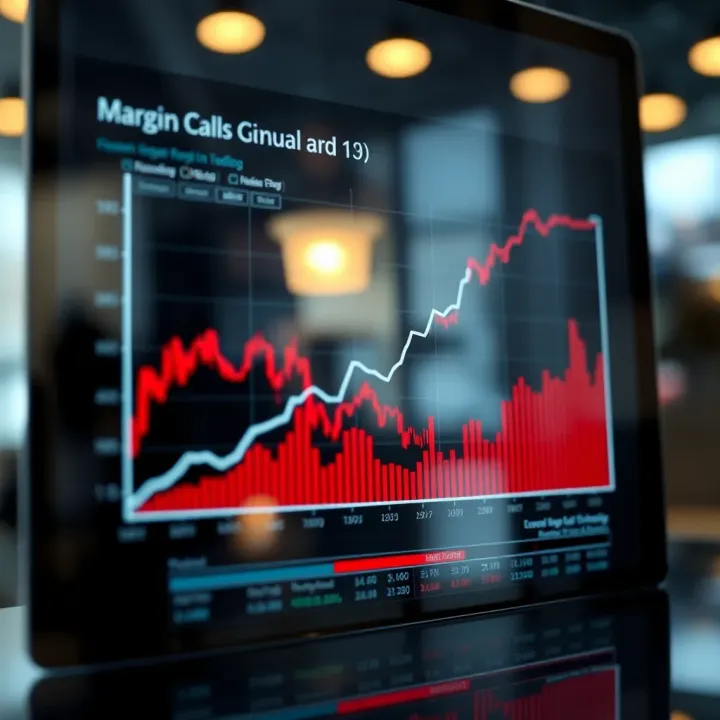
Consider a trader with R15,000 equity and open trades consuming R5,000 in used margin. Their free margin is R10,000. If they decide to open a new position requiring R12,000 margin, the broker won’t allow it because the free margin is insufficient. This real-life example emphasises why constantly tracking free margin is crucial.
Open positions also affect free margin as their unrealised profits or losses move. Losing trades reduce equity, which in turn shrink your free margin, potentially leading to margin calls if losses run deep. Conversely, winning trades increase equity and free margin, giving you more room for manoeuvre.
Monitoring free margin actively lets you respond to market shifts quickly and avoid nasty surprises. It’s your safety net for trading confidently without overexposing yourself.
In short, free margin is the available balance after accounting for used margin on open positions. It serves as the financial buffer and capacity for new trades, and keeping it healthy is a cornerstone of sound trading strategy.
Calculating free margin is essential for any trader who wants to keep a clear picture of their available funds when trading on margin. It helps you understand just how much money you actually have left to open new positions or withstand potential losses on existing trades. Without this knowledge, you risk overcommitting and triggering costly margin calls.
Account equity is basically the total value of your trading account at any given moment. It includes your initial deposit plus any profits from open positions, minus any losses. For example, if you started with R20,000 in your account and currently hold trades that are down by R2,000, your account equity is R18,000. This figure is crucial because it reflects the real-time financial standing of your trading wallet.
Margin requirements refer to the amount of money you need to put down to open or maintain a trading position. This depends on your broker’s rules and the leverage you choose. If a broker requires 5% margin on a R100,000 position, you have to provide R5,000 as collateral. Understanding these requirements ensures you know what portion of your equity is earmarked for current trades, leaving the rest as free margin.
The formula to calculate free margin is straightforward: Free Margin = Account Equity – Used Margin. Here, used margin is the total amount locked up in open trades. For instance, if your account equity stands at R18,000 and your margin used on open trades is R5,000, then your free margin is R13,000. That’s the cash you still have available for new trades or to absorb losses.
Leverage impacts how much margin you must set aside and, by extension, your free margin. With higher leverage, less margin is required per trade. For example, at 1:100 leverage, controlling R100,000 needs only R1,000 margin, leaving more free margin compared to 1:10 leverage which demands R10,000 margin for the same trade. But while higher leverage frees up more immediate funds, it increases risk, as losses can wipe out equity faster, shrinking free margin.
Keeping a tight grip on free margin calculations lets you avoid nasty surprises like margin calls and keeps your trading capacity flexible, especially in the unpredictable South African market where rand volatility and local economic events can shake things up fast.
Understanding these calculations allows you to manage your positions wisely and tailor your leverage choices to your risk appetite and market conditions.
Understanding how free margin interacts with leverage and margin calls is vital for any trader. Your free margin tells you how much cash remains available to open new positions or absorb losses without triggering extra collateral requirements. Leverage, on the other hand, magnifies both your potential gains and losses by letting you control larger trades with a smaller deposit. When market moves go against your positions, this relationship directly affects whether you face a margin call—a demand to top up your account or close positions.
Leverage in the South African market often ranges from 1:10 to 1:500, depending on the broker and asset traded. Using leverage means your actual cash (equity) covers just a fraction of the total exposure in the market. For example, with R10,000 in your account and 1:100 leverage, you could control trades worth R1 million. But that also means any movement against your position impacts your free margin far quicker.
Because the effective margin requirement is lower with high leverage, your free margin shrinks rapidly when open trades start moving into a loss. A small adverse price swing could wipe out your free margin and leave you exposed to a margin call. This is particularly relevant in volatile markets like rand-USD pairs, where swings can be sudden and steep.
High leverage pumps up the risks to your free margin, and while it offers the chance to increase profits, losses can mount very quickly. You might think of leverage like a double-edged sword — it can sharpen your profits or cut into your capital fast if you don’t watch your free margin carefully.
A margin call happens when your free margin falls below the broker’s minimum requirement, signalling you don’t have enough funds to keep your current trades open. For instance, if your broker requires a minimum free margin of R1,000 and your free margin dips to R800 due to losses, you will receive a margin call.
At this point, you must either deposit more money into your trading account or close some positions to reduce margin exposure. Ignoring margin calls often results in brokers closing trades automatically to prevent your balance going negative. This protection is helpful, but it can lock in losses unexpectedly.
Monitoring your free margin regularly helps you avoid surprise margin calls. Strategies include:
Keeping position sizes moderate to avoid using excessive leverage that empties your free margin.
Setting stop-loss orders to automatically close losing trades before they drain margin severely.
Staying alert to local economic events like SARB rate decisions or sudden rand volatility that can affect open positions.
By combining these tactics, you keep control over your free margin and avoid desperate margin top-ups or forced trade closures. In a nutshell, managing your free margin effectively means managing your risk — especially when leverage adds muscle to your trades.
Always remember, high leverage can be tempting but requires disciplined free margin management to trade safely.
Managing free margin well helps you stay in control of your trading account and avoid nasty surprises like margin calls. It’s about keeping enough funds free to open new positions or handle losses, especially when markets swing wildly. By actively monitoring and adjusting your free margin, you can protect your capital and seize opportunities without overexposing yourself.
Limiting position sizes is a straightforward but effective way to safeguard your free margin. If you open positions that are too large relative to your account size, you quickly eat into your free margin. For example, if you start with R50,000 and open a big trade requiring R30,000 margin, you leave little room for error. Smaller positions allow your free margin to breathe and reduce the risk of sudden margin calls if the market moves against you.
Using stop-loss orders is another key tool. These orders automatically close a trade at a specified price, limiting potential losses and thus preserving free margin. Traders who don’t use stop-losses often find their free margin drained when an adverse move catches them off guard. By setting sensible stop-loss levels — say, limiting potential loss to 1-2% of your total equity — you control risk and keep enough free margin available to trade another day.
Monitoring open trades actively lets you react before your free margin falls dangerously low. Markets can change abruptly due to news or local events like Eskom announcements affecting rand liquidity. Keeping an eye on your trades allows you to close or reduce positions proactively, freeing up margin. For instance, if one position starts bleeding losses, you can trim it or hedge to protect your balance instead of waiting for the margin call.
Considering rand volatility is essential when managing free margin locally. The rand can fluctuate sharply during periods of political uncertainty or changes in commodity prices, impacting your account if you’re trading forex pairs involving ZAR or South African equities. Adjusting your margin reserves to factor in these swings helps avoid unexpected margin calls. For example, during a volatile phase, tightening your position sizes or raising your minimum free margin buffer could prevent costly liquidations.
Impact of local economic events also plays a role. Announcements from SARS about tax changes or SARB’s repo rate decisions often trigger market reactions affecting margin requirements indirectly through price shifts. Similarly, load-shedding disruptions can lead to delayed trade executions or price gaps. By staying aware of such events, you can plan your trades and free margin reserve better, avoiding exposure when the market is jittery.
Broker regulations and margin requirements must be factored into your management strategy. Different brokers—local or international—set varying margin rules and leverage caps, influenced by FSCA guidelines or their own risk policies. Knowing these requirements helps you calculate free margin accurately and avoid breaching limits unexpectedly. For instance, a South African broker might have lower leverage options compared to offshore providers, necessitating a more conservative free margin approach.
Successful free margin management isn’t about eliminating risk but controlling it smartly in line with your trading plan and the realities of the South African market.
Effective management of free margin means making well-informed decisions on position sizes, risk controls, and market timing. This keeps your account resilient and positions you to profit even when conditions get tricky.
🔍 Explore how synthetic indices mimic real markets with computer-generated data. Understand their risks, benefits, and get practical trading tips for smarter decisions.

📘 Understand direv with this practical guide covering its definition, uses, and real-life examples to help South Africans apply it confidently in daily and specialised contexts.
Explore synthetic trading 🛠️ to create positions mimicking others. Learn strategies, risks, and examples across assets for savvy trading decisions 📊.
📈 Thinking of starting a trading series? Explore market types, key concepts, and tips to create content that truly connects with your audience.
Based on 15 reviews