

Best Time to Trade Forex for South Africans
📉 Know when to trade forex for better success! Explore top market sessions, volatility highs, and SA time zone tips to improve your trading strategy effectively. 🌍
Edited By
Thomas Mitchell
Urban trading in South Africa carries its own set of hurdles and opportunities. Traders face a maze of regulations, stiff competition, and a dynamic customer base that can change overnight. City markets aren’t just about selling goods; they’re about manoeuvring through shifting landscapes influenced by local policies, economic trends, and social factors.
Understanding these dynamics helps traders adapt and grow sustainably. For instance, a spaza shop in Soweto might rely heavily on community trust and quick cash sales, while a fashion retailer in Cape Town’s CBD needs to navigate municipal bylaws and online competition simultaneously.
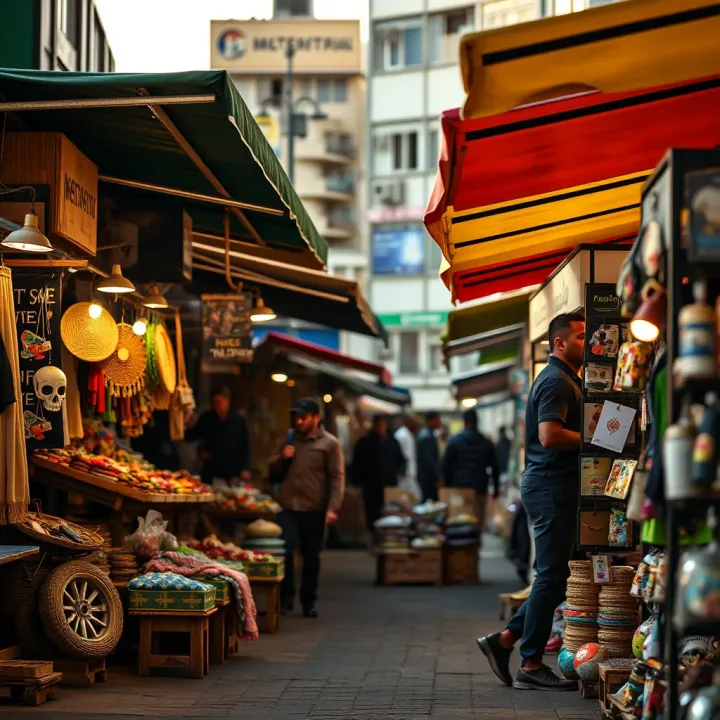
Successful urban traders don’t just react to changes; they anticipate them, using both local insight and technology to stay ahead.
Urban traders must respect a patchwork of local and national regulations. This includes business registration with the Companies and Intellectual Property Commission (CIPC), compliance with the South African Revenue Service (SARS) for tax, and adherence to municipal trading permits or informal trader licences.
Staying on the right side of rules avoids costly fines and business disruptions. Knowledge of bylaws around trading hours, permitted trading zones, and health and safety standards—especially in food trade—is essential.
Competition is fierce in city hubs. Traders have to differentiate themselves by:
Offering unique products or services tailored to local tastes
Maintaining strong community relationships
Providing value through quality, price, or convenience
An example: A fresh produce vendor near a transport robot might gather regular customers by opening early before formal supermarkets. This nimbleness often beats bigger competitors in city environments.
Mobile technology is a crucial ally. Many traders in cities now use WhatsApp Business to take orders and maintain customer relations, or mobile payment platforms like SnapScan and Zapper to reduce cash handling risks.
Additionally, listing goods on online marketplaces like Takealot or building a simple social media presence can broaden reach beyond the immediate neighbourhood.
Managing inventory with digital tools helps cut losses and predict demand spikes, essential for urban traders dealing with fluctuating foot traffic and load-shedding interruptions.
Effective urban trading in South Africa hinges on blending on-the-ground wisdom with smart regulatory compliance and well-chosen tech tools. It’s about reading the city’s pulse, outsmarting the competition, and growing steadily in an ever-changing market.
To truly understand city trading within South Africa's bustling urban centres, it’s essential to grasp the foundations that anchor this imperium. This involves recognising who city traders are, the environment they operate in, and how history shapes their opportunities and obstacles. Firm grounding in these aspects equips traders, investors, and analysts to make informed decisions that cater to the unique demands of urban markets.
City traders are entrepreneurs and operators who engage in commerce within urban areas, often blending formal and informal activities. They range from street vendors selling fresh produce at inner-city markets to small-scale wholesalers supplying township spaza shops. Their role is critical in providing accessibility to goods and services, especially in areas where large retailers are scarce or unaffordable. By facilitating daily trade flows, city traders support both local economies and the broader city ecosystem.
South African urban markets are vibrant yet diverse, characterised by a mix of high-density formal centres and sprawling informal trading zones. Cities like Johannesburg and Cape Town exhibit contrasts between affluent suburbs with organised retail and township locations with informal stalls and markets. This patchwork environment means traders often have to balance complex regulatory frameworks with flexible, adaptive business models suited to variable customer bases. Traders must understand local demand patterns, pricing sensitivities, and cultural preferences to succeed.
In city environments, certain sectors dominate based on consumer needs and accessibility. Food and beverages, including fresh produce and street foods, are a major staple due to their daily necessity. Clothing, cellphone accessories, and household goods also sell well, especially where formal retail presence is limited. Additionally, service-oriented trade like repairs and hairdressing thrives in informal venues. Understanding these sectors allows traders to position themselves strategically, whether by establishing niche offerings or competing on volume and price in saturated markets.
Historically, much of urban trading started informally, rooted in community spaces and entrepreneurial creativity. Over time, many traders have transitioned into more formalised operations, registering businesses and complying with tax regulations to access credit and larger markets. This evolution brings advantages like better growth potential and legal protection but also exposes traders to bureaucratic hurdles and compliance costs.
Apartheid-era policies heavily restricted African traders by confining them to peripheral areas, limiting their access to lucrative city centres. These constraints entrenched economic disparities and fragmented market access in urban landscapes. Post-1994 developments have begun to reverse some of these barriers, but the legacy still shapes trading networks and opportunities, particularly in township economies where informal trade remains essential.
Today, urban trade in South Africa adapts to broader changes such as increased internet use, evolving consumer tastes, and fluctuating economic conditions. Digital platforms are emerging as tools for marketing and sales even among small-scale traders. Meanwhile, rising urbanisation means demand grows, but so does competition and pressure on infrastructure. Traders who anticipate these shifts by integrating technology, diversifying products, or engaging in cooperative networks stand a better chance of thriving.
A clear understanding of these foundations helps urban traders navigate the realities of South African city markets, balancing history with innovation to craft resilient businesses.

Navigating the complex day-to-day realities of urban trade is tough, especially in South Africa’s diverse city environments. Traders face numerous operational hurdles that can make or break their businesses. From complying with regulations to managing infrastructure constraints and handling stiff competition, understanding these challenges can help traders plan better and adapt effectively.
City traders need the correct licences and registrations to operate legally. This usually means registering with the Companies and Intellectual Property Commission (CIPC) if formalising the business, as well as getting trading permits from the municipality. Without proper licences, traders risk fines or shutdowns. For example, a street vendor in Johannesburg must have a municipal hawker’s permit to sell in designated areas. The process can be slow and sometimes confusing but is essential to avoid disruptions.
Each city has its own by-laws affecting where and how traders can operate. These rules cover trading zones, hygiene standards, and business hours. In Cape Town, for instance, traders must adhere to strict waste disposal regulations to keep the city clean, or else face penalties. Understanding these local rules is crucial because violating by-laws can damage reputations and incur fines, leading to lost business.
Often, municipalities enforce trade restrictions to maintain order or protect formal retail spaces. This might mean limits on informal trading during certain times or zones, impacting when and where traders can operate. Some traders experience raids or confiscation of goods if caught trading in banned areas. While frustrating, recognising these enforcement patterns helps traders choose safer spots and schedules to reduce risks.
In many urban areas, poor road conditions, traffic congestion, and limited public transport impact the collection and delivery of goods. A trader relying on daily stock deliveries might find their supply delayed due to traffic robots malfunctioning or taxi strikes. This disrupts stock availability and customer satisfaction. Being aware of peak traffic times or using local suppliers can sometimes ease transport woes.
Loadshedding remains a daily headache. Traders reliant on refrigeration for perishables or electronic payment systems have to prepare for power cuts. Some invest in inverters, solar solutions, or backup generators. For example, a fresh vegetable trader in Durban who loses refrigeration can face significant product spoilage. Planning trading hours around loadshedding schedules and having manual payment options like SnapScan can sustain business despite power disruptions.
Storage space in city centres is often limited and costly. Many traders struggle with inadequate storage for bulk stock, forcing frequent trips to suppliers and higher transport costs. Supply chain disruptions—like delayed shipments or increased fuel prices—also hike operational costs. Traders using smaller kiosks or stalls must balance between stocking enough to meet demand and avoiding overstock that ties up cash or risks spoilage.
Urban markets teem with both informal traders and formal retailers. Informal traders often have lower overheads, allowing them to sell at lower prices, but formal stores offer the assurance of quality and consistency. Traders find themselves balancing these dynamics, sometimes competing for the same customers. For instance, a clothing trader in Soweto faces competition from both township spaza shops and bigger malls in Gauteng.
Price undercutting is common, which can erode profits. However, traders who build strong relationships with customers, perhaps by offering credit or personalised service, create loyalty that price alone cannot break. A fruit trader in a busy Durban market who knows regular customers by name and offers seasonal tips often retains business despite cheaper competitors nearby.
With many players in the same sectors, standing out is essential. Traders succeed by specialising in unique products, excellent customer service, or creating a strong brand presence locally. For example, a trader specialising in organic rooibos teas in a Johannesburg market can attract health-conscious customers distinct from regular tea sellers. Differentiation helps traders maintain steady sales amid market saturation.
Tackling these operational challenges head-on allows city traders to build resilience, adapt to the fast-changing urban trade environment, and sustain growth despite the obstacles Nigeria faces daily.
Building a thriving business in a busy city market calls for a clear plan and practical strategies. Traders need to focus on establishing a strong presence, embracing digital tools, and managing their finances wisely to stand the test of time and competition. These elements not only help a business grow but also strengthen its ability to adapt to changing market demands and challenges.
Selecting Strategic Trading Locations
Choosing a prime location makes all the difference. A spot near busy taxi ranks, robot intersections, or bustling shopping centres can boost foot traffic significantly. Think of a trader selling groceries near a high-traffic minibus taxi rank in Soweto: the visibility and steady stream of potential customers can lead to consistent daily sales. Some traders also find success in emerging urban zones where there’s less competition but growing demand.
Understanding Customer Needs and Preferences
Knowing what your customers want is key. For instance, traders in Durban might stock more spices and fresh produce catering to local tastes, while those in Cape Town could focus on fresh seafood or artisanal goods. Listening to feedback—whether directly or through observing buying patterns—helps tailor stock and services. This responsiveness builds customer loyalty and sets a trader apart in a competitive market.
Branding and Reputation Management
A solid reputation draws customers back again and again. This includes everything from clean, organised stalls to friendly service and reliable product quality. Some traders invest in simple branding elements like customised stall signage or branded packaging, which helps build recognition. Word of mouth remains critical in many South African urban communities, so delivering on promises is non-negotiable.
Using Mobile Payment Systems and Online Platforms
Mobile payments like SnapScan, Zapper, and even EFTs have become indispensable. With data costs still a concern for many, these systems offer a cost-effective way to accept payments beyond cash, reducing risks and improving convenience for customers. For example, traders who adopt mobile payments tend to attract younger clients who expect digital options.
Social Media Marketing for Traders
Social media platforms such as Facebook, Instagram, and WhatsApp are powerful tools for traders. Sharing daily specials or new stock photos helps keep customers informed and engaged. For instance, a clothing trader could post photos of new stock on Instagram, while a food vendor might use WhatsApp groups to update regulars on specials. It's a low-cost way to reach a targeted audience.
Data Management and Inventory Tracking
Keeping track of stock levels prevents overbuying or running out of popular items. Simple spreadsheets or mobile apps designed for small businesses can help traders monitor sales and reorder stock efficiently. A trader selling hardware in Pretoria could avoid costly delays by using inventory data to spot trends, especially ahead of the festive season or building booms.
Budgeting and Cash Flow Control
Strict budgeting and managing cash flow is fundamental. It means keeping a close eye on daily sales versus expenses to ensure the business stays afloat—even on slow days. Traders who carefully plan their purchases and monitor costs avoid overextending themselves. This discipline can mean the difference between weathering tough months and closing shop.
Accessing Funding and Small Business Support
Various government grants and programmes exist, such as those offered by the Small Enterprise Finance Agency (SEFA), to support city traders. Microfinance institutions also provide credit tailored to small businesses. Traders can tap into these resources to acquire better stock or upgrade equipment, but it requires a sound business plan and financial records.
Planning for Growth and Diversification
Once a trader has a steady income, planning how to grow becomes crucial. This might mean expanding the product range, opening additional outlets, or introducing delivery services via apps like Mr D or Uber Eats for food traders. Diversification spreads risk and captures new market segments, such as offering eco-friendly products as sustainability gains traction.
Building a successful city trading business involves sharp location choices, understanding customers, embracing digital tools, and disciplined financial management. These practical strategies turn street stalls into lasting enterprises.
Strong community ties and strategic partnerships play a key role in supporting city traders' growth and resilience. Urban trading environments in South Africa are complex, with many moving parts—from regulations, competition, to market fluctuations. Traders who build networks and collaborate tend to navigate these challenges more effectively, pooling resources and knowledge to strengthen their businesses.
Traders often gain a competitive edge by banding together for bulk purchases. Cooperative buying allows small traders to access better prices on stock, spread transport costs, and negotiate favourable terms with suppliers. For example, a group of informal traders in Johannesburg might pool funds to purchase stock of fresh produce directly from a farm outside the city, cutting out middlemen and reducing costs. This method improves profit margins and boosts stock availability.
Knowledge sharing among traders enhances business operations and problem-solving. Experienced traders mentoring newcomers on supplier selection, pricing, and customer engagement can elevate entire trading communities. Local trader associations frequently organise workshops covering topics like bookkeeping or product display techniques. Such skill-sharing helps elevate overall professionalism, enabling traders to adapt and thrive in a competitive urban market.
Trading zones are often busy, with tight relationships and occasional disputes. A supportive network among traders serves as an informal platform for conflict resolution and emotional backing. When disputes over space or customers arise, a shared community framework can help mediate, preventing disruptions. Moreover, peer support during challenging times—such as load shedding or economic slowdowns—helps traders stay motivated and exchange practical coping strategies.
Active participation in municipal consultations empowers traders to influence urban planning decisions affecting their operations. When traders engage with city officials over market locations, trading zone layouts, or infrastructure improvements, they help shape environments that better serve trading needs. For instance, input on sufficient water access or stall design can improve hygiene and customer comfort, enhancing trader viability.
Municipalities and business support agencies often run training sessions to help traders understand licensing, health and safety, and tax compliance. These programmes demystify complex regulations, preventing costly fines and business disruptions. For example, local government workshops in Cape Town assist traders with the necessary documentation to trade legally, improving formalisation rates and access to official opportunities.
Partnerships with government initiatives open doors to funding, mentorship, and market access schemes. Traders aware of schemes such as the Small Enterprise Finance Agency (SEFA) loans or SEDA entrepreneurial development programmes can secure capital or business advice crucial for growth. Collaborations with agencies also facilitate participation in trade fairs or supplier networks, widening market reach beyond immediate urban centres.
Urban traders embedded in strong communities and partnerships are better positioned to weather challenges and seize new opportunities. This social and institutional support network is as vital as capital or stock for sustainable success.
Urban trade is evolving as cities expand and consumer habits shift. For traders, investors, and analysts, watching these trends is essential to stay ahead. Understanding how urbanisation, sustainability, and social responsibility impact city trade informs smarter decision-making. This section breaks down the key trends shaping city trade’s future in South Africa, helping stakeholders spot new opportunities and prepare for upcoming challenges.
Population growth fuels demand for goods and services in urban areas. Cities like Johannesburg, Cape Town, and Durban continue to swell, pushing up the need for food, clothing, building materials, and everyday essentials. For instance, a trader specialising in fresh produce around Soweto or Khayelitsha might see growing demand as new housing developments attract families who need reliable suppliers nearby. This population pressure often widens markets but also requires keen attention to supply chains to meet rising needs.
Urban lifestyles are shifting consumer behaviour. More city dwellers prefer convenience and variety, favouring ready-to-eat meals, mobile payment options, and quick delivery. Traders tapping into this trend might partner with delivery platforms like Mr D or Uber Eats, or adopt EFT and SnapScan payment methods for smoother transactions. For example, a small retailer adding mobile payments is likely to attract younger, tech-savvy customers who rarely carry cash.
Emerging urban areas and secondary cities offer fresh markets for traders willing to explore. Places such as Polokwane, Nelspruit, or Richards Bay are growing fast, but still less saturated. Savvy traders can establish early footholds in these locations, adjusting product mix to local preferences and price levels. This can include stocking affordable household items or local specialties that cater specifically to the community's needs, providing a competitive edge before larger formal retailers arrive.
Eco-friendly practices are no longer optional but a rising expectation. Traders can implement simple measures like reducing plastic packaging, using reusable bags, or sourcing goods from local suppliers to lower transport emissions. For example, a butcher in a busy Johannesburg market who switches to compostable wrapping not only cuts waste but appeals to environmentally conscious customers.
Contributing to local economic development means more than just business growth. Traders who source from small suppliers, employ locals, or provide skills training help keep money circulating within communities. This approach strengthens the informal economy and builds customer loyalty. A retailer in Durban’s Warwick Junction who partners with township artisans or food producers exemplifies this, both growing their business and supporting economic inclusion.
Inclusive growth demands focused support for marginalised traders, often women or youth in townships and informal settlements. Providing them with access to training, finance, and market information boosts city trading diversity and resilience. Organisations offering mentorship or microloans help break barriers. This kind of support enables newcomers to compete fairly and sustain their businesses amid stiff competition.
Keeping an eye on these trends allows urban traders and investors in South Africa to adapt and thrive despite shifting demands, regulatory factors, and economic pressures. Understanding where cities are headed and how social responsibility fits in creates strong foundations for long-term success.
📉 Know when to trade forex for better success! Explore top market sessions, volatility highs, and SA time zone tips to improve your trading strategy effectively. 🌍

📈 Learn how Olymp Trade’s minimum deposit works for South African traders. Understand payment methods, trade strategy impacts, and tips for smart deposit management.

Discover the stories of South Africa’s richest traders 🤑, their unique strategies 📈, and how they've shaped both local and global markets 🌍.

📊 Learn how demo accounts offer South African traders a risk-free way to test skills, understand markets, and prepare for live trading—plus expert tips and pitfalls to avoid.
Based on 10 reviews