
Olymp Trade Minimum Deposit Guide for South African Traders
📈 Learn how Olymp Trade’s minimum deposit works for South African traders. Understand payment methods, trade strategy impacts, and tips for smart deposit management.
Edited By
Isabella Turner
Trading forex successfully often comes down to one thing: timing. If you’ve been watching the markets without much luck, it could be because you’re trading at the wrong time of day. Knowing when to trade can help you catch the market when it’s most active — and when opportunities are ripe.
South African traders face unique timing challenges because of our time zone, South Africa Standard Time (SAST), which sits two hours ahead of GMT (UTC+2). Unlike traders based in London or New York, South Africans need to understand how local time lines up with major global forex hubs to trade effectively.
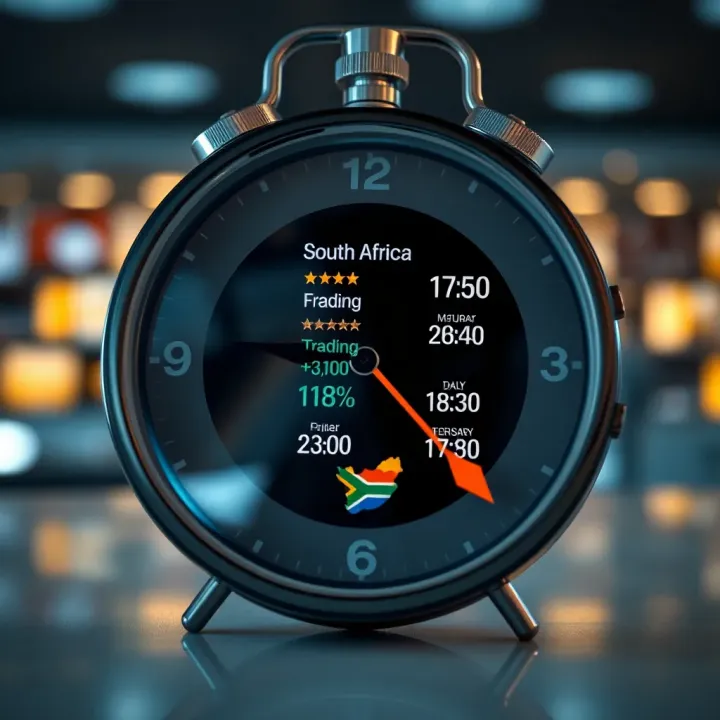
The forex market never really closes. It runs 24 hours a day during weekdays, because the world’s major financial centres open and close at staggered times. This creates different sessions, each with its own character, volatility, and liquidity. For South African traders, the challenge is spotting the best windows to trade.
Peak volatility offers the most trading chances but also the biggest risks. Timing your trades during overlapping market sessions can make a significant difference to your success rate.
There are four major forex sessions: Sydney, Tokyo, London, and New York. The market is often quieter during the Sydney and Tokyo sessions, and becomes more active when London opens. The biggest bursts of activity usually happen during the London-New York overlap, which coincides with South Africa’s afternoon hours.
In practice, this means South African traders might find the most favourable trading conditions from around 2 pm to 10 pm SAST. That’s when the London and New York markets are both active, leading to higher volatility and tighter spreads — desirable for short-term trading strategies.
However, not all currency pairs behave the same. For example, the USD/ZAR pair might peak slightly at different times due to local factors, while EUR/USD follows global market hours more closely. Understanding the nature of your chosen pairs is just as important.
In this guide, we'll explore how to align your trading schedule with these sessions, manage risks related to volatility, and take advantage of South Africa’s specific timing to improve your forex trading outcomes.
Understanding the global forex trading sessions helps South African traders pinpoint the best times to enter the market, increasing chances for profit and managing risk. The forex market operates across different regions, each with its distinct active hours and trading characteristics. Knowing these sessions aids in planning trades around the highest liquidity and volatility, both crucial for efficient order execution.
The Asian trading session runs from about 10 pm to 7 am SAST, covering key financial hubs like Tokyo, Hong Kong, and Sydney. Currency pairs involving the Japanese yen (JPY), Australian dollar (AUD), and New Zealand dollar (NZD) are most active during this time. South African traders focusing on these pairs should monitor Asian economic news releases such as Japan’s Tankan survey or Australia’s employment figures, as these often trigger price movements.
Europe’s session overlaps with parts of the Asian and North American sessions, running roughly from 8 am to 5 pm SAST. London, being the world’s largest forex centre, sees heightened activity with currency pairs like EUR/ZAR, GBP/USD, and EUR/USD experiencing significant price shifts. Important economic releases, such as the UK’s inflation rate or German industrial production, usually come during this window, presenting ideal trading opportunities.
Starting at around 2 pm and ending near 11 pm SAST, the North American session centres on New York’s market hours. This session influences pairs tied to the US dollar (USD) heavily, including USD/ZAR and USD/CAD. Traders often see increased volatility near major US economic announcements like Non-Farm Payrolls or Federal Reserve decisions. Given its overlap with the European session during the afternoon, liquidity peaks here, making it a prime time to open positions.
South African Standard Time (SAST) is typically UTC+2. This means the Asian session starts late evening locally, the European session dominates the morning to mid-afternoon, and the North American session happens mostly in the late afternoon to evening. By accurately converting these times, traders can avoid missing key market moves and plan around their own schedules.
The overlapping hours between sessions see the highest liquidity—especially the London–New York overlap from about 2 pm to 5 pm SAST. During these hours, bid-ask spreads tend to tighten, and price movements can be more significant, offering the best chances for successful trades. For example, a trader aiming to scalp EUR/USD might find swift price action during this overlap less common at quieter times.
Liquidity usually spikes when multiple sessions overlap, reducing slippage and helping traders execute at favourable prices. Conversely, outside these overlapping periods, the market can be quieter, leading to thinner order books and sudden price jumps. For South African traders, understanding these patterns means they can avoid getting caught out during low liquidity phases or take advantage of the sharp moves when volatility surges.
Knowing your local time in relation to global forex sessions not only helps with timing but also equips you to manage risk effectively. Plan trades when markets are lively, but be cautious when trading during isolated sessions with reduced activity.
In sum, mastering the characteristic features of major forex trading sessions, with reference to South African time, gives traders a strategic edge to maximise liquidity and deal with volatility confidently.
Market volatility plays a major role in shaping when you should get active in forex trading. Volatility refers to the speed and extent of price movements. When volatility is high, the market experiences sharp fluctuations, offering more chances to enter or exit trades with potentially higher profits—or losses. South African traders must tune into these shifts to identify opportunities and manage risks effectively.
Forex markets tend to surge in activity around the opening and closing times of major sessions. For example, the London session opening at 9 am GMT brings a wave of trades as European banks start business. This spike causes noticeable price swings, often presenting good entry points for traders. Similarly, the New York session close at 5 pm EST marks a tightening of positions and short bursts of movement.
Actively catching these windows can help you ride momentum or secure quick profits. Conversely, it can expose you to sudden reversals, so having a clear stop-loss strategy in place is wise.
Scheduled announcements—like South Africa’s GDP figures, US non-farm payrolls, or European Central Bank interest rate decisions—often trigger dramatic market reactions. Such economic data can quickly widen spreads, ramp up volatility, and cause currency pairs to jump sharply.
Trading around these news times requires caution but also offers great potential. Knowing when these releases happen and planning your trades accordingly can keep you ahead. For instance, a stronger-than-expected US employment report usually boosts the US dollar, creating swift movements in USD pairs.
Unexpected political developments, international conflicts, or major policy changes can rock the forex market overnight. Think of a sudden update on South Africa’s political leadership or a surprise tariff announcement between the US and China. These events shake investor confidence, often resulting in increased volatility and unpredictable price shifts.
For traders based in South Africa, staying informed about such news helps in either steering clear of volatile periods or positioning to benefit from the chaos. However, the risks of whipsaws and stop-outs rise here due to rapid swings.
During certain hours, especially when major sessions have closed and others are yet to open, forex markets can lull into quiet phases. Liquidity drops, spreads widen, and price movement tends to be shallow. For example, late afternoons SAST often coincide with reduced activity across primary markets.
Such slack periods usually mean fewer trading opportunities and more sideways price action. Unless you’ve got a range-bound or scalping strategy designed for these times, staying out could save you unnecessary small losses.
Trading when volumes are low increases the chance of erratic price behaviour and slippage. Sudden moves can trigger stop-loss orders unfairly, costing you more than planned. Plus, market makers may widen spreads, raising transaction costs.
For South African traders, this risk is visible during overlaps like the time after New York closes but before Asian markets get busy. Going into trades without clear signals during such decks can be more gamble than skill.
If you must trade during these quieter hours, consider strategies tailored for low volatility. Range trading, where you buy at support and sell at resistance within a narrow price band, can be effective. Smaller position sizes and tighter stops also help manage risk.
Alternatively, use this time to prepare for upcoming volatile sessions—study charts, set alerts for economic indicators, and plan entries and exits. Being patient and selective rather than forcing trades can make a big difference in overall performance.
Mastering your timing based on market volatility will improve your trading results. Recognise when the market is ripe for action and when it’s best to wait it out.
Understanding these volatility patterns equips you to handle market dynamics more confidently and in tune with your personal trading style.
Trading forex isn't just about picking pairs randomly; timing matters a lot depending on which currency pair you’re focusing on. Different currencies show more activity during specific market hours because they’re linked to their home time zones and economic schedules. Understanding when certain pairs are most lively helps you catch decent liquidity and volatility, which are critical for better entry and exit points.
Currencies like the Japanese yen (JPY), Australian dollar (AUD), and New Zealand dollar (NZD) tend to move more during the Asian trading session. These economies work during the same hours, so news and economic events from Tokyo, Sydney, and Wellington directly impact their currency movements. For example, if the Reserve Bank of Australia releases an interest rate update, expect the AUD pairs to get a boost in volatility immediately.
When planning trades involving these currencies, the best time window is during the Asian session, roughly from 3 am to 12 pm South African Standard Time (SAST). Most activity happens early in the session when markets open, and economic announcements are released. Outside of these hours, especially during the European and US sessions, liquidity usually dries up for these pairs, making trades riskier due to potential slippage or wider spreads.
Pairs that include the euro (EUR), British pound (GBP), and US dollar (USD) are more active during their respective market hours. Since the European session starts around 9 am SAST and overlaps with the North American session from about 3 pm to 9 pm SAST, these are prime times to trade EUR/USD, GBP/USD, and similar pairs. More traders are active, spreads tighten, and price movements become more predictable.
The hours surrounding major economic announcements—like the US non-farm payrolls, UK inflation data, or ECB interest rate decisions—typically cause spikes in volatility. For South African traders, gearing up to trade around these release times offers opportunities but also demands caution. Sudden price swings occur, so setting stop-loss orders and managing position sizes carefully is prudent.
In short, matching the timing of your trades to when specific currency pairs are most active can improve your chances of success by providing better liquidity and clearer market signals.
Having your trading schedule aligned with these timeframes lets you avoid the low-activity periods that often lead to frustrating, choppy markets. Plus, it helps you manage risk better while capitalising on more transparent price action.
Adapting your forex trading schedule to South African conditions ensures more effective decision-making and smoother execution. Considering local time, lifestyle demands, and unique challenges such as loadshedding can protect you against missed opportunities and costly disruptions. This approach allows you to align your trading hours sensibly with both the global markets and your daily routine.
Trading in the morning, between 6 am and 9 am SAST, puts you right in the middle of the Asian and early European sessions. This window offers increased market activity, especially in pairs like USD/JPY and AUD/USD, providing liquidity and volatility that traders seek. Plus, mornings typically present a clearer mind and fewer distractions, which can improve concentration and trade accuracy.
Evenings, roughly from 4 pm to 8 pm SAST, coincide with the North American session and its overlap with the European close. This period often shows heightened volatility in pairs like EUR/USD and GBP/USD. South African traders can capitalise on this time after work hours, allowing a more relaxed approach free from daytime job interruptions. It can be an ideal slot for swing or day traders looking to ride big market moves.
Striking a balance between trading and daily responsibilities is crucial. Setting realistic trading hours prevents burnout and poor decision-making. For example, part-time traders might focus on the evening session to avoid clashes with work without sacrificing market opportunities. Incorporating regular breaks and a consistent sleep schedule helps maintain sharpness, especially since forex can be taxing when volatility spikes unpredictably.
Loadshedding remains a real concern for South African traders relying on stable power. Using backup options like UPS (uninterruptible power supplies), inverters, or solar setups keeps trading platforms online during outages. These solutions ensure orders execute and charts update in real time, avoiding losses from sudden disconnections.
Eskom publishes loadshedding schedules in advance, letting traders plan accordingly. By closing or reducing positions before outages start, you can limit exposure during downtime. Traders might also automate stop-loss or take-profit orders beforehand. Careful preparation minimises the risk caused by unexpected moves while offline.
Fitting your trading around South African time zones and realities like loadshedding improves your chances of consistent, profitable trading without burning out or facing unnecessary technical risks.
Adapting your forex strategy with these local factors in mind delivers a more manageable and potentially successful trading experience in Mzansi's unique environment.
Choosing the right time to trade in the forex market is more than just following the clock; it's about aligning your strategies with market dynamics and your personal routine. Using practical methods to pinpoint optimal trade times can improve your decision-making and, ultimately, your results. This section covers key tips to help South African traders navigate these choices effectively.
Using economic calendars is a simple yet powerful tool for staying ahead. These calendars list upcoming economic announcements like GDP releases, interest rate decisions, or inflation data that often move currency markets significantly. By regularly checking an economic calendar, you can avoid opening trades just before high-impact news or position yourself to capitalise on increased volatility. For example, if the South African Reserve Bank announces unexpected policy changes at 2 pm SAST, forex pairs like ZAR/USD may swing sharply.
On top of calendars, automation and notifications take your preparedness a step further. Many broker platforms and financial news services allow you to set alerts tailored to specific trading events or price levels. For instance, you can get a mobile alert when the EUR/USD pair breaches a resistance level during the London session, prompting timely action. This approach minimises missed opportunities and helps you stay connected to the markets despite a busy daily schedule.
Backtesting timing effects involves reviewing past trades or historical price data to see how your strategy performs during different market hours. Not all strategies thrive in every session; some work best during volatile overlaps, like London–New York, while others suit quieter periods. For example, a scalping tactic might suffer in low-volume Asian sessions but excel during European and US overlaps. Running backtests can pinpoint these sweet spots, saving you time and chance losses.
Adapting to personal performance rhythms is equally important. While markets run 24/5, you won't perform your best trading when you're tired or distracted. Some South African traders find morning sessions before work sharper, while others prefer evening hours when the US markets open. Pay attention to when your focus peaks and align your trading accordingly. This personalised timing not only helps improve decision quality but also encourages healthier work–life balance.
Setting alerts, backtesting, and syncing trades with your energy levels can greatly boost your forex trading efficiency. These practical tips ensure you're active when markets suit both your strategy and lifestyle.
By combining these approaches, you enhance your chances of trading during the best times for both markets and you personally. This way, you navigate forex trading with clear signals and confidence, rather than guesswork.
📈 Learn how Olymp Trade’s minimum deposit works for South African traders. Understand payment methods, trade strategy impacts, and tips for smart deposit management.
Explore the stories and strategies of South Africa’s richest forex traders 💰, their market impact, income sources, and tips for aspiring traders 📈.
Discover South Africa's richest forex traders 🌍💰, their unique strategies, backgrounds, and tips to succeed in the competitive forex market. 📈📊
Explore RoboForex account types in detail 📊. Find the best one for your trading style in South Africa 🇿🇦 and boost your trading experience today!
Based on 14 reviews