

Understanding Copy Trading: A Practical Guide for South Africans
📈 Learn how copy trading lets you automatically mirror seasoned traders’ moves, weigh risks and benefits, pick the right platform, and meet South African compliance.
Edited By
Daniel Clarke
Choosing the right broker can shape your entire investing experience. For South African investors, this decision goes beyond just comparing fees or looking at flashy platforms. You need a broker that matches your goals, provides solid local market access, and operates under trustworthy regulation.
South Africa's financial scene features a mix of local brokers and international ones offering access to the JSE, US stocks, Forex, and more. The key is knowing which factors deserve real attention.
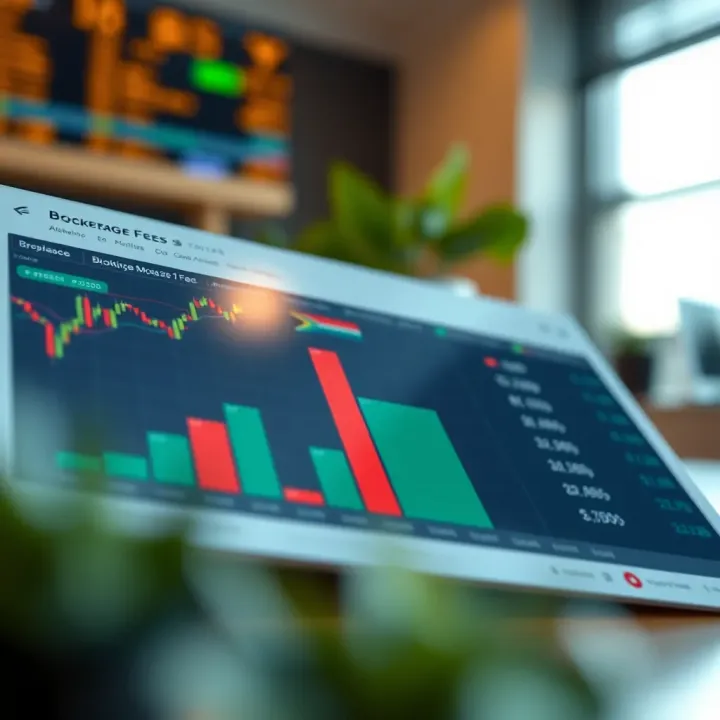
A broker isn't just a service — it’s your partner on the trading floor. Pick wisely, and you set yourself up for smoother trades and less fuss later on.
Start by checking regulation. Brokers authorised by the Financial Sector Conduct Authority (FSCA) comply with rules designed to protect your funds and privacy. Avoid unregulated platforms—no matter how tempting their bonuses seem.
Fees matter, of course, but watch out for hidden costs like withdrawal charges or inactivity fees. A broker offering zero commissions may still sneak in other costs. Make a list and compare them side by side.
Next, consider the types of accounts available. Some brokers cater to casual investors with basic accounts, while others provide advanced options for traders seeking margin or derivatives. Know what suits your style and risk appetite.
Access to local markets is no small point, especially if you want to trade South African shares or bonds directly. Ensure your broker supports the JSE and can handle rand transactions smoothly.
Customer support plays a bigger role than most realise. When technical issues or queries arise, prompt and localised help can save time and frustration. Look for brokers with clear contact channels based in South Africa or nearby.
In summary, don't just pick a broker because of a fancy app or catchy marketing. Look deeper into their licences, fee structure, product offering, and support. Doing this upfront minimises surprises down the line and helps you grow your portfolio with peace of mind.
Selecting the right broker is vital for South African investors aiming to navigate financial markets confidently and cost-effectively. A broker is essentially your gateway to trading, and choosing wisely impacts everything from execution speed to access to diverse investment products. Several key aspects separate top brokers from the rest, putting them ahead in terms of suitability for your investing goals.
When you place an order, how swiftly and reliably a broker executes that trade matters a lot. Fast execution minimises slippage, ensuring you buy or sell at prices close to what you expect—very important if you're trading volatile shares on the JSE or across international exchanges. For example, some brokers offer direct market access, which can speed up trades instead of routing orders through intermediaries. If your broker frequently delays orders, you might end up paying more or missing opportunities.
Not all brokers offer the same range of products. While many provide access to equities on the Johannesburg Stock Exchange (JSE), others also cover ETFs, bonds, commodities, or offshore shares and funds. A broader market access lets you diversify your portfolio beyond local assets, which can reduce risks tied to the South African economy or rand fluctuations. For instance, if you want to invest in US or European shares, you'll need a broker who supports offshore trading with reasonable forex options.
Some brokers go beyond basic trade execution by offering tools like structured investment products, dividend reinvestment plans, or personalised portfolio advice. These add-ons might help investors who prefer hands-on management or want guided strategies without approaching a financial planner separately. For example, a broker that provides tax reporting tools tailored for South African tax laws simplifies your SARS submission during tax season.
Cost remains a decisive factor. Brokers may charge flat fees per trade, percentage-based commissions, or a mix. Understanding the fee structure helps avoid surprises. For example, if you trade small volumes frequently, a flat fee could eat into your returns. Meanwhile, percentage fees might be better if your trades are larger but less frequent. Also, consider account maintenance fees or inactivity charges which some brokers levy.
A robust platform affects your trading efficiency and comfort. Look for clear interfaces that suit your experience level, whether beginner or advanced. Features like real-time price alerts, charting tools, and mobile compatibility are quite useful. For instance, busy investors who rely on their smartphones need a platform that runs smoothly via mobile apps or browsers without glitching.
Different brokers offer various account types — for beginners, retirement savings, or high net worth individuals. Minimum deposit requirements might range from as little as R100 to tens of thousands of rand. If you’re just starting, choosing a broker with low entry thresholds and flexible account options is best. Also, some brokers provide demo accounts where you can practise without real money, a handy feature to get the hang of trading.
Choosing the best broker depends on balancing costs, services, and your investment goals. Always weigh execution reliability, market access, fees, platform usability, and account rules carefully before committing.
When choosing a broker, regulation and security are not just boxes to tick — they form the backbone of trusting your savings and investments with a platform. Having the right protections in place ensures your money is safe and dealings are transparent. Let's break down what this really means for South African investors.
The Financial Sector Conduct Authority (FSCA) is the main watchdog overseeing brokers in South Africa. Its job is to ensure that brokers operate fairly and within the law. When a broker is FSCA-registered, you can generally trust they follow rules that protect investors from unfair practices. For example, the FSCA can investigate complaints about misleading fees or unapproved products — something every investor should appreciate.
Compliance and licensing requirements enforced by the FSCA make a real difference. Brokers must meet specific standards before operating, including demonstrating financial soundness and proving they have adequate risk management processes. This means brokers can't just pop up overnight without meeting these safety nets. For you, it reduces risks like sudden broker collapse or shady dealings that often leave investors in the lurch.
Account safety features should be non-negotiable. Brokers must provide secure logins, often including two-factor authentication (2FA) to prevent unauthorised access. Imagine your account as a house: 2FA acts like a double lock, so even if someone guesses your password, they can't get in without the second key. On top of that, features like session timeouts and automatic logout help protect your account if you forget to sign out on public or shared devices.
Data protection and privacy are increasingly important in a digital world. South African brokers must adhere to the Protection of Personal Information Act (POPIA), which governs how your personal and financial data is collected, stored, and shared. Practically, good brokers encrypt your data, limit who can access it, and clearly inform you on how your information is used. This limits risks of identity theft or data breaches, which could cost you more than just money.

Client fund segregation is a key safeguard often overlooked but hugely significant. It means your money is held separately from the broker's own funds in trust accounts. So, if the broker hits financial trouble, your money isn’t tangled up in their debts. For instance, during the 2008 global financial crisis, many investors lost funds with brokers who didn’t practice segregation. In South Africa, brokers regulated by the FSCA must keep client assets separate, offering you this layer of protection.
Remember, regulation and security aren’t just formalities—they're your shield against potential pitfalls in investing. Always verify the broker’s credentials and the security steps they take to guard your investments.
In summary, working with an FSCA-regulated broker who offers strong account protections, respects your privacy under POPIA, and segregates client funds provides a solid foundation for confident investing. It might not be the most exciting topic, but it sure is one of the most important when choosing who to trust with your capital.
Understanding the fee structure of a broker can save you a lot of hassle—and Rands—over time. Costs and charges directly impact your net returns, so it's essential to know what you're getting into before signing up. South African investors, whether trading on the JSE or tapping into offshore markets, need clarity on fees because these can vary widely between brokers.
Brokers typically charge either flat fees or percentage-based commissions for executing trades. Flat fees mean you pay a fixed amount per trade—for example, R50 per transaction no matter the trade size. This setup benefits investors who make larger trades, as the fee doesn't increase with the value of the trade. Percentage-based fees, on the other hand, are charged as a percentage of the trade value—say 0.1% per trade. This option can be cheaper for small trades but quickly adds up on bigger transactions.
Consider an investor placing a R100,000 trade: with a flat fee of R50, they pay the same as someone trading R10,000; but with a 0.1% percentage fee, the R100,000 trade costs R100, double the flat fee. Depending on your trading style and capital, one fee type may suit you better than the other.
Some brokers charge regular account maintenance fees regardless of trading activity. These might be monthly or annual and cover costs of keeping your account open and systems functioning. Inactivity fees apply if you don't trade for a specific period, discouraging dormant accounts.
For casual or infrequent traders, these fees can eat into profits. For example, an inactivity fee of R100 per month, combined with no trades made, could wipe out dividends gained from small equity holdings. Always check these charges so they don’t take you by surprise.
Depositing and withdrawing funds aren't always free. Some brokers impose fees for bank transfers or using certain payment methods. For local South African clients, deposits by EFT might be free, but international transfers can attract steep charges and delays.
If you’re moving money frequently, these fees can mount, especially when adding transfer agent, bank, or conversion fees. Read your broker’s fine print to avoid unnecessary costs and consider using brokers with free or low-cost deposit and withdrawal structures.
If you invest in foreign assets, currency conversion fees are a game changer. Some brokers charge a spread or percentage on currency conversion, which can be significant when trading in US dollars, pounds, or euros.
For example, converting R10,000 to US dollars might incur a 0.5% conversion fee, costing R50 upfront. This adds up with regular transactions. Some brokers allow clients to hold multi-currency accounts, letting you avoid conversion fees until you actually move money across currencies, which can be a smart way to reduce costs.
Watch out for these fees as they can quietly chip away at your investment returns. Compare all charges across brokers before you commit.
By thoroughly understanding costs and charges, you’re better placed to choose a broker that matches your trading habits and budget, preserving more of your hard-earned money.
Selecting a trading platform is more than just picking software; it’s about choosing the right tools that match your trading style and goals. For South African investors, the platform you use will influence how efficiently you access the JSE and other markets, how quickly you act on opportunities, and how well you manage risks.
A trading platform must be straightforward and intuitive. Complex menus or slow response times can cost you dearly in fast markets. Many traders prefer desktop platforms for the depth of analysis they offer—think of platforms like ThinkTrader or IG’s desktop client—which provide extensive charting tools and customization. That said, beginners might find web platforms simpler since they require no installation and let you start trading immediately with basic features. Easy navigation and clear visual cues help you place orders quickly without second-guessing.
Mobile trading isn’t just a convenience anymore—it’s almost a necessity. Brokers offering reliable apps for iOS and Android allow you to monitor your portfolio and execute trades on the go. For instance, the Standard Bank Webtrader app lets South Africans stay connected while commuting or during downtime. At the same time, web-based platforms must be responsive so you can switch between a desktop at home, a laptop at work, and a mobile device seamlessly. This flexibility ensures you won’t miss out because you’re stuck on one device.
Good charting tools go beyond just displaying price movements. They should offer various indicators like moving averages, RSI, and Fibonacci retracements to help you spot trends or potential reversals. Platforms like EasyEquities provide user-friendly charts tailored for newer investors juggling a full schedule. Having these tools integrated means you don’t need separate software and can make well-informed decisions quickly.
Reliable and timely market news is a game-changer. Many brokers provide real-time news feeds, bringing in information from Reuters or Bloomberg, which can alert you to breaking events affecting stocks or currencies. South African investors benefit when local economic data and regulatory announcements appear alongside international market news. Access to analyst reports and market commentaries within the platform can also enhance your perspective, saving you time hunting for information.
Choosing the right platform and trading tools isn’t just about convenience—it directly affects how effectively you can trade and manage investments. Look for platforms that fit your lifestyle, support your analysis style, and keep you connected wherever you are.
Access to local markets and a variety of investment options plays a big role when picking the right broker for South African investors. Most will want seamless entry to the Johannesburg Stock Exchange (JSE) alongside opportunities to diversify with bonds, ETFs, and offshore shares. These options influence not only potential returns but also how much control and flexibility you have over your portfolio.
The JSE offers a solid platform for buying shares in local companies, such as Naspers or Sasol, which can be a foundation for building wealth. Beyond individual stocks, exchange-traded funds (ETFs) provide a way to spread risk by investing in a basket of assets, often tracking the Top 40 index or other sectors. Bonds, including government or corporate options, tend to be more conservative but add balance and income via fixed interest, important for any diversified portfolio.
These instruments differ in risk, potential return, and liquidity so your broker should offer easy, cost-effective access to all three. For example, a broker that charges steep fees per trade on bonds might cut into your gains, especially for smaller investors.
Investing locally also means understanding how capital gains tax (CGT), dividends tax, and interest tax affect your returns. Brokers registered in South Africa usually provide annual tax certificates detailing all the necessary info, simplifying your tax return submission to SARS. This transparency helps you avoid penalties and keeps your tax affairs tidy.
South Africans should note that capital gains from shares and ETFs are taxable when realised, usually at 40% of the gain added to your income tax. Meanwhile, dividends carry a withholding tax of 20%, deducted at source, streamlining tax compliance but still something to factor into your expected returns.
Many South African investors consider diversification beyond domestic borders, tapping into global giants like Apple, Amazon, or emerging markets ETFs. Brokers offering access to international exchanges—such as the NYSE, NASDAQ, or LSE—fit the bill here. This access widens your portfolio options and can protect against local economic downturns.
However, not all brokers provide easy offshore trading or they might impose hefty fees. Look for brokers that facilitate offshore investments smoothly, possibly with simplified forex conversion and clear charges.
Investing offshore introduces currency risk since your returns depend on fluctuations between the rand and foreign currencies like the US dollar or euro. If the rand weakens, your returns in rands increase, but if it strengthens, they can shrink.
Some brokers offer currency hedging features or multi-currency accounts to manage these risks better. It’s worth understanding these tools and their costs because currency swings can change an investment’s fortune quite dramatically, more so when exchange rates move quickly.
Choosing a broker that balances local market access with international opportunities—and offers clear support for tax and currency issues—helps South African investors build a confident, well-rounded portfolio.
Choosing a broker is not just about fees or platform features; the firm's reputation and customer support matter a great deal. After all, you're entrusting your money to their hands, often with complex tools and potentially stressful market conditions. Good reputation signals reliability and trustworthiness, while effective customer support can make resolving issues or queries much smoother.
Looking at what other investors say can offer valuable insights that broker advertisements may not reveal. South African forums like MyBroadband or consumer review sections on financial websites provide real user feedback on brokers. Traders often highlight common problems, such as delays in withdrawals or platform glitches, or praise good trade execution and transparency. For example, if you find consistent complaints about a broker’s slow response to loading shares on the JSE, that’s a red flag worth noting.
While no broker is perfect, patterns in reviews matter more than isolated experiences. It pays to read both positive and negative feedback to get a balanced perspective. Plus, engaging directly on forums to ask questions can sometimes uncover practical tips from experienced investors.
How a broker communicates with clients reflects their professionalism and integrity. Do they clearly outline fees, terms, and risks upfront? Brokers operating in South Africa should comply with FSCA regulations mandating fair disclosure. When promotional material omits details like currency conversion or inactivity fees, that lack of transparency should set alarm bells ringing.
Moreover, reputable brokers keep clients informed about important changes — such as fee adjustments, platform updates, or regulatory impacts — by using multiple channels. For example, a broker sending timely SMS notifications ahead of scheduled downtimes or regulatory deadlines demonstrates client-centred communication that builds trust.
Fast, reliable customer service can save you from costly mistakes, especially when markets are moving quickly. Check whether the broker offers support during South African trading hours and beyond, including weekends if applicable. For instance, if your broker’s customer support shuts down right before a big announcement on the JSE, you may be left frustrated.
Responsiveness is equally critical. Waiting days for a reply to a query about a withdrawal or account verification isn't acceptable. Try reaching out before opening an account to gauge their response speed and helpfulness.
Diverse contact options enhance accessibility. Phone support is often preferred for urgent issues requiring direct conversation, while email suits detailed queries. Live chat combines convenience with immediacy and is becoming standard among modern brokers.
Not all brokers prioritise live chat, even though South African investors appreciate quick answers during volatile market phases. For example, having a live chat option during Eskom load shedding to clarify trading restrictions or platform workarounds can be a big help. Finally, ensure the support team speaks fluent English and preferably other South African languages, which eases communication and builds rapport.
Trustworthy brokers with solid reputations and responsive support improve your trading confidence and reduce the stress of managing your investments. Prioritise these factors alongside fees and platform usability to pick the best broker for your needs.
📈 Learn how copy trading lets you automatically mirror seasoned traders’ moves, weigh risks and benefits, pick the right platform, and meet South African compliance.
📈 Learn how to trade global and local market indices with practical strategies, risks, and tips tailored for South African investors ready to grow their portfolio.
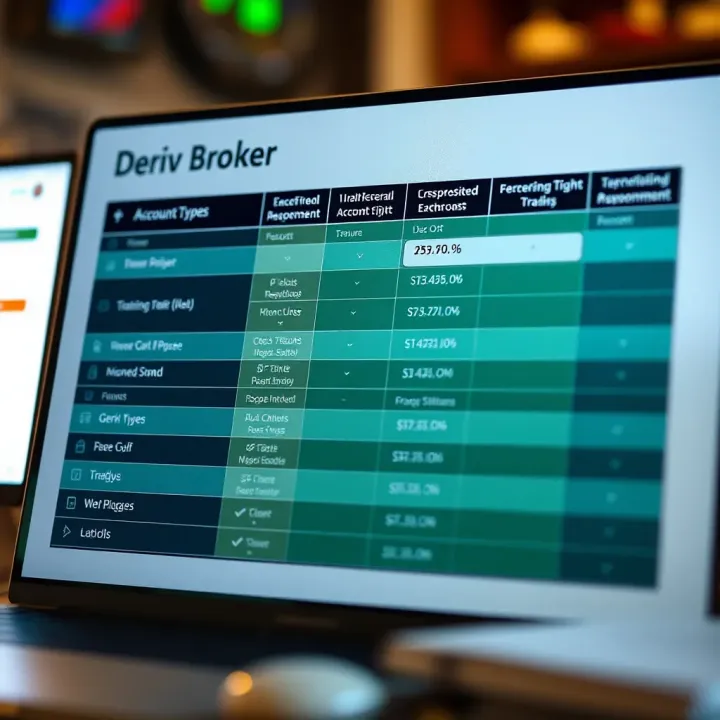
🔍 Explore Deriv broker's fees, platforms & account types. Find out if it's the right choice for South African traders seeking secure, versatile trading options.

Explore IQ Trading with practical tips for South African investors 🇿🇦. Learn its features, trade types, payment methods, and how to manage market risks effectively 📈💸.
Based on 6 reviews