
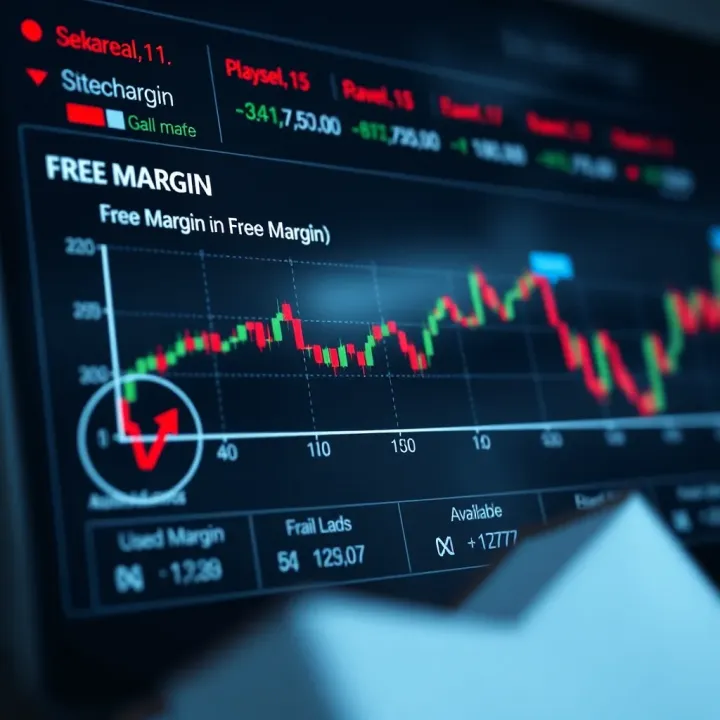
Understanding Free Margin in Trading
📉 Understand free margin in trading: how it affects your funds for new trades and losses. Learn to manage it wisely amidst volatile markets, tailored for South African traders.
Edited By
James Harrington
Automated trading has become a staple for many traders and investors, not just abroad but right here in South Africa. At its core, automated trading means letting algorithms handle the buying and selling of financial assets—whether shares, forex, or commodities—without a human clicking the buttons every time. These computer programmes follow set rules, sometimes adjusting in real time to market movements.
This approach appeals to many because it saves time and removes emotion from decisions that can often be clouded by fear or greed. For example, a local trader might use automated systems to execute trades during peak market hours, even if they’re out at a braai, ensuring they don’t miss an opportunity.
That said, automated trading isn’t magic. It requires careful setup and ongoing management. Traders must fine-tune algorithms to suit their strategy and keep a close eye on market conditions—especially here, where factors like Eskom loadshedding can cause sudden spikes in volatility.
Bear in mind: while automation can speed up execution and improve consistency, it also carries risks. Poorly designed algorithms can amplify losses fast.
Some common types of automated trading systems include:
Trend-following algorithms: These aim to capitalise on upward or downward price movements.
Mean reversion strategies: Assume prices will revert to an average value over time.
Arbitrage bots: Exploit price differences for the same asset across different exchanges.
In South Africa, automated trading increasingly integrates with platforms offered by big players like the JSE and local brokers. More accessible interfaces and affordable data packages help even small-scale investors tap into sophisticated strategies.
For anyone considering automated trading, it’s vital to understand the technology involved—from APIs connecting to trading platforms, to the role of backtesting software that tests strategies against historical data. Getting to grips with these elements makes your trading smarter and less prone to surprises.
This guide will unpack these topics clearly, showing how automated trading fits our market and what you should watch for to protect your investment and grow your returns steadily.
Understanding how automated trading operates is key for anyone interested in using or analysing these systems. Automated trading relies on predefined algorithms to make decisions on buying and selling financial assets without human involvement in real-time. This method brings speed and accuracy to trading, especially in fast-moving markets like the Johannesburg Stock Exchange (JSE).
Algorithmic trading involves setting a clear set of rules that govern when to enter or exit trades. These rules can be based on technical indicators, price movements, volume, or even news sentiment. For example, a simple algorithm might trigger a buy order when the 50-day moving average crosses above the 200-day moving average—a crossover strategy often used to identify bullish trends. The algorithm continuously scans market data and executes trades once the conditions match, ensuring quick responses to market changes.
Several strategies dominate automated trading. Momentum strategies, for instance, seek to capitalise on ongoing trends by buying assets showing upward movement and selling when momentum fades. Mean reversion is another popular approach, assuming prices will return to their average after deviating sharply. Scalping strategies focus on small profit margins gained from numerous trades throughout the day. South African traders may also tailor algorithms to local market quirks, such as reacting to rand volatility or Eskom-related announcements impacting listed companies.
Efficient execution is vital. Automated systems connect directly with brokers via APIs, placing orders faster than any human could. Order management involves not just placing but also monitoring and modifying open orders to respond to changing market conditions. For instance, a stop-loss order can automatically close a position to limit potential losses if the market moves unfavourably. These systems use risk management rules to protect capital while striving to seize every trading opportunity.
Automated trading thrives on precision and speed, turning detailed market data into swift, calculated action. Its practical edge lies in removing emotional bias and human error from trading decisions.
By knowing how these components work together, traders and investors can better assess the suitability of automated trading for their goals. Choosing or developing an algorithm requires clear parameters based on sound strategy and disciplined risk control.
Automated trading offers both clear advantages and distinct challenges that traders and investors need to weigh carefully. By using algorithms to execute trades, these systems can operate at speeds no human can match, helping to capitalise on fleeting market opportunities. However, automation comes with risks — technical glitches and overfitting strategies are common pitfalls that can lead to unexpected losses. This balance between efficiency and vulnerability makes understanding these aspects essential.
One of the biggest advantages of automated trading lies in its speed. Algorithms can scan markets and execute orders instantly, which is crucial when market conditions shift rapidly. For example, a trader using a momentum-based algo in the JSE's Top 40 shares can enter or exit positions milliseconds after a signal, beating manual trading delays.
Consistency is another key benefit. Automated systems stick to predefined rules without wavering, ensuring that each trade aligns with the strategy regardless of external distractions or emotional swings. This takes the human element out, which is often where many traders falter — fear or greed can make them hesitate or panic at the wrong times.
Moreover, automated trading allows round-the-clock market engagement, even beyond typical trading hours. A local retail investor trading offshore ETFs can have their strategy work continuously without needing to stay glued to the screen.
That said, automated trading is not without problems. Technical failures such as system crashes, connectivity issues, or server downtime can interrupt trade execution, potentially causing losses or missed opportunities. For instance, during a sudden spike in volatility, a delayed order might execute at a far less favourable price.
Another common issue is over-optimisation, where a strategy performs well on historical data but falls flat in live markets. This happens when algorithms are too finely tuned to past patterns that don’t recur, resulting in poor adaptability. Traders often call this "curve-fitting," and it’s a risk that requires regular strategy evaluation and adjustment.
Regulatory compliance is also critical in the automated trading space. South African traders must adhere to the Financial Sector Conduct Authority (FSCA) rules, ensuring that their trading activities don’t manipulate markets or breach insider trading laws. Platforms used must be licensed and meet proper standards.
Ethically, automated strategies should avoid reinforcing unfair advantages or harming market integrity. For example, aggressive high-frequency trading that disrupts price discovery may come under scrutiny.
Balancing the speed and discipline of automation with the risks of technical issues and compliance challenges is key to benefiting from automated trading in Mzansi and beyond.
Understanding these advantages and hurdles helps traders approach automated trading with realistic expectations and equips them to manage their systems carefully.
Automated trading systems differ widely depending on how much control the trader wants to keep and the technology involved. Understanding the types helps traders pick the right approach for their goals, risk appetite, and technical comfort. In practice, traders often choose between fully automated systems that run without interference and semi-automated setups that leave some decisions to human judgement.
A fully automated trading system executes trades automatically based on pre-set algorithms and strategies. Once live, it continuously scans the market, sends orders, and manages positions without needing human intervention. This approach suits traders looking for speed, consistency, and the ability to operate 24/7, especially in fast-moving markets. For example, a momentum-based algorithm might automatically buy shares in Naspers when certain price and volume thresholds are met, then sell once specific profit or stop-loss points trigger. Traders using full automation must monitor for technical glitches though, as the system could keep placing orders under faulty conditions if left unchecked.
On the other hand, semi-automated systems combine algorithmic help with human oversight. Here, the system might suggest or prepare orders but waits for the trader’s go-ahead before execution. This allows experienced traders to apply their judgment in volatile or unusual conditions while still speeding up routine tasks. For instance, a semi-automated forex setup might alert the trader to buy or sell based on technical indicators, but only sends the order after the trader confirms. This offers more control but requires constant attention.
South African traders have access to a growing range of platforms that support automated trading, both local and international. Popular global ones include MetaTrader 4 and 5, widely used for forex and CFD trading, offering built-in scripting languages (MQL4/5) for algorithm development. NinjaTrader is another favourite, especially for futures and equities, prized for its advanced analytics and customisation.
Locally, brokers like IG South Africa and Standard Bank Online Share Trading provide APIs and tools compatible with automation strategies, although their offerings might be more basic than dedicated global platforms. Additionally, platforms like ThinkMarkets combine local support with scalable automated trading features.
Choosing the right platform depends on your trading style, asset class, and technical skill. Reliability, execution speed, and regulatory compliance also play crucial roles.
For beginners, user-friendly platforms with drag-and-drop strategy builders can ease entry. Those with coding knowledge may prefer open environments like MetaTrader or NinjaTrader to develop bespoke algorithms.
Ultimately, knowing the distinction between system types and platform capabilities arms traders to pick a setup that aligns with their strategy and South African market realities.
Automated trading hinges on a combination of technology that ensures algorithms can operate swiftly and accurately in the financial markets. This technology not only supports decision-making but also executes trades with minimal delay, which is critical for capitalising on rapid market moves. Understanding these technical components helps traders select the right tools and avoid costly pitfalls.
Accurate and timely data feeds form the backbone of any automated trading system. These feeds deliver real-time market prices, volume, and other trade-related information directly to the trading algorithm. Market connectivity refers to the system’s ability to access these data sources and execute orders via exchanges or brokers. For example, a local trader using a platform like EasyEquities depends heavily on the quality of the data provided; delayed or corrupted feeds can lead to poor trade entries or exits, costing money.
Reliable connectivity to market infrastructure reduces latency—the time delay from when a market event occurs to when the system responds. In practice, electronic trading on the Johannesburg Stock Exchange (JSE) requires efficient infrastructure to avoid lag that might otherwise mean missing out on favourable price points. Local fibre-optic networks, direct market access services, and data centres close to exchange servers have become critical components for automated traders aiming for competitive edges.
Developing effective trading algorithms typically involves programming languages that balance speed and flexibility. Python is widely used among South African retail and professional traders due to its simplicity and vast library options, including pandas for data analysis and backtrader for strategy testing. Meanwhile, C++ excels in high-frequency trading scenarios where execution speed is vital.
Traders often use integrated development environments (IDEs) such as Jupyter Notebook or Visual Studio Code for coding and testing their algorithms. Additionally, platforms like MetaTrader or NinjaTrader offer built-in scripting languages (MQL and NinjaScript respectively) and graphical interfaces, enabling users to create and run strategies without deep programming knowledge.
When choosing your development tools, consider compatibility with your broker or exchange and the learning curve of the language.
Before actual deployment, algorithms need thorough testing in simulated environments to mimic real market behaviour. Backtesting uses historical market data to evaluate a strategy’s viability and reveals how it might perform under various conditions. This process can identify flaws such as overfitting—where a strategy matches past data perfectly but fails in live trading.
Simulation environments allow traders to run their strategies in real-time market conditions without risking capital. This practice can uncover issues like slippage (the difference between expected and actual trade prices) or connectivity loss, common technical hitches that affect automated trading.
In South Africa’s evolving market context, using backtesting with adequate local data ensures strategies consider factors such as lower liquidity in certain stocks or regional economic events.
Bringing these technological pieces together is what makes automated trading systems functional and reliable. Without dependable data feeds, efficient coding tools, and rigorous testing practices, automated trading risks becoming a gamble rather than a calculated approach.
Automated trading in South Africa is steadily gaining ground as both retail and institutional traders look for ways to improve efficiency and reduce emotional bias in their trades. While the global automated trading scene is more mature, South Africa’s growing interest is fueled by more accessible technology and the local market’s unique characteristics, such as liquidity patterns and regulatory frameworks.
South Africa offers various brokerage platforms that support automated trading, including international names like Interactive Brokers and local brokers such as EasyEquities and PSG Online. EasyEquities, for instance, appeals to retail traders with its low fees and user-friendly interface, while institutional players might turn to more advanced platforms with direct market access.
From a regulatory perspective, the Financial Sector Conduct Authority (FSCA) oversees automated trading activities to ensure fair practices and market integrity, especially considering risks like algorithmic errors or flash crashes. Most brokers require traders to comply with the Financial Intelligence Centre Act (FICA), which means you’ll need proper identification for account setup. Retail traders should also be aware that POPIA (Protection of Personal Information Act) regulates how their data is used by brokers and trading platforms.
Retail traders typically face tighter budgets and less access to sophisticated infrastructure than institutions. They tend to rely on commercial off-the-shelf trading bots or platforms like MetaTrader and Zerodha, which offer pre-built strategies or user-friendly tools to build simple algorithms. Institutional investors, however, often invest heavily in proprietary systems, custom software, and co-location services that reduce latency.
A practical example: a retail trader might run a moving average crossover strategy on EasyEquities, using daily updates, while a hedge fund could execute high-frequency trades on the JSE using customised algorithms running on servers within milliseconds of market data.
Retail traders should also weigh the costs of data feeds, broker commissions, and the technical know-how required to maintain their systems, while institutions have teams dedicated to these tasks.
South Africa’s market presents particular challenges for automated trading due to its liquidity profile and occasional volatility spikes, especially around corporate actions, earnings announcements, or during load shedding periods which disrupt trading hours.
Automated systems must adjust for lower liquidity in certain shares or sectors to avoid slippage and failed orders. For example, blue-chip shares like those in the FTSE/JSE Top 40 generally have sufficient volume for algorithmic strategies, but smaller cap stocks may see sudden price gaps.
On the other hand, volatility can create opportunities for automated strategies that capitalise on price swings. That said, elevated volatility requires rigorous risk management within the algorithm to prevent outsized losses.
Automated trading in South Africa needs to consider local market dynamics carefully. Choosing the right broker, understanding regulatory requirements, and adapting to volatility and liquidity are all steps toward a more resilient strategy.
In summary, local traders should pick platforms and brokers that fit their scale, focus on compliance, and tailor their algorithms to the character of the South African markets. This practical approach helps unlock the real benefits of automated trading without falling prey to common pitfalls.
Kicking off with automated trading requires clear goals and a strong understanding of personal risk limits. You can’t just plug in a system and expect profits without knowing what you’re aiming for or how much volatility you can stomach. For example, a conservative investor might prioritise steady, low-risk returns, while a professional trader may be comfortable with higher risk for bigger potential gains. Knowing your comfort zone upfront helps you select the right trading strategy and avoid panic when the market swings.
Start by defining what you want from your automated trading system. Are you looking to boost income regularly, or perhaps build a long-term portfolio? Also, think about how easily you can stomach losses. If sudden market dips keep you awake at night, opting for aggressive algorithms won’t suit you. It’s worth simulating different scenarios with demo accounts to see how your chosen system reacts under real market stresses before committing real Rands.
Your trading experience hinges on the tools and platforms you pick. Look for software with proven track records and respected reputations in South Africa’s financial community. Platforms like ThinkMarkets or IG offer tailored services backed by solid support. Similarly, pick brokers authorised by the Financial Sector Conduct Authority (FSCA) to ensure regulatory protection and fair practice. Fast execution speeds, accurate data feeds, and user-friendly interfaces are practical must-haves — after all, a slow system can erode your chances in a fast-moving market.
Automated trading isn’t a "set and forget" deal. Even the best algorithms need regular checks and tweaks to stay effective amid shifting market conditions. Monitor trades and system behaviour closely, tracking performance against your goals. Software updates often patch bugs or improve functionality; ignoring these can create vulnerabilities or degrade efficiency. Plus, don’t hesitate to switch off your system or adjust parameters when markets change dramatically, such as during South African-specific events like changes in the repo rate or unexpected political news.
Continuous attention to your trading setup protects your investments and helps you adapt to market twists, reducing risks associated with automation.
By focusing on these practical steps – knowing your goals, choosing solid tools, and staying actively involved in system upkeep – you can give yourself a fair shot at making automated trading work for you in a local South African context.
📉 Understand free margin in trading: how it affects your funds for new trades and losses. Learn to manage it wisely amidst volatile markets, tailored for South African traders.
🔍 Explore how synthetic indices mimic real markets with computer-generated data. Understand their risks, benefits, and get practical trading tips for smarter decisions.
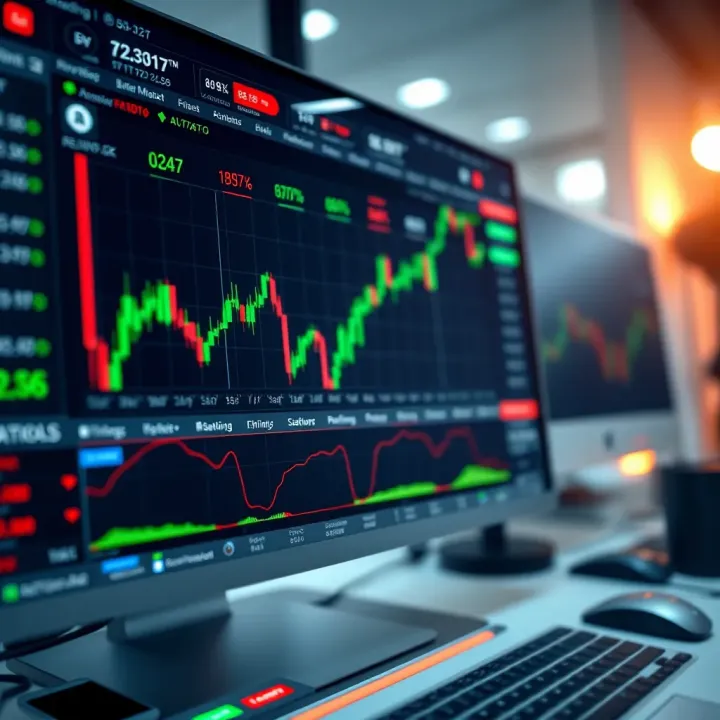
🤖 BinaryBot automates binary options trading for South African traders, offering tools, risks, and practical tips to trade smarter with local market insights.
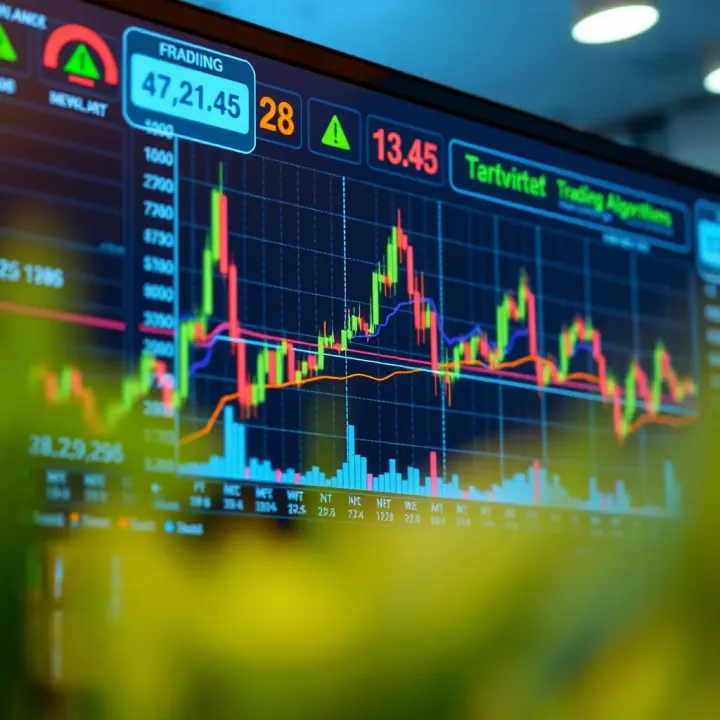
🤖 Discover how automated trading robots help South African investors trade equities, forex & crypto efficiently, balancing benefits & risks within local rules.
Based on 11 reviews