
Understanding IFX Markets for South African Traders
🌍 Discover IFX Markets: a trusted platform for forex and more. Learn about accounts, safety, local trading tips, and how South Africans can trade smarter today.
Edited By
Charlotte Evans
IFX (international foreign exchange) brokers provide a vital service by connecting traders in South Africa to the global currency market. They act as middlemen, giving access to buy and sell foreign currencies through various trading platforms. This allows traders, investors, and analysts to participate in currency speculation, hedging, and other strategies.
These brokers handle the execution, pricing, and settlement of trades while often providing tools and analytics tailored to forex trading. For local traders, using an IFX broker means navigating global markets while complying with South African regulations.
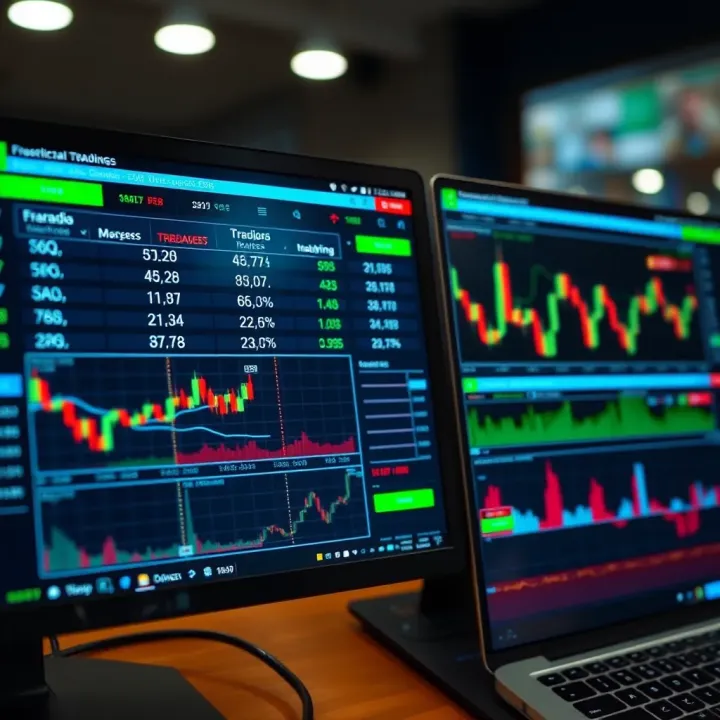
At its core, an IFX broker facilitates currency exchange transactions between a trader and the wider market. Unlike banks that mainly deal with retail customers, IFX brokers specialise in trading pairs like USD/ZAR or EUR/USD, offering tighter spreads and leverage options.
They also provide trading platforms—software like MetaTrader 4 or 5, cTrader, and proprietary systems—where clients place orders, monitor charts, and manage risk.
A crucial aspect for South African traders is ensuring the IFX broker complies with local or reputable international regulations. Authorities such as the Financial Sector Conduct Authority (FSCA) oversee some brokers operating locally or abroad. This compliance safeguards client funds and ensures fair trading practices.
Trading with IFX brokers involves costs beyond just the currency exchange rates. These include spreads (the difference between buy and sell prices), commissions—charged per trade—and overnight financing fees if positions are held past market hours. Understanding these costs upfront helps avoid surprises.
Remember: Choose brokers that clearly disclose all fees and operate transparently to protect your investments.
South Africa’s rand isn’t as freely traded as some major currencies, making direct access tricky. IFX brokers bridge this gap, offering
Access to major and exotic currency pairs
Leverage options suitable for various risk appetites
Tools and resources designed for active trading
Trading with a reliable IFX broker not only opens doors internationally but can also mitigate risks linked to rand volatility, given ongoing economic and geopolitical factors.
In the sections ahead, you will find details on choosing the right broker, understanding platform features, and tips to trade smartly within South Africa’s unique financial environment.
Getting a hold on what IFX brokers actually do is key for South African traders wanting to venture into the forex market effectively. These brokers act as the bridge between you and the global currency markets, enabling trades that wouldn't be possible on your own. Knowing how they work helps avoid pitfalls and sharpens your trading strategy.
IFX brokers provide the platform and tools needed to access forex markets where currencies are bought and sold. Instead of dealing directly with banks or liquidity providers, traders place orders through these brokers who then execute trades on their behalf. For example, if you want to trade the USD/ZAR pair, the broker acts as your gateway to the market, routing your trades securely and swiftly.
This connection is practical because forex markets operate 24/5 across various global centres, which would be cumbersome and expensive for individual traders to access directly. Brokers simplify this process by aggregating liquidity and providing user-friendly interfaces.
While exchanges like the JSE provide a physical and regulated marketplace for shares, forex trading doesn’t occur on a central exchange. Instead, it’s an over-the-counter (OTC) market where IFX brokers facilitate access. This distinction means brokers manage order execution, pricing, and spreads, which can vary between providers.
For South African traders, this means the choice of broker influences trade costs and execution speed. Unlike an exchange, brokers may have conflicting interests, so being cautious and choosing regulated brokers is crucial.
There are generally three main types of forex brokers: market makers, Electronic Communication Network (ECN) brokers, and Straight Through Processing (STP) brokers.

Market makers set the prices themselves and often trade against clients, which can sometimes lead to conflicts of interest.
ECN brokers provide direct access to a network of liquidity providers, offering tighter spreads but usually charging commissions.
STP brokers send client orders directly to liquidity providers without intervention, blending some benefits of both models.
Understanding these types helps traders select brokers that align with their style and risk tolerance.
Major pairs dominate forex trading and include USD/ZAR, EUR/USD, GBP/USD, and USD/JPY. For South African traders, the USD/ZAR is particularly important due to local business and investment ties.
These pairs usually have higher liquidity and tighter spreads, making them cost-effective for trading. Knowing major pairs also helps traders focus on currency movements influenced by key economic events.
Forex operates 24 hours a day from Sunday evening to Friday evening SAST, covering sessions in Asia, Europe, and North America.
The overlap between London and New York sessions (around 3 pm to 7 pm SAST) tends to be the most active and volatile, offering more trading opportunities. South African traders benefit from trading during these hours or adjusting strategies for quieter periods depending on their risk appetite.
Global news such as interest rate changes by the Federal Reserve, political events in the Eurozone, or commodity price shifts can create significant forex volatility.
For example, fluctuations in gold prices might influence the South African Rand, given the country’s mining sector. Traders need to stay attuned to such developments as they can rapidly shift currency valuations and present both risks and opportunities.
Understanding the interplay between IFX brokers and global forex markets equips South African traders to make smarter, more timely decisions.
By grasping these basics, you’ll be better positioned to select the right broker and capitalise on market movements with confidence.
Choosing the right IFX (International Forex) broker is key for South African traders aiming for success. Brokers can differ vastly in terms of regulation, costs, and tools, which impacts your safety and trading efficiency. Here’s a grounded look at the main factors to weigh before opening an account.
The South African Financial Sector Conduct Authority (FSCA) regulates brokers operating locally. The oversight helps protect traders by ensuring brokers follow rules on transparency and solvency. A broker authorised by the FSCA is legally required to keep client funds separate and maintain adequate capital. This reduces the risk of loss if the broker runs into trouble.
Verifying a broker’s licence is straightforward but vital. You can check the FSCA’s official register to see if a broker holds a valid licence. Beware of brokers claiming compliance but not listed. Legitimate brokers will also be transparent about their regulatory status on their websites.
Watch out for warning signs of scams, such as promises of guaranteed returns, pressure to deposit more money quickly, or unrequested calls or messages. Unlicensed brokers often use these tactics to trap traders. Staying with FSCA-regulated firms and reading reviews from local traders helps avoid these pitfalls.
Understand the difference between spread and commission. The spread is the gap between buying and selling prices of a currency pair. Most brokers earn their fees through this spread. Some charge a separate commission per trade, which usually comes with tighter spreads. For South African traders looking to keep costs low, comparing both models matters.
Overnight fees, also called rollover charges, come into play when you keep a position open past the trading day. Brokers calculate these based on interest rate differentials between currencies. These fees can quickly add up, so planning your trades around market hours can help you avoid surprises.
Beyond trading costs, check for deposit and withdrawal fees, especially if you prefer using local payment methods like EFT or EFT cash deposits. Some brokers impose charges or minimum amounts that could eat into smaller accounts. Finding brokers with reasonable fees on deposits and withdrawals makes sense for ease and savings.
MetaTrader 4 (MT4) and MetaTrader 5 (MT5) remain the standards in forex trading for good reasons: reliability, user-friendliness, and a rich ecosystem of indicators and scripts. South African traders often start with MT4 due to its simplicity, then graduate to MT5 for advanced features and more asset classes.
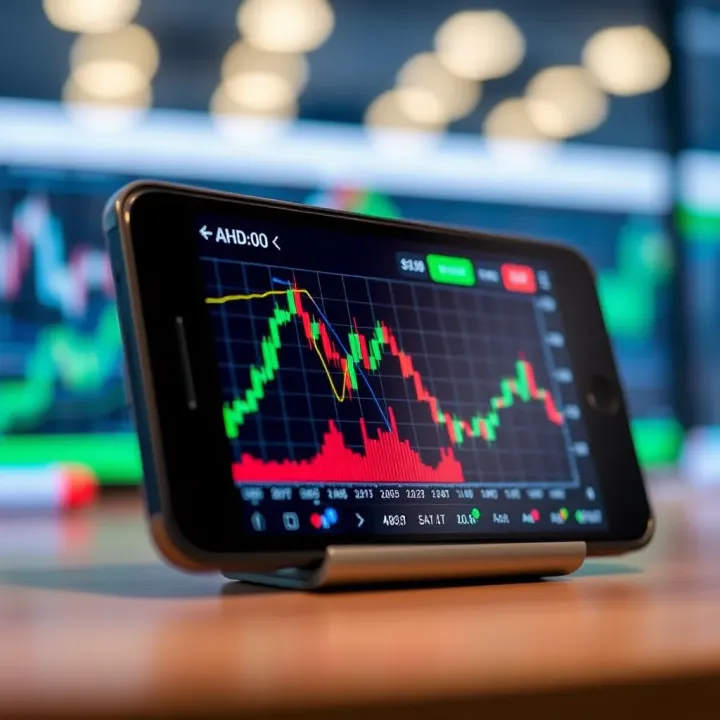
Mobile trading apps are essential for those constantly on the go. Good apps offer full trade execution, real-time quotes, and swift fund management. Apps like MetaTrader’s mobile version or proprietary platforms from brokers such as HotForex or IG provide smooth, secure experiences on both Android and iOS.
Sophisticated charting tools and automated trading options can enhance decision-making. Features like custom indicators, backtesting capabilities, and expert advisors (trading bots) save time and help test strategies without risking real money. Make sure your broker supports these tools if you’re serious about refining your approach.
Taking time to research regulation, fees, and platforms upfront pays off. A well-chosen broker becomes a reliable partner, not a headache.
In South Africa's forex trading scene, being aware of these factors protects your investment and improves your chances of consistent trading success.
IFX brokers play a vital role in connecting South African traders to global currency markets. Their operation within the local context requires attention to payment methods, currency conversion, and compliance with South African tax regulations. Understanding these practical angles helps traders manage costs, comply with legal requirements, and optimise their trading efficiency.
Using Rand for deposits and withdrawals is essential for South African traders looking to avoid extra currency exchange steps. Many IFX brokers in South Africa allow traders to deposit and withdraw funds in Rand (ZAR), which simplifies transactions and cuts conversion fees. For example, depositing R10,000 with a broker that accepts Rand means you won’t face currency exchange costs twice, unlike depositing in US dollars.
Impact of exchange rates and currency risk cannot be overstated. When funds move between Rand and foreign currencies, fluctuations in exchange rates can affect your effective trading capital. Suppose the Rand weakens against the US dollar after you deposit funds; you might find your trading power decreased when converting back. Traders should track spot rates and possibly time their currency conversions to limit risk.
Common payment options in South Africa include local bank transfers, EFT, and emerging mobile payment methods. Popular banks like FNB, Standard Bank, and Absa facilitate fast EFTs to brokers’ Rand accounts. Some brokers also support SnapScan or Zapper as quick, low-cost deposit methods. However, South African traders should check fees carefully, as some platforms still apply charges for international transfers or credit card deposits.
Capital gains tax considerations come into play whenever you profit from forex trading. The South African Revenue Service (SARS) treats gains from forex trading as taxable income or capital gains depending on your trading frequency and nature. Typically, active traders might pay income tax, while casual investors may fall under capital gains tax (CGT), which currently stands at 18% of the net profit after exclusions.
Record-keeping and SARS compliance require traders to maintain clear and detailed records of all transactions, deposits, withdrawals, and trading histories. SARS may audit traders, particularly those with significant profits or unusual trading patterns. Accurate records simplify tax submissions and prevent issues during audits. Softwares like QuickBooks or even well-organised spreadsheets can be invaluable.
How IFX brokers support tax reporting varies, but many now provide annual statements summarising traded volumes, gains, and losses. These statements help traders report correct income figures to SARS. Some brokers integrate tax tools or connect with South African accounting firms for tailored advice. Before selecting a broker, check if they supply comprehensive reporting features to reduce your tax-time stress.
Clear awareness of how IFX brokers handle local payments and tax obligations helps South African traders trade efficiently, manage risks, and avoid costly surprises.
When trading with IFX brokers, maximising efficiency and safety isn't just a nice-to-have — it's essential. Navigating the fast-moving forex markets requires practical strategies to protect your capital and optimise your trades. South African traders especially benefit from disciplined risk management and ongoing education to handle local challenges like currency volatility and sometimes unpredictable market shifts.
Setting stop losses and take profit levels helps limit losses and secure profits without needing constant monitoring. For instance, if you buy the USD/ZAR at R15.50, setting a stop loss at R15.30 means your trade automatically closes if the rate drops, capping potential loss. Similarly, a take profit at R15.70 locks in gains when that level is reached. This reduces emotional decision-making and keeps trades within planned risk tolerance.
Leverage and margin control play a critical role in managing risk. While using high leverage can amplify profits, it equally magnifies losses. South African traders should approach leverage with caution, ensuring they understand how margin calls work to avoid sudden account drains. Starting with lower leverage ratios and increasing only after gaining experience preserves capital and improves long-term sustainability.
Psychology and discipline in trading often separate successful traders from the rest. Emotions like fear and greed can lead to impulsive decisions. Sticking to a well-thought-out plan, maintaining realistic expectations, and avoiding chasing losses are practical habits. For example, when markets are volatile due to global events, keeping calm and not overtrading can prevent costly mistakes.
Using demo accounts effectively offers a no-risk environment to test strategies and familiarise yourself with trading platforms. South African brokers like EasyEquities and IG provide demo accounts where you can practice with virtual Rand balances. Dipping your toes in demo before live trading helps build confidence and refine skills without the pressure of losing real money.
Accessing educational resources from brokers can fast-track your learning. Many brokers offer webinars, articles, and videos tailored to forex basics and advanced tactics. For instance, FSCA-regulated brokers often have content addressing local market nuances, forex tax implications, and technical analysis — all crucial for South African traders.
Joining South African forex trading communities connects you to fellow traders who share insights, tips, and support. Platforms like MT4 forums or local WhatsApp groups provide real-world perspectives on daily market moves and broker reliability. Engaging with peers helps keep you updated on shifts in broker services or regulatory changes affecting trading.
Maintaining a balance between protecting your investments and sharpening your trading skills paves the way for smoother, more confident trading in Mzansi's forex scene.
By managing risks carefully and continuously learning, you can make the most of your experience with IFX brokers while safeguarding your hard-earned rands.
🌍 Discover IFX Markets: a trusted platform for forex and more. Learn about accounts, safety, local trading tips, and how South Africans can trade smarter today.
Explore how Robotrader APK works, install it safely, and get tips tailored for South African traders. Learn risks and benefits for smart trading 📈🇿🇦
🔐 Step-by-step guide for South African traders on Quotex login, covering setup, security tips, troubleshooting, and managing your account smoothly.
🤖 Explore how mobile trading robots help South African traders automate decisions, manage risks, and navigate local rules—plus top platforms to consider.
Based on 13 reviews