

Choosing the Best Trading Brokers in South Africa
Looking for the best trading brokers in South Africa? Learn how to compare fees, platforms, regulation, and support 📈 Start trading with confidence safely today!
Edited By
Emily Dawson
SafeMoon, a relatively new entrant in the crypto space, has grabbed the attention of investors worldwide, including in South Africa. It’s a token that operates on the Binance Smart Chain and offers a mix of rewards and deflationary mechanics, aiming to encourage holders to keep their coins rather than sell them quickly.
For South African investors, understanding what sets SafeMoon apart is key before diving into the buying process. Unlike more established cryptos like Bitcoin and Ethereum, SafeMoon is known for its high volatility and speculative nature. It's crucial to weigh these factors against your investment goals and risk appetite.

When considering buying SafeMoon, you’ll be stepping into a market that is less straightforward than traditional shares or even mainstream cryptocurrencies. The process involves more than just opening an account on a crypto exchange. You'll also need to select a suitable digital wallet and get familiar with concepts like token swapping and liquidity pools.
SafeMoon requires Binance Smart Chain-compatible wallets and is typically bought through decentralized exchanges (DEXs), unlike Bitcoin or Ethereum which have wider availability across various platforms.
South African investors should note the practical aspects too. Transaction fees can fluctuate significantly, and converting Rands into cryptocurrency often involves using platforms that support ZAR deposits, or else converting first to a more common crypto before swapping for SafeMoon. Moreover, the impact of local factors such as loadshedding on internet connectivity and tax obligations through SARS must be considered.
Overall, buying SafeMoon safely involves careful planning, a clear understanding of the token’s risks and benefits, and choosing the right tools for the process. From picking the right exchange to securing your crypto wallet, each step matters to protect your investment and potentially benefit from this token’s unique features.
Grasping what SafeMoon is and why it draws people in is fundamental before you think about investing. This section dives into the nuts and bolts of SafeMoon, helping you see not just how it operates but why it matters, especially if you're managing your funds from South Africa.
SafeMoon is a cryptocurrency token built on the Binance Smart Chain (BSC), designed to reward holders and discourage selling. Unlike standard cryptocurrencies like Bitcoin or Ethereum, SafeMoon charges a small fee with every transaction that’s split between holders and liquidity pools. This “reflection” system means your tokens can grow simply by holding them in your wallet.
From a practical standpoint, this mechanism aims to incentivise long-term holding, which may appeal to investors tired of constant market swings. However, it’s not your typical coin tied to a physical asset or company, so its value can be quite speculative.
Every time a SafeMoon transaction happens, a fee is automatically taken—usually around 10%. Half of this fee is redistributed to existing holders, while the other half contributes to liquidity, helping stabilise the price by bolstering pools that facilitate trading.
For South African investors, this system means holding SafeMoon could lead to gradual growth in your portfolio without needing to buy more tokens. Still, you have to be mindful of the fee’s impact if you trade frequently, as it can erode profits.
SafeMoon’s growth heavily depends on its community. The project’s developers frequently engage with holders through social media and updates, cultivating a loyal base. This engagement can drive marketing efforts, adoption, and potential partnerships, influencing token value.
This community spirit might feel familiar to South Africans, given our culture of ubuntu—an emphasis on humanity and connection. Owning SafeMoon isn’t just about investment; it’s partly a collective push to grow the token’s ecosystem.
SafeMoon’s design and marketing often promise high returns. Some early holders have seen significant gains thanks to the reward system and speculative interest. For example, when SafeMoon gained traction in early 2021, its price surged, drawing global attention.
That said, such high returns are not guaranteed and usually come with considerable risk. Investors should approach with eyes wide open, balancing the lure of good profits with careful strategy.
SafeMoon carries typical crypto-level volatility but amplified by its tokenomics. Prices might swing wildly within hours. Plus, the fee on transactions can deter quick trades, limiting short-term manoeuvring.
South African traders should be especially cautious during periods of local market instability or around changes in exchange policies. Volatility can mean big wins but also steep losses, so an exit plan is essential.
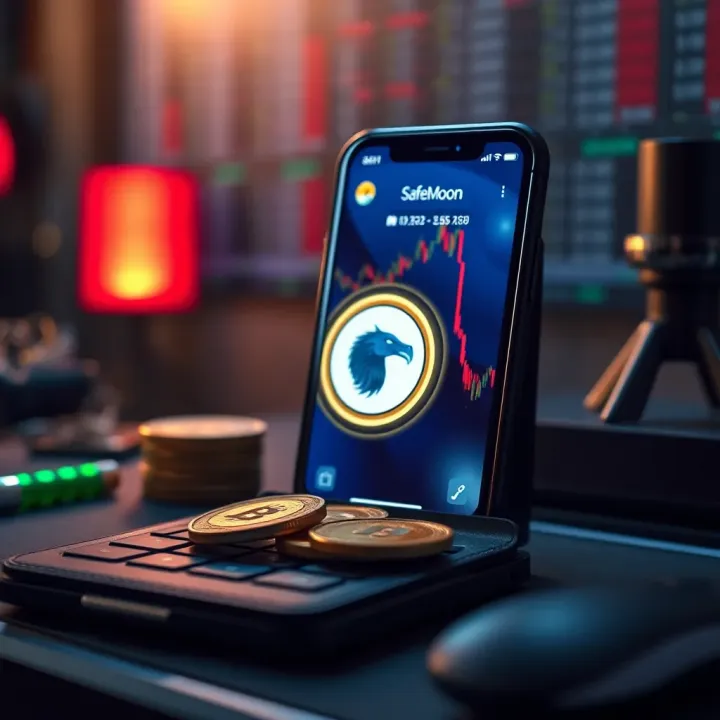
Unlike Bitcoin, which is seen as “digital gold”, or Ethereum, known for smart contracts, SafeMoon is more experimental. Its appeal lies largely in the rewards from transactions and community backing rather than broad adoption or utilitarian technology.
This means it may suit investors who like higher risk and are comfortable with DeFi concepts. However, for those seeking established tokens with large ecosystems, SafeMoon might be too speculative. Consider your investment goals and risk appetite carefully before diving in.
Holding SafeMoon means buying into a token that thrives on community support and unique tokenomics, but it’s vital to keep its volatility and fees in mind.
In short, understanding SafeMoon's nature helps South African investors decide if it fits their portfolio, strategies, and risk tolerance.
Before diving into purchasing SafeMoon, South African investors need to set up the right tools to manage and store their tokens securely. This preparation steps help avoid costly mistakes and ensure your investment stays protected. It also smooths out the process, given the unique aspects of buying crypto here, like payment options and exchange availability.
Choosing between software and hardware wallets comes down to balancing convenience and security. Software wallets, like Trust Wallet or MetaMask, are apps you install on your mobile or desktop. They're easier to set up and access but more vulnerable to hacking, especially if your device isn’t well protected. Hardware wallets, such as Ledger or Trezor, store your private keys offline. This means they’re less exposed to online threats, but they cost money and require some technical know-how to use.
South African users often start with software wallets because they want quick access to trades or swaps. Yet, if you're holding larger sums or aiming for long-term investment, a hardware wallet is a safer bet. For example, someone trading intermittently might keep smaller amounts on software wallets, while their main stash sits on a Ledger.
Popular wallets supporting SafeMoon include Trust Wallet, MetaMask, and SafeMoon’s own app wallet. Trust Wallet integrates well with Binance Smart Chain, the blockchain on which SafeMoon operates. MetaMask, widely used for Ethereum tokens, also accommodates SafeMoon with custom token settings. These wallets let you interact directly with decentralised exchanges (DEX) for swapping tokens easily.
Security matters when setting up any wallet. Always back up your seed phrase offline—write it down and keep it somewhere safe, not just on your phone or computer. Moreover, enable two-factor authentication where possible and avoid sharing your private keys with anyone. Regularly update your wallet app and device software to avoid known vulnerabilities.
Keeping control of your private keys means you’re in charge of your investment. Losing them often means losing your tokens permanently.
Centralised exchanges (CEX) are platforms like Binance or Luno where you register an account, complete identity verification, and trade with ease. They handle order matching and custody your coins. Decentralised exchanges (DEX) such as PancakeSwap, on the other hand, operate without a middleman — trades happen directly between users' wallets. SafeMoon is primarily traded via DEX because it’s a relatively new, less mainstream token.
For South African investors, finding SafeMoon on a CEX can be tricky since many local and regional platforms don’t list it. Binance, a large global exchange accessible from South Africa, offers easier onboarding, but you’ll often need to buy Bitcoin or Binance Coin (BNB) first, then swap for SafeMoon on PancakeSwap. DEX platforms require connecting your crypto wallet and handling gas fees, so being familiar with these is necessary.
Fees and payment methods also shape your buying strategy. Local platforms might charge deposit or withdrawal fees in Rand or for EFT payments. Credit or debit card payments on global exchanges come with higher fees but offer convenience. Some South Africans prefer peer-to-peer trading options to sidestep fees, but this carries its own risks.
In summary, factor in transaction fees, payment route convenience, and platform trustworthiness. A well-chosen platform can shave off unnecessary costs and make your SafeMoon purchase smoother.
Buying SafeMoon involves several precise steps that South African investors need to follow carefully. This process ensures not only a legal and secure purchase but also protects your investment from common pitfalls. Understanding each stage — from registering an account to swapping cryptocurrencies on a decentralised exchange — helps avoid costly mistakes and saves time.
South African exchanges require compliance with the Financial Intelligence Centre Act (FICA). This means you'll need to verify your identity by providing official documents like your South African ID or passport, proof of residence, and sometimes a selfie for biometric confirmation. This process helps prevent fraud and money laundering and is mandatory when using local platforms.
Once identity verification is complete, linking your payment method is the next step. Most exchanges accept payments via bank transfers (EFT), debit cards, or instant EFTs. For example, if you're using a platform like VALR or Luno, you can connect your FNB or Standard Bank account for smoother deposits. Card payments might have higher fees but offer speed, while EFTs take longer but usually cost less.
SafeMoon isn't typically sold directly against the South African Rand (ZAR). Instead, you first buy major cryptocurrencies such as Bitcoin (BTC) or Ethereum (ETH) on local exchanges. These coins act as intermediate currencies to purchase SafeMoon later on decentralised platforms.
To buy BTC or ETH, sign up on local exchanges like VALR, Luno, or Binance South Africa, complete verification, and fund your account. You can then trade your Rands for Bitcoin or Ethereum at market rates. Using local platforms reduces the complexities of international transfers and lets you manage your crypto holdings in line with local regulations.
Once you've acquired BTC or ETH, the next move is to swap these for SafeMoon tokens on platforms like PancakeSwap, which run on the Binance Smart Chain. PancakeSwap enables peer-to-peer exchanges without a central authority, offering access to a wide range of tokens that often don't appear on regular exchanges.
To find SafeMoon on PancakeSwap, you'll need to input the correct SafeMoon contract address. This unique identifier specifies the exact token you want and prevents confusion with counterfeit or scam tokens. Locating this address from official SafeMoon sources ensures you're trading legitimate coins.
Executing the swap requires connecting your digital wallet (like Trust Wallet or MetaMask) to PancakeSwap. You’ll approve the transaction, confirm the trade amount, and pay a small network fee (gas fee) in Binance Coin (BNB). These fees cover the blockchain miners' work and can fluctuate depending on network traffic.
Remember: Double-check all addresses and amounts during swaps to avoid irreversible mistakes. Once confirmed, transactions on the blockchain cannot be reversed.
Following these steps carefully will guide you through buying SafeMoon safely and efficiently, tailored to South African investors’ practical needs and regulatory environment.
Managing your SafeMoon tokens is just as important as buying them. Without proper security and management, your investment can easily be lost to mistakes, technical glitches, or scams. Especially in South Africa, where investors are often new to crypto, understanding how to safeguard your tokens ensures you don’t fall prey to avoidable risks. Solid security practices protect your funds and give you peace of mind.
Double-checking wallet addresses is crucial whenever you transfer SafeMoon tokens. A single d character in a wallet address can send your tokens into the ether, with no chance of recovery. Always copy and paste the address carefully, then double-check by comparing the first few and last few characters manually. Many wallets display a QR code, which you can scan to reduce errors. For example, if your wallet address starts with “0x3a4f” and ends with “e9b7”, confirm these match exactly before hitting ‘send’. Taking an extra minute here prevents costly mistakes.
Gas fees and network considerations affect how much you pay when transferring SafeMoon tokens. SafeMoon operates on the Binance Smart Chain (BSC), where transaction fees, or gas, are typically lower than Ethereum, but they fluctuate depending on network congestion. Avoid transferring during peak times if possible to save on fees. Also, make sure your wallet has enough BNB (Binance Coin) to cover the gas fee; having SafeMoon alone isn’t enough to pay transfer costs. For example, if the current gas fee is around 0.001 BNB (roughly R8), failing to have this in your wallet will cause the transfer to fail.
Protecting private keys and seed phrases forms the backbone of your token security. Private keys grant full access to your wallet, so never share them or store them digitally in plain text. Instead, write your seed phrase — the series of words used to recover your wallet — on physical paper and keep it locked away. Some South African investors even use safes or bank deposit boxes. Remember, if you lose your private key or seed phrase, there’s no central authority like a bank to help recover your funds.
Using hardware wallets to reduce risk is one of the best ways to safeguard SafeMoon holdings. Devices like Ledger or Trezor keep your keys offline, making them immune to most hacking attempts. Although hardware wallets come with an upfront cost, they’re a small price for the enhanced security they offer. Especially if you hold larger SafeMoon amounts, consider investing in one. This keeps your tokens away from malware or keyloggers that might infect your computer.
Recognising common scams targeting SafeMoon holders helps you avoid losing funds to fraudsters. Scams often come via fake social media accounts, phishing emails, or fraudulent websites promising free SafeMoon tokens or giveaways. Never click on suspicious links or share your private keys. South African investors have reported fake WhatsApp messages and Telegram groups mimicking official SafeMoon channels. Always verify addresses and platforms before interacting. Remember: if something sounds too good to be true, it usually is.
Securing your SafeMoon tokens means staying alert, double-checking every step, and using the right tools. This cuts your risk and helps your investment grow safely.
Taking these steps seriously will keep your SafeMoon tokens under your control and away from trouble, ensuring your South African investment journey has a solid foundation.
When investing in SafeMoon from South Africa, understanding the local context is key. Cryptocurrencies come with unique challenges here, like tax obligations and significant market swings. Keeping these in mind helps you avoid unexpected pitfalls and keeps your investment on solid ground.
South African Revenue Service (SARS) treats cryptocurrencies such as SafeMoon as assets, not currency. This means any profit you make when selling, trading, or exchanging crypto is subject to capital gains tax (CGT) or income tax, depending on the nature of your transactions. For example, if you bought SafeMoon at R1,000 and sold when it was worth R2,500, the R1,500 profit would be taxable. SARS expects investors to keep detailed records of all trades to calculate the correct tax.
Reporting crypto gains or losses is mandatory. SARS requires taxpayers to declare cryptocurrency transactions on their income tax returns. This includes gains from selling or swapping tokens, as well as any rewards or airdrops received. Ignoring this can lead to penalties or interest charges. Many investors miss this, thinking crypto is untaxed, but SARS has clarified that they monitor crypto transactions closely, using data analytics and audit trails.
Cryptocurrencies like SafeMoon can swing wildly in price due to low liquidity, speculation, and market sentiment. On some days, SafeMoon's value might jump 20% or drop just as quickly. This volatility means the value of your investment can change drastically even within hours. For South African investors relying on stable growth, this can be unsettling and financially risky.
Setting realistic expectations helps manage these ups and downs. SafeMoon’s appeal lies in its potential for quick gains, but such growth comes with high risk. It’s wise not to invest more than you can afford to lose. Instead of chasing rapid profits, consider SafeMoon as part of a broader, diversified portfolio. This approach reduces the chance that sudden losses will severely impact your overall finances.
Taking time to understand how SARS treats crypto and recognising the risks involved can make a big difference between a smooth investment experience and unexpected trouble.
In sum, staying informed about taxation and the volatile nature of tokens like SafeMoon is crucial. South African investors must balance optimism for crypto returns with the clear-eyed realities of local rules and market behaviour.
Looking for the best trading brokers in South Africa? Learn how to compare fees, platforms, regulation, and support 📈 Start trading with confidence safely today!
Explore ThinkMarkets for South African traders 🇿🇦: detailed review covering platform features, fees, support & education to guide your trading decisions.
Discover the stories of South Africa’s richest traders 🤑, their unique strategies 📈, and how they've shaped both local and global markets 🌍.
🔍 Explore QuickTrade with our in-depth review tailored for South African traders. Understand fees, security, usability, support & more before you trade!
Based on 7 reviews