
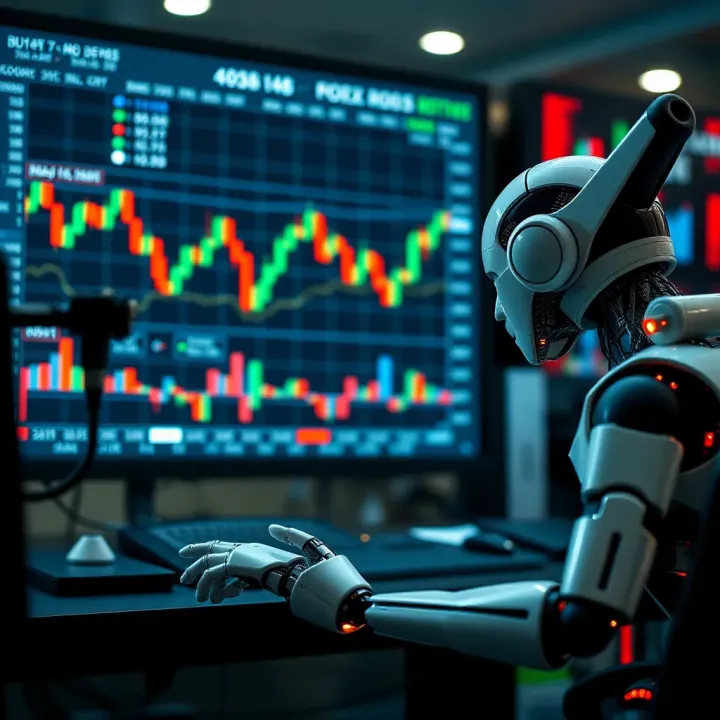
Understanding Forex Trading Robots for South African Traders
🤖 Explore how forex trading robots operate, their pros and cons, plus key tips South African traders need to trade smarter while managing risks in volatile markets.
Edited By
Emily Hawthorne
Forex robots are automated software programs that trade currency pairs on your behalf in the foreign exchange market. They rely on pre-set algorithms to analyse market data, identify trading opportunities, execute buy or sell orders, and manage risks without requiring constant human input. These robots are popular among traders looking to automate strategies, minimise emotional decisions, and operate 24/7 in the global forex market.
Unlike manual trading, where you study charts and make decisions, a forex robot works based on rules programmed into its system. For instance, a simple moving average crossover robot might buy a currency pair when a short-term average crosses above a long-term average and sell when the opposite happens. More advanced robots can factor in multiple technical indicators, price action, and volatility levels.
Keep in mind: a forex robot is only as good as the strategy it follows and the market conditions it encounters. It’s not a magic bullet.
Time-saving: Automates repetitive analysis and order placements.
Emotion-free trading: Removes fear and greed from decisions.
Speed: Executes trades instantly based on signals.
Backtesting: Allows testing strategies against historical data.
Strategy Transparency: Know the logic behind the robot’s trades.
Market Compatibility: Check if it suits the currency pairs and conditions you trade.
Backtested and Live Performance: Don’t trust only past performance; test live with small sums.
Risk Management Features: Ensure it includes stop-losses and take-profit settings.
Cost and Support: Look for transparent pricing and reliable customer service.
Many South African traders find forex robots appealing because they blend local market access with automation, even while juggling day jobs or other commitments. However, the local trading environment — including data costs and connectivity — can affect robot performance. Testing on demo accounts before real capital is a must.
In the following sections, we’ll explore common types of forex robots, how to evaluate their effectiveness, and practical tips tailored for South African users to use these tools wisely and not waste their hard-earned rands on unproven promises.
Understanding how forex robots work in the market is essential for anyone considering automated trading. These robots automate decisions usually made by a trader, which can offer efficiency and consistency. However, knowing the mechanics behind them helps you set realistic expectations and avoid surprises. For instance, a robot that employs a specific strategy might perform very differently in volatile market conditions common in South Africa during major news releases.
Programmed trading strategies form the backbone of how forex robots operate. These strategies are coded instructions that tell the robot when to enter or exit trades based on price movements, technical indicators, or other market data. For example, a strategy might instruct the robot to buy the EUR/USD pair when the 50-day moving average crosses above the 200-day moving average, signalling a potential uptrend. This approach allows the robot to follow rules without the distractions or emotional biases that human traders often face.
More than just following rules, robots can execute these programmed strategies tirelessly, 24/7, without breaks or fatigue. This continuous operation is particularly useful in the forex market's nearly round-the-clock nature, where opportunities can emerge outside normal business hours. For example, while many South African traders rest overnight, a robot can monitor and act on sudden price moves triggered by economic events in Europe or the US.
Execution of trades without human intervention means the robot performs all trading actions independently after settings are configured. This feature eliminates delays associated with manual order placement. Say the robot spots a quick drop in USD/ZAR due to a surprise interest rate announcement by the South African Reserve Bank; it can instantly launch trades to profit or cut losses without needing you to click anything. This speed can be a real edge in fast-moving markets.
The downside is that automated execution leaves little room for discretionary judgement. If the market behaviour suddenly shifts beyond the programmed strategy's scope, the robot might keep trading inappropriately unless you intervene or have built-in safeguards.
Trading platforms compatibility, such as MetaTrader, is a key practical consideration. Most forex robots operate as Expert Advisors (EAs) on platforms like MetaTrader 4 or 5, which are widely used globally and in South Africa. Choosing a robot means confirming it matches your trading platform and broker. MetaTrader’s user-friendly interface allows for easy installation and monitoring of robots, but compatibility with your broker’s systems is crucial to avoid execution issues.
Some brokers offer proprietary platforms that might not support external robots, restricting your options. For South African traders, popular brokers like IG or HotForex usually support MetaTrader, but it’s best to check first.
Internet connection and computer specs also matter since robots rely on constant data flow and timely execution. A stable, fast internet connection reduces the risk of delayed orders or disconnections, which could lead to missed trades or losses. For instance, trading from a rural area with patchy connectivity might require an alternative like running the robot on a Virtual Private Server (VPS).
Moreover, while most robots don’t demand heavy computer power, running them on low-spec laptops alongside other intensive applications could slow performance. Using a dedicated machine or VPS ensures the robot operates smoothly even when you’re not actively monitoring it.
Automated forex trading can save time and improve reaction speed, but it demands both technical readiness and strategic understanding to succeed.
Understanding these operational foundations equips you to make informed choices about forex robots, aligning tools with your trading goals and environment.
Forex robots come in various types, each designed around a specific trading strategy. Understanding these styles helps traders pick the right robot for their goals and market outlook. In practice, aligning your trading style with the robot’s strategy makes a marked difference in performance and risk exposure.
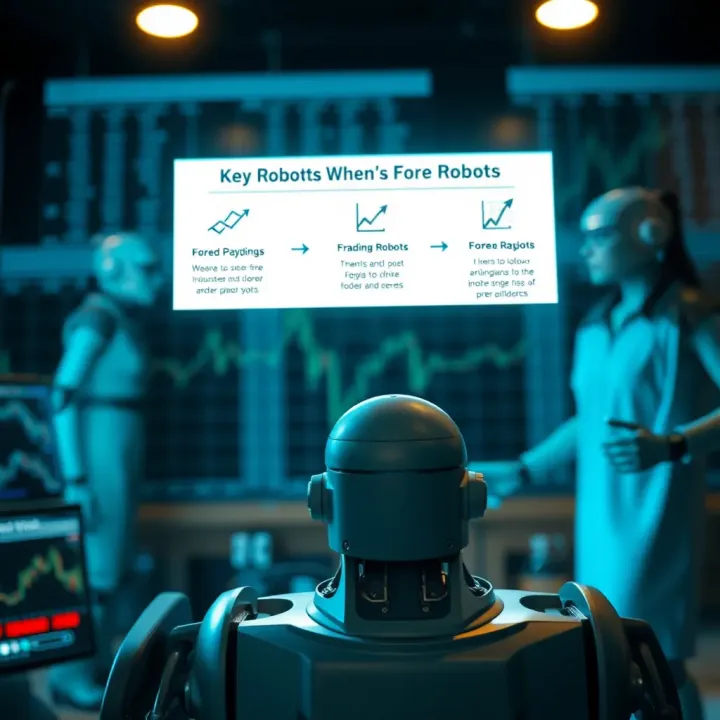
Trend-following robots aim to catch momentum by buying when a currency pair’s price is rising and selling when it’s falling. These bots rely on indicators like moving averages or the Average Directional Index (ADX) to pinpoint sustained trends. In practical terms, they excel in stable markets where prices move steadily in one direction, such as during a strong uptrend in the USD/ZAR.
The main advantage of trend-following robots lies in their ability to capitalise on big moves, often capturing profits over days or weeks. This reduces the noise from small fluctuations, making trading less stressful. However, their weakness emerges during sideways or choppy markets, where false signals can cause repeated losses. Importantly, patience is needed since trend-following strategies may take time to show gains.
Scalping robots make quick trades, sometimes holding positions for seconds to minutes, aiming to profit from slight price changes. This approach demands a broker with low spreads and minimal slippage to ensure profitability. For example, a scalping bot might open multiple trades on the EUR/USD during peak liquidity in London or New York sessions.
Because scalping requires vastly more trades per day, the robot needs lightning-fast execution and reliable internet to avoid delays that could wipe out gains. Traders should also consider the broker’s policy since some disallow scalping. While scalping can rack up small profits rapidly, it often leads to high transaction costs that can eat into net returns if not closely managed.
Mean reversion robots assume prices rarely stray too far from their average values and will eventually reverse. By analysing overbought or oversold conditions using tools like the Relative Strength Index (RSI), these bots initiate trades anticipating reversals. For instance, a robot might short the GBP/USD after recognizing a spike in price beyond typical bounds.
The flaw in mean reversion lies in unexpected market events that cause extended trends rather than reversals, often leading to losses. This is especially risky during news releases or periods of heightened volatility. Traders should monitor risk management settings meticulously and avoid activating these bots during major announcements to prevent being caught on the wrong side of a strong trend.
Choosing the right forex robot means understanding its strategy, how it fits your trading style, and where it performs best. Each type carries trade-offs that impact how you manage risk and set expectations.
Automated trading via forex robots offers clear advantages, especially for retail traders seeking to navigate the currency markets without constant manual intervention. However, these digital tools aren't without their flaws. Weighing up the benefits and potential drawbacks helps traders make informed decisions and manage expectations effectively.
One of the biggest appeals of forex robots is their ability to handle the heavy lifting of market analysis. Instead of spending hours poring over charts, indicators, and news feeds, traders can rely on a robot to scan multiple currency pairs simultaneously. For instance, a trader using MetaTrader with an expert advisor (EA) can set it to monitor EUR/USD and USD/ZAR without needing to check these manually throughout the day. This time-saving aspect is especially valuable for those juggling a day job or other commitments, freeing them to focus on strategy or other tasks.
Forex robots excel at implementing trading plans with precision. They stick to predefined rules without wavering, ensuring trades happen exactly when conditions match the strategy. This consistency can be hard for humans to match, who often miss ideal entry or exit points due to distractions or fatigue. For example, a robot set to execute trades based on moving average crossovers will place trades immediately when signals appear, something a human trader might delay or second-guess.
Emotions like fear and greed often trip up traders, leading to impulsive decisions or missed opportunities. Robots operate purely on code; they do not get spooked by sudden market swings or get overconfident after a big win. This cold, calculated approach can help avoid common pitfalls such as holding losing positions too long or chasing losses. While it doesn't guarantee profit, the lack of emotional interference often results in steadier performance.
Forex markets can suddenly change due to political events, economic data releases, or unexpected shocks. During these volatile periods, robots designed with static parameters may struggle. For example, an EA optimised for calm market conditions might trigger a series of losing trades when a major central bank announces an interest rate change. It's crucial to be aware that robots can't adapt dynamically without regular updates or human oversight.
Relying solely on a robot's signals can be risky. Automated systems lack broader context and common sense, which a cautious trader would normally apply. For instance, a robot might continue trading into weekend gaps or ignore news-related spikes, exacerbating losses. Traders who assume a forex robot is a set-and-forget solution often find themselves unprepared when markets behave unusually.
Technical issues can arise, including bugs in the robot's code, internet disconnections, or platform crashes. In South Africa, where power outages due to loadshedding occur, such disruptions can cause missed trades or unintended exposures. Imagine having a robot set to close positions at a certain stop loss, but a glitch prevents execution due to connectivity loss. These realities underscore the need for reliable backup plans and regular monitoring.
Using a forex robot isn't a magic bullet. Understanding both its strengths and vulnerabilities helps you gain control over your trading journey rather than handing it over entirely to machines.
Ultimately, forex robots can save traders time and reduce emotional mistakes but carry risks linked to market swings, overdependence, and technical hiccups — realities that every trader needs to plan for carefully.
Choosing the right forex robot is not a matter of chance but of careful evaluation and rigorous testing. This step is essential to ensure the robot performs as expected and fits your trading style and risk tolerance. Poorly tested robots can lead to empty promises, resulting in financial loss and frustration.
Backtesting lets you assess how a forex robot would have performed in the past, using historical price data. One of the key factors for meaningful backtesting is using realistic data sets. If the data excludes important market events or doesn't reflect typical conditions, the results can mislead. For example, a robot might show excellent profit during calm markets but falter during volatile periods due to missing extreme price swings in the dataset.
However, backtesting comes with notable limitations. Past performance doesn't guarantee future results because market dynamics shift, especially with economic changes or geopolitical developments. Even a robot that excels in historical tests might struggle when unexpected events like news releases or sudden interest rate adjustments hit. This is why relying solely on backtesting can give a false sense of security.
A demo account offers a risk-free environment where you can try a forex robot in real-time conditions without risking actual money. This hands-on testing allows you to see how the robot interacts with live market data, placing trades with virtual funds. For instance, if a robot opens positions too aggressively or fails to adapt during market hours, you can spot those behaviours early.
Monitoring performance in real-time is crucial to understanding a robot's practical strengths and flaws. Even if a robot showed strong backtesting results, demo trials reveal whether it handles delays, slippage, or broker execution quirks effectively. Pay attention to how the robot manages losing streaks and whether it respects your risk limits. This live feedback helps you tweak settings or decide if the robot suits local market conditions and your trading goals.
Careful evaluation through backtesting and demo trials prevents costly surprises and builds confidence in your chosen forex robot.
Testing is an ongoing process — what works today might need adjustment tomorrow. By combining historical insights with live testing, you get a fuller picture of a forex robot’s reliability before committing real funds.
South African traders face unique challenges and opportunities when using forex robots. Local regulations, tax rules, broker choices, and risk management all shape your potential success. Understanding these elements helps you avoid pitfalls and tailor your robot trading strategy to Mzansi’s market realities.
South Africa's forex trading is governed by the Financial Sector Conduct Authority (FSCA), which ensures brokers and traders comply with national financial laws. Using a forex robot doesn't exempt you from these rules; you must trade through licensed brokers and respect exchange control regulations set by the South African Reserve Bank. Ignoring these can lead to frozen accounts or penalties.
On top of that, SARS (South African Revenue Service) expects you to declare profits from forex trading as part of your taxable income. Many new traders miss that forex profits are generally treated as either capital gains or business income, depending on how often and professionally you trade. For instance, if trading forms a continuous income source, SARS might tax it as ordinary income, impacting your tax bracket. Keeping clear records of your trades, including robot-generated ones, will simplify your tax submissions and keep SARS happy.
Picking the right broker is a huge step. Look out for those regulated by the FSCA with strong, transparent reputations. Some overseas brokers might promise low spreads and fast execution, but if they're not licensed locally, your funds could be at risk should issues arise. A trusted broker offers deposit protection and operates under South African rules, which is vital for your peace of mind.
Besides licensing, your broker must support the trading platforms compatible with your forex robot, usually MetaTrader 4 or 5. Access to stable, fast execution platforms makes a big difference. For example, a slow or unreliable connection can cause your robot to miss trade signals or enter trades late, costing you money. Always test the broker’s platform yourself before committing.
Forex robots aren't magic – setting realistic expectations helps you avoid disappointment and reckless behaviour. Robots can cut losses and take profits automatically, but they respond only to coded strategies. Understand that market surprises or high volatility, common during economic releases or geopolitical tensions, can lead to unexpected losses. Never expect a robot to win every trade or replace solid trading knowledge.
Using proper risk management tools is essential. Good forex robots include stop-loss orders and limit open positions to protect your capital. Also, consider diversifying your strategies or currency pairs to reduce exposure. For example, don’t put all your money on a robot designed for EUR/USD if you don't understand the pair’s behaviour. Combining sensible money management with it keeps your risk manageable and your trading less stressful.
Trading with forex robots in South Africa demands extra care around compliance, broker choice, and risk control. Following these guidelines will strengthen your chances and keep you well within local frameworks.
🤖 Explore how forex trading robots operate, their pros and cons, plus key tips South African traders need to trade smarter while managing risks in volatile markets.

💰 Learn how competitions for cash prizes work in South Africa, types available, legal rules, tips to boost your chances, and how to spot scams before entering.
🤖 Discover how forex trading robots work, their pros and cons, key features, and tips for South African traders to pick and use automated systems wisely.
💻 Find the ideal laptop for forex trading that offers smooth platform performance, reliable data security, and balances power with affordability—tailored for South African traders.
Based on 12 reviews