

EUR/USD Forecast: Key Insights for Traders
📊 Stay ahead with our EUR/USD forecast offering sharp insights on economic trends, central bank moves, geopolitical risks, and technical analysis for savvy traders.
Edited By
Charlotte Hamilton
The EUR/USD exchange rate remains among the most closely watched currency pairs worldwide, reflecting the economic ties between the eurozone and the United States. For traders and investors, understanding what drives this pair is key for spotting potential shifts and making smart calls. Unlike more niche pairs, EUR/USD reacts sharply to a mix of economic data, monetary policies, and geopolitical events.
At its core, this exchange rate hinges on the relative strength of the eurozone and US economies. Key indicators such as GDP growth, inflation rates, unemployment figures, and manufacturing output influence traders’ expectations. For example, if the US reports stronger-than-expected job creation and wage growth, this tends to boost the dollar, putting downward pressure on the EUR/USD pair.

Central banks play a pivotal role too. The European Central Bank (ECB) and the Federal Reserve’s policy decisions — interest rate hikes, quantitative easing, or dovish comments — have immediate impacts. When the Fed hints at tightening monetary policy or raising rates, the dollar often gains against the euro. Conversely, a more hawkish ECB stance can support the euro’s strength.
Geopolitical events inject additional volatility. Trade tensions, political elections, or unexpected crises in either region tend to rattle markets. Consider the eurozone’s struggles with debt issues in countries like Italy or Greece; such events can drag the euro lower even when economic data looks steady.
Beyond fundamentals, technical analysis also helps traders decode short-term moves. Chart patterns, moving averages, and support/resistance levels provide clues about potential reversals or breakouts. For instance, a sustained break below a key support level near 1.05 might signal further weakness in EUR/USD.
Understanding these drivers isn’t only about reacting to news but anticipating markets’ mood swings — vital for tailoring trading strategies or hedging decisions.
In sum, the EUR/USD exchange rate fluctuates due to a blend of economic performance, central bank signals, geopolitical shifts, and trader psychology. Monitoring this mix closely equips you to navigate the pair’s twists, avoiding surprises and seizing opportunities when they arise.
The EUR/USD exchange rate represents the value of one euro expressed in US dollars. It's the most actively traded currency pair in the world, reflecting the economic relationship between the Eurozone and the United States. Understanding its movements is essential for traders, investors, and analysts because it impacts global markets, international trade, and investment decisions.
The EUR/USD pair acts as a benchmark for global currency valuation due to the size and influence of the economies involved. The Eurozone, with its 19 countries sharing the euro, collectively forms a massive economic bloc. Meanwhile, the US dollar remains the dominant global reserve currency and the primary vehicle for international trade and finance.
Fluctuations in the EUR/USD rate can send ripples across emerging markets, commodity prices, and cross-border capital flows, making it a key indicator for global macroeconomic health.
For example, South African exporters to the Eurozone might monitor this rate closely, as a stronger euro against the dollar can boost eurozone demand but may alter the rand’s competitive positioning. Similarly, multinational corporations often hedge currency risk based on anticipated EUR/USD movements to protect profit margins.
In recent months, the EUR/USD rate has shown notable swings, influenced by varying monetary policies, shifts in economic data, and geopolitical tensions. The European Central Bank’s cautious approach to rate hikes contrasted with more aggressive moves by the Federal Reserve, leading to periods where the dollar strengthened against the euro.
Volatility often spikes during events such as US inflation reports, ECB announcements, or major political developments in Europe. For instance, the ongoing energy price uncertainties in Europe have added layers of complexity, causing the euro to fluctuate sharply in some trading sessions.
Traders should watch daily price ranges and use risk management tools since sudden moves can trigger stop-loss orders, especially in times of geopolitical uncertainty. Market sentiment indicators and volume trends provide useful clues about the durability of recent price moves.
Overall, having a solid grasp of the EUR/USD pair’s historical context and current behaviour is crucial for making informed trading and investment decisions. Knowing why it moves and when it’s prone to volatility helps market participants respond appropriately rather than react impulsively.
Economic data plays a big part in moving the EUR/USD pair. Traders watch the Eurozone's and US's economic health to gauge currency strength. Changes in growth, inflation, jobs, trade, and fiscal management can shift investor confidence, impacting the exchange rate.
GDP growth and inflation are key signals of the Eurozone's economic direction. Steady GDP growth usually means more investment and a stronger euro, while high inflation often pressures the European Central Bank (ECB) to tighten monetary policy. For instance, if Germany reports better-than-expected GDP for a quarter, it can lift the euro, signalling economic resilience despite global uncertainty.
Unemployment rates and labour market data give a snapshot of how healthy job markets are across Europe. Lower unemployment rates typically indicate stronger consumer spending power and justifiable optimism about the economy. For example, a drop in Spain’s unemployment rate can boost the euro as traders foresee higher consumption and economic stability.

Trade balances and current account figures reflect the flow of goods, services, and capital. A positive trade balance shows demand for European exports, strengthening the euro, whereas a deficit might weaken it. If France’s export sector posts solid gains against imports, it suggests the euro could hold firm or even appreciate against the dollar.
Federal Reserve data and inflation reports heavily influence the USD’s strength. Elevated inflation often leads the Fed to hike interest rates, making the dollar more appealing to yield-seeking investors. Conversely, softer inflation can reduce expectations of rate rises, putting downward pressure on the currency. The recent US CPI release showed stubborn core inflation, supporting the dollar’s firm stance.
Employment figures and consumer spending signal economic momentum stateside. Rising employment and solid consumer spending encourage buying dollars, implying robust growth prospects. For example, the US jobs report revealing non-farm payroll gains often triggers USD strength due to anticipated consumer demand and spending lifting economic output.
Fiscal policy and budget considerations shape long-term confidence in the dollar. Large budget deficits or escalating national debt can weigh on the USD if markets worry about fiscal sustainability. Conversely, effective budget management reassures investors. The ongoing debates in Washington over budget caps and spending levels keep traders alert, as outcomes may affect risk appetite for US assets.
Economic indicators from both sides underline the tug-of-war in EUR/USD movements, where every figure released nudges the pair based on prospects for growth, inflation, and policy shifts.
Understanding these economic factors helps traders position themselves in a pair deeply linked to two of the world’s largest economies, where data-driven moves are often swift and reflective of underlying fundamentals.
Central bank policies have a direct and often immediate impact on the EUR/USD exchange rate. Traders and investors closely watch decisions and signals from the European Central Bank (ECB) and the Federal Reserve (Fed), as these institutions shape expectations around the euro and US dollar values. Their monetary policies influence interest rates, liquidity, and overall economic confidence, all of which determine currency strength.
Interest rate decisions are among the most visible tools the ECB uses to influence the eurozone economy. When the ECB raises interest rates, borrowing costs increase, potentially slowing spending but attracting capital inflows to euro-denominated assets — which tends to strengthen the euro against the US dollar. Conversely, cutting rates usually weakens the euro by making cheaper borrowing and encouraging spending but reducing returns for investors. For instance, the ECB's rate hikes in 2022 signalled efforts to rein in inflation, lifting the euro temporarily before growth concerns cooled sentiment.
Quantitative easing (QE) measures involve the ECB purchasing government bonds or other securities to inject money into the economy. This process expands the money supply and lowers longer-term interest rates. QE typically puts downward pressure on the euro, since increased liquidity aims to stimulate economic activity and inflation, but can also reduce the currency's appeal to investors hunting yield. Back in 2020 and 2021, the ECB's expanded QE programme helped support markets during the pandemic but contributed to euro weakness relative to the dollar.
Forward guidance and policy outlook provide clues about the ECB's future moves, shaping market expectations ahead of formal decisions. Clear, transparent messaging can reduce volatility by setting a predictable path for monetary policy. For example, if the ECB signals a long pause on interest rate changes, traders may adjust positions accordingly, which influences the EUR/USD rate. On the other hand, vague or conflicting statements can spark uncertainty and sharp swings in the currency pair.
Interest rate changes by the Fed are pivotal for the US dollar's strength. When the Fed hikes rates, it typically boosts the dollar because higher yields attract foreign capital and signify confidence in US economic growth. Slowing or cutting rates can weaken the dollar as investors seek better returns elsewhere. The Fed's rapid rate increases in late 2022 pushed the USD higher against many currencies, including the euro.
Balance sheet adjustments refer to the Fed's buying or selling of securities to either add or remove liquidity from the market. Quantitative tightening, where the Fed reduces its holdings, drains liquidity and can support the dollar by signalling confidence in the economy. Conversely, expanding the balance sheet through asset purchases tends to weaken the currency. Such moves are watched closely, as they affect longer-term funding costs and market sentiment.
Communication and market expectations play a crucial role in how the currency market reacts to Fed actions. The Fed's statements, press conferences, and meeting minutes often guide trader behaviour even more than the actual policy changes. Clear communication about future interest rate paths or economic risks helps markets adjust smoothly. Missteps or unexpected signals, however, can cause sharp reactions in the EUR/USD pair, as seen when the Fed surprised markets with faster tightening or dovish tones.
Monitoring central bank activity remains essential for anyone trading the EUR/USD pair, as shifts in policy stance ripple through exchange rates swiftly. Understanding these tools and their implications can help you anticipate likely moves and manage risks effectively.
Understanding geopolitical and external factors is essential when tracking the EUR/USD exchange rate. These influences often cause sudden shifts in currency values due to their impact on economic confidence, trade relations, and market sentiment. Traders and investors need to monitor political events, policy changes, and global disruptions to anticipate potential volatility and adjust their strategies accordingly.
Political shifts significantly affect the EUR/USD rate because uncertainty around elections or unstable governments can shake investor confidence. For example, the French presidential elections often spark fluctuations as markets weigh potential policy changes. Similarly, the US midterm elections can influence confidence in fiscal policies and the strength of the dollar. Stable governments tend to support steadier currencies, while political turmoil or populist shifts might create risk-off sentiment, weakening one or both currencies.
Market participants watch these events closely, as their outcomes can signal changes in economic direction or regulatory environments. The German federal government’s stability also matters, given Germany's outsized influence on the Eurozone economy. Instability there could compel investors to seek shelter in the dollar, pushing the EUR/USD rate lower.
Trade relations between the US and the Eurozone directly impact the EUR/USD pair. For instance, ongoing tariff disputes or negotiations on trade agreements affect both nations' export-import dynamics and investor optimism. When the US imposes tariffs on European goods, it can weaken the euro by slowing trade growth and increasing inflation pressures.
Conversely, positive developments in trade talks can boost the euro by signalling smoother economic cooperation ahead. In recent years, negotiations around tariffs on steel, aluminium, and autos created waves in currency markets. Traders responding to such moves pay close attention to trade policies because tariffs can harm growth prospects and shift capital flows.
Energy costs weigh heavily on the EUR/USD rate, as Europe relies more on imported energy compared to the US, which produces much of its own. A spike in oil or natural gas prices tends to strain the euro by increasing inflation and trade deficits in the Eurozone. For example, the 2022 energy crisis caused by reduced Russian gas supply hit European economies harder, pushing the euro down versus the dollar.
Supply interruptions—from geopolitical tensions or natural disasters—can also create sudden currency swings. South African traders should note that while energy price shocks affect both currencies, the euro's sensitivity often proves greater due to the continent’s higher import dependence.
Conflicts and sanctions disrupt currency markets by creating uncertainty and altering trade patterns. The imposition of sanctions on Russia, for instance, affected European energy supplies and raised questions about regional security, causing the euro to weaken against the dollar.
Similarly, US sanctions on other countries can influence global capital flows, benefiting or pressuring the dollar based on perceived safety. Investors tend to flock to USD during times of conflict as a safe haven, often at the euro’s expense. Monitoring these geopolitical tensions helps traders anticipate volatile moves in the EUR/USD pair and manage risk appropriately.
In volatile times, keeping an eye on political headlines and global events can provide valuable timing cues for trading the EUR/USD exchange rate.
Overall, geopolitical and external factors arise suddenly but have lasting impacts. For traders and investors focused on EUR/USD, staying informed about elections, trade policies, energy markets, and conflicts is key to navigating the currency pair’s fluctuations with confidence.
Technical analysis and market sentiment are essential tools when forecasting the EUR/USD exchange rate. While economic data and central bank decisions provide the fundamental backdrop, traders often rely on price charts and indicators to time entries and exits. Technical analysis reveals patterns and key price levels that market participants watch closely. Meanwhile, market sentiment offers insight into how traders collectively think and behave, which can shape short-term currency moves even against fundamentals.
Support and resistance levels act like invisible walls for the EUR/USD price. Support is where buying demand tends to step in, preventing the rate from falling further. Resistance, on the other hand, is where selling pressure usually emerges to cap gains. Identifying these key levels helps traders understand where the market might pull back or push through. For example, the 1.0500 level has historically served as a strong support zone for EUR/USD during bearish phases, while the 1.1000 area has acted as a significant ceiling in recent months. Being aware of these critical points allows you to set better stop-loss or take-profit orders.
Moving averages smooth out price fluctuations to highlight trends over time. The 50-day and 200-day moving averages are favourites among EUR/USD traders. If the 50-day crosses above the 200-day—a so-called golden cross—it signals a potential bullish trend. Conversely, a death cross (50-day moving below the 200-day) hints at bearish momentum. These indicators are particularly handy when confirming trend direction or spotting reversals without getting distracted by daily noise.
Relative Strength Index (RSI) measures the speed and change of price movements to show overbought or oversold conditions. RSI values above 70 indicate the pair might be overbought, suggesting a pullback could be near. Values below 30 suggest oversold conditions and a possible bounce. For instance, if EUR/USD hits an RSI of 75 near a resistance level, traders might anticipate a short-term correction. RSI shines as a momentum indicator that adds nuance to price action.
MACD (Moving Average Convergence Divergence) and Trend Lines are valuable for spotting momentum shifts and verifying trend strength. MACD uses moving averages to generate buy or sell signals when the MACD line crosses the signal line. Trend lines drawn along price highs or lows help identify breakout points or trend continuation. When MACD bullish crossover aligns with a price bounce off an upward trend line, chances of a sustained uptrend grow stronger. These tools work well together to refine trading decisions.
Market sentiment reflects the collective mood among traders, investors, and speculators regarding the EUR/USD outlook. Positive sentiment often drives momentum buying, while fear or uncertainty prompts selling pressures. Sentiment can shift rapidly due to news headlines, political developments, or unexpected economic data. For example, when unexpected US inflation data underwhelms, speculative positioning might shift sharply toward the euro.
Market sentiment adds a layer of psychology to the market—understanding it helps anticipate sharp moves that purely technical or fundamental analysis might miss.
Sentiment indicators, such as positioning reports or volatility indexes, provide clues about overcrowded trades or potential reversals. Keeping an eye on how market mood evolves helps traders stay alert for turning points and avoid chasing trends blindly.
In summary, combining technical analysis with market sentiment creates a practical toolkit for navigating the often turbulent EUR/USD market. Recognising support/resistance, interpreting technical indicators, and reading sentiment can vastly improve a trader's timing and risk management.
📊 Stay ahead with our EUR/USD forecast offering sharp insights on economic trends, central bank moves, geopolitical risks, and technical analysis for savvy traders.
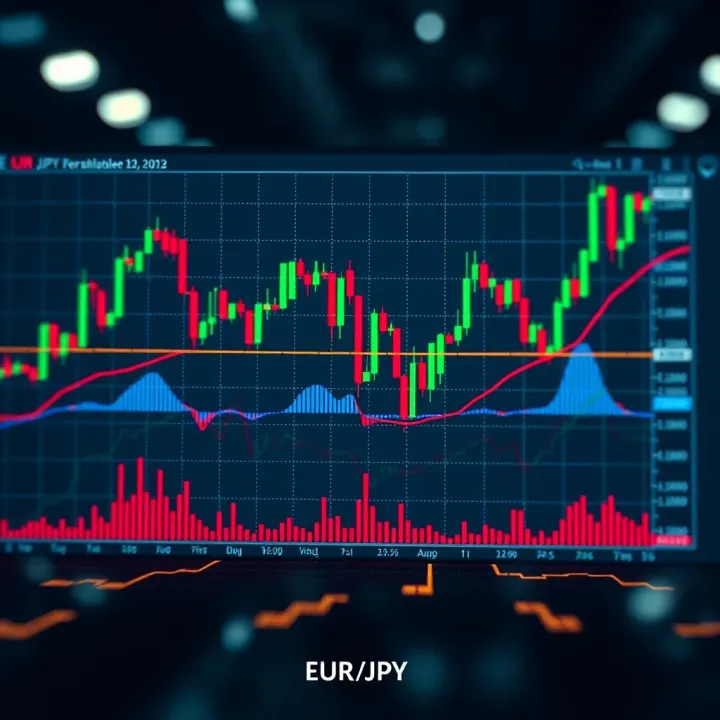
📈 Get a practical forecast for EUR/JPY with key economic signals, chart moves, and geopolitics. Ideal for South African traders looking to navigate currency shifts.
📉 Stay updated on Rand to Rupee exchange trends, economic shifts, and how South African businesses and travelers can adjust in a changing market. 💱

📉 Explore how economic trends, global events, and market shifts affect the Rand-Dollar exchange rate. Get clear forecasts and expert insights ahead.
Based on 10 reviews