

Rand to Dollar Exchange Rate: Key Trends & Insights
📉 Explore how economic trends, global events, and market shifts affect the Rand-Dollar exchange rate. Get clear forecasts and expert insights ahead.
Edited By
Amelia Clarke
Exchange rates between the US dollar and South African rand shift constantly, shaped by a mix of local and global factors. For traders and investors looking at tomorrow's rand-dollar rate, understanding these influences is key to making sound decisions.
The rand often reacts to the news from Eskom's loadshedding schedules, local inflation data, and South Africa's GDP growth reports. For example, if the Reserve Bank announces a hike in the repo rate, the rand could strengthen as investors seek higher returns on South African assets. On the flip side, extended loadshedding or disappointing manufacturing numbers might pressure the rand lower.
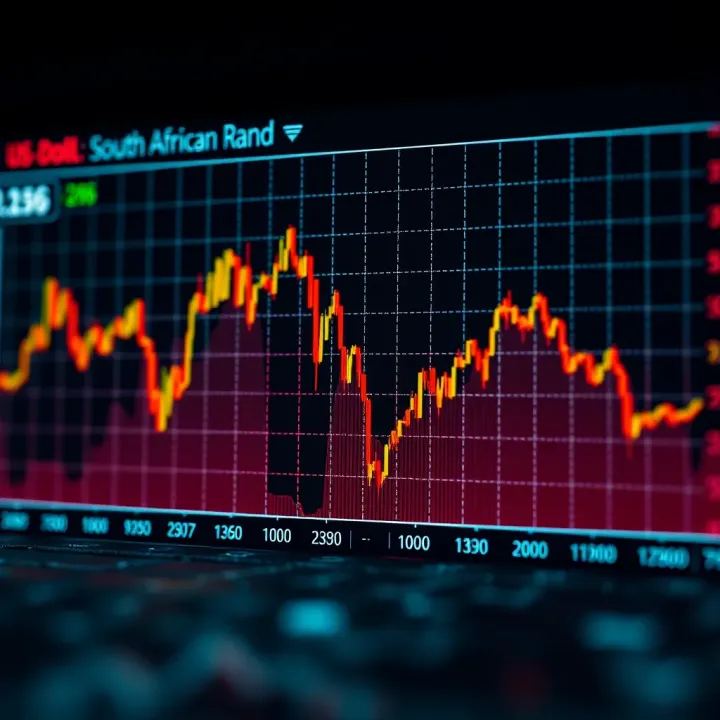
Global trends play no small role. The US dollar's strength depends on economic indicators from the US, like employment numbers and Federal Reserve policy. If the Fed signals rate hikes, the dollar generally strengthens, putting pressure on emerging market currencies such as the rand. Similarly, commodity price shifts—especially for gold and platinum, big exports for South Africa—can sway the rand. Rising commodity prices usually support the rand, while drops weigh it down.
Monitoring these factors helps traders prepare for volatility and spot potential entry or exit points in the forex market.
Some practical tips for market participants:
Track real-time updates on key economic releases from both South Africa and the US.
Keep an eye on commodity markets, especially metals.
Watch local news for any developments in energy supply or fiscal policy.
Being ahead of these moves means you can better manage risk and capitalise on short-term swings in the rand-dollar exchange. Understanding how these elements come together gives you a clearer picture of what to expect tomorrow—and beyond.
Understanding the current state of the US Dollar to Rand (USD/ZAR) exchange rate sets the scene for predicting tomorrow's movements. This exchange rate mirrors how many South African rand one can get for a US dollar, influencing imports, exports, investments, and overall market sentiment. For traders and investors, knowing where the rate stands today helps gauge momentum and potential shifts.
Last week saw some fluctuation in the USD/ZAR rate, largely hovering between R18.50 and R19.00 per dollar. Early in the week, the rand strengthened slightly after positive commodity price reports, particularly gold and platinum, which are key to South Africa’s export earnings. But towards the end, the dollar gained ground as global risk appetite softened amid concerns about US economic data.
Tracking these short-term swings informs market participants about volatility levels and bullish or bearish tendencies. For example, businesses that depend on importing goods priced in US dollars might have delayed payments to avoid the higher rates seen later in the week.
The rand's movements reflected more than just commodity prices; local factors like news about Eskom’s loadshedding schedule also weighed heavily on investor sentiment. Extended power cuts tend to spook foreign investors, causing rand weakness. At the same time, global events such as the Federal Reserve’s inflation comments shaped demand for the dollar, impacting emerging market currencies.
Just last week, a softer tone from the US Fed reduced the dollar’s appeal towards the week’s end, giving the rand a bit of breathing room. For market watchers, it’s clear that both domestic energy woes and international policy signals pull the rand in opposite directions.
Exchange rates respond quickly to global economic reports, such as US employment numbers or China’s manufacturing data. Strong US job growth tends to boost the dollar as it signals a tighter monetary policy ahead. Conversely, weak data can push it down. With South Africa being an emerging market, the rand usually moves in step with shifts in global risk sentiment influenced by such news.
Today's rate will likely reflect the latest US retail sales report and any fresh signals from global central banks. For instance, if the US hints at keeping interest rates unchanged, the rand might gain strength.
Locally, data releases like inflation figures, retail sales, or trade balances directly impact the rand. If inflation climbs faster than the South African Reserve Bank (SARB) anticipates, it could spark expectations of a rate hike, typically strengthening the rand. But disappointing trade data, such as a widening deficit, can do the opposite.
Market participants keep a close eye on these numbers to adjust their positions. For example, a better-than-expected trade surplus might encourage rand buying ahead of tomorrow's open.

Beyond numbers, the mood in financial markets plays a big role. If investors feel confident (high risk appetite), they tend to favour the rand and other emerging currencies. But jitters about geopolitical tensions, local political developments, or looming loadshedding stages weigh heavily, making the rand more vulnerable.
For anyone involved with USD/ZAR, recognising these sentiment shifts is key. A seemingly small political statement or an unexpected Eskom announcement can cause rapid rand swings, impacting trade, investments, and even daily business operations.
In summary, today's USD/ZAR rate forms a snapshot shaped by a blend of last week's trends, fresh economic data, and the broader mood of markets both local and international. Keeping these factors in sight helps traders and investors anticipate tomorrow’s moves with greater confidence.
Understanding the key economic indicators that influence the US dollar to rand exchange rate tomorrow helps traders and investors anticipate likely movements. These indicators shed light on the health of South Africa's economy and global factors that directly impact currency values. Monitoring them can guide smarter decisions around buying, selling or hedging.
Inflation and interest rate expectations play a significant role in exchange rate fluctuations. When inflation rises beyond target levels, the South African Reserve Bank (SARB) often considers interest rate hikes to counteract inflationary pressures. Higher interest rates tend to attract foreign capital seeking better yields, which can strengthen the rand. Conversely, if inflation remains subdued, the SARB might delay rate increases, weakening the currency in the short term. For instance, if tomorrow brings announcements or market speculation about SARB’s stance on rates amid current inflation figures, the rand could react sharply.
The trade balance and commodity prices directly affect rand demand. South Africa is a major exporter of minerals like platinum, gold, and coal; fluctuations in their global prices influence export earnings and, by extension, the rand's strength. A trade surplus typically supports the rand, while a deficit puts it under pressure. If tomorrow's data releases show improved commodity prices or widened trade surpluses, expect upward rand pressure. However, declining commodity prices or a widening deficit may drive the currency down.
Political stability and fiscal policy updates remain pivotal. Investor confidence sways with perceptions of governance effectiveness, corruption risks, and budget discipline. Recent policy announcements or uncertainty around government spending and borrowing can lead to rand volatility. If tomorrow’s news hints at firmer fiscal control or political calm, the rand usually benefits. On the flip side, negative headlines about budget slippages or political tensions may cause investors to retreat.
The US Federal Reserve policy signals carry immense weight in determining the USD/ZAR rate. If the Fed hints at raising rates or tapering asset purchases, the dollar tends to strengthen, putting downward pressure on the rand. Conversely, dovish signals may weaken the dollar, easing pressure on emerging market currencies like the rand. Since these signals affect global capital flows, any remarks or data from the Fed expected tomorrow will be crucial for traders.
Global risk appetite and emerging market trends influence capital movement between low-risk and higher-yield investments. A nervous mood among investors—perhaps due to geopolitical tensions or economic uncertainty—can trigger a flight to safety, boosting the dollar while weakening emerging market currencies like the rand. Conversely, when markets take a positive view on risk, capital flows back into emerging markets, supporting the rand. Keep an eye on global news and emerging market indices tomorrow as signals of shifting risk appetite.
Oil prices and their impact might seem peripheral but matter nonetheless. South Africa imports a good portion of its petrol and diesel, so rising oil prices increase import costs, potentially weakening the rand. Conversely, falling oil prices reduce import bills and can support the rand, while also indirectly influencing global market sentiment. If tomorrow’s oil price movements are significant, expect a corresponding reaction on the USD/ZAR, especially if combined with other factors.
Keeping track of these indicators offers a practical edge in predicting the rand's trajectory tomorrow. By blending local economic conditions with global signals, traders can navigate volatility with better clarity and confidence.
Understanding analysts’ forecasts offers valuable insight into the likely movement of the US dollar to rand exchange rate tomorrow. These views are based on a mix of economic data, market sentiment, and technical signals. For traders, investors, and brokers, following expert opinions can sharpen decision-making and manage risk better, especially given the rand's sensitivity to both local challenges like loadshedding and global events such as US Federal Reserve announcements.
Consensus forecasts from currency analysts often distil complex data into a clear expectation of where the USD/ZAR rate might head next. Usually, several financial institutions and independent analysts publish their outlooks, creating a consensus range. For example, if most analysts expect the rand to weaken slightly to around R18.50/USD based on upcoming trade data and Fed commentary, this becomes a useful benchmark for market participants.
This consensus is particularly handy because it balances out individual bias or overreaction to single events. It’s not just guesswork but a synthesis of multiple inputs, making it invaluable for anticipating volatility or planning entry and exit points in currency trades.
Forecast ranges and confidence levels add another layer of granularity. Instead of a single predicted rate, experts provide a band within which they expect the exchange rate to fluctuate. For instance, an analyst might forecast the USD/ZAR moving between R18.40 and R18.70 tomorrow with a 70% confidence level. This range helps traders set realistic stop-loss limits and identify potential upside or downside risks.
Confidence levels stem from historical accuracy and current market conditions. If political tensions in South Africa are simmering, forecasts might broaden to reflect higher uncertainty. Paying attention to these ranges and confidence markers equips investors with a more balanced risk assessment.
Chart patterns indicating potential movements offer a lens into market psychology. Traders often watch for formations like head and shoulders, flags, or double bottoms on USD/ZAR charts because these patterns tend to precede predictable moves. For instance, a double bottom around R18.30 might indicate a strong support level, suggesting the rand could strengthen if tested tomorrow.
Technical signals work best when combined with fundamental analysis, allowing traders to anticipate short bursts of volatility or consolidation phases based on market momentum. This practical approach helps in timing trades more effectively rather than relying on gut feeling alone.
Support and resistance levels mark price points where the exchange rate historically halts or reverses direction. For USD/ZAR, a known resistance might be R18.80, where selling pressure traditionally rises, while support at R18.20 often attracts buyers defending the rand.
Recognising these levels tomorrow allows investors to predict where price swings could stall or bounce. For example, if USD/ZAR pushes against the resistance level, a trader might prepare for a reversal. Conversely, a breach above resistance could signal a fresh upward move, prompting different trading strategies.
Keeping a close eye on analysts’ forecasts combined with technical indicators provides a well-rounded view, helping manage the inherently unpredictable nature of currency markets.
This approach is especially relevant in the South African context, where domestic factors and global shifts quickly influence the rand’s daily fortunes.
Understanding the local and business environment is key when predicting the rand's performance against the US dollar. Exchange rates don’t just react to global markets but also respond sharply to domestic conditions and business activities within South Africa. These factors provide insight into investor behaviour and market sentiment, which can significantly sway the USD/ZAR rate, especially in the short term.
Loadshedding remains one of the more visible challenges hurting investor confidence. When Eskom schedules rolling blackouts, businesses face operational disruptions, reduced productivity, and increased costs due to reliance on backup power sources like diesel generators or batteries. Investors spot these strains and tend to view the rand as riskier during repeated or extended load-shedding periods, often causing capital flight or reduced inflows. For example, manufacturing sectors in Gauteng are among those frequently affected, discouraging fresh foreign or local investment.
Beyond immediate headaches, the long-term implications for the rand from ongoing energy constraints are worrying. Prolonged energy shortages stifle economic growth, limit job creation, and hinder South Africa's competitiveness globally. This structural weakness can lead to sustained rand weakness as investors shy away from emerging markets with persistent infrastructure challenges. On the flip side, government efforts to stabilise the power supply through independent power producers (IPPs) and infrastructure upgrades could gradually rebuild confidence and support the rand in the long run.
Foreign investment trends offer a clear window into how the rand might move. Portfolio investment, which includes shares and bonds bought by foreign investors, tends to be more volatile and sensitive to global risk appetites. Sharp outflows, often triggered by international concerns such as US interest rate hikes or geopolitical risks, can weaken the rand rapidly. Meanwhile, direct investment—such as multinational corporations setting up factories or offices—signals more stable confidence, often supporting the currency.
The South African Reserve Bank (SARB) actively influences the rand’s movement through its interventions. For instance, SARB may buy or sell foreign currency to smooth erratic fluctuations or adjust interest rates to curb inflation and attract capital. In late 2023, SARB raised rates partly to maintain currency stability amid global tightening. Such interventions play a practical role for traders and investors who watch central bank moves closely as signals for currency strength or weakness.
Practical takeaway: Keeping an eye on load-shedding schedules, foreign investment flows, and SARB announcements can give traders actionable clues on potential USD/ZAR shifts tomorrow.
Loadshedding disrupts business operations, lowering investor confidence.
Long-term energy woes risk sustained rand depreciation.
Portfolio and direct investments reflect foreign sentiment toward South Africa.
SARB interventions provide important signals affecting currency movements.
Predicting tomorrow’s USD/ZAR rate benefits from analysing these local and business aspects alongside global economic trends. This combined approach paints a clearer picture of what may lie ahead for the rand against the greenback.
Understanding how to manage currency risk is essential for anyone exposed to USD/ZAR fluctuations. Exchange rates can shift quickly due to economic data releases, political developments, or global market sentiment. This unpredictability can impact financial planning, contracts, and investments, so having clear strategies helps businesses and individuals avoid unnecessary losses.
Hedging options and forward contracts offer a practical way for businesses to reduce uncertainty caused by exchange rate swings. Essentially, these contracts lock in a specific rate today for a transaction that will happen tomorrow or later. For example, an import company expecting an invoice from the US can enter a forward contract with their bank or broker to buy dollars at a set rate, protecting themselves from potential rand depreciation. While there may be costs involved, hedging can provide peace of mind and budget certainty.
Timing your payments and receipts carefully also plays a role in managing currency risk. If the rand looks set to weaken tomorrow against the dollar, companies might choose to accelerate dollar payments today or delay dollar receipts if possible. Conversely, if the rand is expected to strengthen, pushing payments out might be wise. This approach requires close monitoring of market conditions and often involves negotiation with suppliers and customers. Thoughtful cash management around exchange rate forecasts can save or cost businesses thousands.
When exchanging currency, individuals should look for competitive rates and avoid exchanging funds too far in advance or last minute during volatile periods. Money exchangers, banks, and bureaux de change often have different rates and fees. Comparing these can prevent poor deals. Travellers can also split their currency purchases across a few days if the rand’s outlook is uncertain, spreading risk rather than committing to a single rate.
Monitoring real-time exchange rate updates is a simple but effective way for both traders and casual users to remain informed. Many financial apps and websites provide live USD/ZAR rates and alerts for significant moves. This information helps individuals decide when to buy or sell currency, optimise travel budgets, or adjust investments. Staying updated enables timely decisions rather than reacting after a rate has shifted.
Keeping a close eye on the rand-dollar rate plus using hedging or timing strategies is key to managing currency risks effectively, whether for business or travel purposes.
By applying these practical tips tailored to your exposure, you can manage tomorrow’s USD/ZAR exchange rate movements with greater confidence and control.
📉 Explore how economic trends, global events, and market shifts affect the Rand-Dollar exchange rate. Get clear forecasts and expert insights ahead.
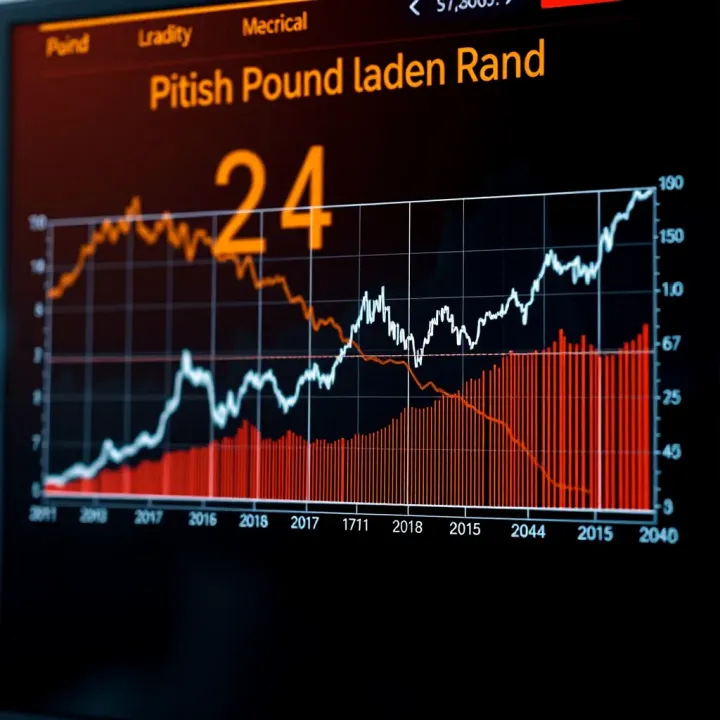
💷📉 Get insights on the British Pound to South African Rand exchange rate, trends, key economic factors, and expert forecasts to guide your currency decisions.
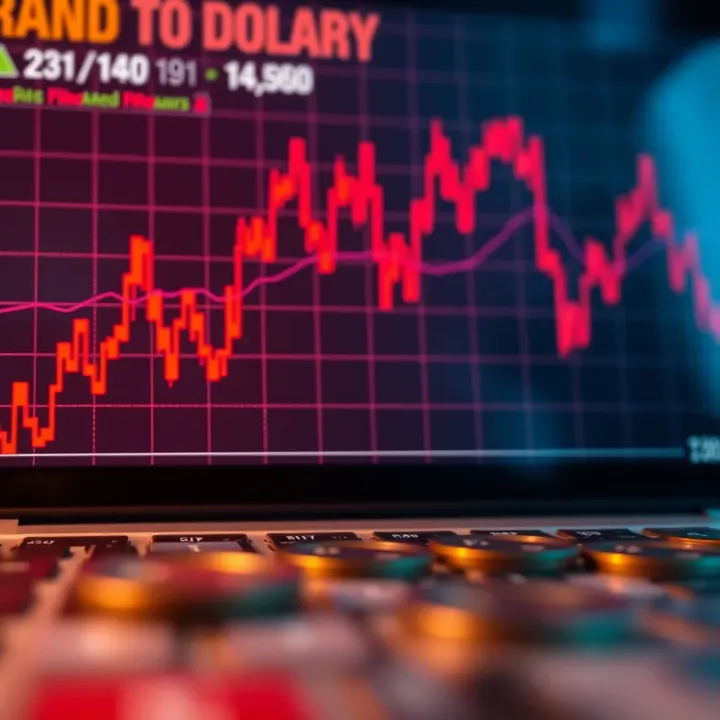
Get insights into the Rand-Dollar exchange rate 📉📈, key economic and political factors shaping it, and what the future holds for S.A. investors and businesses.
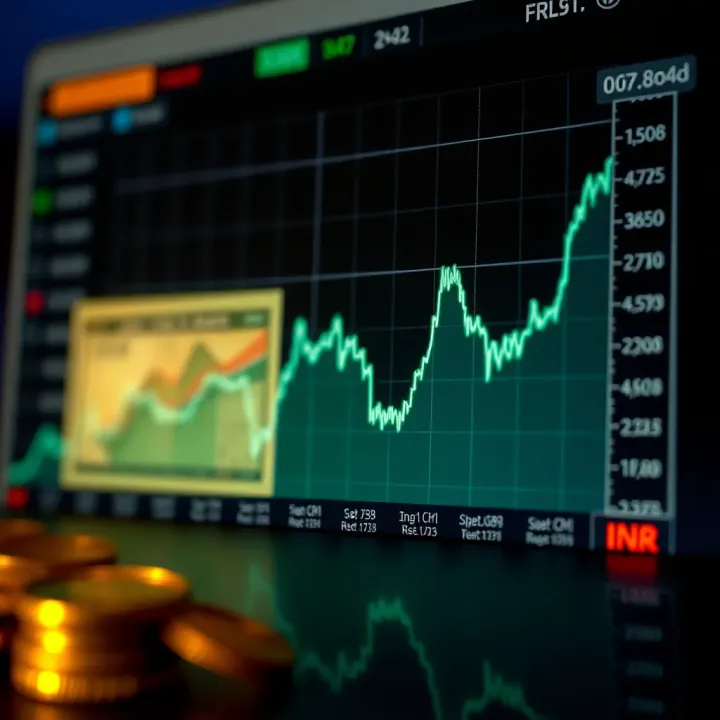
📉 Explore the latest South African Rand (ZAR) to Indian Rupee (INR) exchange trends, key influences, and practical forecasts for investors and travelers alike.
Based on 8 reviews