
Understanding Synthetic Trading Basics
Explore synthetic trading 🛠️ to create positions mimicking others. Learn strategies, risks, and examples across assets for savvy trading decisions 📊.
Edited By
Benjamin Walsh
Meta trading revolves around the use of MetaTrader platforms—software widely adopted for trading forex and Contracts for Difference (CFDs). These platforms allow traders to buy or sell assets like currencies, indices, and commodities through a user-friendly interface. Established by MetaQuotes Software, the platforms MetaTrader 4 (MT4) and MetaTrader 5 (MT5) dominate the scene because of their reliability, customisation options, and advanced charting tools.
MetaTrader platforms provide real-time market data and a suite of analytical tools that help traders spot opportunities and manage open positions. Importantly, these platforms support automated trading through Expert Advisors (EAs), scripts that execute trades based on predefined algorithms. This means you can set your strategy to run even while you're away from your screen.

For South African traders, MT4 and MT5 are popular choices because many local brokers support them, offering seamless access to global forex and CFD markets. The platforms run on desktops, mobiles, and web browsers, accommodating the busy lifestyles of traders who need to react swiftly to market moves. By integrating with brokers regulated locally by the Financial Sector Conduct Authority (FSCA), traders can ensure an additional layer of security and compliance.
Meta trading isn’t just for professionals; novice traders can also benefit by using built-in tools like technical indicators (Moving Averages, RSI, Bollinger Bands) to inform decisions. Moreover, the platforms’ demo accounts offer risk-free practice — essential for getting a feel before trading with real Rand.
Meta trading blends accessible technology with robust tools, making it easier for traders in South Africa to engage actively in global markets while managing their risks effectively.
Understanding the core features of MetaTrader platforms sets the stage for exploring specific trading strategies and risk management techniques tailored to South African market conditions. This foundation also helps traders navigate practical considerations such as dealing with local regulations, data costs, and network reliability affected by intermittent loadshedding.
Meta trading serves as the starting point for anyone keen on online trading, especially in forex and CFDs. It introduces traders to the tools and platforms designed to simplify complex markets, allowing for smarter decision-making based on real-time data. For South African traders, understanding meta trading is key to navigating volatile markets confidently.
Meta trading refers to the process of trading financial instruments using MetaTrader software, primarily MetaTrader 4 (MT4) and MetaTrader 5 (MT5). These platforms act as bridges, connecting traders to the global financial markets through user-friendly interfaces and advanced features. Changing market conditions can be monitored closely, enabling fast execution of trades.
The MetaTrader platforms are more than just trading software; they come packed with tools that suit both beginners and pro traders. MT4, popular for its simplicity and reliability, allows manual trading and basic automated strategies. MT5 adds support for a wider range of markets along with more indicators and advanced charting features. Both platforms support Expert Advisors (EAs), which automate trading strategies based on predefined rules, useful when you can’t keep an eye on the market around the clock.
Globally, MetaTrader platforms dominate retail trading because of their versatility and large community support. South African traders benefit from this popularity as local brokers often offer MT4 and MT5 with Rand-denominated accounts, aligning with local financial needs. Besides forex, these platforms have gained traction in South Africa due to the country's growing appetite for diversified investment options beyond traditional stocks and bonds.
The markets covered by MetaTrader include forex pairs, indices like the JSE Top 40, commodities such as gold and crude oil, and even cryptocurrencies on some brokers’ offerings. This broad coverage enables traders to build a diversified portfolio within a single platform. For example, a trader might simultaneously watch EUR/USD forex pairs for daily trades while keeping an eye on platinum prices—a major South African export—for longer-term investments.
Mastering meta trading sets the foundation for effective market participation, combining technology with strategy to navigate financial markets smartly.
Understanding these basics equips South African traders to choose the right platform and market exposure, balancing opportunities with risk.
MetaTrader platforms serve as the backbone for many South African traders entering forex and CFD markets. Understanding their features and how they function can make a real difference in navigating the markets confidently. These platforms bring together a variety of tools that help traders analyse price movements, execute trades, and manage risk all in one place.
MetaTrader 4 (MT4) and MetaTrader 5 (MT5) are designed with user-friendliness in mind. MT4 features a straightforward interface that’s ideal for newcomers, offering clear charts and easy navigation. It sticks to the essentials, making it approachable without overwhelming the user. Meanwhile, MT5 expands on this with a more modern layout and additional features, but still remains intuitive enough for traders to adapt quickly. Both platforms support multiple languages and run smoothly on Windows, macOS, mobile devices, and web browsers, allowing traders to stay connected practically anywhere.
While MT4 remains widely used, MT5 introduces several upgrades, such as more timeframes (21 compared to MT4's 9) and a deeper range of technical indicators. It also supports trading across multiple asset classes beyond forex—think stocks, commodities, and futures—which MT4 does not. Another key difference is MT5's improved strategy tester, allowing traders to test automated trading scripts against historical data more efficiently. However, some brokers in South Africa still favour MT4 for its simplicity and broad expert advisor support.
MetaTrader platforms provide an extensive selection of chart types and technical indicators—tools that help traders identify trends, momentum, and potential reversal points. For example, moving averages smooth out price data to show the overall direction, while Relative Strength Index (RSI) measures whether an asset is overbought or oversold. These tools are vital for making informed decisions and are fully customisable to match individual strategies.
Expert advisors (EAs) are algorithmic scripts that automate trade execution and management. They can analyse the market 24/7 without trader input, reacting instantly to market movements. This reduces emotional trading errors and allows for consistent strategy implementation. While EAs bring advantages like speed and precision, they also need regular optimisation because market conditions change, especially during volatile periods.
MetaTrader lets traders set tailored alerts triggered by price levels, indicator signals, or news events. These prevent missing crucial trading moments, especially if you’re away from the screen. Additionally, scripts can be customised to perform repetitive tasks, such as closing all open trades or modifying stop-loss orders swiftly, which saves time and improves trade management.
Mobile apps for MT4 and MT5 bring full trading capabilities to your smartphone or tablet. You gain flexibility to open, close, or modify trades on the go, track market developments, and receive instant alerts. For South African traders dealing with frequent power cuts or busy schedules, this mobility is a big advantage, ensuring the market’s at your fingertips.
The web versions of MetaTrader eliminate the need for installation, running directly in browsers. They offer most desktop platform features, including charting, order types, and account management. This is particularly handy for traders who switch devices or work from different locations, providing a reliable backup if your usual device is unavailable.
MetaTrader platforms combine practicality with a suite of powerful tools and options, making them well suited for a wide range of traders—from beginners through to seasoned professionals working in South Africa’s dynamic trading environment.
Understanding popular Meta trading strategies helps you navigate the often fast-moving markets more confidently. These strategies are at the heart of how traders use the MetaTrader platforms to make informed decisions, whether they’re analysing charts manually or relying on automated systems. By mastering key techniques, you improve your chances of consistent results while managing risks better.
Moving averages smooth out price data to help spot trends by calculating the average price over a set period. For example, a 50-day moving average shows where the market tends to settle in the medium term, making it easier to detect whether prices are generally rising or falling. The Relative Strength Index (RSI), on the other hand, measures momentum on a scale from 0 to 100. Traders often consider RSI values above 70 as overbought, signalling a possible price drop, while readings below 30 suggest oversold conditions and potential price rises. Combining moving averages with RSI can give clearer entry and exit points — such as buying when the price crosses above a moving average and RSI is climbing from below 30.
Support and resistance levels mark price points where the market historically reverses or stalls. Support acts like a floor where buying interest tends to emerge, while resistance works as a ceiling where selling pressure grows. Spotting these levels on charts helps traders set realistic targets and stop-loss orders. For instance, if the Rand/USD currency pair repeatedly bounces back from R14.50, this level becomes a support zone, guiding buy decisions or exit points for shorts. Conversely, resistance zones warn you where price rallies may struggle, so you can avoid chasing breakouts that lack strength.
Expert Advisors (EAs) are automated programmes within MetaTrader that execute trades based on pre-set criteria without human intervention. They can monitor multiple currency pairs or indices simultaneously, placing or closing trades faster than manual actions. This automation suits markets like forex where split-second decisions matter. For example, an EA might buy when moving averages cross while setting stop-loss levels automatically. This approach offers consistency and removes emotional bias from trading.
Automation through EAs speeds up trade execution and allows round-the-clock market monitoring, essential when you’re juggling a full-time job or coping with loadshedding interruptions affecting your internet. However, EAs rely on historic price action and programmed rules that may not adapt well to sudden market news or black swan events. Traders should still monitor performance, adjusting or pausing automated trades when market conditions change significantly. Dependence solely on automation can backfire if you neglect ongoing market education.
A fundamental risk control method is to set stop-loss orders limiting your maximum loss on any trade, and take-profit orders locking in gains once price hits a favourable level. For example, if you open a position on gold at R950,000 per kilogram, you might set a stop-loss at R930,000 to cap losses, and a take-profit at R980,000 to secure profits without needing to watch charts constantly. This technique prevents emotional decision-making during volatile periods.
Position sizing means adjusting how much capital you risk per trade relative to your total trading funds, often suggested under 2-3% per trade. Overinvesting in one position can quickly erode your account if things go south. Diversifying across multiple markets — like forex, commodities, and indices — helps smooth out risk by not putting all your eggs in one basket. A savvy trader might split their trading funds to manage exposure during South Africa’s frequent political or economic shocks affecting the Rand.
Good trading isn’t about chasing every opportunity but managing risks wisely while sticking to tried-and-true strategies on your MetaTrader platform.
Trading on MetaTrader platforms in South Africa comes with specific practicalities that can influence your success. From broker choice to funding your account and managing the local challenges of loadshedding, understanding these factors helps you avoid preventable issues and stay in control.
The Financial Sector Conduct Authority (FSCA) regulates financial service providers in South Africa, including brokers offering MetaTrader platforms. Having a broker registered with the FSCA ensures they adhere to local rules designed to protect traders, such as proper client fund segregation and transparent business practices. If a broker isn’t FSCA-regulated, you risk having limited legal recourse should disputes or fraud arise.
Choosing a reputable MetaTrader broker means looking beyond flashy marketing. Check their FSCA registration status, client reviews, and years in operation. A respected broker will provide clear terms on commissions, spreads, and leverage—and usually offer local support. For example, brokers like IG or HotForex, both FSCA-registered, provide MetaTrader access with transparent pricing. This reduces risks associated with unregulated brokers who may manipulate prices or delay withdrawals.
South African traders can fund accounts using various methods such as EFT (electronic funds transfer), credit/debit cards, or popular online wallets like Neteller and Skrill. EFTs tend to be cheaper and more secure locally, though they can take a few days to clear, which might affect timely trading. It’s practical to check deposit and withdrawal fees and timing beforehand to match your trading strategy.
Another important consideration is the Rand’s exchange rate against major currencies like the US dollar or euro. Because many brokers price trades in USD or EUR, fluctuations in the Rand can affect your profitability. For instance, a weakening Rand means you effectively pay more ZAR for the same trade size or withdrawal, cutting into your gains. Being mindful of exchange rate movements and possibly hedging your currency risk ensures you’re not blindsided by transfer costs or currency costs.
Loadshedding poses a unique challenge for South African traders because sudden power cuts disrupt internet access and trading platforms. To manage this risk, many traders schedule trades outside expected outage periods or use brokers’ guaranteed stop-loss orders to limit unexpected losses. Also, keeping a backup laptop or tablet fully charged can help you switch devices quickly if one runs out of power.
Using mobile data on a smartphone as a backup internet connection is a common, practical workaround during loadshedding. You can also invest in a UPS (uninterruptible power supply) or a small inverter with batteries to keep your modem, router, and trading setup going for a few hours. These backup options minimise downtime and help you react quickly to price changes or close positions before losses escalate.
When trading from South Africa, practical planning around regulation, funding, and local power conditions can make the difference between smooth operations and costly disruptions.
Understanding these local realities keeps your trading on solid footing and helps you make full use of MetaTrader’s flexibility and power. Traders who plan for these factors can focus on strategies and markets with greater confidence and control.
Understanding the common risks involved in meta trading is vital for any trader using MetaTrader platforms, especially here in South Africa where market conditions and infrastructure can vary. This section breaks down the key dangers you might face — from market turbulence to platform hiccups and fraud — and how to steer clear of them.
Price swings can be brutal. In volatile markets like forex or commodities, prices can jump or drop dramatically within minutes, especially during major economic announcements or unexpected events. For example, the rand can plunge sharply against the dollar following changes in SARB’s repo rate or sudden political news. If you’re caught on the wrong side without proper risk limits, losses can spiral fast.
Using stop-loss orders can help tame this risk by automatically closing your position if the price hits a certain level. Still, in gaps or flash crashes, these orders might not execute exactly at your preset price. So, always be prepared for some slippage in fast-moving markets.
Staying ahead of market-moving news is not just smart—it's necessary. Economic calendars highlighting events like US Non-Farm Payrolls, SARB announcements, or global crises can give you a heads-up to tighten your risk controls or avoid new trades altogether.
Local events, such as loadshedding adjustments or changes in import tariffs, can also ripple through the market. Keeping an eye on trusted financial news outlets, followed by reputable analysts, helps you position your trades wisely and avoid nasty surprises.
Even the best tech can falter, and MetaTrader platforms are no exception. Occasional bugs, server downtimes, or connectivity interruptions may stop orders from executing or delay important alerts. Imagine placing a take-profit order just before the platform crashes during a volatile session—it’s a headache that no trader wants.
To manage this, use reliable internet connections and keep your MetaTrader application updated. Some traders keep a backup app on their mobile device or use the web platform as a fallback. Also, test new Expert Advisors or scripts on demo accounts first to avoid unexpected behaviour in live trading.
Your trading account holds real money and sensitive personal info—security can’t be overlooked. Use strong, unique passwords and never share your login details. Enable two-factor authentication (2FA) if your broker supports it; this extra step can prevent unauthorised access.
Beware phishing attempts via email or fake websites designed to steal your credentials. Always verify you’re logging in through official broker or MetaTrader channels. In South Africa, where cybercrime is on the rise, securing your trading environment is just as important as managing your trades.
One of the biggest traps for new traders is falling into the hands of unregulated brokers. These entities often promise outrageous returns with zero accountability, then vanish with your deposits. Always check if a broker is registered with the Financial Sector Conduct Authority (FSCA), which regulates financial services in South Africa.
A reputable broker will have transparent conditions, clear pricing, and good client reviews. If a company doesn’t disclose its regulatory status or pressures you to deposit quickly, it’s best to steer clear.
Fraudsters are constantly fishing for personal data to commit identity theft or drain accounts. Avoid using public Wi-Fi for trading and account operations. Make sure your device has updated antivirus software and never send documents like ID or bank statements unless you’re certain it’s a legitimate broker’s secure portal.
If you ever sense suspicious activity on your account—unexpected withdrawals or strange emails—contact your broker immediately and change your passwords. Protecting your personal and financial info is key to a smooth and safe trading experience.
Staying aware of these risks and adopting practical safeguards can make all the difference between a frustrating loss and a successful trading journey. In South Africa’s sometimes unpredictable environment, a cautious approach matched with solid information is your best ally.
Explore synthetic trading 🛠️ to create positions mimicking others. Learn strategies, risks, and examples across assets for savvy trading decisions 📊.
📈 Discover how forex indices influence currency trading, their calculation, and trading tips tailored for South African traders facing global and local market shifts.
Discover Steve Mauro's unique trading methods and tools 🔍, his impact on South African markets 🇿🇦, and the practical debates around his strategies 📈.
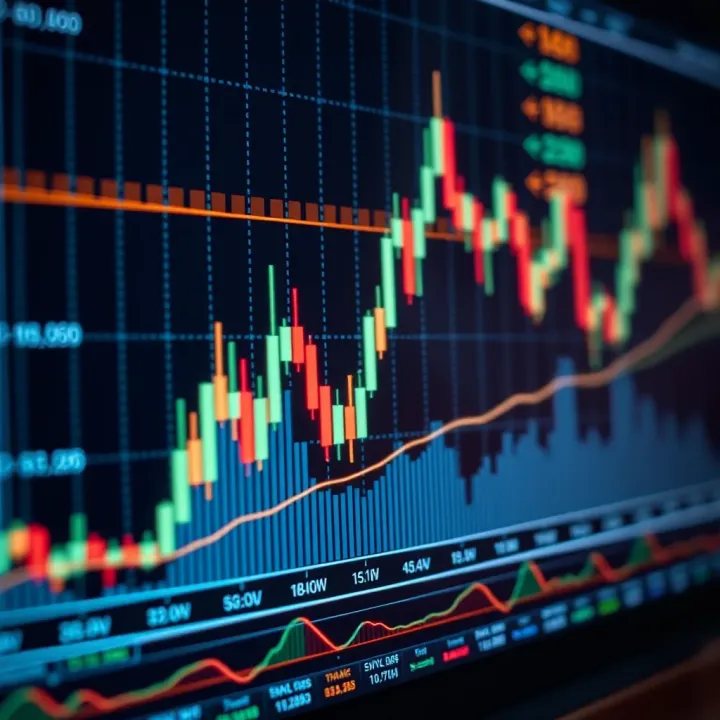
📈 Learn smart trading strategies, tools, and risk management techniques for confident, precise investment decisions in today's markets. 💡📊
Based on 15 reviews