

Understanding Forex Indices in Currency Trading
📈 Discover how forex indices influence currency trading, their calculation, and trading tips tailored for South African traders facing global and local market shifts.
Edited By
Isabella Morgan
Derivative Foreign Exchange (Deriv FX) instruments are vital tools in currency markets, especially for traders, businesses, and investors who face volatility in exchange rates. These financial contracts enable participants to manage risks associated with currency fluctuations, securing costs or revenues despite changing economic conditions. In South Africa, where exposure to global trade and investment is growing, understanding Deriv FX helps market players make smarter decisions and avoid nasty surprises.
Deriv FX products come in several types, such as forwards, futures, swaps, and options. Each serves different purposes but shares the goal of locking in exchange rates or hedging currency risk. For example, a South African exporter expecting payment in US dollars may enter a forward contract to fix the rand-dollar rate now, preventing loss if the rand weakens later.
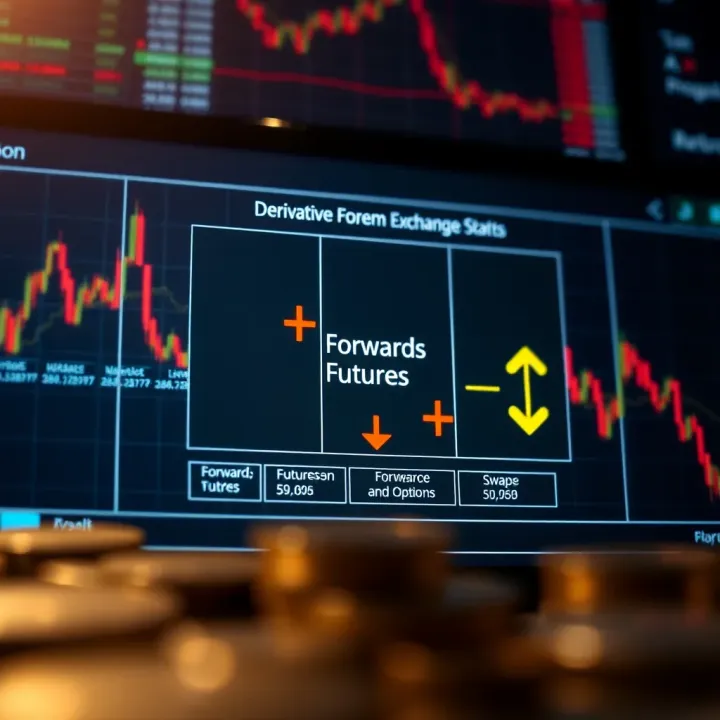
These instruments work by agreeing on the currency amounts and the rate at a future date. Unlike spot transactions, which settle immediately, Deriv FX contracts may settle weeks or months later. This delay enables planning and risk mitigation in unpredictable markets. However, using them correctly requires knowing the costs involved, market conditions like interest rate differentials, and currency demand-supply factors.
Failing to understand these nuances can result in unnecessary costs or missed opportunities.
For South African market participants, keeping tabs on local regulatory frameworks and reporting requirements, such as those set by the South African Reserve Bank (SARB), is crucial. These bodies monitor and regulate foreign exchange dealings to maintain stability and transparency.
Practical use of Deriv FX extends beyond risk protection. Investors might speculate on currency moves, while corporates optimise working capital by switching currency exposures. Brokers and analysts, meanwhile, rely on these contracts to advise clients or structure trades.
Key points to grasp:
Forwards: Custom contracts to buy/sell currency at a predetermined rate and date.
Futures: Standardised contracts traded on exchanges.
Swaps: Agreements to exchange currencies now and reverse at a future point.
Options: Contracts giving the right, but not obligation, to exchange currency at a set rate before expiry.
Knowing the role each plays can support confident decision-making even during turbulent times, like Eskom's loadshedding impacts or fluctuating commodity prices affecting the rand.
Ultimately, Deriv FX is not just a technical term but a practical shield South African businesses and investors can use to navigate the currency markets with less uncertainty and more control.
Understanding derivative foreign exchange (FX) instruments is essential for anyone involved in currency markets. These tools help manage the risk that comes with fluctuating exchange rates, which can hit businesses and investors hard if left unchecked. For example, a South African exporter expecting payment in US dollars months from now might use derivatives to lock in the current exchange rate, avoiding potential losses.
Derivative FX instruments are contracts whose value is based on the movement of currency exchange rates. They provide a way to agree on a future exchange price, differing from spot contracts where currencies exchange immediately. Their practical benefits include protecting profit margins, improving cash flow certainty, and enabling speculative opportunities with controlled risk.
Derivative FX contracts are agreements that set the terms to buy or sell one currency for another at a future date, at a predetermined rate. Unlike simply exchanging currency on the spot market, these contracts provide certainty over costs or returns despite volatile markets. This is practical for companies managing overseas payments or investors looking to hedge existing currency exposure.
Spot FX refers to the immediate exchange of currencies, typically settling within two business days. Derivative FX, however, involves contracts settled at future dates, like forwards or options, allowing parties to fix rates ahead. This distinction matters because businesses can budget more accurately with derivatives, avoiding sudden losses from unexpected rand fluctuations.
Derivatives act as a shield against currency risk. South African firms dealing with imports or exports often face the headache of an unpredictable rand/dollar rate. By committing to a set rate in advance, they eliminate currency swings from their financial planning. This can be the difference between profit and loss when exchange rates swing widely, especially in uncertain economic times.
The rand can be notoriously volatile, influenced by global markets, commodity prices, and local politics. Companies and investors use derivatives to hedge this volatility, cutting down the risk of adverse rate moves. For example, an importer buying machinery from Europe might lock in the euro-rand rate today to know exactly what they will pay in six months.
Traders also use derivative FX instruments to speculate on currency movements, aiming to profit from expected shifts. By taking positions in forwards or options, they can bet on the rand strengthening or weakening without needing to buy the actual currency upfront. While risky, this allows for leveraged gains on currency trends.
Arbitrage involves exploiting price differences between markets. Currency traders might use FX derivatives to capitalise on mismatches in spot and future rates across different exchanges. For instance, a trader spotting a dislocation between the Johannesburg Futures Exchange and an offshore market could execute simultaneous trades to lock in guaranteed profits, balancing risks carefully.
In short, derivative FX instruments are vital tools in currency markets—allowing for risk management, trading strategies, and liquidity solutions that support South Africa’s vibrant business environment.
Understanding the different types of derivative FX instruments is key to grasping how traders and businesses manage currency risks effectively. Each derivative serves a specific purpose, suited to varying needs like hedging, speculation, or liquidity management. For example, an importer might prefer a forward contract to lock in a price for future payments, while a trader could use options to profit from currency moves without immediate obligations. This variety ensures participants can pick instruments aligned with their risk appetite and strategic goals.
FX forwards involve a private agreement between two parties to exchange currencies at a pre-agreed rate on a future date. Unlike spot trades settled usually within two days, forwards settle later, often weeks or months ahead. This futures settlement allows businesses to fix exchange rates today for payments or receipts due down the line, removing uncertainty. Settlement often means physical delivery of currency, though cash settlement is also possible.
Businesses frequently use forwards to hedge expected foreign currency inflows or outflows. For example, a South African exporter expecting payment in euros in three months can lock in the current rand/euro rate to avoid potential losses if the rand strengthens. Similarly, an importer budgeting rand costs for goods bought in dollars might secure a forward contract to prevent price shocks from rand weakness.
FX forwards offer clear advantages: predictable costs and protection against unfavourable currency moves. However, they lack flexibility since parties must honour the contract, even if the market moves in their favour. Also, forwards are over-the-counter (OTC) agreements, so counterparties face credit risks without clearinghouses.

FX futures are exchange-traded contracts with standard sizes and maturity dates. This standardisation means trades are transparent and backed by the exchange’s clearinghouse, reducing counterparty risk. Futures also offer daily settlement of gains or losses, known as marking to market.
While forwards are customised OTC contracts suited for specific amounts and dates, futures come in fixed increments and expiry dates. Futures provide more liquidity and are easier to trade but can be less tailor-made for business needs. For instance, a company needing to hedge an exact payment date may find a forward preferable.
Globally, exchanges like the CME Group offer FX futures on major currency pairs such as USD/ZAR. Locally, South African market participants may access these products via brokers. Although the JSE doesn't list FX futures directly, traders often access these contracts through international platforms, benefiting from standardisation and liquidity.
An FX swap combines two transactions: a spot exchange of currencies followed by a forward reversal. This means exchanging rand for dollars now, then reversing the trade later at an agreed rate. The timing typically matches short-term funding or liquidity needs.
Banks often use FX swaps to manage currency funding mismatches, ensuring they have enough foreign currency on hand. Corporates might use swaps to temporarily access foreign currency without taking open positions. For example, a business needing short-term dollars to pay an overseas supplier can enter an FX swap instead of outright buying currency.
FX swaps influence both cash flow and balance sheet positions. Because swaps include a spot leg and a forward leg, cash moves twice: once exchanging currencies, then reversing later. This helps smooth out currency liquidity but requires careful tracking to avoid surprises in accounting or treasury.
FX options give the buyer the right (but not the obligation) to buy (call) or sell (put) currency at a set price by or on a certain date. This flexibility contrasts with forwards and futures, where parties must transact. Options allow hedgers to protect against adverse moves while still benefiting if the currency moves favourably.
Option prices depend on factors like current spot rates, strike price, time to expiry, and market volatility. Increased volatility usually raises option premiums because of greater uncertainty. Interest rate differentials between the two currencies also influence pricing.
Options provide a flexible hedge, ideal when exposure levels or timing are uncertain. A South African investor with potential foreign payoffs might buy a call option on the dollar, paying a premium upfront but avoiding the downside risk of rand strengthening. Traders can also use options to speculate on currency swings with limited downside.
Choosing the right derivative instrument depends on factors like risk tolerance, timing, and liquidity needs. Combining forwards, futures, swaps, and options enables sophisticated currency management customised to the South African context and beyond.
Understanding the key factors that influence the pricing and risks of derivative foreign exchange (FX) instruments is essential for anyone dealing with currency markets. These elements directly impact how contracts are valued, their cost, and the potential hazards participants face. For traders, investors, or businesses, grasping these drivers helps improve decision-making and risk management.
Interest rate differentials between two currencies form the backbone of derivative FX pricing. At its simplest, if the South African Reserve Bank (SARB) maintains a higher interest rate compared to the US Federal Reserve, the rand generally offers a higher yield. This difference influences forward rates through the cost of carry. For example, an importer hedging a future dollar payment will see the forward premium or discount affected by this gap. This means the contract price won’t just reflect the spot rate but also the cost or benefit of holding one currency over another.
This principle explains why a three-month forward rate for ZAR/USD may differ from the spot rate — it accounts for the interest you would earn or pay between now and then. Businesses often monitor these differentials closely to time their hedging moves and avoid locking in unfavourable rates.
Expectations about future currency moves and the volatility around those changes play a significant role in derivative pricing. When markets anticipate sharp rand swings due to, say, an upcoming budget announcement or SARB monetary policy decision, option premiums rise because traders expect larger price fluctuations.
Higher volatility increases the cost of options and affects forward and futures contracts pricing indirectly. For instance, if there’s uncertainty over global commodity prices affecting South African exports, FX volatility might spike, pushing up derivative costs. Traders use implied volatility — the market’s forecast of future swings — as a gauge for pricing and risk.
Political stability and economic health heavily influence how derivative FX instruments are priced. Suppose concerns arise around government policy shifts, like changes in exchange control rules or unexpected economic sanctions. In that case, the rand could weaken sharply, increasing risk premiums embedded in derivative pricing.
For example, during periods of political unrest or economic downturns, counterparties might demand higher premiums to compensate for the additional risk. These factors explain why SARB’s public comments or upcoming election cycles can move FX derivative markets well ahead of actual events.
Counterparty risk is the chance that the other party in a derivatives contract fails to meet their obligations. This risk is real, especially in over-the-counter (OTC) trades, which are common in South Africa. If a counterparty defaults during a period of rand weakness, the loss can be substantial.
Many South African clients mitigate this by dealing with reputable banks or brokers, checking creditworthiness, and using collateral agreements. Central counterparties (CCPs) in exchange-traded derivatives also help reduce this risk by guaranteeing trades.
Liquidity risk arises when there are not enough buyers or sellers in the market, making it difficult to enter or exit positions at fair prices. For rand derivatives, liquidity can thin out during off-hours or around volatile events, causing price gaps or wider bid-ask spreads.
Market risk refers to losses from unfavourable moves in exchange rates. Since derivative FX involves leveraged positions, even small market swings can have outsized effects. For example, a 5% sudden depreciation in ZAR against the US dollar can dramatically alter the value of outstanding contracts.
Legal risk entails issues around contract enforceability, compliance with South African exchange control regulations, or unexpected regulatory changes impacting FX derivatives. Staying updated with SARB guidelines and engaging legal experts reduces exposure here.
Operational risk involves failures in internal systems, mishandling contracts, or human errors in trade execution. These might not make headlines but can cause significant losses and reputational damage. Well-organised back-office support and automated systems help South African traders manage this.
Proper understanding and management of these pricing factors and risks enable market participants to use derivative FX tools effectively, avoiding costly surprises in South Africa’s often volatile currency markets.
Managing exchange rate exposure with the rand is a day-to-day concern for many South African firms and investors. The rand (ZAR) is known for its volatility, responding to global commodity prices, political shifts, and domestic economic changes. Using derivative FX contracts, businesses can lock in exchange rates or hedge against unfavourable rand movements, helping to stabilise costs and revenues.
For example, an importer of machinery parts from Europe might use FX forwards to fix the rand-to-euro rate ahead of payment dates. This shields them from rand depreciation, which would otherwise increase purchase costs. On the other hand, exporters earning foreign currency can hedge their anticipated receipts, ensuring that rand receipts after conversion meet budget targets despite currency swings.
Investors, including asset managers and offshore funds with South African exposure, also use derivatives to manage currency risk. When buying foreign assets or investing in rand-denominated instruments, they use FX options or swaps to control exposure without having to liquidate holdings. This flexibility is particularly useful in volatile periods when the rand may swing widely but fundamentals remain stable.
Typical hedging strategies include:
Forward contracts: Locking in rates for future transactions, often used by corporates with predictable foreign currency receipts or payments.
Options contracts: Offering protection against adverse moves with the possibility to benefit if the rand moves favourably.
Swaps: Managing short-term liquidity while adjusting currency exposures effectively.
South African businesses design these strategies based on cash flow timing, risk appetite, and cost considerations. A manufacturer importing raw materials might hedge 80% of forecasted foreign payments to balance cost and flexibility, while a fund manager might use options to guard against tail-risk scenarios during uncertain market conditions.
Exchange control regulations play a vital role in governing derivative FX activities for residents. The South African Reserve Bank (SARB) enforces these rules to manage capital flows and safeguard the rand's stability. Businesses and investors must operate within limits on foreign currency exposure and repatriation, and derivative contracts often require approval or reporting to comply.
For instance, South African companies engaging in cross-border trading or investments must notify authorised dealers (usually banks regulated by SARB) and adhere to exchange control directives. These might restrict the amount of foreign currency transferred or require documentation justifying the derivative transactions, especially if they involve speculative activity rather than hedging.
SARB itself supervises the local FX market to ensure orderly functioning and to prevent market abuse. Banks offering derivative FX products must comply with prudential standards that include capital adequacy and risk management. SARB's role extends to publishing relevant exchange rates and guidelines that influence how derivative pricing is assessed.
Compliance and reporting requirements include:
Submitting detailed records of derivative contracts to authorised dealers.
Ensuring that derivative use aligns with acceptable purposes, mainly hedging rather than speculation.
Adhering to documentation and audit trails that demonstrate transparency.
Failure to comply can attract penalties and restrictions, affecting a business’s ability to operate internationally. For this reason, firms often establish internal controls and consult compliance specialists when structuring derivative FX strategies.
South African users of derivative FX must navigate a delicate balance: managing currency risk pragmatically while respecting exchange control laws that seek to protect the domestic economy's stability.
In summary, derivative FX instruments in South Africa are essential tools for managing rand exposure, with practical applications spanning importers, exporters, and investors. Their use is firmly embedded within a regulatory framework designed to maintain financial stability, making informed compliance a necessity alongside effective risk management.
Trading derivative foreign exchange instruments requires careful thought about various practical aspects that can affect outcomes and costs. These instruments serve different needs, from hedging everyday business currency risks to speculative trading on rand fluctuations. Choosing the right tool and managing risks well can save money and avoid unwanted surprises.
The key to effective derivative FX trading lies in matching the instrument with your specific risk profile and financial goals. For example, an exporter worried about rand weakness might prefer a forward contract to lock in prices now, ensuring their revenue in rand won’t take a hit later. Meanwhile, a fund manager betting on short-term rand volatility could opt for FX options to benefit from price movements with some protection against losses.
Each derivative offers a balance between risk and reward. The less flexible the instrument, like forwards, the cheaper it tends to be, ideal when certainty matters more than flexibility. On the other hand, options come at a premium but allow an exit if markets move unfavourably. Aligning your choice with whether you need certainty, flexibility, or cost efficiency will steer your strategy in the right direction.
Cost and flexibility usually run at odds. Forward contracts carry relatively low costs but lock you in, which isn’t ideal if your currency exposure might change. Conversely, options cost more upfront through premiums but offer the chance to skip the contract if the rand moves favourably — a useful feature during volatile periods.
Consider a Gauteng-based manufacturer importing machinery priced in euros. If they expect rand gains but want some protection, paying more for options might make sense over cheaper forwards. However, if the import date and amount are fixed, a forward contract’s simplicity and cost-efficiency often outweigh flexibility.
Keeping an eye on exposures, market moves, and contract expiries is vital. A simple spreadsheet updated regularly or specialised treasury software can alert you before contracts mature or market conditions change drastically. For instance, a mining company in KZN might monitor rand-dollar shifts daily to adjust hedges or capitalise on favourable movements.
Counterparty reliability is a risk often overlooked. Poor creditworthiness can lead to default, especially in tougher economic spells. Working with established banks or regulated brokers familiar with the South African market reduces this risk. A Cape Town exporter, for example, would benefit from dealing with a well-known local bank recognised by the South African Reserve Bank (SARB).
Costs can come hidden in margins, commissions, and fees. Futures contracts traded on exchanges have clear margin calls that require cash or collateral to cover potential losses, which can strain cash flow. OTC derivatives like forwards may have fewer margin calls but higher bid-ask spreads or bank charges. Understanding these costs upfront helps you budget correctly and avoid surprises that can squeeze your working capital.
Successful derivative FX trading isn’t just about picking the right contract but managing ongoing risks and costs actively. Practical systems, trustworthy partners, and financial discipline make the difference.
By focusing on these pragmatic steps, South African companies and investors can better manage currency risk and protect themselves against erratic rand movements common in local and global markets.
📈 Discover how forex indices influence currency trading, their calculation, and trading tips tailored for South African traders facing global and local market shifts.
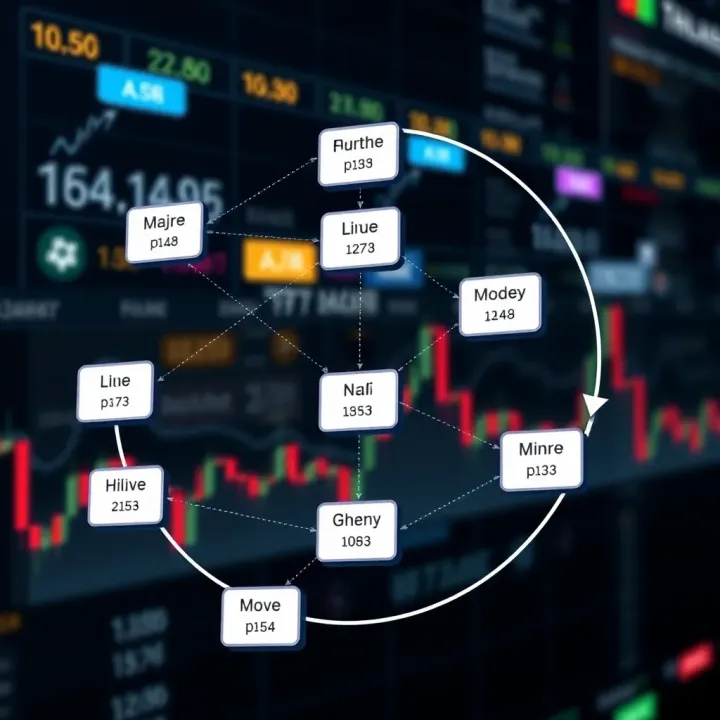
Explore the forex complex 🌍: how currency pairs connect, major & minor roles, plus economic and geopolitical impacts. Tips on smart trading & risk control!

📈 Learn how Telegram forex signals work, find trustworthy providers, spot scams, and use signals wisely to improve your trading strategy and results.
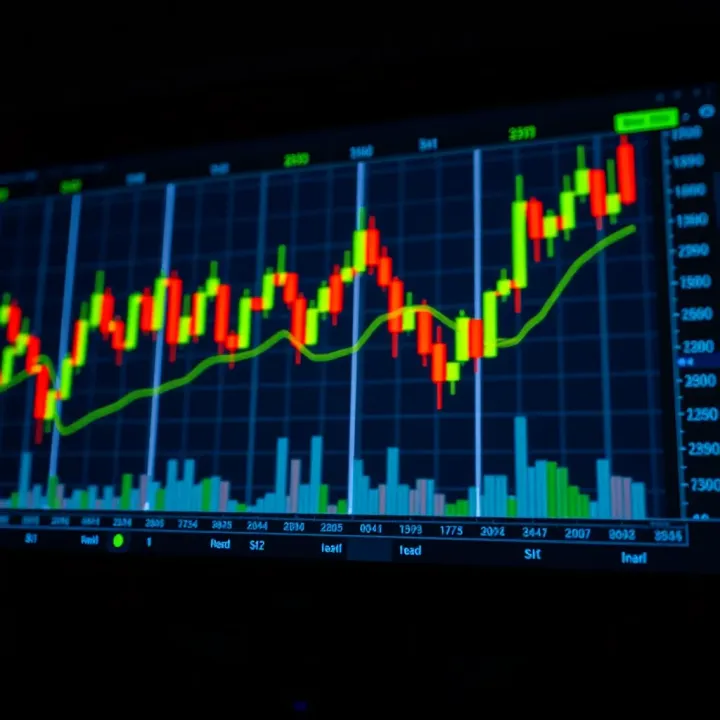
📈 Master forex chart patterns to spot market trends confidently! Get practical tips plus free PDFs tailored for South African traders eager to improve their skills.
Based on 15 reviews