

Understanding Deriv.com: Features & Trading Options
Explore Deriv.com’s trading features, options, security, and support 🛡️. Find out if this platform suits South African traders eager for smart investment choices 💹.
Edited By
James Carlton
Binary options trading has become a popular way for traders to engage financial markets with a simple, fixed-risk proposition. On platforms like Deriv, this type of trading allows you to bet on whether the price of an asset – such as forex pairs, stocks, or commodities – will rise or fall within a specified timeframe.
Deriv stands out by offering a user-friendly interface and a diverse range of binary options contracts. Unlike traditional trading, where profits and losses fluctuate with asset prices, binary options deliver an all-or-nothing outcome based on the accuracy of your prediction. For example, if you predict correctly that the rand-dollar (ZAR/USD) rate will be higher in 30 minutes, you receive a predetermined payout. If not, you lose the stake.
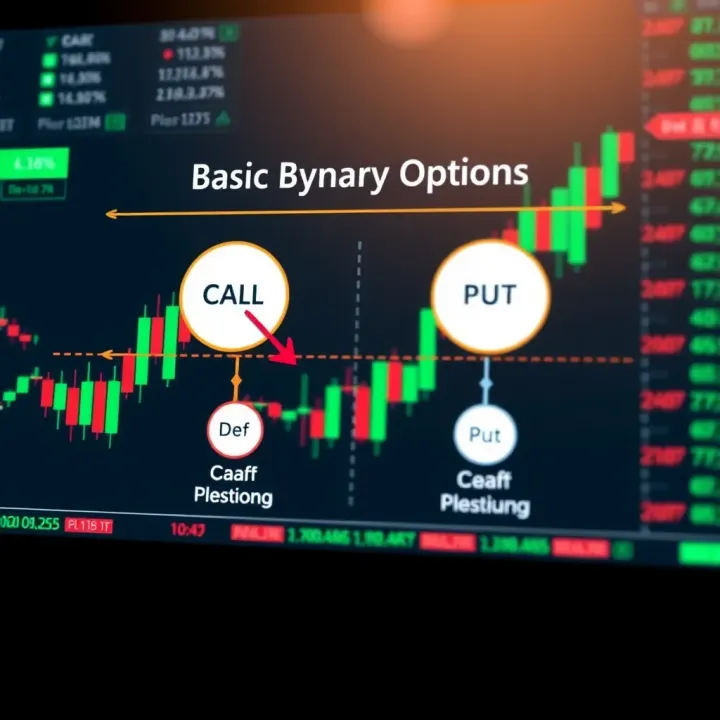
Understanding how Deriv’s platform works is essential before placing trades. The platform provides choices between different binary option types, including ‘Up/Down’, ‘Touch/No Touch’, and ‘In/Out’ contracts. Each contract type comes with its own risk profile and payout structure. For instance, ‘Touch’ options require the asset price to hit a specific level to win, whereas ‘In/Out’ contracts depend on whether the asset stays within or moves outside a set price range.
South African traders should consider regulatory factors and risk management carefully. Binary options carry high risk and aren’t suited for all investors. Deriv operates under various regulatory jurisdictions but is not registered with the Financial Sector Conduct Authority (FSCA) in South Africa. This means there is limited local oversight, so it’s wise to proceed with caution, start with small amounts, and use demo accounts for practice.
Remember, binary options trading requires not just a good platform, but also a solid understanding of market dynamics and disciplined strategy.
Before you trade on Deriv, it’s beneficial to learn about common strategies, such as trend following or volatility-based approaches, and how to spot market signals that might influence price direction. While the simplicity of binary options is a draw, the risks involved mean you should only trade with money you can afford to lose.
This introduction will guide you through the fundamentals, practical trading features on Deriv, and considerations specific to South African traders to help you make more informed trading decisions.
Understanding the basics of binary options is essential for anyone looking to trade on Deriv or any similar platform. Binary options are a type of financial contract that offers a simple 'yes' or 'no' proposition: will an asset's price meet a specified condition by a certain time or not? This straightforward approach appeals to traders who want clear outcomes without the complexities of traditional asset trading.
Being familiar with the fundamentals helps you make informed decisions and manage expectations. It’s not just about picking directions blindly; you need to grasp terms like strike price, expiry times, and payout percentages. For example, knowing how long you hold a position before expiry—sometimes just minutes—can affect your strategy and potential payout.
Binary options are financial instruments that allow you to speculate on the movement of various assets such as currencies, commodities, and indices. What makes them unique is their fixed risk and fixed reward nature. When you trade a binary option, you choose whether the price of an asset will go above or below a certain level (strike price) within a set time frame. If your prediction is correct, you receive a predetermined payout; if not, you lose your stake.
For instance, if you believe the EUR/ZAR exchange rate will rise within the next 30 minutes, and you place a call option on Deriv, you stand to make a profit if the rate closes above the strike price at expiry. It’s like betting on an outcome, but with clearly defined results.
On Deriv, the two primary types of binary options are calls and puts. A call option is a bet that the price of the underlying asset will be above the strike price at expiry. Conversely, a put option predicts the price will be below the strike price. These two simple options cover most trading scenarios and let you capitalise on market movements whether they’re up or down.
This simplicity is practical. For example, imagine you spot a potential rally in Brent crude oil prices due to geopolitical tensions. You might buy a call option expecting prices to rise. If the market moves in your favour by the expiry time, you get a payout; if not, your initial stake is lost.
Deriv offers a variety of expiry times, which can be a few minutes to several hours, depending on your trading style. Short expiry options suit scalpers looking for quick wins, while longer expiries might be better for those watching economic events or market trends.
Payouts are fixed at the outset and expressed as a percentage of your stake. For example, a successful trade may pay out 80%, meaning if you wager R100, you receive R180 in total (your stake plus profit). Understanding expiry times and payout structures helps you plan trades carefully—shorter expiries usually come with lower payouts due to higher unpredictability.
The strike price is the price level you predict the asset will move above or below by expiry. It’s your point of reference when deciding call or put options. For example, if the current price of gold is R1,000 per gram, and you believe it will rise above R1,010 in the next hour, then R1,010 is your strike price.
On Deriv, strike prices are displayed clearly when placing trades. Choosing the right strike price aligns your prediction with market trends, increasing your chances of success.
Payout percentage indicates how much profit you earn on a successful trade relative to your stake. A payout of 75% means a R100 bet returns R175 if you’re right. Deriv's payout rates vary by asset and market conditions, reflecting the risk involved.
Higher payout percentages are attractive but usually come with higher risk. For example, less liquid assets might offer bigger payouts but may also be more volatile. Always compare payout percentages before placing a trade to weigh profit potential against risk.
Binary options trading offers limited reward and controlled risk—the most you can lose is your stake. However, markets are unpredictable, and even a small mistake can lead to total loss on a trade.
Risk management strategies are crucial. Don’t overcommit to single trades, and be mindful of how market factors like sudden news or volatility spikes can quickly change outcomes. For example, a planned trade on the JSE Top 40 index might falter if unexpected political announcements move the market unexpectedly.
The defining feature of binary options is their 'all-or-nothing' outcome; this clarity of result makes understanding the basics indispensable before trading on Deriv.
Having a firm grip on these terms and mechanics lays a solid foundation to navigate the binary options market confidently with Deriv, especially within the South African trading context.
Deriv offers a suite of features tailored to help traders manage binary options effectively and with confidence. Understanding these features is key to making informed decisions, particularly in the fast-moving world of binary trading, where timing and information can make the difference. This section breaks down the practical tools and asset options available, plus the account structures that suit different trading needs.

Deriv's platform includes integrated charting tools designed to give traders clear visual insights. These tools allow you to track price movements in real time, identify trends, and spot potential entry points for your trades. The charts support various technical indicators like moving averages and Bollinger Bands. For example, a trader watching the Forex market can use these indicators to decide whether to call or put based on momentum swings.
These analysis features are especially useful when trading expiry times are short, demanding quick, data-driven decisions. You won’t need to rely on external apps for basic trend analysis, which streamlines your workflow and helps avoid costly delays.
Deriv ensures that traders can access their accounts seamlessly whether on desktop or mobile. The desktop app offers a comprehensive and stable environment for in-depth analysis and larger trades, while the mobile app keeps you connected on the go. This flexibility is ideal for South African traders who may want to monitor markets throughout the day, even when away from their desks.
Moreover, the mobile app's design adapts well to smaller screens without sacrificing essential functionalities, meaning you can place or close trades and check analytics quickly. This responsiveness ensures you won’t miss out on trading opportunities during volatile sessions.
Foremost among Deriv’s offerings is Forex trading on major and minor currency pairs. For binary options, this means you can speculate on whether currencies like USD/ZAR or EUR/USD will rise or fall within a set time frame. As Forex markets trade 24/5, it provides ample opportunities for active traders.
This asset class suits those who follow economic news or South Africa’s rand volatility closely. For instance, geopolitical developments or SARB interest rate announcements often create short-term price movements ripe for binary options strategies.
Commodity binaries on Deriv include assets such as gold, silver, and oil. These are popular among traders looking for diversification beyond currencies. Gold, for example, often acts as a safe haven during uncertainty, affecting binary option prices accordingly.
Trading commodities binaries requires an eye on global supply-demand trends and local factors, such as mining strikes or export regulations, which can shift prices. Commodity contracts offer another layer of variety for traders wanting to spread risk.
Deriv also features indices binaries, giving exposure to broader market movements like the JSE All Share Index or US-based indices such as the S&P 500. These instruments reflect overall market sentiment rather than a single company’s fate.
For traders who prefer not to follow individual shares but still want to engage with equity markets, indices binary options provide a practical entry point. These tend to be less volatile than single stocks but can still deliver decent short-term profit potential.
Deriv’s demo account allows new traders to practise binary options without risking real money. The virtual funds mimic actual market conditions, letting you experiment with different expiry times, assets, and strategies. This is invaluable for building confidence and spotting the quirks of binary options trading.
For South African traders, this means you can check how market hours affect pricing or get comfortable with the platform’s layout before depositing any Rands. Plus, demo use is unlimited, so you can return whenever you need to sharpen your skills or test new approaches.
Switching to a real account with Deriv requires identity verification under Know Your Customer (KYC) protocols, including RICA compliance for South African clients. This process ensures a secure trading environment and aligns with legal obligations.
Once verified, you can fund your account using various methods like EFT, credit cards, or popular local options such as SnapScan. Deriv supports ZAR directly or converts other currencies, so be mindful of fees when depositing. Real accounts open up full trading capabilities, including higher trade limits and access to all asset classes.
A reliable platform and carefully chosen asset classes ease the trading experience, but always remember to trade with money you can afford to lose.
This platform breakdown highlights how Deriv equips you to navigate binary options trading practically, whether you’re testing strategies or trading with real funds.
Trading strategies play a vital role in Deriv binary options trading. They help you approach the market with a plan rather than guesswork, improving your chances of making consistent profits. In a market that moves quickly, having a straightforward method reduces emotional decisions and keeps your trades disciplined. Whether you're a beginner or seasoned trader, applying well-considered strategies can help manage risks and identify opportunities suited to your style.
Simple directional trading involves predicting whether an asset’s price will go up or down within a specific timeframe. It’s one of the easiest strategies to grasp on Deriv, especially for new traders. For example, if you notice the South African rand weakening against the US dollar due to economic data, you might place a ‘Put’ option expecting the rand to depreciate further. This method relies mostly on reading current market sentiment and news rather than heavy technical analysis. While easy to apply, it’s essential to keep an eye on key events that can cause sharp price swings.
Support and resistance levels are key points on a price chart where an asset tends to bounce back or face difficulty moving past. In binary options trading on Deriv, recognising these levels helps you decide when to enter or exit a trade. For example, if the gold price repeatedly struggles to rise above R1,000 per ounce (resistance), placing a ‘Put’ binary option near this point might be sensible. Conversely, buying a ‘Call’ near a strong support level—where price tends to stop falling—can improve your odds.
Traders often use historical price data to identify these levels, giving a clearer picture of market behaviour. Applying this insight means your trades are based on patterns, not hunches.
Momentum indicators show the strength or speed of price movements, helping traders assess whether a trend is gaining or losing power. Tools like the Relative Strength Index (RSI) or Moving Average Convergence Divergence (MACD) can signal when an asset is overbought or oversold. For instance, if RSI shows the price of Brent crude oil is overbought, it might suggest a reversal downwards soon, signalling a potential ‘Put’ option on Deriv.
Using momentum indicators in tandem with other analysis increases confidence in your directional bets. They are especially useful in volatile markets where prices can quickly change course.
Setting trade limits means deciding beforehand how much you’re willing to risk per trade or per day. This approach prevents impulsive decisions that can drain your account quickly. On Deriv, you can control your trade size and expiry time, allowing you to stick within your limits. For example, you may decide never to invest more than R500 per trade or stop trading after three losing trades in a row. These rules keep your losses manageable and protect your capital for future trades.
Diversifying means spreading your trades across different assets or expiry times rather than putting all your eggs in one basket. It reduces the impact if a single trade or market moves against you. On Deriv, you might trade forex pairs like USD/ZAR, commodities like gold, and indices like the JSE Top 40. Different markets often react differently to global events, so diversification balances risk.
By varying expiry periods or combining short and longer-term trades, you avoid overexposure to one event or movement. This strategy helps smooth out your results, making the trading journey less stressful and more sustainable.
A disciplined strategy combined with sound risk control is key to lasting success in Deriv binary options trading.
Trading binary options on Deriv comes with its fair share of risks. Recognising these upfront can help you protect your capital and maintain a level head while trading. This section highlights key risks and common pitfalls, along with the legal backdrop relevant to South African traders.
Binary options work like an all-or-nothing bet. If your prediction about the asset price movement is wrong, you stand to lose your entire stake for that trade. Unlike traditional trading where you might recoup some value by closing a position early, binary options don’t offer this flexibility. For example, if you buy a call option expecting the price of gold to rise but it falls instead, the full amount you invested in that option is gone. This makes risk management essential.
Price swings can happen quickly due to economic reports, local events, or global crises. These sudden jumps can tip your trade against you in seconds. For instance, unexpected news like a change in interest rates by the South African Reserve Bank could cause rapid movements in the rand’s value against the dollar. Traders on Deriv must be ready for volatile markets, which can either be an opportunity or a setback depending on timing.
One common trap is jumping into too many trades back-to-back, hoping to recover losses or chase profits. This often leads to poor decision-making and bigger losses. Trading on Deriv without breaks can exhaust your focus and increase emotional trading. Instead, setting daily limits on the number of trades or the amount risked can help maintain discipline and protect your bankroll.
Sticking to a clear trading plan is vital. Without it, decisions become reactionary and inconsistent. For example, if your plan specifies trading only forex indices with certain risk criteria, deviating because of a ‘tip’ or a hunch might lead to unpredictable outcomes. Successful traders maintain a strategy that includes entry points, exit rules, and risk limits—which helps avoid impulsive trades.
Deriv is regulated by the UK’s Financial Conduct Authority (FCA), giving South African traders some confidence that the platform is monitored under strict rules. Although South Africa’s Financial Sector Conduct Authority (FSCA) doesn’t currently regulate binary options directly, dealing with FCA-regulated platforms adds a layer of protection. However, traders should remember that this doesn’t eliminate risk—it just means the platform must adhere to certain standards.
South African data protection law, the Protection of Personal Information Act (POPIA), governs how companies must handle your personal data. When you register on Deriv, your information must be stored securely and only used for lawful purposes. This reduces the risk of data breaches or misuse. Still, always verify that your personal and payment details are handled properly, especially when funding and withdrawing money.
Being aware of risks and sticking to good habits can make your Deriv binary options trading safer and more sustainable over time.
By understanding these risks and taking deliberate precautions, you position yourself better against losses and unexpected issues while trading binary options on Deriv.
Starting with Deriv binary trading in South Africa involves a few practical steps that ensure compliance, security, and convenience for local traders. Whether you're new or switching platforms, understanding registration, funding, and withdrawals can save you time and avoid unnecessary hassles. This section covers what you need to start trading smoothly on Deriv, tailored to a South African context.
When opening an account on Deriv, you'll go through a registration process that complies with RICA (Regulation of Interception of Communications and Provision of Communication-Related Information Act) and Know Your Customer (KYC) norms. This means you'll need to verify your identity with a valid South African ID book or smart ID card, proof of address, and sometimes a selfie for added security. These steps protect both you and the platform by preventing fraud and ensuring lawful trading.
The process usually takes a day or two, depending on the documentation you provide. For example, utility bills or bank statements shouldn’t be older than three months. If you’re from a township or location where formal addresses can be unclear, a letter from a municipal office or affidavit can often suffice.
Depositing money into your Deriv account is straightforward, with several options available for South African users. You can fund your account using bank cards (Visa or Mastercard), e-wallets like Skrill or Neteller, and sometimes through local payment methods like SnapScan or even EFT from major banks such as FNB or Standard Bank.
Using South African Rand (ZAR) is recommended to minimise currency conversion fees. Deriv allows deposits in ZAR, but if you choose to trade in USD or other major currencies, your bank or payment provider typically applies a conversion rate, which can incur extra costs. For example, a R1,000 deposit might slightly decrease due to conversion charges if not done directly in ZAR.
Withdrawing your profits from Deriv is just as important as depositing. Deriv supports multiple withdrawal methods including the same channels used for deposits such as bank cards, e-wallets, and EFT. It's best to withdraw via the same method you used for funding to keep the process smooth and avoid delays.
South African Revenue Service (SARS) requires traders to declare all income, including gains from binary options trading. Even though forex and binary options gains are not always clearly distinguished in tax forms, SARS expects full disclosure as part of your annual tax return. Traders should keep detailed records of deposits, withdrawals, and trades to calculate taxable income accurately. If unsure, consulting a tax professional familiar with investment income is wise to stay compliant.
Keep in mind, taking care of verification and understanding banking options upfront streamlines your trading experience and reduces headaches later.
Starting well informed makes your trading journey with Deriv easier and more reliable, aligned with South African requirements and practical contexts.
Explore Deriv.com’s trading features, options, security, and support 🛡️. Find out if this platform suits South African traders eager for smart investment choices 💹.

📊 Discover what binary options trading involves, its risks, and legal status in South Africa. Get practical tips to make informed choices and safeguard your Rands.

Explore binary derivatives 📊: their maths foundation, trading in South Africa, risk factors, and legal rules. Clear insights for tech and finance buffs.

Explore Ryze Funding 💼, learn how it supports South African businesses with smart finance options, eligibility tips, benefits, and risks explained clearly.
Based on 15 reviews