

Understanding Trading Platforms for South African Traders
Explore the key features and types of trading platforms tailored for South African traders 📊. Learn how to select the right platform while understanding local regulations 📈.
Edited By
Isabella Morgan
Broker trading is a common way for South African investors to access local and global financial markets. Essentially, a broker acts as a middleman, helping you buy and sell shares, bonds, ETFs, and other financial assets. Brokers must be licensed by the Financial Sector Conduct Authority (FSCA), ensuring some level of protection and accountability.
South Africa's financial landscape includes a mix of brokers offering various services. From full-service brokers who provide in-depth advice and portfolio management to discount brokers focused on low-cost online trades, there’s a range to suit different investor needs and budgets.

Understanding how broker trading works locally can help you make smarter decisions. For example, many brokers now offer platforms supporting the Johannesburg Stock Exchange (JSE), as well as access to international markets through global partners. This is particularly useful if you want to diversify outside South African equities.
When choosing a broker, consider key factors such as:
Fees and commissions: Some brokers charge per trade, others have monthly fees or offer zero-commission trades but may have hidden costs.
Trading platforms: Ease of use, reliability, and available tools can greatly impact your trading experience.
Customer support: Quick and knowledgeable assistance matters, especially when markets move fast.
Bear in mind that broker trading isn’t without risks. Costs can add up, and poorly chosen trades can erode capital. Always evaluate your broker’s credibility, check if they are FSCA-registered, and understand the terms clearly before committing.
Practical tips include starting with smaller trades to get familiar with the platform, regularly reviewing fees against your trading volume, and staying informed about changes in regulatory requirements affecting broker services.
South African investors navigating broker trading can benefit immensely by picking the right broker, understanding fee structures, and grasping market access options. This helps in managing risk effectively while aiming for solid returns on investments.
Broker trading is the practice where licensed intermediaries, known as brokers, assist investors in buying and selling financial assets. In South Africa, this process plays a vital part in accessing local and international markets efficiently. Brokers simplify the complex trading environment, especially for those unfamiliar with regulations or market mechanisms. For instance, when you want to buy shares listed on the Johannesburg Stock Exchange (JSE), you typically cannot do so directly without a broker.
The practical benefit of broker trading is clear: brokers act as your gateway to markets, providing expertise, securing favourable trade executions, and ensuring your transactions comply with regulatory standards. This service is particularly valuable in a market complicated by factors such as exchange controls, SARB regulations, and currency fluctuations.
Brokers serve as middlemen between buyers and sellers. They hold the responsibility of navigating the market on behalf of investors, matching orders, and facilitating the exchange of securities. Their role is not merely transactional; trusted brokers also offer market insights and updates, ensuring clients make informed decisions. In South Africa, this intermediary role helps investors traverse regulatory requirements and market intricacies.
For example, a broker can advise on the appropriate timing to buy or sell certain shares on the JSE, balancing market trends against your investment goals. Their market knowledge and established networks help bridge the gap between you and the often fast-moving financial markets.
Once you instruct a broker to buy or sell an asset, they act quickly to execute those trades at the best available prices. This involves using trading platforms connected to exchanges such as the JSE for shares, or currency platforms for forex trades. The broker electronically routes orders and confirms trade execution, usually within seconds or minutes depending on market liquidity.
The broker’s efficiency here can impact your returns. For instance, a delay or poor execution might mean buying shares at a higher price or selling for less. That’s why South African investors often prefer brokers who use advanced trading systems with direct market access. Such platforms reduce the gap between placing an instruction and the trade being completed.
The Johannesburg Stock Exchange is South Africa’s primary equity market. Through brokers, investors gain access to thousands of listed companies ranging from big names like Sasol and Naspers to smaller industrial or tech firms. Buying shares on the JSE via a broker enables investors to diversify, participate in the local economy, and benefit from dividends or capital gains.
Brokers facilitate this by providing access to live market data, company reports, and timely execution. Without a broker, most investors can't physically or legally trade on the JSE, limiting their options to indirect investments.
South African brokers often offer services extending beyond local borders. Investors looking to trade forex pairs such as ZAR/USD or ZAR/EUR can do so through brokers that provide currency trading platforms. Additionally, investors keen on international stocks or funds – like Apple shares or US exchange-traded funds (ETFs) – can access these markets through brokers who partner with foreign exchanges.
This access lets South Africans spread risk internationally and tap into economies not available on the JSE. However, it comes with considerations like foreign exchange control regulations and additional fees, which brokers help navigate.
Beyond shares and forex, brokers also open doors to less straightforward assets. Government and corporate bonds, for example, are accessible through brokers, offering fixed income options for more conservative portfolio strategies. Derivatives such as options and futures are also tradable with brokers, providing ways to hedge risk or speculate, although these require a deeper understanding due to their complexity.
For the average South African investor, using a broker to trade these asset classes can significantly broaden investment horizons and strategies, moving beyond conventional stocks to manage risk and pursue returns in a wider financial context.
Choosing the right broker with access to the markets and instruments that suit your investment profile is key to making broker trading work for you in South Africa.
South African investors face a variety of broker options, each with distinct advantages depending on one’s investing goals and style. Understanding the differences between full-service, discount, and online/mobile brokers helps you decide what fits your needs best. This section breaks down the types of brokers commonly found in the South African market and why each matters for your investment journey.
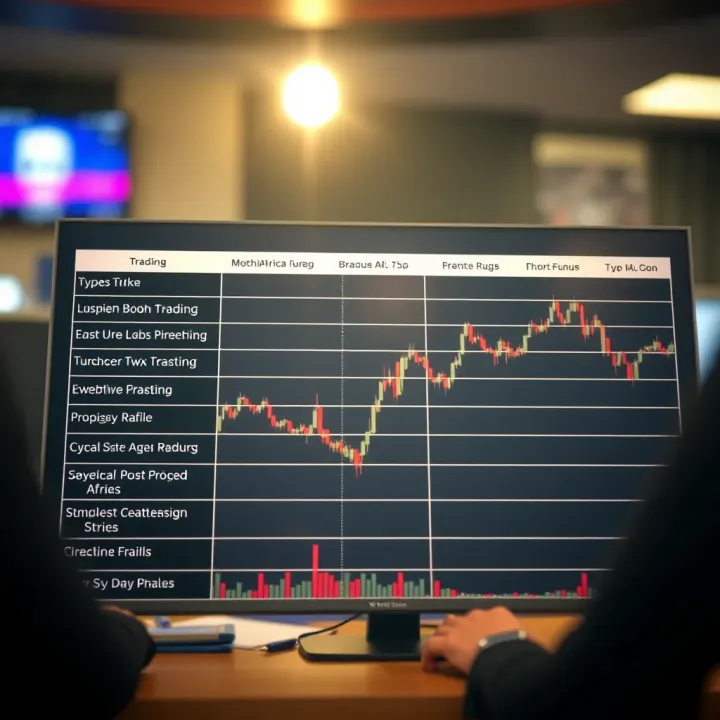
Full-service brokers provide hands-on management and tailored advice. They often assign you a dedicated adviser who understands your financial goals, risk profile, and investment horizon. For instance, such a broker might recommend a blend of JSE shares, government bonds, and unit trusts tailored for your long-term growth or income needs. This approach suits investors who want expert guidance without the hassle of constant market monitoring.
For newcomers or those preferring a hands-off style, full-service brokers offer reassurance through professional support. They simplify decision-making and often manage paperwork, tax documents, and rebalancing. Long-term investors benefit too since these brokers adopt strategies aligned with sustained wealth building rather than short-term speculation. While higher fees apply, the personalized service often justifies the cost for those seeking steady progress.
Discount brokers appeal to cost-conscious South African investors who are comfortable making their own decisions. These brokers typically charge much lower commission rates, reflecting fewer or no advisory services. You might trade on your own using market knowledge and come back only for execution, not guidance. This model suits savvy traders or those with smaller portfolios who want to minimise costs.
South Africa has seen a rise in digital-first discount brokers with user-friendly platforms. Examples include EasyEquities and SatrixNOW, which offer intuitive apps well-suited for everyday investors. These platforms simplify investing in local equities and ETFs without hefty fees. Being digital, they allow 24/7 portfolio access and quick trades, great for those comfortable with technology but wanting to avoid complicated broker jargon.
Online and mobile trading platforms offer clients direct access to markets through streamlined tools. Their features often include real-time quotes, charting tools, news feeds, and one-click order placements. Good platforms balance a clean interface with enough depth for analysis. For example, brokers like Standard Bank Online Trading or ABSA’s platform combine user-friendly design with advanced charting to appeal to both beginners and active traders.
With increasing digital trading, security is non-negotiable. South African brokers regulated by the Financial Sector Conduct Authority (FSCA) implement strict measures like two-factor authentication and encrypted data. It’s vital to choose platforms with a solid reputation to avoid scams or data breaches. Always check if client funds are held separately and insured, which offers protection even if the broker faces financial difficulties.
Choosing the right type of broker comes down to balancing cost, control, and support based on your investment style and needs. South African investors benefit when they understand these distinctions before committing their hard-earned money.
Choosing the right broker is a key step when you want to trade effectively in South Africa’s financial markets. Various factors affect not only the cost but also the safety, speed, and overall experience of trading. Being aware of these elements helps you avoid pitfalls like excessive fees or dealing with unregistered brokers.
South African trading is overseen primarily by the Financial Sector Conduct Authority (FSCA), which ensures brokers operate within legal and ethical boundaries. Although the UK’s Financial Conduct Authority (FCA) plays no direct role here, South African brokers might align with FCA standards if they offer international market access. FSCA regulation is crucial because it protects investors from unscrupulous operators and enforces disclosure of key information.
Protecting client funds is another vital factor. Brokers should keep client money separate from their own operating accounts, usually in approved banks. This segregation means your funds are safer, especially if the broker runs into financial trouble. For instance, many reputable brokers in South Africa maintain trust accounts to meet this requirement, providing peace of mind for investors.
Understanding commission models is essential to know what you pay per trade. Some brokers charge a flat fee per transaction, suitable for high-volume traders, while others take a percentage of the trade value. For example, a 0.25% commission on a small trade might seem minor but adds up over time, while a flat fee can be more predictable.
Account and platform fees come on top of commissions. Some brokers offer zero monthly fees but charge for withdrawals or data access, while others bundle everything into a fixed monthly fee. For casual investors using popular South African platforms, this could mean paying R50-R100 monthly for access, which is worth weighing against how actively you trade.
Good charting and analysis tools are more important than casual traders might realise. These features help spot market trends, identify entry points, and manage risk. For example, platforms like EasyEquities and Standard Bank Online Trading provide built-in charting with various indicators to suit different styles.
Accessibility of customer support rounds off the experience. When markets move quickly or problems appear, you want prompt, helpful service. Brokers offering live chat or telephone support during local trading hours reduce stress if issues arise. Also, locally based support familiar with South African requirements is often more effective.
When choosing a broker, don’t just compare fees—check their reputation, tools, and how easy it is to reach real support. That will save you headaches down the line.
Balancing these factors will help you pick a broker that matches your trading style and comfort level while keeping your investments secure and costs transparent.
Investing through brokers in South Africa brings various risks that every trader must grasp. Knowing these risks clearly can prevent costly mistakes and help you manage your portfolio wisely. Alongside understanding risks, you also carry important responsibilities that contribute to safer, more effective investing.
Price fluctuations often catch investors off guard. The value of shares or assets can swing widely within short periods, influenced by market sentiment or unexpected news. For example, a mining stock on the JSE might drop sharply if global commodity prices dip or if there’s an operational hiccup locally. Such volatility means losses are possible even for well-researched choices, so recognising this is key.
Moreover, external economic and political events add extra layers of uncertainty. South Africa’s interest rate changes or Eskom’s loadshedding schedules can affect market confidence profoundly. Political instability or policy shifts, like sudden tax reforms or trade negotiations, often ripple through stock prices. Investors should stay plugged into these developments to anticipate and react to market reactions prudently.
Counterparty risk refers to the chance that the broker itself might face financial troubles or fail to execute trades properly. While this is rare with FSCA-licensed brokers, it’s wise to verify a broker’s track record and reputation before trusting them with your funds. Practical steps include choosing brokers with clear client fund segregation and solid financial standing.
Avoiding scams and unlicensed operators remains a significant challenge. There’ve been cases where fraudulent brokers approach inexperienced traders with unrealistic return promises, only to vanish with client funds. Always confirm the broker’s licensing with the Financial Sector Conduct Authority (FSCA) and be sceptical of unsolicited offers or pressure sales tactics.
Always remember: trading through a legitimate, well-established broker protects you from many pitfalls, but staying alert is your best defence.
Due diligence and thorough research underpin successful trading. Before buying shares or derivatives, you must look beyond recommendations and verify the company’s performance, sector trends, and broader market context. For example, checking earnings reports, management credibility, and even market commentary can reveal valuable insight not immediately obvious.
Regular portfolio review helps you stay on track and adjust to shifting conditions. Markets don’t stay still, and what worked last year may not suit your risk appetite or goals now. Set aside time quarterly or biannually to assess your investments’ performance and rebalance if needed, ensuring you don’t get stuck with an overly concentrated or outdated holding.
Maintaining awareness of these risks and responsibilities empowers you to navigate broker trading confidently and avoid surprises. Approach the market with clear eyes and careful planning to make your investments work smarter for you.
Getting involved in broker trading can be straightforward once you understand the steps and tools you need. This section focuses on practical advice tailored for South African investors to make smarter decisions, avoid pitfalls, and manage costs effectively. It goes beyond theory to show how you can actually get going and operate confidently.
Opening a broker account in South Africa requires compliance with legal identity verification processes. The Regulation of Interception of Communications Act (RICA) mandates that telecommunications providers and financial institutions verify your identity to curb fraud and money laundering. Alongside this, the Financial Intelligence Centre Act (FICA) requires brokers to collect proof of ID, address, and sometimes financial information before allowing you to trade.
These checks may feel like paperwork hurdles, but they're necessary safeguards. For example, a broker will typically ask for your South African ID book or smart ID card, a recent utility bill, and possibly bank statements. Having these documents ready can smooth your account opening.
Once you meet RICA and FICA requirements, opening a broker account usually involves completing application forms either online or in person. Many local brokers have shifted towards fully digital onboarding — platforms like EasyEquities and SatrixNOW allow you to open an account from your laptop or mobile within minutes.
Expect to link a valid South African bank account for deposits and withdrawals. Some brokers might require a minimum deposit, often from as low as R100. Reading the terms and conditions carefully helps you understand trading permissions, fees, and withdrawal timelines. Don’t rush — a slow and steady start helps avoid surprises.
South Africa offers a range of broker options, each suited to different needs. EasyEquities is popular among beginners due to its low fees and fractional investing. For more active traders, firms like PSG Online, Standard Bank Web Trader, and FNB Securities offer more advanced tools.
Choosing a platform that suits your trading style is key. For example, if you prefer shares listed on the JSE and international ETFs, EasyEquities provides access with transparent pricing. Whereas platforms attached to big banks might offer added security but higher fees.
Many brokers offer both mobile apps and desktop platforms, each with pros and cons. Mobile trading apps let you monitor your portfolio and execute trades on the go — ideal for a busy professional or someone who wants to react quickly to market moves. Desktop platforms can provide more powerful charting and screen space for detailed analysis.
A balanced approach might be using your desktop for planning and research, while reserving mobile for quick trades or checking updates. Always ensure that your devices are secured with strong passwords and, where possible, two-factor authentication to protect your account.
Brokerage fees and other costs can quietly eat into your returns. Opt for brokers that offer transparent, low-cost trading. For example, EasyEquities charges one of the lowest commissions in South Africa, with a clear fee schedule.
Watch out for hidden costs like platform fees or withdrawal charges. If you trade frequently, these matter. For less active investors, consider lump sum trades or unit trusts to avoid paying fees repeatedly.
Spreading your investments across different assets reduces risk. For South African investors, this could mean mixing JSE shares with global ETFs, bonds, and possibly currency exposure.
Use the tools provided by your broker to evaluate your portfolio. Many platforms show asset allocation and risk levels, helping you spot potential overexposure. For instance, don’t put all your savings into one sector like mining or retail; spread across industries and geographies.
Practical trading means balancing costs, managing risks, and using platforms suited to your lifestyle. Starting carefully, staying informed, and reviewing regularly can help you get the best out of broker trading in South Africa.
Explore the key features and types of trading platforms tailored for South African traders 📊. Learn how to select the right platform while understanding local regulations 📈.

🤖 Discover how binary bots operate in South African trading, their risks, benefits, and legal rules to know before you start using these automated trading tools locally.
🤖 BinaryBot automates binary options trading for South African traders, offering tools, risks, and practical tips to trade smarter with local market insights.

🤖 Learn how forex trading bots work, their pros and cons, and top platforms for South African traders. Manage risk wisely and stay compliant with local rules.
Based on 14 reviews