

ThinkMarkets Review for South African Traders
Explore ThinkMarkets for South African traders 🇿🇦: detailed review covering platform features, fees, support & education to guide your trading decisions.
Edited By
Emily Carter
In South Africa, the Consumer Price Index (CPI) is a key economic indicator that tracks changes in prices for a basket of goods and services over time. It serves as the official measure of inflation, influencing decisions by the South African Reserve Bank (SARB), businesses, investors, and households. Understanding when CPI data is released helps traders and analysts react swiftly to market movements and adjust strategies accordingly.
The responsibility for compiling and releasing the CPI falls on Statistics South Africa (Stats SA). They collect detailed price data monthly from different regions and sectors, making it a comprehensive snapshot of inflation trends across the country. Stats SA publishes the CPI figures roughly two to three weeks after the end of each month, usually mid-month—for example, January's CPI results typically appear around mid-February.

The timing of CPI releases is crucial because it directly affects market expectations around interest rates, currency strength, and bond yields. An unexpected rise or drop in inflation can cause sudden shifts in the rand and equity markets, making access to the latest data vital for anyone involved in financial decisions.
For investors and traders, precise release timing offers an edge. Knowing exactly when the CPI report goes live allows you to prepare for volatility. Portfolio managers use the data to hedge against inflation risks, while analysts update forecasts and models to reflect current conditions. Banks and credit institutions consider CPI figures when setting lending rates, impacting borrowing costs across the economy.
Here is a quick guide to CPI release timing and relevance in South Africa:
Frequency: Monthly updates published typically around the 15th to 17th of the following month.
Source: Official releases come from Statistics South Africa, conducted according to internationally accepted standards.
Impact: Significant on SARB's interest rate choices, exchange rate volatility, and inflation-linked securities.
Where to Access: Results are accessible on Stats SA's website and reported by financial news outlets and platforms like MyBroadband or BusinessTech.
Confidence in interpreting CPI timing lets you react faster to economic shifts. Keeping an eye on the calendar and understanding how and why Stats SA releases this data means you're better prepared for the ripple effects inflation numbers have throughout South Africa’s economy and financial markets.
The Consumer Price Index (CPI) plays a key part in shaping South Africa's economic environment. It provides a snapshot of how prices for everyday goods and services change over time. This information matters, not just for Pretoria or the Reserve Bank, but for everyday households and businesses across the country.
The CPI tracks price changes for a basket of goods and services that typical South African consumers use. These include essentials like food, petrol, electricity, housing costs, transport fares, and clothing. For example, if the price of maize meal rises due to drought impacts on farming, this will push the CPI numbers up. The CPI reflects the inflation consumers face, showing how much more or less they pay compared to previous months or years.
Changes in the CPI ripple through South African society. For families, a higher inflation rate means tighter budgets, especially when basic items like bread or electricity get more expensive. Businesses use CPI data to adjust salaries, costs, and pricing strategies—if costs rise, they might increase prices or cut back elsewhere.
On the policy side, the South African Reserve Bank keeps a close eye on CPI figures to decide whether to raise or lower interest rates. For instance, persistent high inflation could prompt SARB to increase rates, making loans more expensive but aiming to cool down price hikes. This directly influences mortgage payments and borrowing costs across the economy.
The CPI isn’t just a number; it’s a key economic indicator that impacts your daily spending power and the broader financial decisions in the country.
In South Africa, where many rely on fixed incomes or struggle with rising fuel and electricity costs, understanding the CPI helps anticipate challenges and plan accordingly. Investors and traders also watch CPI releases closely, as unexpected inflation changes can shift markets quickly.
Getting a grasp on what the CPI shows and why it matters provides valuable context once the release dates come around. That way, when the next CPI is published, you’ll know just how it might affect your bottom line or strategy.
Understanding who is responsible for compiling the Consumer Price Index (CPI) in South Africa is crucial for appreciating the data's accuracy and reliability. This insight helps traders, investors, and analysts grasp where the figures come from, allowing for informed decisions based on trusted economic indicators.

Statistics South Africa, commonly referred to as Stats SA, is the official body in charge of collecting, analysing, and releasing CPI data. As the national statistics agency, Stats SA must ensure the CPI faithfully reflects price changes that affect South African households. Their role extends beyond just number crunching—they uphold strict quality controls to maintain data integrity. For example, when inflation spikes unexpectedly, it's Stats SA’s timely CPI report that equips businesses and policymakers to respond appropriately.
Moreover, Stats SA maintains transparency by detailing their methodologies and providing CPI updates on a regular schedule. This allows market participants to anticipate data releases, adjusting strategies around inflation trends. It’s worth noting that the authority’s reputation means their CPI figures carry significant weight in markets, influencing decisions from bond yields to retail price adjustments.
The CPI is compiled using a wide range of price data collected monthly from various points of sale across urban and rural South Africa. These include supermarkets like Pick n Pay and Woolworths, petrol stations, clothing outlets, and service providers. By monitoring prices of essential goods and services—such as bread, petrol, electricity, and public transport—Stats SA can track inflation at a granular level.
Their methodology involves assigning weights to different goods based on household expenditure patterns gleaned from the latest living conditions surveys. For instance, if families typically spend more on transport and less on luxury items, those spending habits influence how strongly each category affects the overall CPI.
Stats SA’s method ensures that the CPI is a practical reflection of cost changes South Africans face, not just an abstract economic measure.
In addition to direct price collection, Stats SA uses imputation techniques when data is temporarily unavailable, ensuring the index remains consistent month on month. Their transparent data processing standards meet international statistical requirements, making South Africa’s CPI comparable with global inflation measures.
Overall, knowing Stats SA’s exact responsibilities and approach shows why their CPI data is respected by South African markets and beyond. This knowledge enables traders and analysts to better interpret CPI releases and anticipate their impact on everything from monetary policy adjustments by the South African Reserve Bank to shifts in consumer behaviour.
Understanding the timing of Consumer Price Index (CPI) releases is vital for anyone involved in finance or economic analysis in South Africa. The CPI measures inflation, which affects interest rates, bond yields, and the rand's value. Traders and investors particularly watch these releases closely to adjust their strategies ahead of market movements.
Statistics South Africa (Stats SA) publishes CPI data every month, without fail. This monthly rhythm provides a consistent stream of information, allowing analysts and businesses to track inflation trends and react promptly. For example, if a retailer notices rising inflation over several months, they might adjust pricing or stock levels accordingly. Monthly releases avoid long gaps in data that could leave the market guessing.
Traditionally, the CPI figures relate to the previous month. So when Stats SA releases April's CPI numbers in May, these figures reflect the economic activity and price changes from April. This lag is normal and necessary for collecting and processing accurate data.
Stats SA adheres to a predetermined release schedule, usually publishing CPI figures on a fixed weekday each month, often around the middle or third week. This predictability helps market participants plan their analyses and decisions ahead of time. For instance, if you know the CPI report drops every third Wednesday, you can prepare to watch the market closely around that date.
The releases occur during business hours, commonly at 10:00 am. This timing maximises media coverage and gives financial markets time to digest the information during the trading day. For example, the JSE and the rand forex markets incorporate CPI data into price movements shortly after release.
Missing, delaying, or unexpected timing changes in CPI releases can create unnecessary uncertainty, so Stats SA sticks to its schedule to maintain market confidence.
By understanding how frequently CPI reports come out and when exactly they are published, investors, brokers, and analysts can better anticipate market reactions and make sharper-informed decisions. In South Africa’s often volatile economic environment, this knowledge is more than just a nice-to-have—it’s a practical necessity.
Interpreting the Consumer Price Index (CPI) data correctly and understanding when it is released can significantly influence financial and economic decisions. The CPI gives you a snapshot of inflation levels by tracking price changes for a basket of goods and services commonly bought by households. However, reading these numbers without appreciating their timing might lead to missed opportunities or misguided strategies, especially for traders, investors, and businesses.
CPI data is typically provided on a monthly and annual basis, each serving a different purpose. Monthly inflation rates show how much prices have changed from one month to the next. For instance, a sudden rise in September's monthly inflation might hint at a short-term price shock, such as a spike in petrol prices due to international supply issues. Annual inflation rates compare the same month year on year, offering a clearer view of longer-term trends, like steadily increasing food prices because of drought conditions across key agricultural regions.
Grasping the difference helps you gauge if inflation is a temporary bump or part of a bigger trend. For example, an investor tracking these figures can decide whether to adjust bond portfolios or if a loan restructure is timely based on persistent inflation pressure.
The exact timing of CPI releases can impact market behaviour and decision-making processes across sectors. Businesses, especially those reliant on imports or with tight profit margins, use CPI data to adjust pricing, negotiate supplier contracts, or plan stock levels. If retailers see a higher-than-expected CPI report, they might prepare for increased cost pressures and adjust sales strategies accordingly.
Households also feel the impact. Inflation affects how far your salary stretches from month to month. Knowing CPI release dates means consumers can better plan expenses, savings, or loan repayments just before or after the new figures drop. Financial advisers often recommend reviewing personal budgets soon after CPI announcements to adjust for real changes in living costs.
Timing provides the edge: Reliable anticipation and understanding of CPI data drops can help manage risk — whether it’s repositioning investments, negotiating salary increases, or managing debt effectively.
In short, mastering CPI data’s nuances and when it becomes available allows traders, analysts, and everyday South Africans to respond promptly and strategically to inflation dynamics, reducing surprises and strengthening financial resilience.
Being able to access timely and accurate Consumer Price Index (CPI) data is crucial for anyone involved in financial markets, economic planning, and investment strategies. CPI reports inform decisions on inflation trends, interest rates, and cost of living adjustments. For traders and investors, keeping a close eye on CPI releases can provide an early warning about inflationary pressures that might affect asset prices or the value of the rand.
Statistics South Africa (Stats SA) is the official source for CPI data. Their website publishes detailed monthly reports usually around mid-month, reflecting data collected during the previous month. These reports offer not only headline inflation figures but also breakdowns by categories such as food, transport, and housing costs.
Beyond the Stats SA site, major financial news platforms like BusinessTech and Moneyweb quickly relay CPI results with expert commentary, which can help interpret the raw data. Financial institutions such as FNB or Standard Bank also distribute inflation updates that incorporate CPI figures into broader market insights.
For those preferring ready access, subscribing to newsletters or alerts from Stats SA or reputable economic analysts ensures you don’t miss the CPI release date or relevant updates. Markets in South Africa often react swiftly to CPI announcements, so staying informed contributes to better-timed financial moves.
CPI figures influence a range of financial decisions, from adjusting loan interest rates to setting wage negotiations. For example, a rise in inflation indicated by CPI may lead pension funds to revisit their asset allocations to protect returns against eroding real purchasing power.
Investors use CPI data to anticipate monetary policy changes by the South African Reserve Bank (SARB). When inflation rises above the SARB’s target range, interest rates might increase, impacting bond yields and equity valuations. Similarly, corporates factor CPI trends into cost forecasting and pricing strategies to remain competitive.
Economic analysts rely on CPI timing to forecast consumer spending behaviour and GDP growth. CPA data helps spot inflation spikes that may stem from sector-specific issues such as fuel price hikes or food shortages caused by weather disruptions in South Africa.
Staying ahead with CPI updates not only improves strategic financial choices but also helps you understand the underlying forces shaping South Africa’s economic environment. Whether you’re a trader, investor, or analyst, reliably accessing and applying CPI data is a key piece of the puzzle in managing risk and identifying opportunities.
Access to accurate CPI information is straightforward if you know where and when to look. From official Stats SA releases to expert analysis in the financial press, staying updated empowers smarter decision-making tailored to South Africa’s unique economic context.
Explore ThinkMarkets for South African traders 🇿🇦: detailed review covering platform features, fees, support & education to guide your trading decisions.

Discover the stories of South Africa’s richest traders 🤑, their unique strategies 📈, and how they've shaped both local and global markets 🌍.
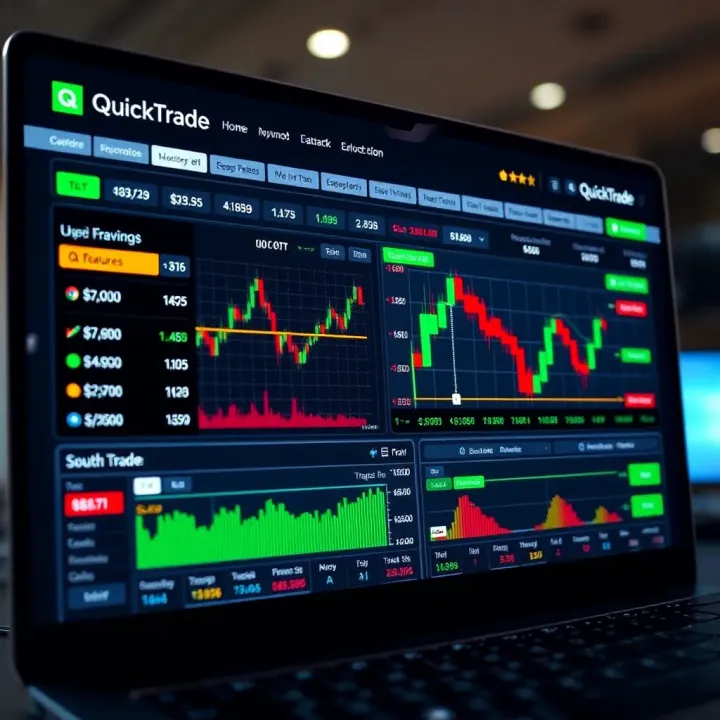
🔍 Explore QuickTrade with our in-depth review tailored for South African traders. Understand fees, security, usability, support & more before you trade!

📈 Learn how signal trading helps South African investors make smarter moves using alerts, market indicators, pros, cons, and strategy tips. 🇿🇦
Based on 6 reviews