
Understanding RCG Markets Registration in South Africa
📈 Learn how to register with RCG Markets in South Africa step-by-step. Discover legal requirements, safety tips, compliance, and support guidance.
Edited By
James Carlton
RCG Markets operates as an online trading platform, offering services primarily focused on CFDs (contracts for difference) and forex trading. For South African traders keen on making sound investment decisions, understanding whether RCG Markets is regulated is essential. Regulation safeguards clients by enforcing rules designed to protect their funds and ensure fair dealing.
Financial regulation in South Africa hinges on compliance with bodies such as the Financial Sector Conduct Authority (FSCA), which monitors brokers within the country to maintain market integrity. Globally, traders often look for licenses granted by established regulators like the UK’s Financial Conduct Authority (FCA), Australia’s ASIC, or CySEC in Cyprus as markers of trustworthiness.
However, RCG Markets is not registered or licensed with the FSCA. This absence means it isn’t subject to the oversight that local brokers undergo. The lack of official regulation brings certain risks—client funds may not be held in segregated accounts, and dispute resolution mechanisms accessible to South African traders might not apply.
That said, RCG Markets claims registration in offshore jurisdictions. While this can allow for more flexibility, it also means safeguards may not meet South Africa’s regulatory requirements. Regulatory environments vary widely, and offshore licences sometimes provide less protection for retail traders than licences from well-known onshore authorities.
For South African investors, trading with an unregulated or offshore broker carries inherent risks, including limited recourse if problems arise.
Traders should also consider how RCG Markets handles client money, whether it offers negative balance protection, and what kind of transparency exists around fees and order execution. These factors often reflect a broker’s professionalism and commitment to safety.
In practical terms, South African investors relying on unregulated platforms may find it difficult to recover funds in case of insolvency or fraud. It’s prudent to exercise caution and perform thorough due diligence, comparing alternative brokers that are FSCA-approved or hold licences from reputable international bodies.
Understanding RCG Markets’ regulatory status helps traders weigh the safety of their investments. Below, we'll explore these issues in more detail, outlining compliance checks and what it means for your trading security.
Financial regulation forms the backbone of trust and stability in trading markets. For someone considering platforms like RCG Markets, understanding how this regulatory framework works isn’t just academic – it’s a matter of protecting your savings and ensuring fair play. Regulation sets clear rules on how brokers should operate, which helps prevent shady dealings and keeps traders informed about the risks involved.
South Africa’s Financial Sector Conduct Authority, or FSCA, is the watchdog for financial services, including forex and CFD brokers. It licenses and monitors firms to make sure they follow the rules, protecting traders from scams or misleading practices. If a broker is FSCA-approved, it means they’ve met strict standards relating to transparency, capital reserves, and client treatment.
For instance, a broker regulated by the FSCA must segregate client funds from their own business accounts. This separation means even if the broker runs into financial trouble, your cash is safeguarded. Traders here can report complaints to the FSCA if something goes wrong, which wouldn’t be the case with unregulated brokers.
Outside South Africa, regulators like the UK’s Financial Conduct Authority (FCA), Australia’s ASIC, or Cyprus’s CySEC carry similar responsibilities. Brokers registered under these authorities are also bound by strict rules. Their role becomes crucial when you trade on offshore platforms because it gives a layer of oversight beyond just marketing claims.
If a broker claims to hold a licence from a respected international regulator, it’s usually a positive sign. However, rogue entities sometimes fake such licences. That’s why traders need to check the authenticity directly with the relevant regulator, not just rely on the broker’s word.
Regulation is more than bureaucratic red tape — it works to prevent fraud, abuse, and unfair practices. It ensures brokers do not just vanish overnight taking client funds, nor manipulate prices or trades to their own advantage. Regulated brokers must disclose risks clearly, so you’re not blindsided by hidden costs or conditions.
Additionally, these rules give traders legal recourse if disputes arise. Without regulation, you’d be throwing your lot in with a platform operating in the dark, with no safeguards to enforce fairness or transparency.
Brokers can’t simply decide to start operating; they need official licences from regulators confirming they meet financial and operational standards. This process involves proving sufficient capital, a clean track record, and reliable risk management practices.
In South Africa, the FSCA won’t licence a broker unless it confirms they can handle client money responsibly. For example, brokers must keep a certain amount of liquid capital ready to cover losses or client claims, reducing insolvency risks.
Regulation demands frequent reporting from brokers on their financial health and business activities. Independent audits often verify this data to prevent manipulation. This level of scrutiny forces brokers to stay accountable.
For traders, these reports indirectly assure that the broker is above board. If a broker skips audits or fails to provide clear reports, it raises red flags about their stability and honesty.
An essential aspect of regulation concerns how client funds are held and protected. Licensed brokers must keep client money in separate bank accounts, away from operational funds. This safeguards your deposits from misuse or claims against the broker’s business debts.
Besides segregation, many regulators also require compensation schemes. In cases where brokers collapse or commit fraud, affected clients might recover some losses through these schemes. While no system is perfect, these protections offer much better odds for traders than dealing with unregulated platforms.
In essence, regulation acts like a safety net that catches traders from falling victim to malpractice or insolvency. It’s not foolproof, but it certainly raises the bar on broker behaviour and accountability.
Understanding the services and market presence of RCG Markets is a vital part of assessing its suitability for traders, especially in South Africa. This overview sheds light on what the broker offers and how accessible it is, which directly affects traders’ ability to execute their strategies and manage their investments safely.
Forex and CFDs: RCG Markets provides access to forex trading, which involves buying and selling currency pairs like USD/ZAR or EUR/USD. This market is the backbone of global trading due to its high liquidity and round-the-clock availability. Besides forex, RCG Markets offers Contracts for Difference (CFDs), giving traders exposure to a range of assets such as indices, commodities, and shares without owning the underlying product. For example, a trader could speculate on the price movement of the JSE Top 40 index or Brent crude oil via CFDs, allowing diversified trading opportunities through a single account.
Cryptocurrency Trading Options: The platform also features cryptocurrency trading, allowing access to popular digital coins such as Bitcoin, Ethereum, and Ripple. This inclusion reflects growing interest among South African traders seeking exposure to volatile and potentially rewarding markets beyond traditional assets. However, it’s worth noting that crypto trading on such platforms often involves higher risk due to market fluctuations and less regulatory oversight.
Account Types and Features: RCG Markets offers various account types tailored to different trader levels, ranging from beginner to professional. Each account comes with unique trading conditions, such as leverage limits, minimum deposit requirements, and spreads. For instance, a basic account might require a smaller initial deposit and offer standard spreads, while a premium account provides tighter spreads and faster execution but demands a higher deposit. Understanding these differences helps traders match their needs and risk appetite with the right account.
Trading Platforms Supported: Accessibility is key, and RCG Markets supports multiple trading platforms, including the popular MetaTrader 4 and 5 (MT4/MT5). These platforms provide user-friendly interfaces, real-time charts, and technical indicators crucial for making timely trade decisions. Additionally, having mobile versions means traders can manage positions on the go, an important feature for South Africans who may rely on mobile data and need flexibility.
Customer Support and Education: Good support is essential when navigating financial markets. RCG Markets offers customer service channels, typically via live chat, email, and phone. Alongside this, educational resources such as webinars and tutorials help traders improve their understanding of market mechanisms—an advantage for South African traders who might be new to forex or CFDs.
Account Funding and Withdrawal Methods: Practical considerations like depositing and withdrawing funds also impact traders heavily. RCG Markets usually accepts local and international payment methods, including bank transfers, credit/debit cards, and e-wallets. Quick and reliable withdrawals are particularly important to avoid cash flow issues, especially with fluctuating exchange rates and transaction costs common in cross-border transfers.
When evaluating any broker, looking at the specifics of what they offer and how easy they make trading will help you weigh the risks and benefits before committing your hard-earned Rands.
This section gives traders a clearer picture of RCG Markets’ offerings and operational ease, which is critical before diving deeper into regulatory and compliance aspects later in the article.
Knowing whether RCG Markets is regulated is a vital step in deciding if this broker is a safe option for trading. Regulation serves as a safeguard, ensuring brokers follow strict rules meant to protect your money and prevent shady dealings. Without clear compliance, traders face unnecessary risks, from losing funds to legal battles that often end unfavourably.
RCG Markets claims to be regulated by certain authorities, but the key question is which regulators and whether these are robust bodies recognised internationally or within South Africa. For example, brokers operating here should ideally be licensed by the Financial Sector Conduct Authority (FSCA). Offshore licences from less reputable jurisdictions may not carry the same weight. Knowing the exact regulators helps you gauge the broker's credibility and the protection you can expect.
Simply stating a licence is held isn’t enough; checking its authenticity is crucial. You can verify licence numbers directly through regulator databases like the FSCA’s official register. This step helps catch brokers falsely claiming regulation or using expired licences. For instance, if RCG Markets lists a licence from the FSCA, your first move should be to confirm it's active and not under any warning or suspension.
Putting RCG Markets side-by-side with other brokers regulated by well-known authorities provides perspective. South African brokers like IG or EasyEquities, regulated by the FSCA and backed by stringent rules, set a benchmark. Comparing their compliance levels and service standards highlights whether RCG Markets meets expected norms or falls short, helping you make an informed decision.
Unregulated brokers often lack oversight, increasing the chances of fraud, unfair practices, or mismanagement of client funds. This might mean manipulative pricing, withdrawal delays, or even disappearing acts. Traders have shared stories about brokers vanishing with their money or refusing payouts, illustrating these dangers starkly.
Without regulation, your options for legal protection shrink dramatically. If disputes arise, such as unauthorised trades or frozen accounts, there’s little chance of official intervention. Regulatory bodies often offer avenues for complaint resolution, but with an unregulated broker, you’re mostly on your own, which can lead to lengthy, costly, and usually fruitless legal battles.
Regulated brokers must keep client funds separate from their operational money – a practice known as segregation – which increases fund safety. Unregulated brokers might mix funds, putting your capital at risk if the company goes under. Plus, some market instruments or products require a broker to have certain licences. Unregulated brokers may lack access to these, limiting your trading options or exposing you to less transparent markets.
When it comes to trading, regulation isn’t just a box to tick—it’s your first line of defence against financial harm.
Understanding RCG Markets’ regulatory standing, therefore, isn’t just academic; it directly affects your money’s safety and your peace of mind as a trader. Always prioritise brokers regulated by reputable authorities, particularly those overseen by the FSCA if you’re in South Africa, to ensure a safer trading experience.
It's vital for South African traders to be able to assess whether a broker is legitimate before investing. The financial world is full of options, but not all brokers operate above board. Knowing how to verify their credentials can save you from losing money through scams or poorly regulated platforms.
The Financial Sector Conduct Authority (FSCA) regulates financial services providers in South Africa. Traders should start by visiting FSCA's official register to see if the broker appears on it. This register lists all firms authorised to offer financial services locally, including forex and investment platforms.
Besides the register, checking FSCA warnings or alerts about certain brokers can also provide insight into potential risks. For instance, if a broker is under investigation or has had consumer complaints, FSCA makes such information available. This step is straightforward and can save you from engaging with entities operating without proper oversight.
Besides the FSCA, traders can benefit from independent resources that track and review brokers. Websites like MyBroadband and Investing.com host community discussions and expert reviews that shed light on brokers’ reputations.
Keep in mind that while online reviews offer a useful perspective, it's important to filter out fake or overly promotional feedback. Look for consistent patterns across multiple platforms rather than relying on a single glowing review. South African trading forums and Facebook groups can also be useful to hear from fellow traders about their real experiences.
Every legitimate broker should provide their licence number and the details of their regulatory authority. Traders should confirm these numbers on the regulator's website or through direct enquiries. For example, if a broker claims FSCA registration, you should verify the licence number on the FSCA site.
Be cautious of brokers using fake or expired licence numbers. Also, be aware that some brokers might have licences in offshore jurisdictions that are less stringent, which might not offer the same client protections. Understanding the strength of the broker’s regulatory jurisdiction is just as important as the mere presence of a licence.
South Africa has several brokers registered and regulated by the FSCA, such as EasyEquities and CM Trading. These brokers comply with local laws, providing a higher degree of confidence for traders in Mzansi. Using FSCA-regulated brokers means you benefit from protections like dispute resolution mechanisms and mandated client fund segregation.
Local brokers tend to offer familiar payment options, easier access to customer support in South African time zones, and clearer communication channels. They also better understand local tax and legal requirements, meaning less hassle when it comes to reporting profits or withdrawing funds.
By sticking to local, regulated brokers, you avoid many pitfalls associated with offshore brokers that may not provide straightforward legal recourse if things go sideways.
While some offshore brokers may advertise lower fees, regulated South African brokers often balance cost with quality service and safety. For example, local brokers often comply with client fund protection rules, which adds some operational costs but protects your money.
Moreover, support services, including education programmes tailored to South African audiences, can make a real difference in your trading experience. Sometimes, paying a little more for a trustworthy and transparent broker is wiser than risking funds with unregulated platforms.
Always double-check before choosing your broker: protection against fraud and smooth trading experience can save you both money and stress. Trading isn’t just about picking the right asset—it’s about picking the right partner too.
Choosing the right trading platform isn't just about flashy features or big promises—it's about safety, transparency, and reliability. For South African traders navigating the world of forex and CFDs, understanding how to balance risk and opportunity can make all the difference between a solid investment and a costly mistake. This section underlines practical considerations to keep in mind, helping you make informed decisions in a market where some brokers aren’t properly regulated.
Due diligence isn't just a buzzword; it's the foundation of smart trading. Before handing over your hard-earned rand to any broker, check their regulatory status carefully. Look beyond marketing hype—confirm licences through official channels like the FSCA, then cross-examine their claims on independent review sites. For instance, if a broker promises returns that sound too good to be true or lacks clear regulatory backing, that’s a red flag.
Due diligence also means reading the fine print. Understand fees, leverage rules, and withdrawal terms upfront. Without these checks, you risk falling prey to hidden charges or delayed payments, which can erode your profits and trust. Consider RCG Markets or any other platform in this light before investing.
Trading with an unregulated broker often means accepting higher risks. They might offer attractive spreads or bonus schemes to lure you in, but the lack of oversight can expose you to unfair practices or issues with fund security. It's wise to manage your expectations around such brokers—realise that your funds might not be safeguarded by regulatory protections.
For example, some unregulated platforms may not segregate client funds, making your money vulnerable if they face financial trouble. If you are tempted to trade with them, do so only with capital you can afford to lose and stay alert to any signs of irregularities, such as withdrawal delays or poor customer support.
Knowing when to walk away is as important as knowing when to dive in. If a broker refuses to provide verifiable licence details, pressures you into quick deposits, or shows a history of complaints, it's time to step back. Don’t ignore gut feelings signalling something’s off.
Even if a platform offers great trading conditions, your safety should come first. Walking away from a questionable broker prevents unnecessary exposure to fraud and financial loss—better to find a regulated, trustworthy alternative suited to South African traders' needs.
Regularly consulting regulatory websites like the Financial Sector Conduct Authority (FSCA) helps you stay updated on licenced brokers and relevant warnings. These sites publish alerts on unregistered entities and maintain registers that are easy to access.
By verifying a broker’s status directly from such sources, you avoid being duped by fake licences or misleading claims. It also keeps you aware of any regulatory changes that might affect your trading rights.
Engaging with local trading forums and social media groups can provide firsthand insight and practical tips. Platforms like MyBroadband or dedicated Facebook groups allow you to share experiences and spot emerging scams early.
These communities offer a chance to learn from others’ successes and mistakes, making your trading journey more informed and less risky. Just remember to cross-check any advice with official resources.
Education is a trader’s best ally. South African platforms offering courses and tutorials, such as FSCA-backed initiatives or private training hubs, help build a strong foundation in market mechanics, risk management, and technical analysis.
Continuously upgrading your skills empowers you to make better decisions, identify suspicious broker behaviour, and ultimately enhances your trading confidence. Don’t underestimate the value of learning before investing.
Staying informed and cautious isn’t optional—it’s your best defence against scams and bad brokers. Use every tool at your disposal to trade safely and succeed.
📈 Learn how to register with RCG Markets in South Africa step-by-step. Discover legal requirements, safety tips, compliance, and support guidance.
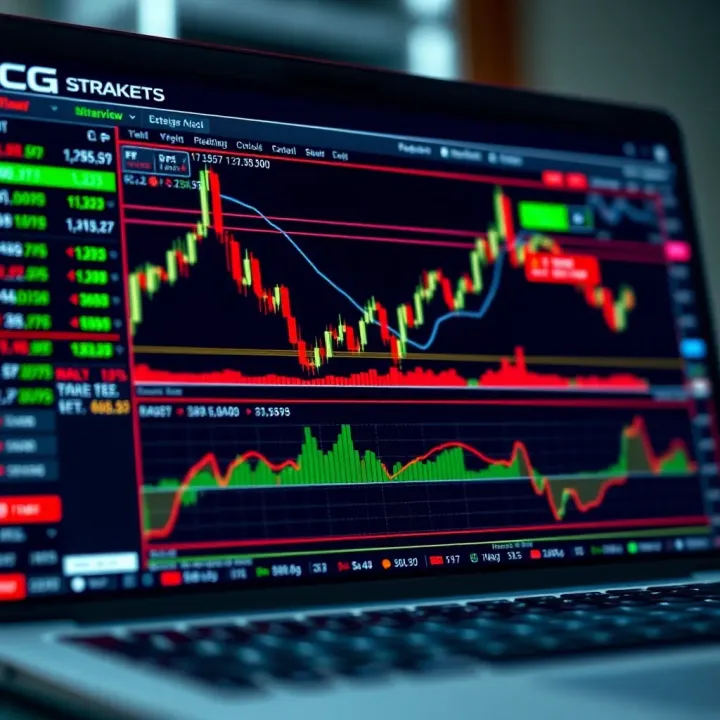
🔍 Explore RCG Markets in detail: trading tools, fees, support & regulation. Get insights to choose the right broker for South African traders! 🇿🇦

🔍 Learn how to use leverage on RCG Markets for smarter trading in South Africa. Explore benefits, risks, and risk management tips for better trades! 📈
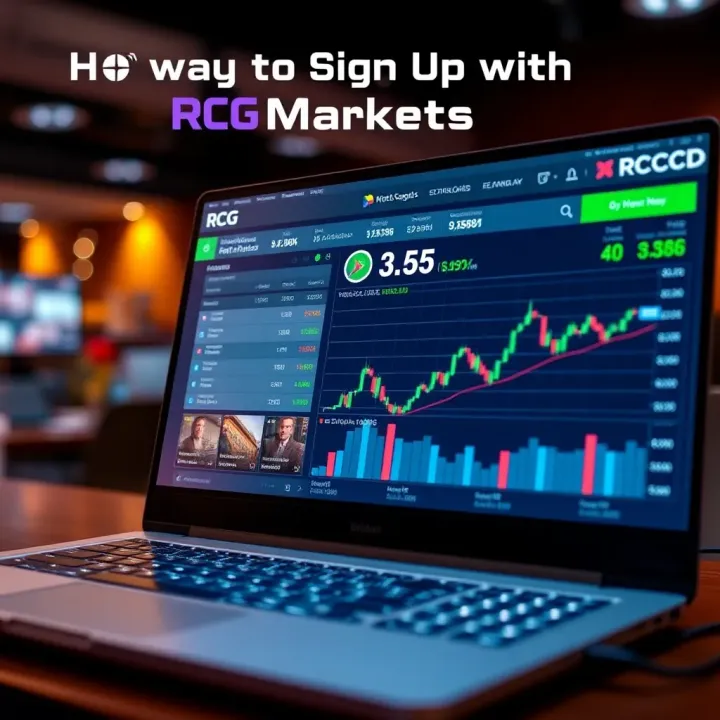
📈New to RCG Markets? Get step-by-step help to easily create your account, explore key features, and follow South Africa’s trading rules for a smooth start.
Based on 5 reviews