
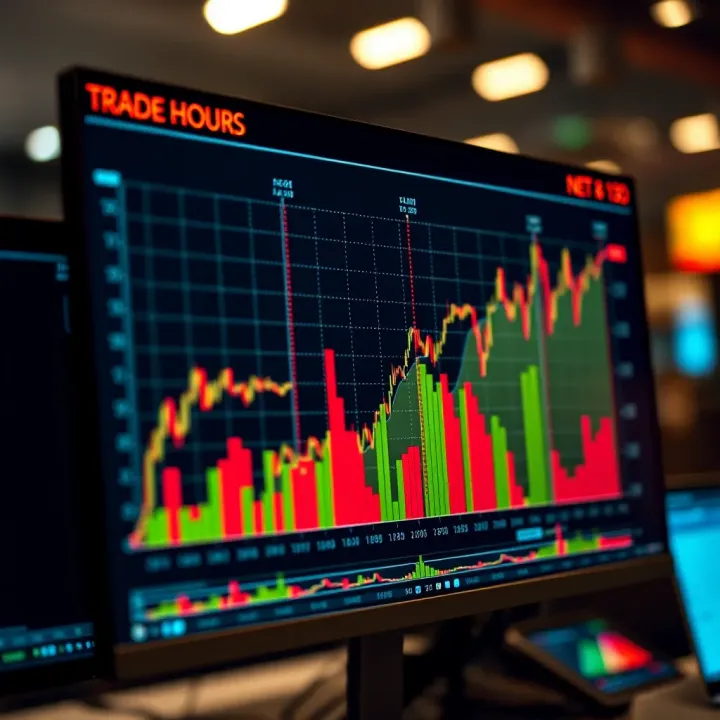
Understanding New York Trading Hours from South Africa
📈 Learn how to track New York trading hours from South Africa, convert times easily, understand market shifts, and trade smart during peak hours.
Edited By
William Turner
Traders in South Africa often find themselves juggling time zones, especially when keeping an eye on international markets. The New York trading session stands out as a major window of opportunity—it’s one of the most active periods for financial markets worldwide. But how exactly does this session line up with South African local time, and why does it even matter to traders here?
This article will break down the New York trading session hours in South Africa, showing when the market pulses and what that means for your trading strategies. We’ll cover everything from timing nuances and market overlaps to practical tips on capitalising on this session effectively. Whether you’re day trading forex, stocks, or other assets, understanding this timing can have a real impact on your results.

Join me as we unpack the essentials you need to know about syncing your trading day with New York’s market moves.
The New York trading session is a major chapter in the global financial market clock. For South African traders, understanding when this session kicks off, its rhythm, and what makes it tick can be the difference between catching a profitable wave or watching good opportunities slip by. Unlike some markets that might feel far removed, the New York session often overlaps with parts of the Johannesburg trading day, making it quite relevant locally.
Think of the New York trading session as the bustling hub of activity where the US markets wake up and start setting the tone. It's this session that often breaks early-morning market lull and injects volatility and volume that savvy traders can latch onto. Knowing the basics about this session gives South African investors clarity on when markets are most active, which assets are hot, and helps in planning trading strategies around these peaks.
The New York trading session officially starts at 9:30 AM Eastern Time (ET) and closes at 4:00 PM ET. If you’re in South Africa, this translates roughly to 3:30 PM to 10:00 PM South African Standard Time (SAST) during standard time periods. However, during US daylight saving time, which begins in mid-March and ends in early November, the session effectively shifts to 2:30 PM to 9:00 PM SAST.
This timing matters deeply because it aligns with the latter half of the European trading day and precedes the Asian close, creating a unique overlap period where liquidity surges. For traders in South Africa, this means prime hours to engage with markets when large institutions from New York are active. It’s not just about clock-watching; knowing these hours helps avoid missing key price moves that happen right at the open or close.
The New York session stands out for a few reasons. First, it's when the US financial markets — particularly the New York Stock Exchange (NYSE) and NASDAQ — are open, driving heavy activity in equities. Secondly, it kicks off the release of critical economic data such as the US Consumer Price Index or non-farm payroll reports, which can cause abrupt market reactions.
Volume and volatility generally pick up during this session, partly because it overlaps with the tail end of the London session. For South African traders, this is when the market moves with more confidence, presented by stronger trends and clearer price signals. Think of it as the market waking up from its midday nap and stretching its muscles.
The New York session carries weight well beyond US borders. Since the US dollar remains the world’s primary reserve currency, actions taken during this session reverberate across foreign exchange markets worldwide. Currency pairs that involve the US dollar — like USD/ZAR or EUR/USD — often demonstrate their most decisive moves when New York is active.
Moreover, geopolitical events and monetary policy decisions announced during this time shape investor sentiment simultaneously across continents. For example, a surprise Fed interest rate change announced during the New York morning can send ripples as far as Johannesburg, Cape Town, or Durban almost instantly.
Traders tuning into the New York session from South Africa find that certain assets gain prominence for liquidity and volatility. These include US equities like Apple and Tesla shares, US government bonds, and commodities such as gold and crude oil, all heavily influenced by American market dynamics.
On the forex side, major pairs like USD/ZAR, USD/EUR, and USD/JPY typically experience heightened activity. This provides South African traders with ample chances to take positions based on market momentum or reaction to US economic releases.
The New York session isn’t just about timing; it’s where many significant market-moving factors converge, offering South African traders prime opportunities aligned with global market flows.
Understanding these core points about the New York trading session equips South African market participants with a clearer roadmap for when and how to engage, improving both timing and strategy effectiveness.
For South African traders keeping an eye on the New York trading session, understanding the time difference is more than just a clock-watching exercise. It’s about syncing your trades with when the real action happens. The New York session is known for its high liquidity and volatility, meaning prices can move quickly when this market is open. To trade effectively, you'll want to know exactly when it starts and ends in your local time.
Say you’re a forex trader in Johannesburg wanting to catch the peak hours of the New York session. If you miscalculate the time difference, you might miss out on prime trading opportunities or risk making decisions during quieter times when spreads widen and volatility drops. That’s why converting New York trading hours accurately to South African Standard Time (SAST) isn’t just a nicety, it’s a necessity.
New York operates on the Eastern Time Zone (ET), which shifts between Eastern Standard Time (EST, UTC-5) and Eastern Daylight Time (EDT, UTC-4) depending on the time of year. This can make tracking the market tricky if you’re not paying attention to the calendar. From early March to early November, New York clocks jump an hour forward for Daylight Saving Time, meaning the session starts an hour earlier from a South African point of view.
For example, a 9:30 AM market open in New York corresponds to 3:30 PM SAST during EST but 2:30 PM SAST during EDT. Traders need to adjust their schedules accordingly — not doing so can lead to costly missed trades or getting caught out during less liquid periods.
South Africa sticks to a single time zone year-round, South African Standard Time (SAST), which is UTC+2. This means there’s no daylight saving to account for, making life simpler on our side of the globe. However, this constancy means the time difference with New York changes twice a year because New York switches between EST and EDT.
If you live in Cape Town, for instance, you’ll see the New York session open at either 3:30 PM or 2:30 PM local time depending on whether New York is on standard or daylight time. Staying aware of these seasonal shifts ensures you don’t trade blind.
Daylight saving in the US can feel like a curveball. When clocks spring forward in March, New York moves an hour ahead, effectively shifting its trading hours one hour earlier when converted to SAST. Conversely, when clocks fall back in November, the session shifts an hour later.
This back-and-forth can catch even seasoned traders off guard. A common mistake is to continue trading based on the previous schedule, leading to mistimed entries or exits. Keeping track of the daylight saving calendar is a simple but vital step. Financial news outlets and trading platforms like MetaTrader or cTrader usually automate this adjustment, but manual traders should mark these dates on their calendars.
Unlike New York, South Africa’s fixed standard time means your local time stays rock steady. While that sounds advantageous—and it is—it introduces complexity in converting foreign session times. Effectively, every March and November, the New York session “shifts” by an hour relative to SAST without South Africa moving a tick.
This discrepancy requires South African traders to recalibrate their trading hours twice a year to maintain alignment with New York’s market activity. For instance, a trader using previous data without adjusting for daylight saving changes might think the market opens at 3:30 PM SAST year-round, when in fact, for nearly half the year, it’s actually 2:30 PM.
Tip: To avoid confusion, maintain a simple spreadsheet or use reliable digital tools that adjust New York's trading hours for you based on the current date. This little effort can save you from big trading blunders.
Properly converting New York trading hours to SAST ensures South African traders are fully in sync with market rhythms. It’s a small time investment that pays off in making timely, confident trading decisions.
During the New York trading session, South African traders find themselves at the crux of vibrant market activity. This session stands out due to the high liquidity and distinct market behaviors that often contrast with local market patterns. Since many global financial announcements happen during this window, it’s critical for traders here to grasp what kind of trading activities unfold and how local timing impacts their strategies.

Volume and volatility are noticeably heightened in the New York session compared to other times, especially when it overlaps with the London session. For South African traders, this means there’s a surge in market moves during the early evening hours. For example, the USD/ZAR pair typically sees bigger price swings around 3pm to 10pm SAST, thanks to news releases and heavy institutional trading. This increased activity can create lucrative opportunities but also requires vigilance due to sudden price gaps.
Recognizing these patterns helps traders avoid times with low liquidity that might lead to slippage or erratic price behavior. It’s common for volatility to spike right after major economic reports like the US Non-Farm Payrolls, so planning trades around these times can limit unwelcome surprises.
South African traders tend to focus on several key instruments during the New York session. The USD/ZAR currency pair is naturally a favorite, given its direct relevance to the local economy. Besides that, major Forex pairs like EUR/USD and GBP/USD become highly active during this session, attracting traders who seek volatility and tighter spreads.
Commodities like gold and oil also see more volume since New York influences their pricing significantly. For instance, a South African trader watching gold markets from Johannesburg will notice sharp moves during New York hours because the city sets the benchmark price. Stock indices such as the S&P 500 are another focus, especially for those involved in CFDs or futures trading.
One of the biggest perks of the New York session for South African traders is the liquidity pool. Deep liquidity means tighter bid-ask spreads and smoother execution, which is a boon for both scalpers and swing traders. Because New York is a major financial hub, it attracts vast amounts of capital, allowing traders based in South Africa to enter and exit positions with minimal price impact.
This liquidity also supports higher volumes of trade on spotlight instruments like USD/ZAR, so larger orders are less likely to cause slippage. For example, a Johannesburg-based broker might experience peak client activity between 3pm and 9pm SAST as traders exploit this liquidity window.
Despite its benefits, the New York session is not without risk for traders on the other side of the globe. High volatility, while attractive, can lead to sharp, unexpected swings that catch the unprepared off guard. The rapid market moves during major US economic announcements can wipe out gains if stops aren’t set properly.
Moreover, the timing of the session means South African traders might face fatigue or diminished alertness late in the evening, which can affect decision-making. Many new traders get caught in overtrading during this volatile period, chasing quick profits but exposing themselves to greater losses.
Effective risk management and measured trade sizing are essential during New York session hours. Ignoring these can lead to costly mistakes.
In short, understanding the intricacies of trading activities during the New York session allows South African traders to plan better and trade smarter, balancing the advantages of ample liquidity and volatility with the inherent dangers they bring.
Navigating the New York trading session effectively requires some tailored strategies, especially for South African traders who deal with the time zone gap and unique market conditions. Since this session carries a lot of trading volume and volatility, having a clear plan can mean the difference between a good day and a rough one in the market. Smart strategies help optimize entry and exit points and reduce risks tied to sharp price movements during busy hours.
Timing is everything when trading during the New York session. The session typically runs from 15:30 to 22:00 South African Standard Time. That overlap with the London session (which closes around 17:00 SAST) often sees higher liquidity and price movement. Traders can capitalize on this by focusing their trades in the first two to three hours.
For example, a forex trader in Johannesburg paying attention to GBP/USD or EUR/USD pairs should watch closely from 15:30 to about 18:30 SAST. This window tends to bring sharp moves influenced by both US and UK market events. On the flip side, the latter part of the session often slows down, which might not be ideal for scalping or day-trading.
A good practice is to set alerts or reminders for key times, so you don’t miss when the market heats up. Also, avoid jumping into the market right at the opening bell without observing if the initial momentum aligns with your strategy.
Volatility in the New York session can lead to quick profits but also sudden losses if you aren’t careful. South African traders should always incorporate strong risk management techniques. This means setting stop-loss orders tightly enough to avoid large drawdowns but not so tight that normal price fluctuations trigger them prematurely.
Consider using position sizing that fits your risk tolerance. For instance, only risking 1-2% of your trading capital on any single trade can help you stay afloat even during choppy periods. Also, avoid chasing trades during news releases — it’s tempting to jump on a fast move, but this can backfire if the market suddenly reverses.
One practical example: If you're trading USD/ZAR during US non-farm payroll releases, expect the pair to swing wildly both ways before the dust settles. Being patient and trading smaller sizes during these periods can protect your capital.
Certain technical indicators work well during the New York session’s unique rhythm. Moving averages, such as the 20 and 50 EMA, can help identify short- to mid-term trends during these volatile hours. Traders often look at RSI (Relative Strength Index) for spotting overbought or oversold conditions, especially around major news releases.
Another helpful tool is the Volume indicator because volume spikes often confirm the strength of a price move, and, as we know, the New York session sees higher trading volumes than other sessions.
For example, if EUR/USD breaks a resistance level with increasing volume around 16:00 SAST, it might signal a sustained breakout worth following. On the contrary, if volume is low, price movements might lack conviction.
Fundamental analysis plays a big role during the New York hours because many important US economic indicators come out then. South African traders need to keep an eye on the calendar for events like the Federal Reserve interest rate decisions, non-farm payrolls, CPI inflation data, and retail sales.
These reports can cause sudden spikes in volatility and overturn existing market trends. Watching the news closely enables traders to either take advantage of these moves or stay clear when risk rises too high. There are many financial news platforms, such as Bloomberg and Reuters, that offer real-time updates timed for the US market hours.
A smart trader might plan to close positions or tighten stops just before a major release and reassess once the market digests the news, thus avoiding being caught on the wrong side of the trade.
Understanding and applying robust trading strategies during the New York session can significantly boost your chances of success in South Africa. Timing your moves wisely and keeping an eye on both charts and news is a solid path forward.
Understanding when the New York session kicks off and winds down in South Africa isn’t just a matter of knowing the clock difference. It’s also about having the right tools and resources at your fingertips. These help traders stay sharp, make timely decisions, and avoid missing crucial market moves.
Having reliable platforms for time conversion, live data, and news alerts can be a real game-changer. For example, without accurate session trackers, you might end up executing trades outside peak activity hours, which can reduce liquidity and increase spreads. With the New York session being a major market mover, these resources make the time difference manageable and help you stay on point.
Using a world clock app tailored for forex traders comes in handy when you need to keep tabs on different markets simultaneously. Some popular tools like Forex Factory's session clock or MyFxBook session indicator display live trading hours for New York, London, and Tokyo—all adjusted automatically for daylight saving time changes. What makes these tools vital is their ability to update session openings and closures in real time, avoiding manual mistakes.
Imagine you're in Johannesburg, it’s 15:00 SAST and about to enter the New York session. A forex session tracker can confirm this switch and indicate when trading volume and volatility will spike, allowing you to plan your trades accordingly. This precision saves time and spares traders from the headache of constantly recalculating the time difference, especially when daylight saving kicks in.
Many trading platforms, such as MetaTrader 4, Thinkorswim, and cTrader, now have built-in session timers. These integrated timers show you when the New York session opens and closes, right alongside your charts. It’s more than a convenience; it streamlines your trading workflow by combining market analysis and session timing in one place.
For example, if your charts highlight increased volatility during the New York session, having the session timer visible helps you pinpoint when to tighten stop losses or scale in/out of positions. This practical feature keeps you from second-guessing and helps with faster decision-making during active hours.
Staying updated on news that breaks during the New York session is a must for traders in South Africa. Financial news outlets like Bloomberg and Reuters provide real-time updates on crucial economic indicators, corporate earnings, and geopolitical events timed with the New York market.
Notifications from these sources allow you to react quickly — say, the US Nonfarm Payroll numbers release at 15:30 SAST, signaling sharp market moves. Having timely access to this info can mean the difference between profiting from a move and getting caught on the wrong side.
Setting up alerts for key market events is an underused but incredibly effective tool. Apps like Investing.com or TradingView let you create custom notifications based on economic releases or market volatility thresholds specific to the New York session.
For instance, you can receive an alert five minutes before the Federal Reserve announces interest rate decisions. This heads-up lets you position yourself well, manage risk, or stay out until the market settles if you're cautious. Such alerts keep traders reactive and prevent missing out due to the time gap.
Having the right tools—world clocks, integrated session times, news updates, and event alerts—is essential for South African traders. These resources simplify navigating the time difference and keep you tuned in to the pulse of the New York market, so you can trade smarter and more confidently.
Understanding how the New York session lines up with other major forex trading periods is key for South African traders. The forex market never really sleeps, but the times when these sessions overlap are when things get interesting — more opportunities, but also more risk. Knowing the dynamics between New York, London, and Asian sessions gives you a leg up in spotting liquidity spikes and volatility shifts.
The New York session runs roughly from 14:30 to 21:00 South African Standard Time. This means it overlaps with the London session in the afternoon hours, typically between 14:30 and 17:00 SAST. This window is critical because both European and US traders are active, creating a flurry of market activity. In contrast, the New York session only lightly overlaps with the Asian session during the early New York hours, around 14:30 to 16:00 SAST, when Asian markets close.
This overlap between London and New York is often called the "golden hours" for trading because prices can move fast, and trading volume surges. Trades executed during this period often experience tighter spreads and more reliable price action, ideal for strategies focusing on momentum or breakout plays.
For instance, currency pairs like EUR/USD and GBP/USD see some of their highest trading volume during this overlap, making them quite attractive for South African forex traders.
When two major sessions overlap, liquidity typically jumps. More buy and sell orders mean it's easier to enter or exit positions without causing big price changes. But increased liquidity isn't all sunshine and roses; the same period also brings higher volatility. Sudden news releases or economic data from the US or Europe during these hours can cause sharp swings.
For South African traders, this means a double-edged sword. More liquidity may mean smoother execution, but volatility demands tighter risk control. Ignoring these factors could lead to unexpected losses — so many pros recommend narrowing stop losses or scaling down trade sizes during overlap hours.
The Johannesburg Stock Exchange (JSE) runs from 9:00 to 17:00 SAST, so it overlaps fully with the early part of the New York forex session. However, unlike forex, the JSE doesn't operate 24/7 and is less affected by overnight international events. This overlap means South African equity traders often watch US market movements closely during JSE trading hours, influencing their decisions.
Moreover, while the JSE reflects local and regional economic health, currency pairs traded in the New York session respond heavily to American economic data and Federal Reserve policies. This distinction offers traders a chance to hedge or diversify: trading equities by day and forex by afternoon into evening.
Timing matters. South African traders who want to catch the most action on USD pairs need to adjust their schedules to match the New York session hours that coincide with JSE trading times. For example:
Afternoon trading: These hours provide good liquidity and decent volatility, ideal for day traders.
Post-JSE hours: After 17:00 SAST, forex trading continues but without the equity market's influence, sometimes resulting in thinner liquidity and different price behaviour.
Understanding these timings helps traders avoid dry spells or overhyped breaks, and better plan their trading day around session overlaps. It's also wise to track key US economic releases, since these often fall during the New York session, impacting both forex and local markets.
In short, knowing how the New York session interacts with other key forex sessions and the local South African market is a practical edge. It arms traders with timing clues and risk insights to shape smarter trades and avoid costly mistakes.
Trading during the New York session from South Africa offers great opportunities, but it’s not without pitfalls. Many traders here fall into avoidable traps that cost them money or lead to frustration. Getting a handle on these common mistakes can save you from blowing your account and wasting precious time. It’s about understanding the unique quirks of this session within the South African time zone and adjusting your strategy and mindset accordingly.
One big mistake is simply not adjusting for the time difference properly. The New York trading hours roughly run from 2:30 PM to 9:00 PM South African Standard Time (SAST), but daylight saving shifts in the US can throw this off by an hour or so. Some traders jump into the market early, thinking the session has started, or miss the best part of the day by logging in too late.
This misplaced trade timing means you’ll often find yourself trading when liquidity and volatility are low, resulting in poor fills and sluggish price action. For instance, if you jump in at 1 PM SAST without adjusting for daylight saving changes, you might actually be entering the market before the session opens, limiting your chance to catch significant moves. Always double-check the current daylight saving rules and your watch or trading platform clock.
Missing the critical window of the New York session can cost you more than just missed profit – it can lead to losses. Key economic data like US job numbers or Federal Reserve announcements usually hit during this session, causing sharp market moves. If you're trading outside of these windows because you misunderstood the session’s timing, you risk getting caught off-guard.
Imagine trying to place a trade based on yesterday’s price action when the market is already reacting to a major news release at open. Your setup will quickly become outdated, and positions could get stopped out faster than you can blink. Staying tuned in to the exact session timing guards against being out of sync with the market pulse.
The New York session is known for its bursts of volatility, especially around news releases. It’s tempting to get caught up in the frenzy and make lots of trades, hoping to ride the waves. But overtrading driven by emotion—fear of missing out or chasing losses—is a recipe for disaster. When you trade too frequently under pressure, your decisions tend to be impulsive, not well thought out.
This emotional rollercoaster can lead to erratic entries, ignoring your strategy or risk management rules. For example, after missing a big move, a trader might double down recklessly, which often leads to bigger losses.
Controlling your trading volume during these volatile hours is essential. Set clear limits on the number of trades per session and stick to them. Using pre-defined stop-loss orders and taking planned profit targets can also prevent the temptation to mess around mid-trade.
Many traders find it helpful to use a trading journal that tracks not just profits and losses but also their emotional state during trades. Recognizing when stress or excitement cloud your judgment can keep you on track.
Keep in mind: Patience and discipline trump frantic trading. Choosing quality setups over quantity is a better long-term plan, especially during the New York session where market swings can be swift and unforgiving.
By being mindful of your clock and your emotions, you’ll trade the New York session with much more confidence—and fewer avoidable errors that cost dearly.
📈 Learn how to track New York trading hours from South Africa, convert times easily, understand market shifts, and trade smart during peak hours.
📊 Discover synthetic assets and trading tips tailored for South African markets. Learn risks, benefits, regulations & key platforms to trade smartly! 🇿🇦

🔍 Explore Peer-to-Peer (P2P) trading in South Africa—learn how to trade assets directly, understand risks, benefits, and stay safe in the evolving market.

Discover how to trade smartly on Quotex 🇿🇦: explore platform features, asset choices, setup tips, and strategies to manage risks for South African traders.
Based on 5 reviews