
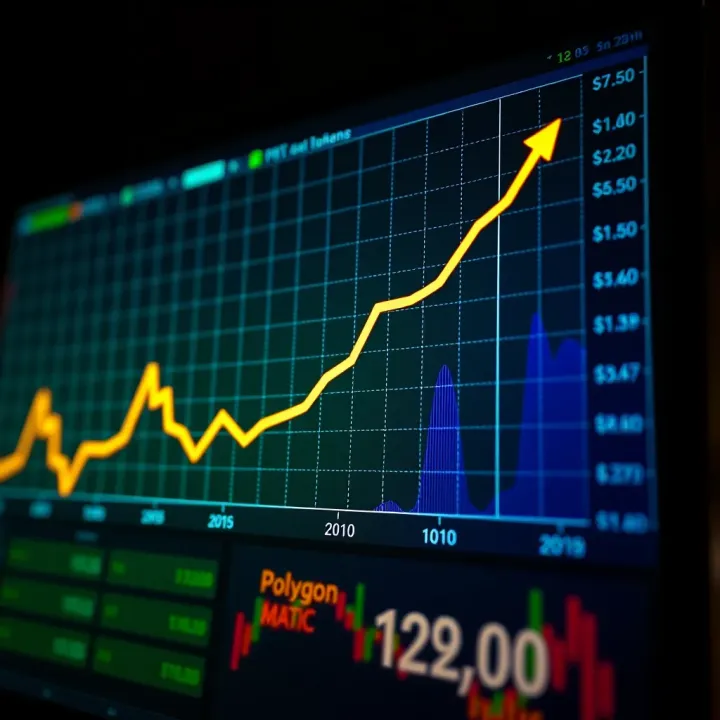
Polygon (MATIC) Price Outlook and Future Trends
🔍 Explore Polygon's MATIC price forecast in 2024! Analyze key market trends, expert insights, and risks before investing in this top layer-2 blockchain token.
Edited By
Matthew Collins
Polygon's Matic token has grabbed attention as one of the more promising cryptocurrencies for scaling Ethereum's network. As a layer-2 solution, Polygon aims to solve some of the congestion and cost issues seen on Ethereum, giving Matic a functional use case rather than just being a speculative asset.
Investors and traders looking at Matic's future value have plenty to digest. Market conditions, network developments, and global crypto trends all impact its price. In South Africa, factors like Rand volatility, local crypto adoption, and regulatory shifts add layers of complexity for investors weighing Matic's potential.
Unlike some tokens whose value hinges mostly on hype, Matic's price tends to reflect how well Polygon grows its transaction volumes and developer activity. For instance, recent partnerships and DeFi projects building on Polygon have boosted transaction throughput, which can influence token demand.
The price of Matic is not just a number — it indicates how Polygon is being adopted as a practical blockchain tool.
Key influences to watch:
Ethereum network upgrades: Since Polygon depends on Ethereum, developments like the Merge or layer-1 scalability affect Matic indirectly.
Polygon's own upgrades: Launches of new sidechains, further decentralisation, or improvements in consensus mechanisms can push Matic’s price up.
Market sentiment: Crypto markets are notorious for rapid swings. Changes in global investor appetite and broader economic factors, like interest rate shifts by the SARB, can cause ripple effects.
Given this, South African investors should track both local and international crypto news and be mindful of risk. Matic's price offers interesting prospects but also comes with volatility that demands careful strategy and risk management. Understanding the technical and macro dynamics is key to making informed decisions about Polygon’s native token.
To grasp Matic’s price potential, you first need a clear picture of what the token represents and how the Polygon network fits into the wider blockchain ecosystem. Investors often focus on the hype around price movements but miss that Matic’s value stems largely from its utility within Polygon’s solution to Ethereum’s scalability issues.
Matic, the native token of the Polygon network, serves several key purposes. It’s used to pay transaction fees on the Polygon blockchain, much like gas fees on Ethereum, but at a fraction of the cost. Validators and delegators also stake Matic as part of the network’s proof-of-stake security model, earning rewards for validating transactions. This dual role as both a transactional currency and a staking asset means Matic’s demand can rise with increased network activity and security needs.
For example, when decentralised apps (dApps) run on Polygon, users pay fees in Matic. As more projects migrate or build on Polygon due to its speed and lower costs, the token sees greater utility, supporting steady demand beyond speculative interest.
Ethereum faces congestion and high fees during peak use, which limits its scalability for widespread adoption. Polygon acts as a Layer 2 scaling solution, processing transactions off the main Ethereum chain while still benefiting from its security. This means Polygon can handle thousands of transactions per second, compared to Ethereum’s roughly 15, making it an attractive choice for developers.
Imagine a party where Ethereum is the main room with limited space, and Polygon represents the adjacent lounge where most guests can move freely, yet still be part of the same event. This analogy reflects how Polygon alleviates pressure on Ethereum without compromising security.
Several use cases are boosting Matic’s demand. Gaming platforms utilise Polygon to handle in-game transactions efficiently. Finance apps offering decentralised finance (DeFi) services choose Polygon for faster trades and lower costs, enhancing user experience. Real-world projects, like NFTs and supply chain solutions, also adopt Polygon to scale their operations.
Consider a South African start-up launching a DeFi app: by building on Polygon, they reduce overhead costs for users, making their service more viable. This strengthens the ecosystem and, by extension, Matic’s value.
Understanding Matic’s function and Polygon’s scaling role is essential for anyone wanting to predict the token’s future price. Its practical applications, technological position, and growing ecosystem interplay to shape demand and supply dynamics.
In sum, Matic isn't just another cryptocurrency; it’s the fuel keeping Polygon’s efficient network running, which in turn addresses some of Ethereum’s biggest challenges, driving adoption and, ultimately, its market value.
Understanding what drives the price of Matic is key for anyone considering investment or trading in Polygon’s native token. The crypto market doesn’t operate in isolation; various factors—ranging from market mood to technical upgrades—can shift Matic’s value in noticeable ways. This section breaks down the main influences that traders and investors should monitor to make informed decisions.

Crypto markets tend to move with broader sentiment swings, and Matic is no different. When Bitcoin or Ethereum rally, altcoins like Matic often follow suit, buoyed by increased market confidence. Conversely, during bearish cycles, Matic may see price declines alongside the wider dip. For example, in 2022 when global economic uncertainty and inflation fears dominated, many tokens, including Matic, experienced sell-offs.
South African investors should watch local factors too, such as how regulatory news from the FSCA might affect overall appetite for crypto. Additionally, interest from institutional players internationally tends to create waves; when big funds announce support for Polygon projects, prices can rally sharply. Tracking sentiment on social media and crypto forums can provide early clues on upcoming shifts.
Real-world use matters for Matic’s long-term value. Polygon has carved out a niche as Ethereum’s scaling solution, making it a favourite among developers seeking lower fees and faster transactions. Partnerships with major blockchain projects or integration into popular decentralized apps (dApps) can spur demand for Matic tokens, pushing prices higher.
A practical example: Polygon’s collaboration with gaming platforms or NFT marketplaces boosts token utility, creating tangible demand as users require Matic for transactions or staking. For South African traders, such developments signal potential growth and also offer entry points aligned to news events.
Polygon’s technical roadmap influences confidence in its token. Upgrades that improve security, reduce gas fees, or enhance scalability tend to attract positive attention. Recently, the launch of Polygon zkEVM—a zero-knowledge rollup technology—aims to offer Ethereum-level security while slashing costs and increasing throughput.
These enhancements often lead to price speculation as investors anticipate higher adoption and network effects. Conversely, delays or setbacks in development can dampen enthusiasm and weigh on Matic’s price. Staying abreast of technical announcements through official Polygon channels is advisable.
A blend of market sentiment, adoption news, and tech progress forms the backbone of Matic’s price dynamics. Keeping an eye on these factors helps you spot opportunities and navigate risks with more confidence.
In summary, following not just the crypto markets but also real developments within Polygon’s ecosystem makes a big difference. It’s about reading both the crowd and the finer details — a skill invaluable for anyone looking to trade or hold Matic wisely.
Examining the recent performance and price behaviour of Matic is crucial for anyone looking to understand where Polygon's token is headed next. This section sheds light on the practical aspects of trading or investing in Matic by breaking down how it has reacted to market forces lately, which can signal potential turning points for savvy investors.
When looking at Matic’s price history, it's clear the token has experienced distinct phases. After launching with modest value in 2019, Matic saw a significant rally in 2021, coinciding with the boom in decentralised finance (DeFi) and the NFT markets. For instance, Matic's price jumped from below R1 to over R30 within months, reflecting increased demand for scalability solutions on Ethereum. However, this was followed by sharp corrections during broader crypto market downturns, showing how Matic's fortunes are often tied to the wider ecosystem's mood.
These historical trends indicate that while Matic can offer substantial upside, it remains sensitive to global crypto cycles. Investors should analyse charts for past rally points and retracements as clues for future moves.
Price analysis of Matic has identified specific support and resistance points that traders watch closely. Support levels around R7 and R10 have historically spurred buying interest, preventing steeper falls during market dips. Conversely, resistance levels near R20 and R25 have tended to cap upward moves, causing price pullbacks or periods of consolidation.
Understanding these levels helps investors time entry and exit points better. For example, if Matic approaches a strong resistance zone on heavy volume, it could hint at a short-term peak. Meanwhile, dips toward established support levels may provide buy opportunities, especially when accompanied by positive network news or upgrades.
Matic's price volatility is a double-edged sword. On one hand, sudden swings can present profitable trading chances, but on the other, they increase risk, especially for less experienced investors. For example, during the early months of 2022, Matic’s price moved between R10 and R20 in rapid succession, reflecting sudden shifts in market sentiment and broader crypto turbulence.
Investors need to factor this volatility into their risk management. Some prefer staggered buying, while others use stop-loss orders to limit potential losses. The key is understanding that high volatility means prices can move sharply both ways within short periods, so capital preservation strategies should accompany any exposure to Matic.
Keep in mind that solid price analysis, combined with an understanding of the broader crypto market, will improve your chances of making informed Matic investment choices.
In summary, dissecting Matic’s recent price trends, support/resistance zones, and volatility impact is indispensable for traders and investors aiming to navigate Polygon’s token wisely. This practical knowledge lays a foundation for anticipating future moves while managing risks effectively.
Expert predictions and market outlooks are vital for anyone interested in the future value of Matic. These insights provide a snapshot of what industry specialists and analysts expect, based on trends, market data, and upcoming developments. For traders and investors, such guidance helps shape timely decisions, balancing opportunities against risks specific to the Polygon network and broader crypto market.
Short-term forecasts typically cover weeks to a few months and depend heavily on immediate market factors like adoption news, Ethereum network congestion, or shifts in investor sentiment. For instance, a recent partnership announcement with a major DeFi platform can trigger a swift price hike. Conversely, global regulatory moves—such as tighter cryptocurrency regulations announced in the US or EU—often ripple through markets, causing volatility or dips.
In early 2024, analysts have been fairly cautious. Some propose that Matic may hover around R10 to R15 levels as the crypto market digests ongoing macroeconomic pressures and interest rate changes globally. This cautious stance coms from the typical market reaction to geopolitical uncertainties and the yet-to-be fully proven sustainability of layer-2 scaling solutions under variable demand.
Looking beyond the short term, Matic's growth potential leans on the expanding role of Polygon’s layer-2 technology which alleviates Ethereum’s scalability problems. Experts argue that as decentralised finance (DeFi) and non-fungible token (NFT) markets grow, so will the demand for cheaper, faster networks like Polygon.
Long-term forecasts often point to Matic reaching upward of R30 or more within five years as global blockchain adoption widens. The introduction of Ethereum 2.0 and Polygon’s continuous tech updates could enhance this outlook further. That said, the space remains competitive, and networks like Arbitrum or Optimism also vie for layer-2 dominance.
South African investors hold specific concerns worth noting. The local environment entails challenges such as currency volatility, loadshedding disruptions that could impact crypto infrastructure access, and fluctuating regulatory attitudes towards cryptocurrencies. That said, South Africa boasts a vibrant crypto user base and growing institutional interest.
Investors here should also consider the tax implications enforced by SARS (South African Revenue Service) on crypto gains, alongside opportunities to move funds via local fintech platforms that support Matic trading and staking. Regional insights stress the need to keep an eye on the Rand’s exchange rate versus the US dollar, as it directly affects cost and profit margins when buying or selling Matic.
Monitoring expert predictions is a practical way to navigate the unpredictable crypto market. Combining these forecasts with awareness of local conditions helps optimise investment timing and manage risks effectively.
To sum up, keeping tabs on short-term price moves, understanding the bigger growth picture, and factoring in South Africa’s unique market climate form the backbone of sound Matic investment strategies.
Investing in Matic, Polygon’s native token, offers notable opportunities but comes with risks that traders and investors must weigh carefully. Understanding these risks helps manage expectations and craft strategies that suit your risk appetite. This section breaks down the main factors to watch before buying into Matic.
Cryptocurrency markets are notoriously volatile, and Matic is no exception. Price swings of 10% or more within a single day aren’t unusual. This kind of fluctuation can stem from broader crypto market trends, global economic news, or sudden shifts in investor sentiment. For example, when Bitcoin or Ethereum experience sharp dips due to policy announcements, altcoins like Matic often follow suit, sometimes amplifying losses. On top of these market quirks, regulatory landscapes continue to shift worldwide, including here in South Africa. The South African Reserve Bank (SARB) and Financial Sector Conduct Authority (FSCA) regularly assess crypto frameworks, which can lead to changes in how exchanges operate or how tokens are taxed. Investors should watch regulatory news closely because unexpected interventions—such as limits on wallets or stricter Anti-Money Laundering (AML) requirements—can impact liquidity and price stability.
While Polygon is among the leading Ethereum layer-2 scaling solutions, it faces stiff competition from rivals like Optimism, Avalanche, and Binance Smart Chain. Technical issues such as network outages, security breaches, or failed upgrades can undermine confidence and cause price drops. For example, if Polygon experiences congestion or bugs during a major release, developers and users might migrate temporarily or permanently to other chains. Furthermore, competitor platforms push rapid innovation to attract DeFi projects, NFTs, and developers, which may affect Polygon's market share and, by extension, Matic’s demand. Keeping an eye on Polygon’s technical progress and how it resolves challenges gives investors a better sense of its longevity.
Managing risk with Matic requires discipline and informed decision-making. Firstly, never invest more than you can afford to lose, considering how fast the crypto market moves. Diversifying your portfolio beyond Matic can reduce exposure to single-asset risks. Use limit orders rather than market orders on exchanges to avoid price slippage during volatile periods. Keeping funds in reputable wallets and enabling two-factor authentication guards against hacks. Also, stay updated with both global crypto news and South African regulations to anticipate market shifts. Lastly, consider setting stop-loss orders to protect your investment if prices fall below predefined levels. Practical risk management safeguards your capital and makes long-term involvement in cryptocurrency markets more sustainable.
Even the most promising cryptocurrencies carry risks. The key lies in understanding these risks and adopting strategies that help you stay one step ahead.
By recognising market instability, technological hurdles, and regulatory uncertainty, you can make more informed decisions about investing in Matic, aligning expectations realistically with the vibrant but unpredictable crypto environment.
🔍 Explore Polygon's MATIC price forecast in 2024! Analyze key market trends, expert insights, and risks before investing in this top layer-2 blockchain token.

📈 Explore Avalanche (AVAX) price trends, tech updates, and market factors shaping its future. Stay informed for savvy investing in South Africa’s crypto scene! 💰

Explore Ripple XRP price prediction 🔮 with insights on market trends, tech updates, regulations, and investor mood shaping future values in South Africa 🌍.

Explore Dogecoin's price trends, market forces, and expert views to see what the future holds for this crypto within South Africa's investment scene 🚀📉.
Based on 13 reviews