
Robot Trading: How Automated Systems Affect Markets
🤖 Explore how robot trading shapes South Africa's markets, uncovering its tech, pros & cons, and impact on traders' strategies in the digital age.
Edited By
Daniel Hughes
Trading isn't just about watching numbers jump on a screen; it’s a craft that requires a solid blend of knowledge, discipline, and strategy. Becoming an expert trader means more than luck—it demands understanding markets, managing risk, and adapting to constant changes.
In South Africa’s unique economic environment, with its mix of developed financial markets and challenges like loadshedding and currency volatility, mastering trading needs particular attention to local conditions. For instance, fluctuations in the rand affect commodities and equities alike, so having your finger on that pulse is vital.
At its core, trading demands a mindset built on patience and resilience. You’ll find that emotions, like fear or greed, can wreck even the best-laid plans. That’s why many experienced traders use disciplined strategies and strict risk management to keep their decisions sharp.
Risk management involves deciding upfront how much capital you’re willing to expose to any single trade. For example, a South African trader might choose to risk just 1-2% of their total capital per trade, ensuring that one bad move doesn’t wipe out hard-earned gains. Employing stop-loss orders and position sizing tailored to your portfolio size can help maintain this balance.
Technology has reshaped trading, especially here where mobile access is widespread. Platforms like EasyEquities or Standard Bank’s trading apps put real-time access in your hands, while data feeds and news updates from sources such as MyBroadband or BusinessTech help you make informed moves.
Expert trading is a continuous process—always learning, adjusting, and staying alert to both global trends and local realities.
To sum it up, expert trading blends skills, a strong mindset, practical risk measures, and the smart use of technology. If you want to trade successfully in South Africa, understanding these fundamentals is the starting point before jumping into the nitty-gritty of markets and strategies.
Grasping the basic principles of expert trading is essential for anyone who wants to succeed in the fast-moving financial markets. It builds a solid base that supports the development of strategies, risk control, and emotional discipline. Without a clear understanding of what distinguishes expert traders and the essential knowledge they rely on, even the best tools or strategies can fall flat.
An expert trader doesn't just execute trades—they analyse and adapt. While beginners might react impulsively to market moves, expert traders assess patterns, economic data, and risk factors before making decisions. For instance, a novice might jump into volatile forex markets attracted by potential gains, whereas an expert carefully considers currency correlations, global economic news, and their own portfolio exposure. Experience teaches them which signals are reliable and which are noise.
Expert traders display discipline, patience, and consistency far beyond beginners. They stick to trading plans even when emotions rise, and they accept losses without chasing revenge trades. Unlike beginners who may focus on hitting it big quickly, expert traders prioritise capital preservation and steady growth. They constantly review their performance and refine their methods, often using detailed trading journals to track progress. These traits help them weather the inevitable ups and downs of market cycles.
Understanding the unique traits of different markets is vital. Stocks represent ownership in companies and can be influenced by company earnings and sector trends. Forex trading involves currency pairs affected by geopolitical events, interest rates, and central bank decisions—something particularly nuanced for South Africans watching rand fluctuations. Commodities, such as gold and platinum, tie closely to global supply-demand dynamics and local mining sector health. Knowing what drives each market helps you choose the right instrument for your trading style.
Charts visually display price movements, which expert traders interpret to identify trends, reversals, and entry or exit points. Key indicators like moving averages, the relative strength index (RSI), and volume help filter out noise and confirm signals. For example, noticing a strong support level on a stock's chart just before an earnings announcement might signal a buying opportunity. Without this ability, traders often fall prey to random price swings.
Economic announcements like South Africa's GDP growth figures, Reserve Bank interest rate decisions, or global oil price updates can swiftly change market sentiment. Expert traders monitor such events and prepare for increased volatility or trend shifts. For example, a sudden downgrade in South Africa's credit rating might weaken the rand and impact share prices, requiring traders to adjust their positions in real-time. Staying informed and understanding the potential market effects is a must.
Building a strong foundation by mastering these essentials reduces guesswork and helps traders make informed decisions rather than gambling with their capital. It’s the first step on the path to expertise.

Developing effective trading strategies forms the backbone of successful trading. Without a solid plan, even the most informed traders can find themselves reacting to market swings rather than anticipating them. A well-crafted strategy defines when and how you'll enter and exit trades, helping protect capital and improve consistency.
Using trend lines and support/resistance levels gives traders a straightforward way to interpret price movements. Trend lines connect a series of higher lows in an uptrend or lower highs in a downtrend, showing the market's direction over time. Support and resistance levels highlight price points where buying or selling pressure tends to emerge. For instance, if the price of a JSE-listed stock tests a support level multiple times without dropping below, that level often acts as a floor, signalling a potential buy zone.
These tools aren’t foolproof but help map likely turning points. South African traders should watch out during periods of volatility, like during political announcements or Eskom load shedding, as these can trigger sudden breaks of established levels.
Popular indicators and how to interpret them enhance technical readings with data-driven insights. Moving averages smooth out price fluctuations to show prevailing trends—say, the 50-day moving average revealing medium-term momentum on Naspers shares. The relative strength index (RSI) measures momentum and flags when an asset is overbought or oversold, useful for timing entries.
Volume indicators add depth by showing the strength behind price moves. For example, a surge in rand/US dollar volume during forex trading sessions might confirm a break above resistance, suggesting real buying interest rather than a false breakout.
Evaluating company financials and economic data is vital for understanding value beyond charts. In South Africa, this means looking at quarterly financial statements from listed companies like Sasol or Standard Bank, focusing on earnings, cash flow, and debt levels. On the economic front, GDP data, inflation rates published by Stats SA, and SARB monetary policy announcements all influence investor sentiment and market direction.
Knowing how to read these figures can guide you to buy shares undervalued by the market or avoid stocks with looming challenges. For instance, high inflation might lead SARB to raise interest rates, negatively affecting bond prices but benefiting certain banking stocks.
How fundamentals influence market moves explains why price swings sometimes defy technical setups. Good fundamentals attract long-term investors, often pushing prices steadily upwards, while unexpected economic shocks can trigger sharp sell-offs regardless of chart patterns.
For example, a positive employment report can lift the rand, impacting exporters’ share prices on the JSE. Savvy traders factor in these fundamentals to avoid being caught off guard by sudden moves.
Balancing technical and fundamental analysis allows traders to build a fuller market picture. Technical analysis excels at timing trades, showing entry and exit points. Fundamentals offer insight into an asset’s true worth and potential risks. Together, they reduce reliance on gut feel and provide evidence-based decision-making.
For instance, a trader may use technical signals to identify a buying opportunity in MTN shares while confirming the company's solid financial health and favourable economic context.
Creating personalised trading plans takes these insights and turns them into actionable routines. Your plan should outline your strategy type, preferred markets, risk tolerance, and rule-based entry and exit criteria. This tailored approach keeps you disciplined and adaptable.
Consider incorporating checklists for pre-trade analysis, daily market reviews, and clear rules for stop-loss placement. Such a plan fitting your lifestyle and capital will help you stay consistent amid South Africa's unique market conditions, like currency fluctuations or regulatory changes.
A clear trading strategy blends practical knowledge with disciplined execution; it's your best tool for steady profits and long-term growth.
Every expert trader will tell you that managing risk and maintaining discipline are the backbone of long-term success. Losing control over either can turn promising trades into costly mistakes. The markets can be unforgiving, especially when emotions like fear and greed take over. That's why having clear rules to limit losses and a steady approach to decision-making is vital.
Using stop-loss orders effectively helps traders cap potential losses by automatically closing a position when the price hits a pre-set level. Imagine you buy shares in a company at R50, but you decide you’re willing to lose no more than R5 per share. Setting a stop-loss at R45 ensures you exit without facing deeper losses if the market turns against you. This tool is especially handy during volatile sessions, shielding your capital without needing to watch the markets constantly.
Determining position sizes to protect capital means sizing your trades based on how much of your total capital you’re comfortable risking. For instance, if you have R100,000 in your trading account and decide to risk a maximum of 2% per trade, your risk per trade is R2,000. Position sizing then revolves around placing trades so that if your stop-loss is hit, you lose no more than this amount. It’s a practical way to avoid situations where one bad trade wipes out months of hard-earned gains.
Dealing with emotions like fear and greed is a common challenge. Fear can make you exit trades too early, missing out on gains, while greed may cause you to hold on too long or increase position sizes recklessly. Skilled traders often use techniques like pre-planned exit points and mental checklists to stay grounded. The benefits are clear: fewer rash decisions and a calmer trading mindset that helps you stick with your plan.
Sticking to strategies and avoiding impulsive decisions keeps your trading consistent. It’s easy to be tempted by quick fixes or market chatter, but drifting from your strategy usually causes losses. For example, a trader who abandons a well-tested pattern after a minor setback might find themselves chasing highs with little thought. The discipline to follow your rules and review rather than react to each move protects your capital and sharpens your trading edge.
Risk management and self-discipline aren’t just prudent practices — they’re survival skills in the trading arena. When markets throw curveballs, the traders who succeed are those who’ve prepared their minds and their money for any outcome.
By mastering these elements, you’ll build a solid foundation to trade confidently, make smarter choices, and endure the ups and downs typical in any market, local or global.
Technology plays a big role in modern trading, making it easier for expert traders to act quickly and smartly. The right tools help cut through the noise, provide clear market insights, and allow for efficient trade execution. In South Africa, with markets influenced by local news, currency swings, and loadshedding, having dependable tech is even more crucial for staying on top.
Choosing a reliable platform for execution is all about trust and speed. A good platform must execute orders swiftly and accurately, especially when markets move fast. For example, platforms like EasyEquities or Standard Bank Online Share Trading offer user-friendly interfaces suited to local traders, combining real-time access to the JSE with solid security. If your platform delays your trades, you risk losing out on opportunities or facing unexpected slippage, which can eat into your profits.
Accessing real-time data and charting tools is another vital factor. To make informed decisions, you need up-to-date price feeds and easy-to-understand charts. Many platforms provide integrated charting with familiar indicators like RSI or moving averages. For instance, TradingView is widely used among South African traders for its clear visuals and community-driven ideas. Real-time data helps spot trends early or identify reversals before the crowd, which can make a real difference in returns.
Basics of algorithmic trading involve using computer programs to automate trade decisions based on pre-set criteria. This might include entering a trade when a stock crosses a specific moving average or exiting when a stop-loss is hit. Algorithms execute trades faster than a human can click, removing emotional interference. This speed and consistency can benefit day traders or those monitoring volatile currencies like the rand.
Pros and cons of using automated systems come down to reliability versus control. On the plus side, automation handles multiple markets simultaneously, runs 24/7 without fatigue, and applies strict discipline. Yet, it can also backfire if the programmed strategy doesn’t adapt to sudden market shifts, such as unexpected political events affecting South African assets. Moreover, reliance on automation can lead to less understanding of market nuances, so traders must regularly monitor and adjust their algorithms.
Having the right tools and tech isn’t just a luxury – it’s part of what separates expert traders from the rest. Your choice of platform, the quality of data you rely on, and whether you use automation can all make or break your trading success.
Tools form the backbone of solid trading strategies, giving you an edge in speed, accuracy, and discipline that’s hard to match without them.
Successful trading demands more than just initial knowledge—it requires constant learning and the ability to adapt as markets evolve. Financial markets never stand still; new trends emerge, regulations shift, and technologies develop. Staying updated with these changes helps traders adjust strategies and stay competitive.
Markets can turn on a dime due to economic reports, geopolitical developments, or shifts in investor sentiment. Expert traders keep an eye on these changes and refresh their strategies accordingly. For example, a trader might have relied on technical indicators that worked well last year but now needs to consider new tools or incorporate macroeconomic data from local sources like SARB announcements or municipal budget releases.
Education doesn't stop after mastering the basics. Markets introduce new instruments and approaches regularly. Keeping current prevents traders from relying on outdated methods that might fail under today’s conditions.
Resources abound for South African traders seeking to upskill. Online courses focussing on forex or equities trading, seminars offered by local trading groups, and books by well-known authors like Jack Schwager provide practical insights. Joining communities—whether on WhatsApp groups, online forums like MyBroadband’s trading threads, or local investment clubs—allows exchanging real-world experience tailored to South African contexts.
Maintaining a trading journal is a powerful habit. Recording every trade with details such as entry and exit points, reasons for the trade, and emotional state helps identify patterns over time. It's one thing to remember a big win, but writing down losses and the factors behind them provides valuable lessons and curbs repeating errors.
Reviewing trades regularly also helps refine strategies. A trader might notice their stop-loss positioning needs adjustment or that a particular indicator signals false entries during high volatility. This reflection cycle aids gradual improvement rather than relying on sudden epiphany.
South Africa’s unique economic environment means local factors play a significant role. Events like changes in electricity supply due to Eskom’s loadshedding schedules, inflation reports, or rand volatility have direct impact. Traders must monitor these closely through local news sources and economic data releases to time trades or hedge risks accordingly.
Currency risk is another crucial element. Since the rand fluctuates against major currencies, offshore investments or forex trades carry added uncertainty. Expert traders in Mzansi adopt hedging techniques or trade pairs including ZAR to manage exposure, especially when global markets are jittery. Failing to factor in these swings can quickly erode profits.
Continuous learning keeps traders nimble. In the fast-moving South African market, adapting to changing conditions and drawing lessons from past trades often defines the difference between success and failure.
🤖 Explore how robot trading shapes South Africa's markets, uncovering its tech, pros & cons, and impact on traders' strategies in the digital age.
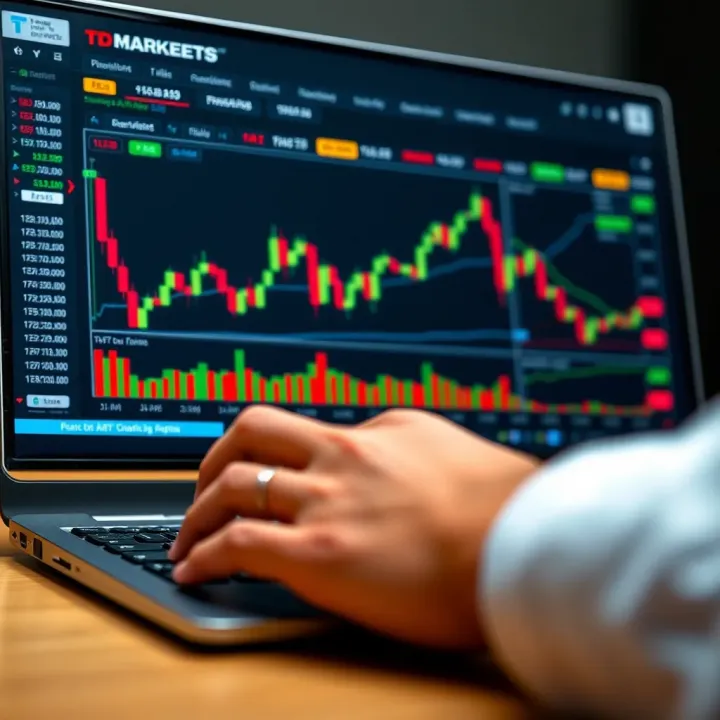
Explore TD Markets in detail for South African traders 🇿🇦. Platform features, account types, fees, and regulation to guide your trading choices. 📈💼
🔍 Learn how to use leverage on RCG Markets for smarter trading in South Africa. Explore benefits, risks, and risk management tips for better trades! 📈
Explore RCG Markets bonuses 📈, from types to eligibility, how to claim, and what South African traders should know before using them. Get informed today!
Based on 6 reviews