

Understanding IQ Option for South African Traders
📈 Discover how IQ Option offers South African traders access to forex, options & crypto. Learn fund methods, start tips, plus risks for safer trading. 🇿🇦
Edited By
Emily Carter
IQ Option is an online trading platform that has become popular with South African traders thanks to its user-friendly interface and wide variety of financial instruments. Whether you're interested in trading forex, stocks, cryptocurrencies, or binary options, IQ Option offers all these under one roof.
Setting up an account is straightforward. South African users provide basic personal information and complete verification steps that comply with financial regulations. This process helps protect your account and funds, ensuring compliance with South Africa’s Financial Intelligence Centre Act (FICA).
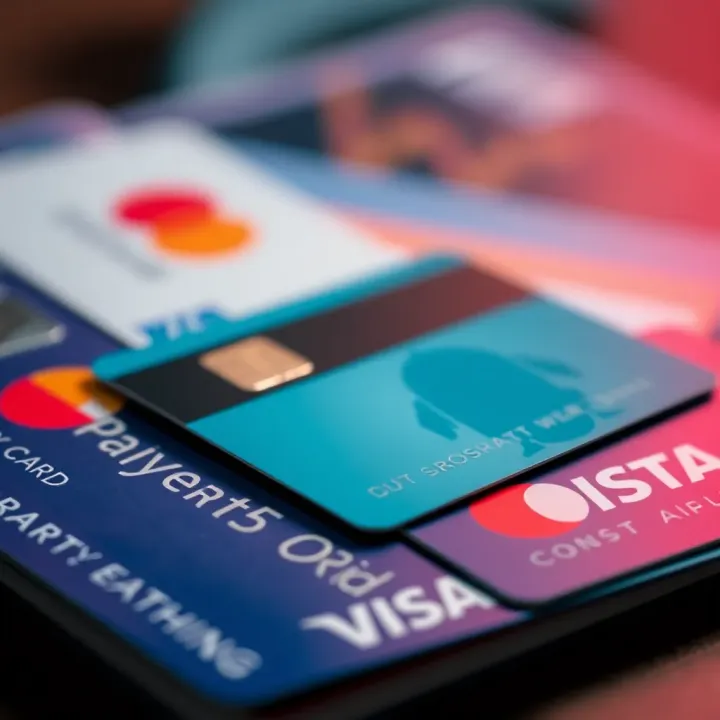
Once your account is active, you can fund it using several methods that suit the local market, including EFT, credit/debit cards, and popular e-wallets like Neteller and Skrill. The minimum deposit is reasonable, typically around R150, making it accessible for many traders starting out.
Trading on IQ Option involves selecting the asset you want, setting your trade size and parameters, then making a move based on market analysis. The platform offers live charts and technical indicators, which help in making informed decisions. For example, if you believe the rand will strengthen against the US dollar, you can open a forex position to potentially profit from that movement.
Keep in mind that trading carries risks. Losses can exceed initial investments, especially when using leverage. It’s crucial to understand these risks and never trade money you can't afford to lose.
Costs on IQ Option include spreads, commissions on some assets, and occasional withdrawal fees. The platform is transparent about charges, so you know what to expect before placing trades.
For South African traders, understanding local regulatory factors is key. IQ Option is not licensed by the South African Financial Sector Conduct Authority (FSCA), so caution is advised. You should consider this when choosing a trading platform.
In the sections ahead, we’ll unpack how to use IQ Option step-by-step, review payment methods in more detail, explore trading tools, and highlight important tips tailored for South African users. This will help you trade with more confidence and clarity on this versatile platform.
Starting with IQ Option is your first step into online trading, especially relevant for South African traders keen to explore a platform that’s accessible and user-friendly. Understanding how to create and verify your account ensures you get going without unnecessary delays and helps you comply with local regulations.
The registration process on IQ Option is straightforward. You’ll need to provide a valid email address and create a password. You can also sign up using your Google or Facebook accounts, speeding up the setup. For South Africans, it’s handy that the platform supports easy registration on mobile or desktop, which fits well with our on-the-go lifestyles.
Identity verification—known as Know Your Customer (KYC)—is a key legal requirement designed to protect you and the platform. Expect to upload a copy of your South African ID or passport, plus a proof of residence such as a utility bill or bank statement, dated within the last three months. This step might feel like a hurdle, but it’s essential to gain full access to trading features and withdrawals while staying compliant with anti-money laundering laws.
Setting up security features is the next smart move. IQ Option encourages enabling two-factor authentication (2FA) to add an extra layer of protection beyond your password. Consider using an authenticator app instead of SMS codes for better security against SIM-swap fraud, which has become a concern in South Africa. Plus, setting up strong, unique passwords is crucial to safeguard your funds.
The IQ Option dashboard is designed to bring all essential tools and information under one roof. It displays your account balance, open trades, and accessible markets right upfront. For example, if you’re eyeing forex pairs or cryptocurrencies, you’ll find these sections clearly laid out with live price updates.
Available tools and charts are central to making informed trades. IQ Option offers candlestick charts, moving averages, and RSI (Relative Strength Index), among others, letting you analyse price trends effectively. South African traders often use these to spot entry points before market opens in different time zones, like the London or New York forex sessions.
Customising your interface helps tailor the platform to your trading style. You can choose chart types, adjust time frames or set up alerts for specific asset movements. For instance, if you prefer trading indices during South African daytime hours, you can set the dashboard to prioritise those markets, making your experience smoother and saving time.
Starting smart with account setup and familiarising yourself with the trading interface lays the groundwork for successful trading on IQ Option. These steps ensure you’re secure, compliant, and armed with the right tools from the get-go.
Knowing the variety of trading options on IQ Option is a game-changer for any trader. It helps you pick instruments that match your risk appetite and market knowledge while making your moves smarter and timed better. For South African traders, understanding these choices matters since some instruments respond faster to local and global news, impacting your trades directly.
Forex pairs are among the most traded assets on IQ Option. Here, you trade one currency against another, like the US dollar versus the South African rand (USD/ZAR). Forex markets move based on geopolitical events, economic data, and central bank decisions, which means a good grasp of local and international news can help seize trading chances. For example, during Eskom loadshedding announcements, the rand often weakens, which savvy traders might spot to place timely trades.

Cryptocurrencies offer access to digital assets like Bitcoin and Ethereum. These tend to be volatile, with sharp price swings within minutes. For someone in Mzansi who’s followed the rise of cryptocurrencies, trading these can be exciting but requires a cautious approach. Crypto prices often move on regulatory news or new developments. Given the growing crypto interest here, including evolving regulations, it’s wise to keep abreast before trading.
Stocks and indices allow you to invest indirectly in company shares or market segments. IQ Option lets traders bet on well-known companies listed on the JSE or global giants such as Apple or Tesla via indices or CFDs. For example, if you follow the JSE Top 40 index, you could speculate on its movement without buying the actual shares. This can be handy for those testing waters in equity markets without needing large capital.
Options and CFDs (Contracts for Difference) provide more flexible trading. Options let you buy the right to trade an asset at a set price by expiry—a useful tool to hedge or speculate. CFDs work by tracking an asset’s price movements without owning it outright, allowing you to profit from both rising and falling markets. These require attention to fees and risks but offer traders in South Africa the chance to participate in diverse markets with relatively small investments.
Placing trades on IQ Option is straightforward but demands precision. You start by choosing an asset, deciding whether you expect its price to rise (call) or fall (put), and entering the amount you’re willing to trade. The platform is user-friendly, presenting real-time price charts, so you can track assets before committing. For instance, if the rand shows weakness against the euro, you might place a call option betting on the rand’s further fall.
Understanding expiry times and strike prices is crucial in options trading. The expiry time sets when your trade finishes, affecting risk and potential return. Strike price is the predetermined price where you decide if the trade will end in profit or loss. For example, an option expiring in 30 minutes on the USD/ZAR pair at a strike price of 15.00 means you need the exchange rate to be above or below that at expiry to earn.
Picking the right expiry and strike price is not guesswork but informed decision-making backed by market analysis and strategy.
Using the demo account for practice is a must before risking real cash. IQ Option provides a risk-free simulated environment where you can try out trading strategies, familiarise yourself with the interface, and see how various markets react without losing money. This is particularly useful for South African traders new to online trading or those wanting to test trading forex pairs or crypto spikes during volatile times like economic releases or elections.
Decoding the trading options on IQ Option makes you a sharper trader. You avoid random trades and become more confident handling different assets and market conditions specific to our environment in South Africa.
Understanding the costs and minimum requirements when trading on IQ Option is essential for South African traders. These factors directly affect your net returns and how you manage your capital. Knowing what fees to expect and how deposits or withdrawals work helps avoid surprises that could eat into your profits.
IQ Option supports several payment methods popular in South Africa, such as credit and debit cards, bank transfers, and e-wallets like Skrill and Neteller. These options offer flexibility, allowing traders to fund accounts conveniently. For instance, you can use your FNB or Standard Bank card without hassle, which is vital if you need quick access to funds.
Processing times vary depending on the method used. Card deposits appear almost instantly, while bank transfers might take 1–3 business days. Withdrawals usually take between one to three days as well, but this can depend on your bank's processing speed. Note that minimum deposit amounts start at around R150, which makes it accessible for most traders, but it’s good to check if your preferred payment provider has its own minimums.
Currency options are another practical consideration. IQ Option primarily uses US dollars (USD) as the base currency. When depositing or withdrawing in South African Rand (ZAR), currency conversion will occur. This means your amount might fluctuate slightly because of exchange rates and potential conversion fees. Using a card or e-wallet with low conversion costs can save you some Rand, especially when trading with smaller amounts.
Spreads— the difference between the buying and selling price— are the main cost you’ll encounter on IQ Option. These vary by asset type. For example, forex pairs usually have tighter spreads than cryptocurrencies, which tend to be more volatile and costly to trade. Although IQ Option doesn’t charge extra commissions, the spread itself acts as the implicit fee you should factor in before placing trades.
Withdrawal charges can apply depending on the method chosen. Many e-wallets and card services charge a fixed or percentage fee per withdrawal, which might be around R30 to R50. IQ Option itself typically does not impose high withdrawal fees, but it’s smart to check your payment provider’s terms to avoid surprises.
Inactivity fees come into play if you leave your account dormant for over 90 days. IQ Option may deduct a monthly fee (often USD 10 or roughly R180) after this period. This is designed to cover the maintenance of inactive accounts. To avoid this, simply log in and make a trade or a deposit at least once every three months.
Keeping track of all these costs ensures you manage your trading budget wisely and avoid unnecessary charges, especially as a trader operating within the South African financial context.
By staying mindful of deposits, withdrawals, spreads, and inactivity charges, you can make better trading decisions and keep more Rand in your pocket while working with IQ Option.
Trading online carries inherent risks and legal nuances that South African traders must grasp to protect their investments and operate within the law. Understanding these aspects helps avoid costly mistakes and build a safer trading experience on platforms like IQ Option.
Markets can swing sharply, sometimes without warning, influenced by political news, economic reports, or even sudden events such as natural disasters. For example, the rand can weaken quickly during an unexpected rate cut by the South African Reserve Bank, affecting forex trades. Such volatility means prices can move against you fast, turning potential profits into losses in moments.
IQ Option offers leverage, which means you can control a larger position amount than your initial deposit. While leverage amplifies gains, it also magnifies losses. Using 10x leverage on a R1,000 trade means exposure of R10,000; if the market moves unfavourably by 10%, your whole capital is wiped out. South African traders should tread carefully and only use leverage levels they fully understand.
To control risk, IQ Option provides features like stop-loss orders, take-profit limits, and the ability to close trades early. Set a stop-loss to automatically exit a losing position at a pre-defined loss level, which helps you avoid wiping your account in one go. These tools are crucial for keeping emotions in check and sticking to a trading plan.
IQ Option is licensed in certain jurisdictions but does not hold a licence from the Financial Sector Conduct Authority (FSCA) in South Africa. This means local regulatory protections are limited. Traders should be aware they deal with an international broker and should verify the platform’s credibility and client fund protection policies before investing.
South African law requires traders to declare any profits from online trading for tax purposes and adhere to the Financial Intelligence Centre Act (FICA) during account verification. Ensuring full compliance with SARS rules on capital gains tax and reporting avoids future headaches and penalties.
IQ Option implements encryption and segregated client accounts to protect funds and personal information. Still, South African users must also take care by using strong passwords, enabling two-factor authentication, and only trading over secure internet connections. Phishing scams and unregulated copycat sites are real risks, so confirming you are on the official platform is key.
Managing risks methodically and understanding the legal framework can spell the difference between long-term success and costly errors when trading with IQ Option from South Africa.
By staying vigilant about the ups and downs of online trading and knowing the local regulations, you safeguard not just your money but your entire trading experience.
Making the most of IQ Option means combining practical strategies with the right resources. This section highlights proven approaches and support systems that help you trade smarter and manage risks better. It’s about honing your skills and using IQ Option’s tools properly to raise your chances of success while protecting your capital.
Using technical indicators is fundamental for many traders. These indicators analyse past price movements to forecast trends and market turning points. For example, moving averages can smooth out price data to reveal the general direction, while the Relative Strength Index (RSI) signals overbought or oversold conditions. By combining indicators, traders can create tailored strategies rather than guessing. For South African traders, monitoring global market events alongside local economic news, such as SARB’s interest rate decisions, can sharpen indicator signals.
Setting limits and stops helps control losses and secure gains. IQ Option allows easy placement of stop-loss and take-profit orders to automatically close trades once certain price levels hit. This prevents emotions like fear or greed from wiping out profits or deepening losses. For instance, placing a stop-loss at 2% below your entry point limits your downside, which is crucial if Eskom loadshedding disrupts market access unexpectedly.
Continuous learning and analysis separate consistent traders from fleeting luck. Markets evolve constantly, so reviewing your trades, reading market reports, and studying new techniques keep your approach fresh. IQ Option’s demo account is great for testing ideas without risking Rands. Many South African traders also benefit from following local financial news portals or attending trading webinars to stay updated with realities affecting currencies, commodities, or stocks.
Accessing customer service efficiently matters, especially when trading live. IQ Option offers multilingual support via chat and email. If you experience glitches or need help with deposits or withdrawals, prompt service minimises stress and downtime. South African traders should ensure they verify their accounts to avoid delays in withdrawals tied to RICA (Regulation of Interception of Communications and Provision of Communication-related Information Act) and POPIA (Protection of Personal Information Act) compliance.
Joining online trading groups connects you with peers sharing real experiences and strategies. Platforms like Facebook groups or WhatsApp circles host active South African trading communities discussing market trends, sharing alerts, or warning about scams. Engaging in these groups builds a support network that can be invaluable, particularly when facing volatile sessions or harsh market swings.
Utilising educational materials provided by IQ Option and external sources builds confidence and knowledge. The platform offers tutorials, webinars, and articles that break down complex topics into digestible pieces. Supplementing this with local resources such as Moneyweb or MyBroadband ensures your learning considers South African market nuances. Education also reduces the temptation to take reckless trades, fostering a disciplined and informed trading mindset.
Good trading is part skill, part discipline, and part having the right support. Combining these elements improves your chances of navigating IQ Option’s platform successfully in Mzansi’s market environment.
📈 Discover how IQ Option offers South African traders access to forex, options & crypto. Learn fund methods, start tips, plus risks for safer trading. 🇿🇦

📈 Expert Option review for South African traders: explore platform features, account types, trading instruments, fees, and security plus practical tips to start right.

🌍 Discover IFX Markets: a trusted platform for forex and more. Learn about accounts, safety, local trading tips, and how South Africans can trade smarter today.

Explore how Robotrader APK works, install it safely, and get tips tailored for South African traders. Learn risks and benefits for smart trading 📈🇿🇦
Based on 7 reviews