

Understanding IFX Markets for South African Traders
🌍 Discover IFX Markets: a trusted platform for forex and more. Learn about accounts, safety, local trading tips, and how South Africans can trade smarter today.
Edited By
Sophia Reynolds
FBK Markets offers a micro trading account specifically designed for traders starting out or those with tighter budgets. The micro account reduces financial barriers, letting you trade forex and CFDs without needing a big capital outlay. For South African traders, this means easier access to global markets while managing risk responsibly.
The defining feature of a micro account is the smaller trade sizes. Typically, each micro lot equals 1,000 units of the base currency, compared to 100,000 units for a standard lot. This means you can enter positions with lower exposure and capital at risk, which helps limit potential losses while you learn the ropes or test strategies.

Key details to note about the FBK Markets micro account include:
Minimum deposit: FBK Markets often requires a low minimum deposit, sometimes as little as R200, making it accessible for most traders.
Leverage options: Leveraging can extend your buying power but comes with increased risk. FBK Markets offers leverage tailored to the South African market while respecting regulatory limits.
Trading platforms: You get access to popular platforms like MetaTrader 4 and MetaTrader 5, ensuring a familiar and flexible trading experience.
Range of instruments: Beyond forex pairs, the micro account opens trading on indices, commodities, and cryptocurrencies, though the instrument choice may vary by account type.
Opening a micro account involves straightforward registration and verification, often compliant with Financial Intelligence Centre Act (FICA) requirements. This means submitting ID documents and proof of residence — standard across South African brokers.
Small but steady steps work best. Using a micro account means you’re trading in smaller sizes, so it’s easier to protect your capital while gaining experience. It’s not about quick gains; it’s about building solid habits and understanding market moves.
Practical tips for making the most of a micro account:
Start with a demo account: Practice trading without risking real money.
Use stop-loss orders: Protect against unexpected market swings.
Keep position sizes small: Even within micro lots, control your overall exposure.
Track your trades: Review what works and tweak your approach.
In short, the FBK Markets micro account suits those who want to cut their teeth on forex trading without diving headfirst into large financial commitments. This approach fits well with South African traders navigating loadshedding, variable income streams, and the need for cautious budgeting while tapping into global markets.
The FBK Markets micro account opens doors for traders who want to step into the forex market without committing large sums upfront. It is especially relevant for newcomers and cautious investors wishing to test the waters with minimal risk. This account type offers specific features that make trading more accessible, practical, and tailored to smaller budgets.
Low minimum deposit and trade sizes
The micro account requires a surprisingly low minimum deposit, often around R500 or less, making it an affordable entry point. This allows traders with limited capital to start trading immediately without worrying about draining their wallets. Trade sizes are also kept small — trades are measured in micro lots, which are just one-thousandth of a standard lot. This means even a trade worth R100 or less can be placed, helping control losses on each trade.
Access to major and minor currency pairs
FBK Markets provides a decent range of currency pairs through its micro account, including widely traded majors like EUR/USD and GBP/USD, as well as minors like ZAR/JPY or CAD/CHF. This variety gives traders room to explore different markets and diversify strategies while keeping the trading amounts small. For example, you might try trading the rand against other currencies without a hefty upfront exposure.
Leverage options available
Leverage enables you to control larger positions using a smaller capital outlay. The micro account offers various leverage levels, often up to 1:100 or even higher. However, with leverage, risk multiplies as fast as potential gains, so the micro account’s smaller trade sizes help beginners explore leverage without devastating losses. South African traders can adjust their leverage settings to balance between opportunity and caution, especially during unpredictable market swings.
Trading platforms supported
FBK Markets supports popular platforms like MetaTrader 4 (MT4) and MetaTrader 5 (MT5) for their micro accounts. These platforms are well-known for their user-friendly interfaces, analytical tools, and mobile compatibility. For traders in South Africa facing loadshedding or limited data, MT4 and MT5’s lightweight nature helps keep trading smooth and accessible even on modest internet connections.
Budding traders with limited funds
If you’re just beginning or only have a modest amount to invest, the micro account is a great fit. It lets you start trading without the pressure of large capital, meaning you can grow your skills and confidence steadily. For instance, a university student or someone saving carefully can manage trades without risking more than they can afford.
Testing strategies without large risks
Experienced traders often use micro accounts as a sandbox to test new approaches before risking bigger money. A micro account allows for real market conditions without the downside of large losses. It’s like practicing potjiekos recipes in small batches rather than cooking for a crowd — you see what works and what doesn’t in a manageable way.
South African traders managing risk during volatile markets
Given the rand’s sensitivity to global events and local factors like election cycles or load-shedding, managing risk carefully is vital. The micro account helps traders adjust exposure finely during such periods. Using smaller trade sizes and controlled leverage means volatility won’t wipe you out, allowing more measured responses and better risk management.
The FBK Markets micro account provides both an affordable gateway and a smart safety net for traders, making it a practical tool amid South Africa’s dynamic financial landscape.

Understanding the differences between a micro account and other account types at FBK Markets helps traders pick the right fit for their trading needs and budget. Each account type offers distinct trade sizes, margin requirements, and fees, which directly impact a trader’s risk exposure and potential profitability. Comparing these details is particularly useful for South African traders who may be mindful of capital and want to balance opportunities with affordable costs.
The key distinction between micro, mini, and standard accounts lies in trade volume. A micro account lets you trade in very small lots, usually 1,000 units of currency, compared to a mini account’s 10,000 and a standard account’s 100,000. This means if you want to test a new strategy or trade with limited funds, a micro account keeps your capital at lower risk. For example, trading one micro lot of USD/ZAR exposes you to much smaller market swings than a standard lot.
When it comes to margin, micro accounts require a smaller upfront deposit relative to your trade size. This is because the leverage ratio applies to smaller positions, making it easier to control your exposure. A standard account might need tens of thousands of rands in margin to open a position, while a micro account might only require a few hundred or thousand rands. This margin difference becomes a practical consideration for beginners or those managing cash flow tightly.
Margin requirements are closely linked to leverage options available across account types. Micro accounts typically offer leverage somewhere in the range of 1:100, meaning you can control R100,000 worth of currency with just R1,000 in margin. However, this leverage also increases risk and must be handled carefully. Standard accounts might provide similar leverage limits but the actual margin in rands will be higher due to bigger trade sizes.
Understanding how leverage magnifies both profits and losses is vital before deciding on an account. New traders in South Africa often prefer lower leverage on micro accounts to build confidence without risking too much. Meanwhile, more experienced traders might opt for standard accounts with precise margin management to aim for bigger returns.
Spreads—the difference between the buy and sell price—tend to be wider on micro accounts compared to standard ones. This compensates the broker for the added costs of managing smaller trades. For instance, FBK Markets might offer a spread of 2.5 pips on a micro account for EUR/USD compared to 1.5 pips in a standard account. While this means slightly higher costs per trade for micro accounts, the overall risk stays manageable due to smaller trade sizes.
FBK Markets generally offers commission-free trading on micro accounts, bundling costs into the spread instead. On the other hand, some other account types might have explicit commission charges per trade alongside narrower spreads. This model affects how you calculate trading costs: micro accounts simplify it but may seem pricier per trade, whereas standard accounts might be cheaper on spreads but incur commissions.
Swap fees apply if you hold positions overnight and vary depending on the currency pair and market conditions. FBK Markets applies these charges uniformly across account types, including micro accounts. Given smaller positions in micro accounts, swap fees tend to be lower in absolute terms but should still be factored in if you plan longer holds. South African traders dealing with volatile markets or holding overnight positions must watch swaps closely as they can impact total profitability.
Comparing FBK Markets accounts side-by-side puts you in better control of risk, costs, and trading size. Start small with a micro account if you’re testing the water, but know what to expect as you grow into bigger accounts.
Setting up and managing a micro account with FBK Markets is a straightforward yet crucial step for traders, especially those new to forex markets or operating with limited capital. The process ensures you can start trading with minimal barriers while maintaining compliance with South African regulations. Managing the account efficiently means monitoring deposits, withdrawals, and meeting verification requirements — all key to smooth trading and risk control.
Opening a micro account begins with a simple registration process on the FBK Markets platform. You'll need to provide basic personal information such as your full name, contact details, and preferred trading currency. This initial step sets the foundation for your trading experience, allowing you to access the features designed for smaller trade sizes.
South African traders must comply with the Regulation of Interception of Communications and Provision of Communication-related Information Act (RICA) as well as the Financial Intelligence Centre Act (FICA). This means submitting verified identification documents like a certified copy of your ID or passport, and proof of residence such as a recent utility bill or bank statement. These checks are essential to prevent fraud and ensure compliance with anti-money laundering laws, and FBK Markets processes them swiftly so you can start trading without unnecessary delay.
When it comes to funding your micro account, FBK Markets supports several deposit methods ideal for South African users. Common local payment options include EFT (electronic funds transfer) via banks such as FNB, Standard Bank, and Absa, as well as popular e-wallet solutions. These choices offer flexibility and convenience, letting you top up your account easily while keeping control over your spending.
Deposits into your FBK Markets micro account generally reflect within one to two business days when using local banks. The minimum deposit amount is typically low to accommodate new traders, often around R500, making it accessible without a heavy upfront commitment.
Withdrawals are similarly user-friendly but may take a tad longer, sometimes up to three business days, depending on the payment method and banking hours. While FBK Markets strives to keep withdrawal fees low, be aware that local banking fees might apply depending on your bank's policies, especially for international currency conversions.
Using South African banks and payment providers for deposits and withdrawals makes financial management easier. Most local banks handle these transactions reliably, and by sticking to familiar providers, you reduce the risk of delays or unexpected costs. This setup integrates well with the day-to-day banking habits of South African traders, letting you move funds between your trading and personal accounts without fuss.
Starting and managing your FBK Markets micro account with proper documentation and local payment options ensures a smooth trading journey, tailored for South African traders serious about entering forex markets safely and cost-effectively.
Risk management is a key practice in forex trading, especially when using a micro account like FBK Markets offers. A micro account allows you to trade smaller volumes, which means your risk and exposure can also be scaled down. This is a big deal for traders who want to protect their capital while finding their feet in the fast-moving forex market.
Small trade volumes directly help control the amount of money you can lose on any single trade. For example, if you trade one micro lot (1,000 units of currency) instead of a standard lot (100,000 units), your potential loss or gain per pip will be 100 times smaller. This smaller exposure is practical because it gives you more breathing space to make mistakes or test strategies without blowing your account.
Additionally, small trade sizes allow you to diversify more easily across different currency pairs or assets. Instead of putting all your Rand eggs in one basket, you can spread your risk. For instance, you could open three micro trades of R200 each on USD/ZAR, EUR/USD, and GBP/USD instead of a single R600 trade on one pair.
Setting stop-loss and take-profit orders is another essential part of managing risk. A stop-loss limits your loss by automatically closing a position once it hits a certain level, while a take-profit locks in profits when the price reaches your target. These tools are especially useful in micro accounts, where precision matters. Imagine setting a stop-loss of 20 pips and take-profit of 40 pips on a micro trade — your maximum loss is limited, but your potential gain is twice as much.
Leverage lets you control a larger position than the funds you actually have in your account. If you use 1:100 leverage, you can trade R1,000 as if it were R100,000. This can amplify your profits but also your losses. For example, a 1% adverse move on a trade with such leverage could wipe out your capital. Leverage is a double-edged sword; it’s tempting to go big, but you must stay cautious.
For beginners, it's wise to stick to lower leverage limits, such as 1:10 or less. This helps manage the risk of sudden market swings common in volatile currency pairs like USD/ZAR or emerging market forex. Using too much leverage without experience can see your micro account wiped out quicker than you think.
Managing risk in a micro account isn’t just about avoiding losses; it’s about trading smart, preserving capital, and gaining experience steadily.
Using smaller trade sizes and sensible leverage gives South African traders a solid footing. It aligns well with local market conditions, where forex volatility and economic shifts can be rapid. Taking these measures protects your account and builds confidence as you learn to read charts and market signals on FBK Markets' platform.
Making the most out of your FBK Markets micro account isn't just about knowing the basics. It involves practising smart methods and tapping into the right resources. This section covers key tips that will help you build confidence and trade smarter while keeping risk manageable.
Getting familiar with the platform is a must before risking real money. The FBK Markets platform offers an easy-to-navigate demo environment where you can click through all functions like order types, charts, and account management tools. For example, you might play around with opening and closing positions or setting stop-loss orders to get an intuitive feel for how these work in live trading.
Testing strategies without real money is a major advantage of demo accounts. Say you want to try a scalping approach or experiment with a new indicator combined with simple moving averages. Using the demo account, you can test these tactics over days or weeks without any financial pressure. This provides valuable feedback on how your strategies perform in various market scenarios, helping you refine before committing actual capital.
FBK Markets makes learning easier with tutorials and webinars designed specifically for new and micro-account traders. These sessions cover everything from platform basics to risk management techniques tailored for smaller accounts. For instance, a webinar might show how to set realistic profit targets given the smaller trade sizes typical of micro accounts.
Community forums and trader groups provide a platform to connect with other FBK Markets clients. Sharing insights, asking questions, or discussing current market moves can improve your trading mindset and introduce you to diverse perspectives. Many traders find these communities valuable for motivation and accountability.
The key to success lies in continuous learning beyond just starting out. Markets shift, and so do best practices. Regularly updating your skills through courses, articles, and feedback can prevent complacency. Consider dedicating a set time each week for study or reviewing market news. Staying curious and adaptable can transform your micro account from a beginner’s tool into a solid stepping stone for more advanced trading.
Remember, your micro account with FBK Markets is not just a stepping stone but a platform for steady growth. Using demo accounts alongside educational tools is the safest and smartest way to learn the ropes and build your trading skills with minimal risk.
By taking advantage of these tips, you position yourself well for both protecting your capital and gradually improving your trading edge, all while enjoying the flexible, low-cost benefits the FBK Markets micro account provides.
🌍 Discover IFX Markets: a trusted platform for forex and more. Learn about accounts, safety, local trading tips, and how South Africans can trade smarter today.
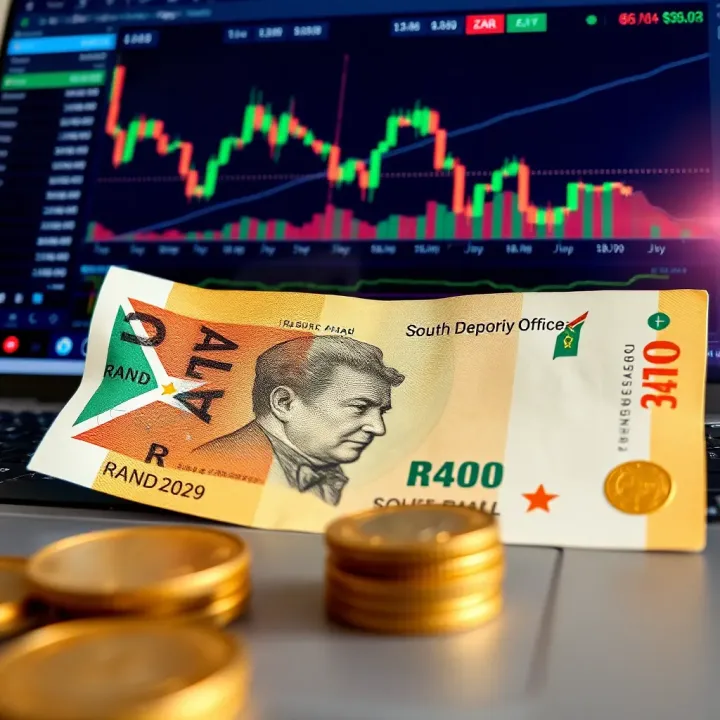
💰 Learn all about RCG Markets' minimum deposit in ZAR! Get tips on account types, fees, deposit methods & smart investing for South African traders.

Explore RCG Markets bonus accounts designed for South African traders 🇿🇦. Learn about eligibility, withdrawal rules, risks, and tips to make the most of your bonus! 💹
📈 Learn how to register with RCG Markets in South Africa step-by-step. Discover legal requirements, safety tips, compliance, and support guidance.
Based on 7 reviews