

Platinum Price Forecast: Key Trends and Outlook
Explore detailed trends and drivers shaping platinum prices in South Africa. Understand supply-demand, economic impact, investment patterns, and forecast risks 📈📉
Edited By
Oliver Bennett
Chainlink (LINK) has become a significant player in the blockchain scene, especially when you want reliable data on-chain. Unlike many coins that just serve as a currency or store of value, Chainlink focuses on connecting smart contracts with real-world information. This unique utility impacts its price, making it worth understanding the key forces shaping its market.
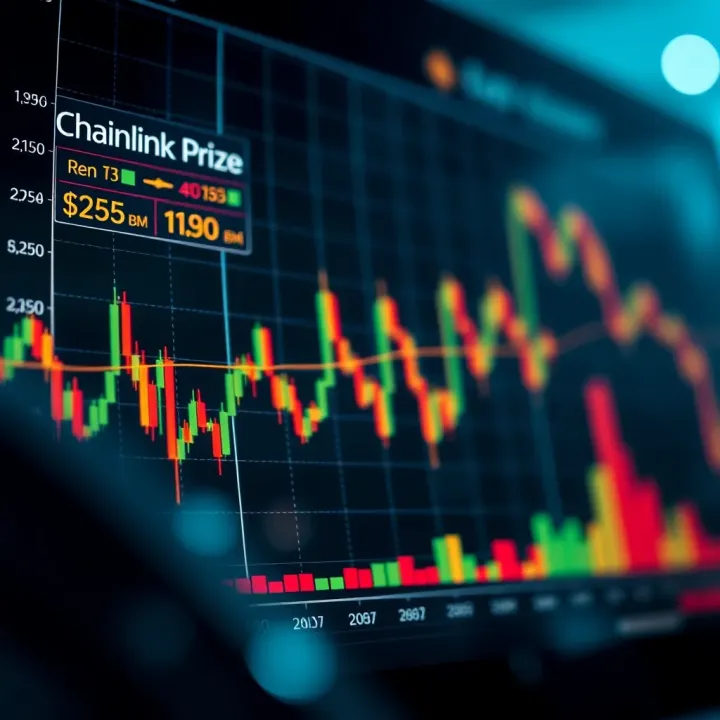
Chainlink operates as a decentralised oracle network. It feeds external data—like exchange rates, weather stats, or sports results—into blockchain smart contracts, which on their own can’t access this information. This role helps projects deliver trustworthy outputs, which boosts demand for Chainlink’s native token, LINK. Essentially, if more businesses or applications rely on Chainlink oracles, the token’s value tends to increase due to higher demand.
Several elements influence Chainlink's price dynamics:
Adoption of Oracle Services: More contracts use Chainlink oracles, driving LINK demand.
Partnerships and Integrations: Deals with big players or platforms often stir investor interest.
Network Upgrades: Improvements that enhance security, speed, or utility can lift confidence.
Overall Crypto Market Trends: LINK’s price typically moves with Bitcoin and major altcoins.
Regulatory Environment: South African and global regulations impact investor appetite.
For example, when Chainlink announced collaborations with major DeFi platforms, LINK saw noticeable price upticks.
Currently, Chainlink's market shows increased stability compared to the early wild swings, reflecting growing maturity in the blockchain and DeFi sectors. Traders and investors should keep an eye on:
Daily trading volumes and liquidity on South African exchanges supporting LINK.
Price correlations with global market shifts, including SARB’s stance on crypto.
News around smart contract adoption in Africa, which could spark fresh demand.
Understanding these factors can help you spot better entry and exit points, reducing risks amid volatile markets.
If you're trading or investing in LINK, watch its usage in live projects, network upgrades, and broader market moods. South African investors must also consider local crypto regulations and the impact of exchange rates. Staying informed about how Chainlink fits into the evolving decentralised ecosystem will go a long way in making sound decisions.
Chainlink stands out as a vital link between blockchain systems and real-world data. Without accurate external information, smart contracts—the self-executing agreements on blockchain—would be limited to data within their own network. Chainlink fills this gap by serving as a decentralised oracle network that feeds reliable, tamper-proof data to blockchains.
At its core, Chainlink’s network gathers data from multiple external sources, aggregates it, and delivers a verified datapoint to smart contracts. For example, in South Africa, a weather insurance company might rely on Chainlink’s oracles to verify if rainfall reached a certain level before paying out claims automatically. This kind of integration helps various industries like finance, supply chain, and gaming move beyond simple on-chain data, increasing the usefulness and trustworthiness of blockchain applications.
Chainlink's decentralised design reduces the risk of relying on a single data source, which has been a major hurdle for blockchain adoption. By involving numerous nodes to confirm data before passing it on, it ensures no one party can manipulate information. This approach makes Chainlink an indispensable infrastructure component for projects requiring real-world data — everything from decentralised finance (DeFi) tools to cross-border payments.
Chainlink’s token (LINK) is the fuel that powers this oracle network. Nodes receive LINK as payment for providing data services, so demand for the token grows as more smart contracts and applications depend on the network. For investors, tracking LINK's price offers a lens into the network’s adoption and overall health. A rising price might signal growing use and confidence, while sharp drops could indicate setbacks or broader market swings.
Developers also keep an eye on LINK prices because operating costs depend on the token's value. If LINK becomes too expensive, smaller projects or startups might hesitate to use Chainlink’s services. Conversely, a stable or affordable LINK price supports wider network participation and innovation.
The LINK token’s price serves as a barometer for Chainlink’s role in the evolving blockchain ecosystem—it reflects both real-world demand for oracle services and speculative interest.
For South African investors and developers, understanding Chainlink’s price dynamics is particularly relevant. With growing interest in DeFi and blockchain innovation locally, LINK's performance can impact investment decisions, project viability, and how blockchain integrates with South Africa’s financial and tech sectors.
In summary, Chainlink plays a crucial role by bridging blockchain and real-world data securely, and its token price shapes the incentives and viability of this essential service.

Several elements shape the price of Chainlink (LINK), reflecting how it is viewed and used within the crypto ecosystem. Understanding these factors helps investors gauge the potential risks and opportunities tied to the token’s value.
Chainlink relies heavily on its technology to deliver real-world data to smart contracts securely. Network upgrades, such as improvements in oracle security or scalability, can boost confidence among users and investors. For example, the rollout of Chainlink 2.0 aims to increase decentralisation and reduce costs, which could make the token more attractive. Conversely, delays or technical glitches in upgrades sometimes lead to temporary price dips as uncertainty rises.
Demand for Chainlink’s services depends on real-world adoption by various industries, including finance, insurance, and supply chain management. When major companies announce using Chainlink’s oracle services, it signals growing utility and reliably drives demand upward. A clear example is partnerships with DeFi (decentralised finance) platforms requiring accurate data feeds, which underpin many lending and derivatives products. Without broad adoption, LINK’s value is harder to sustain over the long term.
Chainlink doesn’t operate in a vacuum. Its price often follows trends in the wider crypto market. Bullish moods, driven by Bitcoin rallies or broader acceptance, often lift LINK as well. However, when the crypto space faces regulatory clampdowns or falling investor interest, Chainlink’s price tends to fall in line. For South African investors, who experience data cost issues and sometimes limited exchange access, these swings can be pronounced.
Government regulations significantly impact Chainlink’s price, especially as countries tighten scrutiny on cryptocurrencies. In South Africa, uncertainty around crypto regulations—such as waiting on final Sars guidelines or the FSCA’s stance—can stoke market hesitancy. Positive moves towards clarity and consumer protection tend to support price growth, while crackdowns or unfavourable policies drive traders to be cautious or exit positions.
Traders should watch how these factors interact. Technological strength paired with growing adoption and clear regulations create a favourable backdrop for Chainlink’s price stability or growth.
In essence, monitoring Chainlink’s price means keeping an eye on its technical progress, industry uptake, overall crypto sentiment, and the shifting regulatory landscape. Combining these insights will help make better-informed decisions in a volatile market.
Understanding recent price trends in Chainlink (LINK) helps investors and analysts make informed decisions. These trends reflect how market forces, technological progress, and partnerships shape the token's value over time. For South African traders, recognising these patterns offers practical insight into when to enter or exit trades, especially amid the unpredictable swings common in crypto markets.
Chainlink's price history shows notable volatility, with sharp rises and sudden dips reflecting broader market cycles and specific events. For example, LINK surged over 4,000% between early 2020 and mid-2021, driven by increased demand for decentralised oracles connecting smart contracts to real-world data. However, this was followed by steep corrections as crypto markets cooled off, a reminder that LINK can be a volatile asset. Tracking such historical movements helps investors manage risk and time their trades better, particularly during South Africa's economic uncertainties.
Chainlink’s partnerships play a key role in influencing its price. When it announced collaborations with platforms like Google Cloud or integration with networks such as Binance Smart Chain, LINK's price typically gained momentum, showing market confidence. For instance, when Chainlink secured a deal to provide oracle services for the Google-backed Polygon network, the token experienced a spike in trading volume. Keeping an eye on such announcements provides traders with timely clues about potential price movements, helping them spot opportunities ahead of wider market reactions.
Looking at how Chainlink compares with other oracle tokens like Band Protocol or API3 can reveal its competitive edge. LINK has consistently maintained higher market capitalization and broader adoption, which often cushions it against volatility seen in lesser-known tokens. Nonetheless, comparing price trends alongside mainstream cryptocurrencies such as Bitcoin or Ethereum is also useful. LINK sometimes follows these larger coins’ upward or downward trends but can diverge due to oracle-specific developments. This comparison assists South African investors in balancing their portfolios by understanding LINK’s unique behaviour relative to the wider crypto market.
Keeping track of recent trends—from historical price swings to the effects of partnerships—arms you with practical knowledge needed to navigate Chainlink's market effectively, especially within the volatile South African financial environment.
Understanding these factors together can sharpen your strategy, enabling smarter decisions whether you're trading actively or holding for the long term.
Investing in Chainlink carries some risks that every trader and investor should weigh carefully. Understanding these challenges helps you make better decisions and avoid costly surprises. This section covers the main risks related to price swings, technology, and regulation, particularly how they apply in South Africa.
Chainlink’s price can be extremely volatile, driven by market speculation and rapid shifts in demand. Unlike traditional stocks, crypto tokens often react sharply to news and social media buzz. For instance, a single announcement by a major partner can send Chainlink’s price swinging up or down by double-digit percentages within a day. This unpredictability means investors need to be prepared for sudden losses and avoid putting in more than they can afford to lose.
Price swings in the crypto space are often exaggerated by smaller market capitalisation and lower liquidity compared to global blue-chip stocks.
South African investors should also consider the local context of crypto trading, including the limited options on local exchanges which can affect liquidity and lead to higher spreads. Speculators can drive rapid gains but also sharp drops, so a clear exit strategy is essential.
Chainlink operates as a decentralised oracle network, but it is still prone to technical flaws and security threats. In 2021, vulnerabilities in smart contracts related to oracle data feeds exposed some DeFi platforms to price manipulation risks. While Chainlink aims to provide reliable external data to blockchains, glitches or attacks could compromise this data's integrity.
Moreover, investors must be vigilant about wallet security. Using reputable wallets that support Chainlink’s LINK token and enabling two-factor authentication can reduce risks of hacks or theft. For South African users, cold wallets—hardware devices stored offline—offer an extra layer of protection against cybercrime, which has been on the rise locally.
The regulatory landscape for cryptocurrencies like Chainlink remains uncertain in South Africa. The South African Reserve Bank (SARB) and Financial Sector Conduct Authority (FSCA) have issued warnings but have yet to introduce a formal, comprehensive legal framework.
This means investors face potential shifts in rules that could affect trading, taxation, and legal status. For example, new regulations might impose reporting requirements or restrict the use of crypto exchanges. Additionally, South Africa’s financial intelligence laws, such as the Financial Intelligence Centre Act (FICA), require users to verify their identities, impacting privacy and ease of trading.
Staying updated with SARB and FSCA announcements is vital, as regulatory changes can influence the value and legal acceptability of Chainlink tokens.
In light of these considerations, South African investors should proceed cautiously, use reputable platforms for trading, and consider consulting financial or legal advisors familiar with crypto regulations in the country.
Tracking and trading Chainlink (LINK) in South Africa calls for an understanding of local platforms, security considerations, and market dynamics. South African investors face unique challenges such as exchange choice, currency conversion, and regulatory nuances. Keeping tabs on reliable price feeds and using secure wallets are essential steps for anyone serious about trading LINK here.
Accurate price information is key to well-timed trades. Popular global platforms like CoinMarketCap and CoinGecko provide real-time LINK price updates, volumes, and market cap data. However, South African users should also look at local exchanges such as Luno and VALR, which cater to rand (R) deposits and withdrawals and offer familiar price perspectives.
These platforms often include tools like charting, historical data, and market sentiment indicators. Analysts can use these features to gauge volatility, detect trends, or stress-test investment strategies. Plus, monitoring on platforms with rand transaction volumes reduces guesswork tied to exchange rate fluctuations against dollars or euros.
Local exchanges like Luno, VALR, and ICE³X provide efficient access to LINK with rand. They feature straightforward registration processes compliant with the Financial Intelligence Centre Act (FICA), making crypto more approachable. That said, liquidity on local platforms can sometimes lag behind international ones, affecting price spreads and order execution.
For broader access and deeper liquidity, South African traders often use international exchanges such as Binance, Kraken, or Coinbase. These platforms support LINK widely and often have advanced order types and options for margin trading. But bear in mind, depositing rand typically requires going through a local exchange or transferring via a rand-backed stablecoin, adding complexity and cost.
Choosing the right exchange depends on your trading style, volume, and risk tolerance. Many South Africans combine local exchanges for fast, lower-cost fiat conversions with international ones for more trading options.
Once you buy LINK, storing it securely is critical. Software wallets like MetaMask or Trust Wallet are popular as they support Chainlink’s Ethereum-based tokens and offer ease of use. Hardware wallets such as Ledger or Trezor add a strong security layer, protecting your assets from hacks—something South African crypto holders should prioritise given growing cybercrime.
Never share your private keys or seed phrases. Treat these like the keys to your house, not just passwords. Many South Africans have fallen victim to phishing scams that mimic local crypto exchanges.
Setting up Two-Factor Authentication (2FA) on exchanges and wallets further shields against unauthorised access. Regularly updating software wallets and keeping hardware wallets offline except during transactions are also good habits.
In summary, tracking Chainlink prices via reliable local and global platforms, choosing exchanges wisely, and guarding your assets with strong wallet security practices make all the difference to successful trading in South Africa.
Explore detailed trends and drivers shaping platinum prices in South Africa. Understand supply-demand, economic impact, investment patterns, and forecast risks 📈📉

📈 Explore Tesla's share price trends, key factors, and investment insights to understand market dynamics and make smart choices for South African investors.
Explore Ripple's price outlook 📉📈 with expert insights on market trends, tech updates, regulations, and global economy impact for smarter XRP moves.

Explore Tesla's latest financial results, product launches, tech advances, sustainability moves, legal updates, and market position in the EV industry 🚗⚡📈
Based on 6 reviews