

How Automated Trading Works in South Africa
📈 Discover how automated traders use algorithms to trade efficiently in South Africa's markets. Learn the benefits, risks, regulations, and future trends influencing local investors.
Edited By
Sophie Green
Boom and crash spike detectors are tools designed to spot sudden, sharp price movements in synthetic indices often featured on trading platforms. These spikes aren’t your everyday market fluctuations; they can be rapid jumps or plunges that catch traders by surprise. Understanding these detectors is especially useful for South African traders dealing with synthetic markets, where the volatility resembles real-world indexes but operates continuously and at a fast clip.
In practice, a spike detector scans price data in real time, looking for extreme deviations that exceed typical trading range thresholds. When a spike emerges, the detector alerts the trader, signalling a potential opportunity or risk. For example, on a platform like Deriv, a boom spike might show as a sudden upward jump reflecting rapid buying pressure, while a crash spike behaves in the opposite way, signalling a swift decline.

These sudden movements often result from algorithmic trading triggers, market sentiment shifts, or low liquidity moments. For traders, recognising spikes early can help avoid getting caught in sudden losses or can allow for strategic entry points to capitalise on the volatility.
Successful use of spike detectors demands combining alerts with sound risk management — ignoring the signals or rushing in blindly can lead to heavy losses.
Some common practical uses include:
Setting tighter stop losses around anticipated spikes to limit downside risk
Timing entries to catch the tail end of a boom or crash spike for quick gains
Avoiding trading during expected spikes in particularly volatile sessions
While spike detectors can significantly improve awareness, they aren’t foolproof. False positives and lagged alerts can happen, especially in congested or noisy markets. Hence, traders often pair spike detectors with other indicators, such as Moving Averages or the Relative Strength Index (RSI), to confirm signals.
In South Africa, where internet reliability and loadshedding can affect real-time trading, using spike detectors with backup strategies like offline alerts or mobile notifications could be vital. Ultimately, these detectors offer a clearer lens to spot sudden price jumps, but they work best when grounded in solid market knowledge and disciplined trading.
Boom and Crash spikes refer to sudden, sharp movements in the price of synthetic indices that mimic real-world market jumps or drops. For instance, a "Boom" spike is a rapid price surge—often abrupt and short-lived—whereas a "Crash" spike is a steep price fall within a short period. These spikes don’t happen gradually but rather snap up or down suddenly, catching traders off guard. Synthetic indices, like those offered by various online brokers, simulate these swings in a controlled environment, often reflecting increased volatility at certain intervals.
Understanding these spikes is more than just academic; it directly impacts how you manage trades. Imagine you’re holding a position when a Crash spike occurs—if you’ve pinpointed this behaviour, you could quickly exit or even enter the market depending on your strategy. Without recognising these patterns, a trader might suffer sudden losses or miss out on fast gains.
Price volatility spikes up sharply when Boom or Crash events unfold. This sudden jump or fall in price can prompt knee-jerk reactions from traders unfamiliar with these dynamics. For example, some might panic and close positions prematurely fearing a large loss, while others see an opportunity to capitalise on quick gains. In the South African context, where market hours can overlap with global events that trigger such spikes, knowing how these shifts typically appear can help you stay calm and make measured decisions rather than reacting emotionally.
Volatility also affects spreads and liquidity. During a spike, the spread might widen unexpectedly as market makers adjust for increased risk, which can affect the pricing you get when opening or closing trades. This interaction between sudden price moves and trader actions creates a feedback loop, making understanding Boom and Crash spikes essential for effective trade timing.
Spike events bring a double-edged sword: they raise trading risks but can also present unique opportunities. A sudden Crash spike might threaten your position with heavy losses, especially if you’re over-leveraged or without protective stop-loss orders. Conversely, skillful traders monitor these spikes to enter trades at strategic moments, capitalising on the rapid price movements before the market stabilises.
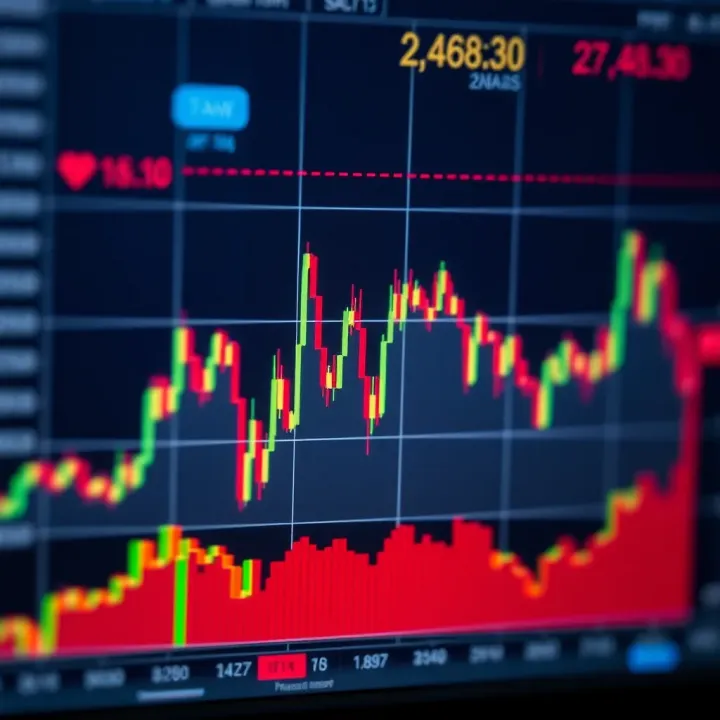
For example, during a Boom spike, a trader who detects early signs can ride the upward surge briefly and exit before the price retraces, pocketing quick profit. However, ignoring the volatility might lead to entering at the peak and suffering a sharp decline immediately after. In South Africa, where many traders encounter data lags or sudden market shocks, using spike detectors with a solid understanding of these risks improves the chance of success.
Identifying Boom and Crash spikes isn’t just about spotting wild price moves; it’s about using that knowledge to manage risk and spot promising trading windows. It’s a key skill that separates confident traders from those caught on the back foot during sudden market swings.
Understanding what Boom and Crash spikes are—and their practical implications—sets the foundation for using spike detectors to improve your trading strategies in the volatile world of synthetic indices.
Spike detectors play a vital role in trading synthetic indices by spotting sudden and often sharp price or volume movements early. Catching these spikes helps traders avoid getting caught on the wrong side of volatile swings and gives them a chance to react quickly. For example, during a boom spike where prices rapidly jump, a detector can alert traders in real time, allowing them to either capitalise on momentum or shield their positions before the market moves against them.
Use of algorithms and indicators
Spike detectors use specific algorithms designed to analyse market data flow continuously. These algorithms identify unusual price acceleration patterns or irregular spikes that deviate from typical trading behaviour. Indicators such as moving averages or the Relative Strength Index (RSI) might be adapted to flag when price changes surpass expected thresholds within very short timeframes. This approach lets systems differentiate between normal fluctuations and true spiking events, which is critical in fast-paced synthetic markets where milliseconds count.
In practice, these algorithms can flag a sudden rush in buying activity that pushes the price sharply upwards within moments, signalling a boom spike. Traders who rely on these signals can then make informed decisions, avoiding knee-jerk reactions to noise while still capturing profitable opportunities.
Monitoring price and volume changes
Price movement alone doesn't tell the full story; volume is equally crucial. Spike detectors monitor abrupt surges not just in price but also in trading volume, which validates the strength of a spike. A rapid price increase with low volume might be a false alarm or a momentary blip, whereas high volume confirms genuine market interest and momentum.
For instance, if a synthetic index’s price shoots up suddenly but accompanied by a high trading volume, this corroborates the spike’s authenticity. This dual monitoring helps traders separate true spikes from mere market noise, improving the reliability of trading signals and reducing the chances of misguided trades.
Threshold-based alarms
One straightforward method used is threshold-based detection, where the system raises an alert once price or volume changes breach predefined levels. This could be, say, a 2% price jump within five seconds or a volume increase of 150% compared to the average.
These alarms help traders act before the spike moves beyond manageable levels, adding a layer of discipline to reactive trading. However, setting these thresholds too tightly can cause frequent false alarms, while too loose settings might miss important spikes. Proper calibration based on market conditions and trader preferences is key.
Statistical anomaly detection
More advanced spike detectors use statistical techniques to identify anomalies—price or volume changes that fall outside normal statistical ranges over historical data. These detectors look beyond fixed thresholds and instead calculate the probability of an event being a true spike based on patterns over time.
For example, if price fluctuations usually fall within a standard deviation range, any abrupt movement several deviations away would be flagged as an anomaly. This method adapts dynamically to shifting market volatility, making it especially useful in synthetic indices where sudden moves can be common but still hold trading value.
Effective spike detection involves combining both threshold-based alerts and anomaly detection to balance responsiveness and accuracy. By understanding these mechanisms, traders gain practical tools to spot meaningful shifts and manage risk more effectively.
Incorporating boom and crash spike detectors into your trading strategy can improve timing and risk control. These tools help spot sudden price movements that could offer lucrative opportunities or warn of potential losses. Understanding how to apply detectors correctly allows traders to react swiftly and avoid costly mistakes.
Entry and exit signals are crucial when trading synthetic indices like Boom and Crash. Spike detectors generate alerts when a rapid price jump or drop occurs, signalling a possible entry point for traders hoping to ride the momentum. For example, if a spike happens on the Boom 100 index, a trader might enter a long position to capitalise on the expected uptrend that often follows. Conversely, exit signals can indicate when to close a trade before a reversal or further volatility hits. This timing helps prevent missed profits or larger losses.
However, avoiding false positives remains a key challenge. Market noise or smaller, irrelevant fluctuations can trigger spike detectors unnecessarily, leading to premature trade entries or exits. Filtering these false alarms often involves setting appropriate thresholds or combining spike detection with other indicators like volume or trend direction. For instance, if a spike on the Crash 50 index isn't accompanied by increased trading volume, it might be safer to ignore it rather than jumping straight into a trade. This cautious approach prevents overtrading and preserves capital.
Using stop-loss orders complements spike detection by limiting potential losses from sudden market reversals. After entering a trade triggered by a spike detector, placing a stop-loss just beyond the recent spike low or high ensures you exit swiftly if the market moves against you. For example, in the context of a boom spike, a stop-loss slightly below the spike’s base protects your investment if the price doesn’t hold. This technique counters the unpredictability spikes can introduce.
Similarly, position sizing adjustments help manage risk when trading spikes. Since price actions around spikes tend to be volatile, reducing your trade size during these events can mitigate the impact of sudden reversals. A trader who usually risks R1,000 per trade might opt to risk only R500 when entering immediately after a spike signal. This lower exposure safeguards your overall portfolio while still enabling participation in potential opportunities.
Integrating spike detectors with good risk practices improves your chances of consistent gains and shields you from unexpected price swings common in Boom and Crash indices.
Through thoughtful application of spike detection signals alongside solid risk controls, traders can navigate synthetic markets with more confidence and discipline.
Trading the Boom and Crash synthetic indices isn't straightforward, especially when you heavily rely on spike detectors. These tools can highlight sudden price movements, but they're not foolproof. Understanding their challenges and limitations can help you make better decisions and avoid costly mistakes.
Spike detectors often flag rapid price changes, but not every alert signals a genuine market shift. Market noise—random fluctuations caused by low liquidity, minor trades, or brief order imbalances—can trigger false alarms. For example, during periods of low trading volume, such as public holidays or outside regular market hours, a spike detector may register a false positive. This can lead traders to react prematurely, entering or exiting positions based on misleading signals.
One practical way to mitigate false alarms is to use spike detectors in combination with volume analysis or multiple indicators. If a sudden price change coincides with high volume, it's more likely a meaningful spike. Conversely, a price jump without supporting volume might be nothing but noise. Failing to distinguish between these might lead to increased losses rather than gains.
While automated spike detectors can improve reaction times, relying on them without applying your own judgement is risky. The algorithms work on preset parameters and cannot account for unique or unexpected market conditions. Traders must remain alert and question whether a detected spike fits the overall market picture or if it’s just a blip.
For instance, during unexpected news events or announced changes to synthetic indices by a platform, spikes might behave differently than usual. A trader relying solely on detectors could get caught off guard by erratic movements. Using spike detectors as one piece of the puzzle, rather than the sole guide, helps protect against this.
Every market move happens within a bigger picture. Understanding the context—be it economic announcements, geopolitical shifts, or market sentiment—is vital when interpreting spikes. Spike detectors do not consider why a spike happens; they only know it did.
Imagine a spike appearing during South Africa’s Presidential address affecting market confidence. Automated detectors will alert to the spike, but they won’t explain the underlying cause. Traders who understand the context can decide whether to stay in a trade, close it, or adjust risk parameters. Without this insight, spike detector signals can be misleading and less useful.
Relying on automated signals without combining them with sound trader judgement and market knowledge is like driving blindfolded with a noisy GPS – it might take you somewhere, but not where you want to be.
In summary, while boom and crash spike detectors help spot sudden price moves, they shouldn't be used in isolation. Combining detector alerts with trader knowledge and market context improves decision-making and reduces the risk of being misled by false alarms or overautomation.
📈 Discover how automated traders use algorithms to trade efficiently in South Africa's markets. Learn the benefits, risks, regulations, and future trends influencing local investors.

Explore New York forex session hours, key overlaps, and trading tips to boost your strategy and navigate volatility confidently 💹🌍📈

💻 Find the ideal laptop for forex trading that offers smooth platform performance, reliable data security, and balances power with affordability—tailored for South African traders.

Looking for the best trading brokers in South Africa? Learn how to compare fees, platforms, regulation, and support 📈 Start trading with confidence safely today!
Based on 7 reviews